
20 Reasons Why Cell Phones Should Be Allowed in School
Discover 20 reasons why cell phones should be allowed in school. How smartphones can enhance learning, boost engagement, and prepare students for the digital world.

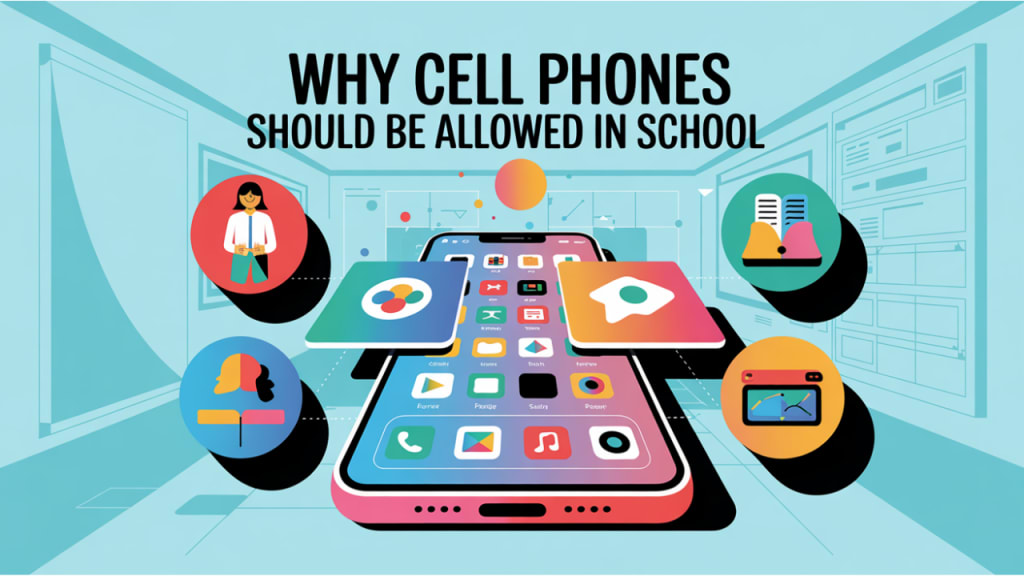
In today’s technology-driven world, cell phones are more than just communication devices. They help us learn, connect, organize, and create. Yet many schools still view them solely as distractions. But with the right rules and support, phones can become powerful educational tools, especially for students. If you’re a parent or educator wondering whether mobile devices belong in the classroom, here are 20 reasons why phones should be allowed in school.
1. Access to Educational Resources
Students can instantly access online encyclopedias, scientific journals, educational videos, and digital textbooks. Whether they're researching for an assignment or revisiting a tricky math concept through a video tutorial, having access to these resources on a phone can reinforce classroom learning and provide additional support.
2. Encourages Digital Literacy
In a world where nearly every career involves some form of digital skill, teaching students how to use technology responsibly is critical. Using cell phones in school helps students learn how to navigate apps, evaluate online sources, understand privacy settings, and engage in proper digital communication, all of which are essential life skills.
3. Enhances Classroom Engagement
Phones can be used for interactive classroom activities like quizzes on Kahoot, collaborative brainstorming on Padlet, or even augmented reality apps for science or history. These tools increase participation and make learning more engaging and fun, especially for visual and hands-on learners.
4. Supports Note-Taking and Organization
Students can use apps for note-taking (such as Evernote or Notion), calendar management, and setting reminders, helping them stay organized and manage their time effectively.
5. Instant Communication
Whether it’s checking in with a parent or coordinating a group project with classmates, phones provide instant communication. In situations like sudden illness, schedule changes, or forgotten materials, a quick text can solve the problem without disruption.
6. Emergency Situations
In case of school emergencies like lockdowns, natural disasters, or health issues, having a phone ensures students can contact emergency services or their families immediately.
7. Bridges the Technology Gap
Not all schools have enough laptops or tablets for every student. Allowing students to use their own smartphones helps fill the technology gap, especially in underfunded schools where providing 1:1 devices isn’t always feasible.
8. Encourages Independent Learning
If a student finishes their work early or wants to go deeper into a topic, they can use their phone to explore on their own, watching science videos, reading current events, or even learning coding. Phones put the power of learning directly into their hands.
9. Promotes Real-World Skills
Knowing how to use tools like email, cloud storage (Google Drive, Dropbox), project management apps, and basic troubleshooting is essential in college and careers. Schools should prepare students by teaching them how to use these tools through everyday practice.
10. Facilitates Group Work and Collaboration
Phones allow students to work together more efficiently, both inside and outside the classroom. They can share Google Docs, create group chats for project planning, or record and edit presentations together, even if they’re not physically in the same place.
11. Aids Students with Special Needs
Phones offer built-in accessibility tools like voice commands, screen readers, and speech-to-text that support students with disabilities. For students with ADHD or autism, apps for task management and calming exercises can provide essential structure and support.
12. Encourages Creative Expression
Phones have cameras, microphones, and editing tools that let students create photo essays, documentaries, podcasts, and more. These creative projects can often demonstrate learning more effectively than traditional assignments.
13. Allows for Real-Time Fact Checking
During debates, class discussions, or current events conversations, students can look up reliable sources to verify facts or explore different perspectives. This promotes critical thinking and helps prevent the spread of misinformation.
14. Flexible Learning Environment
With phones, schools can implement hybrid models where students watch lessons at home (flipped classrooms) and use class time for activities and discussion. It gives teachers more flexibility and students more control over their learning pace.
15. Minimizes School Supply Costs
When students can read eBooks, complete digital worksheets, and submit assignments online, schools can significantly reduce printing costs and paper use. It’s better for budgets and the environment.
16. Prepares for Higher Education
College students rely heavily on their phones for class schedules, assignments, campus alerts, and academic resources. High school students who learn how to use these tools responsibly will be better prepared for the transition to college life.
17. Enables Language Translation
For students who are non-native English speakers, translation apps can bridge communication gaps and improve comprehension. Also, for English language learners, phones can offer real-time translation of text or speech, helping them understand assignments, communicate with peers, and feel more included. Translation apps like Google Translate can be game-changers in diverse classrooms.
18. Promotes Responsibility and Accountability
When students are trusted to use their phones responsibly, they begin to develop self-regulation, an essential life skill. With guidance, they learn when it’s appropriate to use a device and when to put it away.
19. Supports Mental Health and Wellbeing
Phones can provide access to meditation apps like Calm or Headspace, journaling tools, or helplines. Having access to these resources can help students deal with stress, anxiety, or emotional challenges in a discreet and empowering way.
20. Fosters Technological Innovation
When students are given the freedom to explore and innovate with technology, they often discover new ways to solve problems or create value, sparking innovation.
Also, giving students access to mobile technology encourages experimentation. They might build apps, start YouTube channels, create digital portfolios, or develop new ideas. The possibilities are endless when curiosity and technology meet.
Addressing Common Concerns
Of course, allowing cell phones in schools requires clear rules and expectations. Schools should:
- Develop and enforce responsible use policies.
- Use classroom management tools to monitor activity.
- Educate students on digital citizenship.
- Designate "phone-free" times or zones if necessary.
Final Thoughts
Banning cell phones in schools may seem like an easy way to reduce distractions, but it also removes an incredibly powerful learning tool from students' hands. When used appropriately, smartphones can enhance the educational experience, prepare students for the future, and make learning more accessible, engaging, and relevant. Instead of resisting the change, schools should embrace it and guide students in using technology wisely.
With thoughtful policies and responsible use, phones aren’t a threat to education, they’re a tool to elevate it.
About the Creator
Saif
Exploring different parts of life.
Why Certification Protects Transcription Careers in the Age of AI
Artificial Intelligence has rapidly transformed the transcription industry. Speech-to-text tools now promise instant results, lower costs, and effortless productivity. For businesses focused purely on speed, AI often appears to be the perfect solution. However, beneath this promise lies a critical reality: speed without accuracy creates risk.
By Mahesh Kumar4 days ago in Education
How Japan saved its biggest city from collapse
400 years ago, modern-day Tokyo was known as Edo, and it was already one of the biggest cities in the world, with a population approaching 1 million. However, it was on the verge of ecological collapse. Years of intense logging had led to massive deforestation. The city now faced timber shortages and the impacts of severe erosion and frequent flooding that threatened food supplies. But over just a few decades, Edo will transform and become one of the most sustainable and efficient cities in history.
By Munesh Yadav2 days ago in Education



Comments (1)
This was such an engaging read! I really appreciated the way you presented your thoughts—clear, honest, and thought-provoking. Looking forward to reading more of your work!