
15 Foods That Help Fight Cancer
FOOD FOR PREVENT CANCER
15 Foods That Help Fight Cancer
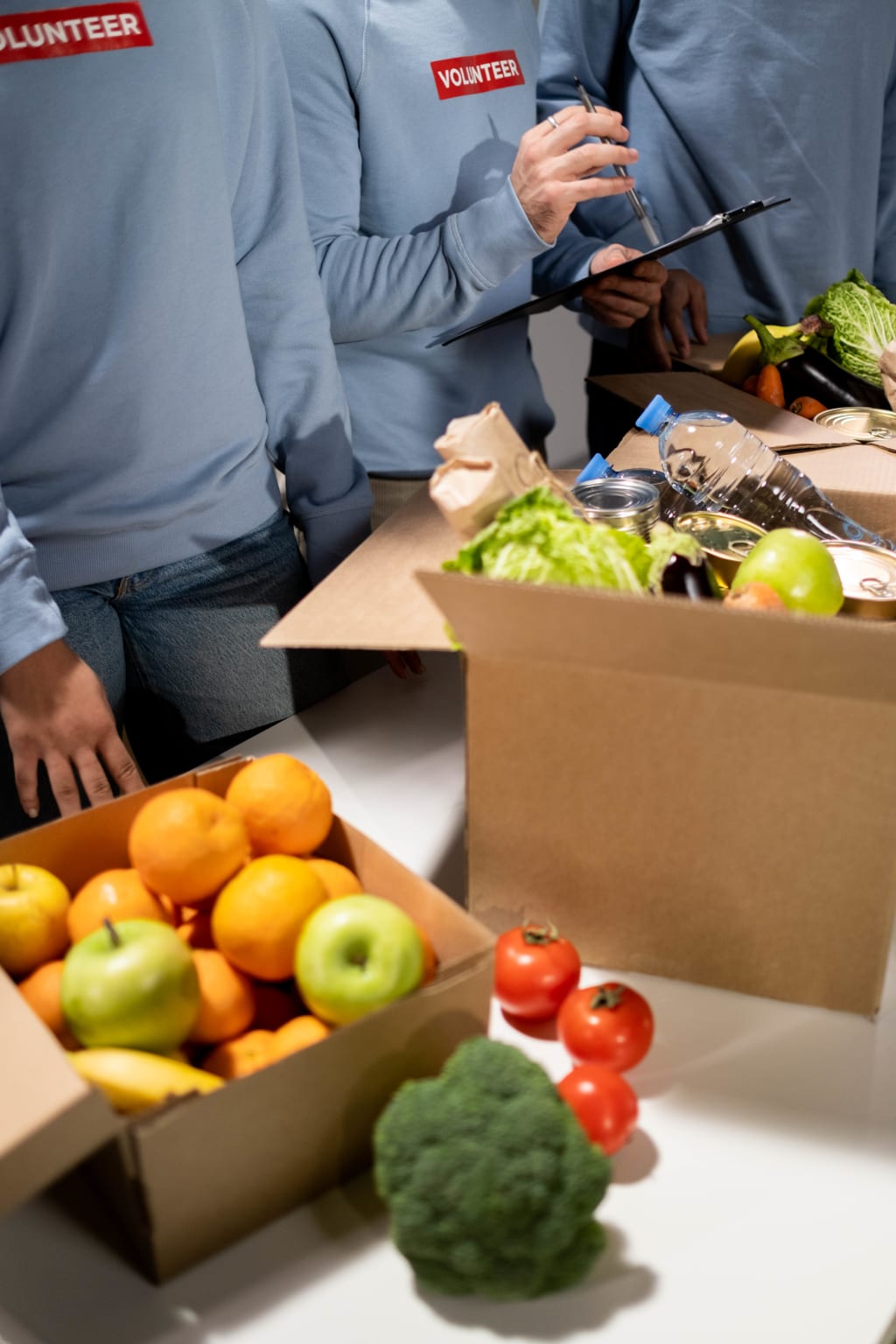
Many people are interested in whether nutrition choices can help prevent cancer or slow its progress. Eating a wide variety of plant foods is a good start. Fruits, vegetables, grains, and beans contain hundreds of health-promoting phytochemicals that you can't get from a dietary supplement. Here are some of the best cancer-fighting foods to put on your plate.
1. Flaxseed
Lignans help fight cancer - Reduce prostate cancer with flax seeds. Research studies have shown that lignans can slow the growth of prostate cancer cells. Breast cancer survival was significant in three studies that followed thousands of women diagnosed with breast cancer. They found lignans might play an important role in reducing all-cause and cancer-specific mortality of the patients operated on for breast cancer.
2. Tomatoes
Lower risk of cancer - Risk of breast cancer may be reduced with tomatoes due to their high amounts of carotenoids. Alpha carotene, beta carotene, lutein, zexanthin, lycopene, and total carotenoids, as shown by research in the Journal of the National Cancer Institute. Risk of prostate cancer was found to be reduced in a study showing men who ate more than 10 portions of tomatoes or tomato products per week reduced their risk of prostate cancer by 18% compared to men who ate less than 10. It is clear that the current evidence favors the consumption of tomatoes and tomato products rather than lycopene supplements as stated in the Oxford Journals.
3. Avocados
Help fight cancer cells - The glutathione found in avocados has been found to help prevent some kinds of cancers. Researchers at Ohio State University found nutrients in avocados that kill or stop the growth of pre-cancerous cells that lead to oral cancer. Avocado extract was found to inhibit prostate cancer. Molecules in avocados have been found to attack leukemia stem cells directly while leaving healthy cells unharmed, according to a study.
4. Garlic
Fights cancer - Lung cancer risk decreased in a study with those who ate raw garlic 2 or more times a week, according to a study published in the Journal Cancer Prevention Research. The researchers also found that even smokers who ate raw garlic decreased their risk of lung cancer by around 30%. Garlic, as an alien vegetable, has been found in a study to protect against stomach and colon cancers. In test tubes, garlic seems to kill cancer cells, and studies suggest that people who eat more raw or cooked garlic are less likely to get colon and stomach cancers and cancer of the esophagus.
5. Legumes (Beans and Lentils)
Reduce cancer risk - Prostate cancer risk was found to be lower in a six-year study of more than 14,000 men living in the U.S. Those with the highest intake of legumes, beans, lentils, or split peas had a significantly lower risk of prostate cancer. Legumes were found to reduce the risk of colon cancer. Scientists examined 14 studies with 103,459 participants and found that those consuming the most legumes, especially soybeans, had the lowest risk for colon cancer. Pancreatic cancer risk was lessened when legumes were consumed more than two times a week compared to those who had legumes rarely or less than once a week, according to a study.
6. Cruciferous Vegetables
Broccoli, cabbage, brussels sprouts help prevent cancer - Cruciferous vegetables have been shown to lower overall cancer risk, according to research at Oregon State University. They have been found to help inhibit and regulate cancer-causing genes, according to research at the University of Alabama at Birmingham. People who had greater amounts of the cruciferous vegetable brussels sprouts had a lower risk of cancer, as stated at the National Cancer Institute fact page.
7. Berries
Berries are rich in vitamins, minerals, and dietary fibers - Scientists have shown a lot of interest in berries due to their antioxidant properties and potential health benefits. One study shows that anthocyanin, which is a compound in blackberries, lowers biomarkers for colon cancer. Another study demonstrates that the anti-inflammatory effects of blueberries can prevent the growth of breast cancer tumors in mice.
8. Grapes
Resveratrol is an antioxidant and anti-inflammatory compound found in grapes - especially red and purple ones, where it's most concentrated in the skin. In animal studies, resveratrol has been shown to prevent cancer and slow the growth of cancer cells.
9. Green Tea
This mild, grassy-tasting brew contains catechins, antioxidants with anti-cancer properties - In fact, green tea contains three times more catechins than black tea. Drinking green tea regularly has been associated with lower risk for cancers of the bladder and digestive tract.
10. Soy
Whether you consume tofu, miso, tempeh, adame, or soy milk, you're getting the health benefits of soybeans - Soy foods are rich in estrogen-like isoflavones, such as genistein, and studies suggest that soy foods protect against hormone-related cancers, including those of the breast, prostate, and endometrium.
11. Winter Squash
The deep orange flesh of acorn, butternut, pumpkin, and other winter squashes is a slew that they're rich in beta-carotene and other carotenoid pigments - In addition to being an antioxidant, beta-carotene is transformed into vitamin A, a nutrient that also may help prevent cancer.
12. Carrots
Carrots contain high amounts of beta-carotene, which may prevent certain types of cancer - Carrots contain several essential nutrients, including vitamin K, vitamin A, and antioxidants. Carrots also contain high amounts of beta-carotene, which is responsible for the distinct orange color. Recent studies revealed that beta-carotene plays a vital role in supporting the immune system and may prevent certain types of cancer. A review of eight studies shows that beta-carotene has links to a reduction in the risk of breast and prostate cancer. Another analysis shows that higher consumption of carrots results in a 26% lower risk of developing stomach cancer.
13. Fatty Fish
Fatty fish, including salmon, mackerel, and anchovies, is rich in essential nutrients - such as vitamin B, potassium, and omega-3 fatty acids. One study found that people whose diets were high in freshwater fish had a 53% lower risk for colorectal cancer than those low in freshwater fish. Another study found that consumption of fish oil later in life has links to a significantly lower risk for prostate cancer. Finally, a study following 68,109 people found that people who consumed fish oil supplements at least four times a week were 63% less likely to develop colon cancer than those who did not.
14. Walnuts
According to the American Institute for Cancer Research, all nuts exhibit cancer-preventing properties, but scientists have studied walnuts more than other types of nuts. Walnuts contain a substance called juglone, which the body metabolizes into ellagic acid. Ellagic acid is a compound that binds to estrogen receptors and may play a role in preventing breast cancer. In one animal study, mice receiving whole walnuts and walnut oil had higher levels of tumor-suppressing genes than the mice receiving vegetable oil.
15. Supplements and Medications
Although the foods listed above are everyday products and readily available, some people may not want to make significant dietary or lifestyle changes. In this case, there are plenty of supplements and medications available that contain anti-cancer compounds. Vitamins A, C, and E are notable for their anti-cancer properties and are available as supplements in most major grocery stores.
Most of the plant-based compounds listed throughout this article, such as flavonoids, anthocyanins, and sulforaphane, come in pill form over-the-counter medications. Additionally, medications such as aspirin and ibuprofen may also lower the risk of cancer in some people. However, it's always important to speak to a medical professional before starting a new medication or supplement regimen.
It's crucial to note that research into preventing cancer through diet is still in the early stages and requires further testing. Many of the studies mentioned in this article were conducted in cells or mice. However, it is important to remember that eating a balanced diet high in fresh fruits, vegetables, and good fats will benefit overall health.
In conclusion, while there is no magic food or supplement that can guarantee protection against cancer, incorporating these 15 cancer-fighting foods into your diet can contribute to a healthy and well-rounded approach to cancer prevention. Remember to consult with your healthcare provider for personalized advice and recommendations.
FAQs (Frequently Asked Questions)
Are these foods a cure for cancer?
No, these foods are not a cure for cancer. They contain compounds that have shown potential in preventing cancer or slowing its progress, but they should not replace medical treatments.
Can supplements replace a healthy diet?
Supplements should not replace a healthy diet. It's always best to obtain nutrients from whole foods rather than relying solely on supplements. A balanced diet is crucial for overall health.
How much of these foods should I consume?
There is no specific quantity mentioned in the article. It's generally recommended to consume a variety of fruits, vegetables, whole grains, and legumes as part of a balanced diet.
Are there any side effects of consuming these foods?
In general, these foods are safe to consume as part of a healthy diet. However, some individuals may have allergies or sensitivities to certain foods. It's always important to listen to your body and consult with a healthcare professional if you have any concerns.
Can these foods prevent all types of cancer?
While these foods have shown potential in preventing certain types of cancer, it's important to remember that cancer is a complex disease with various risk factors. A healthy lifestyle, including a balanced diet, regular exercise, and avoiding tobacco and excessive alcohol consumption, can contribute to overall cancer prevention.
Incorporating these cancer-fighting foods into your diet, along with leading a healthy lifestyle, can contribute to your overall well-being. Remember to make informed choices, consult with a healthcare professional, and prioritize a balanced and varied approach to nutrition. Stay proactive in taking care of your health and reducing your risk of cancer.
About the Creator
Keep reading
More stories from Abdul Latif Awan and writers in Education and other communities.
Understanding Kidney Cancer
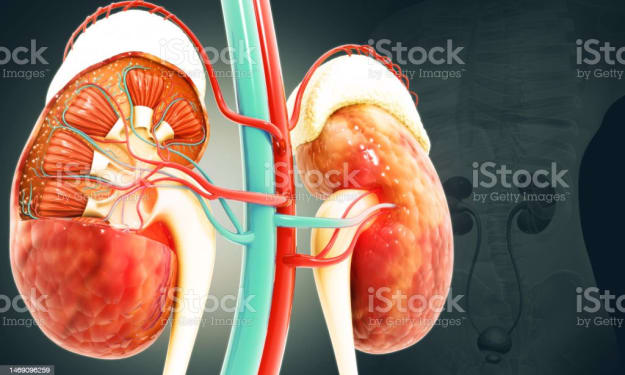
Understanding Kidney Cancer: Diagnosis, Treatment, and Hope Introduction Receiving a diagnosis of cancer can be a life-altering moment, filled with fear and uncertainty. This article aims to provide a comprehensive understanding of kidney cancer, including its diagnosis, treatment options, and prognosis. By shedding light on this disease, we hope to offer support, knowledge, and reassurance to those who may be facing this challenging journey.
By Abdul Latif Awan3 years ago in Education
10 Unusual Quiz Round Ideas That Will Make Your Next Game Night Unforgettable
Most pub quizzes follow the same pattern. You get a geography round, a history round, maybe a music round, and then everyone argues about whether the answer to question seven was technically correct. It works - but it rarely surprises anyone.
By Faabul Quizzesa day ago in Education
Compact Home Gym Essentials for Athletes Training in Small Spaces
Many sports enthusiasts want the convenience of a home gym but worry that limited space makes it impossible to achieve. Apartments, shared rooms, or small houses often leave little room for large workout machines. Fortunately, athletes do not need a huge area to build an effective training environment. With the right equipment choices, even a small corner of a room can become a powerful workout space.
By Joel Barjenbruchabout 22 hours ago in Education


Comments
There are no comments for this story
Be the first to respond and start the conversation.