
• 10 Ways to Improve Your Mental Health
Transform Your Mental Health One Step at a Time Effective Ways to Nurture Your Mental Well-being

10 Ways to Improve Your Mental Health
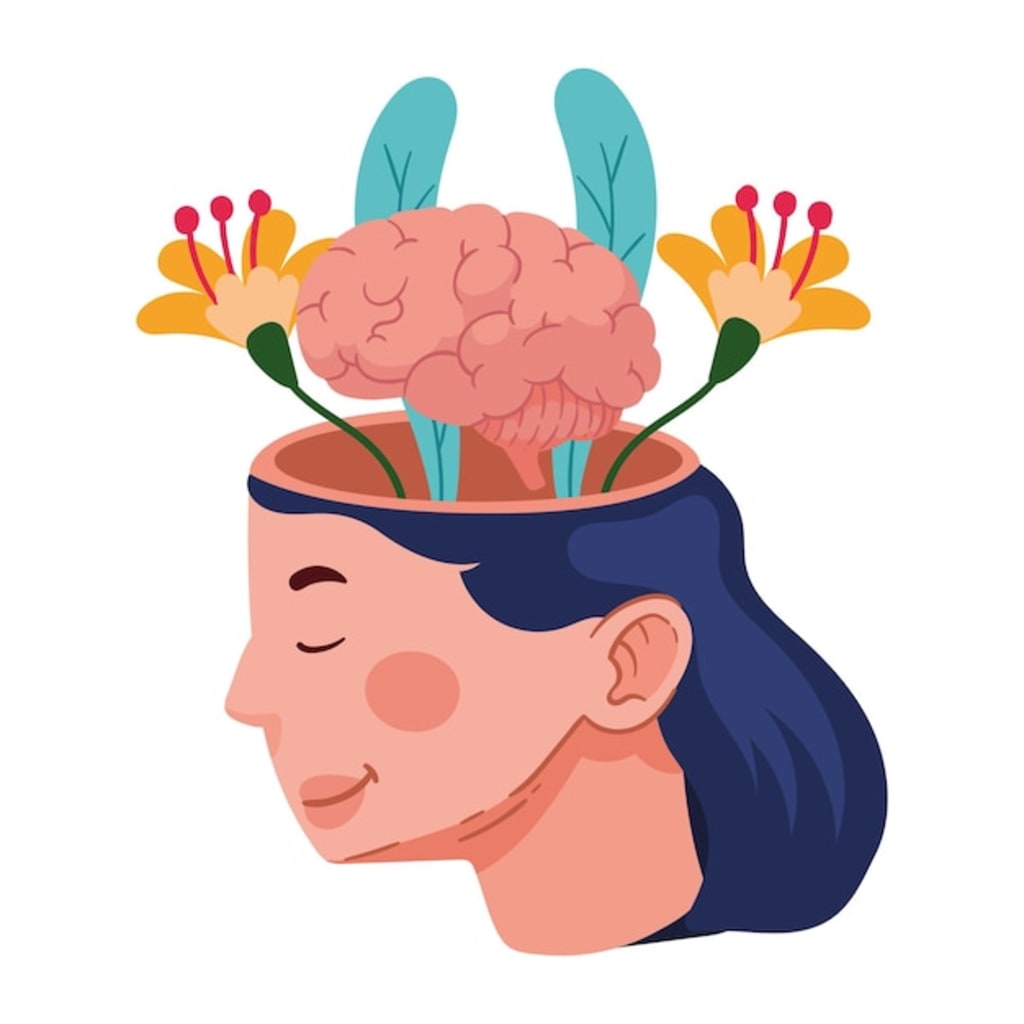
Mental health plays a crucial role in our overall well-being. Just as physical health requires care and attention, mental health also demands conscious efforts to maintain balance and stability. A healthy mind helps you handle stress, build relationships, and live a fulfilling life. Below are ten practical ways to improve your mental health and promote emotional well-being.
1. Prioritize Physical Activity**

Regular physical exercise has a profound effect on mental health. Physical activity releases endorphins, also known as "feel-good hormones," which help reduce stress and elevate mood. Exercise doesn't have to be intense; even simple activities like walking, yoga, or dancing can be effective.
Tips:
- Aim for at least 30 minutes of moderate exercise most days of the week.
- Choose activities you enjoy to stay motivated.
- Consider group workouts to combine exercise with social interaction.
2. Maintain a Balanced Diet

A healthy diet supports brain function and reduces the risk of mental health disorders. Nutrient-rich foods help regulate mood, energy levels, and overall cognitive function.
Tips:
- Include plenty of fruits, vegetables, lean proteins, and whole grains.
- Reduce processed foods, caffeine, and sugar intake.
- Drink plenty of water to stay hydrated.
3. Get Adequate Sleep

Sleep is essential for emotional regulation and overall mental health. Chronic sleep deprivation can lead to anxiety, depression, and memory problems.
Tips:
- Aim for 7-9 hours of sleep per night.
- Establish a consistent sleep routine by going to bed and waking up at the same time daily.
- Avoid screens and heavy meals before bedtime.
4. Manage Stress Effectively

Stress is a part of life, but chronic stress can harm your mental health. Learning to manage stress is essential for maintaining emotional well-being.
Tips:
- Practice relaxation techniques such as deep breathing, meditation, or progressive muscle relaxation.
- Break large tasks into smaller, manageable steps.
- Engage in hobbies and activities that bring joy.
5. Connect with Others

Strong social connections are crucial for mental health. Spending time with friends and loved ones can reduce feelings of loneliness and boost your mood.
Tips:
- Make time for meaningful conversations with friends and family.
- Join community groups or volunteer to meet new people.
- Seek support from loved ones during difficult times.
6. Practice Gratitude

Gratitude helps shift focus from negative thoughts to positive
experiences. It encourages a more optimistic outlook and reduces stress.
Tips:
- Keep a gratitude journal and write down three things you're grateful for each day.
- Express appreciation to those around you.
- Reflect on positive experiences before going to bed.
7. Set Realistic Goals

Setting achievable goals provides a sense of purpose and accomplishment. It also helps build self-confidence and reduce feelings of stagnation.
Tips:
- Break larger goals into smaller, actionable steps.
- Celebrate your achievements, no matter how small.
- Be flexible and adjust your goals as needed.
8. Limit Screen Time and Social Media Use

Excessive screen time, especially on social media, can contribute to anxiety, depression, and poor self-esteem. Taking a break from screens can help improve mental clarity and focus.
Tips:
- Set specific time limits for social media use.
- Turn off notifications to reduce distractions.
- Engage in offline activities such as reading, journaling, or spending time in nature.
9. Seek Professional Help When Needed

There's no shame in seeking help from a mental health professional. Therapists and counselors can provide valuable tools and guidance for managing mental health challenges.
Tips:
- Look for licensed professionals who specialize in your area of concern.
- Consider both in-person and online therapy options.
- Don't wait until you're overwhelmed to seek help.
10. Practice Mindfulness and Meditation

Mindfulness involves staying present and fully engaged in the current moment without judgment. Meditation helps cultivate mindfulness and reduce stress.
Tips:
- Start with just five minutes of mindfulness meditation each day.
- Focus on your breathing and observe your thoughts without attachment.
- Explore guided meditation apps for added support.
**Final Thoughts

Improving your mental health is a journey that requires consistent effort and self-awareness. By incorporating these ten strategies into your daily life, you can build resilience, enhance emotional well-being, and enjoy a more balanced and fulfilling life. Remember, seeking support and being kind to yourself are key components of mental health care. Take the first step today and invest in your mental well-being.
About the Creator
Nora Ariana
Empowering through stories and sound igniting purpose, sparking growth, and awakening the power within.
Keep reading
More stories from Nora Ariana and writers in Education and other communities.
A goal is a dream with a deadline
A goal is a dream with a deadline. This powerful quote reminds us that without action, dreams remain just that wishes floating in our imagination. But when we set a timeline and commit to achieving them, they evolve into goals, bringing clarity, direction, and purpose. Many people go through life holding on to dreams, hoping they will come true someday. But someday is not a day on the calendar. Dreams without structure often fade with time or get buried under the weight of daily responsibilities. Turning a dream into a goal is what separates those who achieve from those who continue to wish.
By Nora ArianaExclusive • 9 months ago
Speak and Be Heard: A Beginner’s Guide to Becoming a Podcast Host and Growing Your Audience
Becoming a podcast host is an exciting way to share your ideas, inspire others, and build a strong community. Whether you want to teach, entertain, or have great conversations, podcasting gives you a voice that can reach people around the world. But starting a podcast and growing an audience takes more than just a microphone. It requires planning, patience, and a real connection with your listeners. In this guide, you'll learn how to become a podcast host and grow your audience step by step.
By Spencer Hakimian4 days ago in Education



Comments (1)
Good tips on improving your mental health! Great work!