
10 Ways to be a Profesional Writer
Becoming a professional writer takes dedication, practice, and a commitment to continuous learning. Here are some steps you can take to be a professional writer.

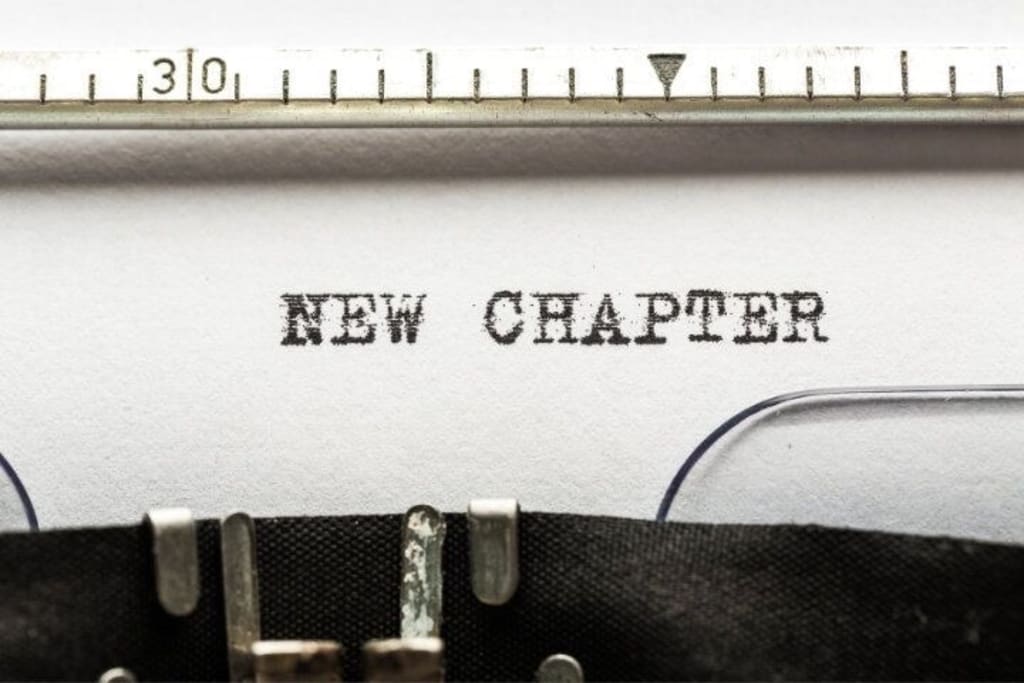
These are some of the ways you can make your dream of becoming a professional writer come true, following the steps and believe in your progress.
1. Develop your writing skills
Start by honing your writing skills through regular practice. Write every day, explore different genres and styles, and experiment with various topics. By immersing yourself in different forms of writing, you'll expand your vocabulary, enhance your writing style, and develop a deeper understanding of narrative techniques.
2. Study grammar and language
Developing a strong foundation in grammar and language is crucial for effective communication. Invest time in understanding grammar rules, punctuation, and sentence structure. Brush up on spelling and vocabulary, and continuously expand your knowledge by learning new words and their meanings. Tools like grammar checkers can help you identify and correct errors, but it's important to understand the rules yourself.
3. Find your interests for a “habit”
Determine the type of writing you enjoy and excel at. It could be fiction, non-fiction, journalism, copywriting, technical writing, or any other form of writing. Treat writing as a habit and challenge yourself to write even when you don't feel inspired. The more you write, the more you'll improve your skills, find your voice, and gain confidence in your abilities.
4. Build a portfolio
Start creating a portfolio of your best writing pieces. It can include articles, short stories, blog posts, or any other written work that showcases your skills. Consider publishing your work on a personal blog, submitting articles to online platforms, or collaborating with local publications to gain exposure and build a reputation.
5. Build an online presence
Create a professional website or blog to showcase your work and attract potential clients or publishers. Utilize social media platforms like Twitter, LinkedIn, or Medium to share your writing, connect with readers and industry professionals, and build your online presence.
6. Network and collaborate
Connect with other writers, editors, and professionals in the writing industry. Attend writing conferences, join writing groups or workshops, and participate in online writing communities. Collaborating with other writers or industry experts can provide valuable feedback, opportunities, and insights.
7. Seek opportunities for growth
Continuously seek opportunities to expand your skills and knowledge. Attend writing workshops, enroll in writing courses or online programs, and stay updated on industry trends. Consider joining professional writing organizations that offer resources, networking opportunities, and educational events. Pay attention to the writing techniques used by successful authors and take inspiration from their work.
8. Submit your work
Research publications, websites, or literary magazines that accept submissions in your chosen genre. Follow their submission guidelines and submit your work for consideration. Be prepared to face rejections, as they are part of the writing journey. Use each rejection as an opportunity to improve your writing and keep submitting.
9. Pursue professional opportunities
Look for freelance writing gigs, internships, or entry-level positions in writing-related fields. Gain practical experience and develop a professional reputation. As you progress, explore opportunities such as writing for publications, working as a ghostwriter, or becoming a full-time author.
10. Seek feedback and learn from it
Feedback is invaluable for growth as a writer. Share your work with trusted friends, writing groups, or online communities to receive constructive criticism. Be open to suggestions and learn from both positive and negative feedback. Analyze the feedback and use it as a tool to improve your writing skills, identifying areas of strength and areas that need further development. Writing is a process that goes beyond the initial draft. Understand that first drafts are rarely perfect, and the real magic happens during the editing and revision stages. Polish your work by eliminating unnecessary words, improving clarity, and strengthening your ideas.
That's the way to become a professional writer. Remember, becoming a professional writer is a journey that requires dedication, persistence, and a willingness to learn and adapt. Stay committed to improving your skills, building your network, and seeking opportunities to showcase your work. Writing is not just about what you say but also how you say it. Don't be afraid to experiment, rearrange, and refine until you achieve the desired impact. With time and effort, you can establish yourself as a professional writer in your chosen field.
About the Creator
Saskya Sagita
Hi, i’m saskya. I’m a beginner to be writer here, previously i’ve published several stories in other apps and website, so i ask for your guidance and support. Thank you :D
Keep reading
More stories from Saskya Sagita and writers in Education and other communities.
Harry Potter Can’t be Replaced
The Harry Potter, seven books and eight film adaptations, the series takes readers on a magical journey through the Wizarding World, where they follow the life and adventures of the titular character, Harry Potter.seven books and eight film adaptations, the series takes readers on a magical journey through the Wizarding World, where they follow the life and adventures of the titular character, Harry Potter.
By Saskya Sagita3 years ago in Fiction
“What School Never Taught Me About Failure”
I was taught how to pass exams, not how to survive disappointment. By the time I failed for the first time, I thought something was wrong with me. School made failure look simple. Red marks. Wrong answers. A number at the top of the page that quietly decided how smart you were allowed to feel that day. If you failed, you studied harder. If you didn’t improve, you tried again. The system implied that effort always led to success, and success always arrived on schedule. Life didn’t follow the syllabus. School never taught me that failure could arrive suddenly, without warning, and stay longer than expected. It never explained what to do when effort doesn’t fix things. When hard work still ends in rejection. When you follow all the rules and still lose. I remember being praised for getting things right. For finishing first. For not making mistakes. I learned early that success earned attention, and failure earned silence. Teachers didn’t mean harm—but unintentionally, they trained us to associate worth with performance. So I did what I was taught. I chased achievement. I memorized expectations. I avoided risks that might expose weakness. I became good at appearing capable. What I never learned was how to fail without hating myself. The first real failure of my life didn’t come with a report card. It came quietly, disguised as “almost.” Almost good enough. Almost chosen. Almost successful. And there was no teacher to tell me what lesson I was supposed to learn. I failed, and nothing happened. No bell rang. No retake was offered. No clear feedback explained where I went wrong. The world just… moved on. And I was expected to move with it. School never taught me that failure doesn’t always look dramatic. Sometimes it looks like showing up every day and still feeling behind. Sometimes it looks like watching others move forward while you stay stuck. Sometimes it looks like success for everyone else and confusion for you. It never taught me that failure hurts in places you can’t explain. That it seeps into your confidence, your relationships, your sense of direction. That it can make you question things you never doubted before—your intelligence, your talent, your purpose. In school, failure was temporary. In life, it can feel permanent. We weren’t taught how to grieve the version of ourselves we thought we’d become. We weren’t taught how to sit with disappointment without turning it inward. We weren’t taught that failing at something doesn’t mean you are a failure—but that’s exactly how it feels when no one prepares you. School taught me how to aim for success, but not how to land after missing. It didn’t teach me that failure isn’t linear. That you don’t always fail once and then succeed. Sometimes you fail repeatedly, quietly, in ways no one claps for when you finally recover. Sometimes you succeed in areas no one grades. It didn’t teach me that failure can make you tired in a way sleep doesn’t fix. The kind of tired that comes from trying again when you’re no longer sure it’s worth it. The kind that makes you doubt your instincts. The kind that teaches you humility the hard way. And yet—this is what school missed the most. Failure didn’t ruin me. Avoiding it almost did. Because when you’re taught to fear failure, you shrink your life to fit your comfort zone. You stop trying new things. You stop asking questions. You stop risking embarrassment. You choose safe paths over meaningful ones. School taught me how to be correct. Failure taught me how to be brave. It taught me patience when progress was invisible. It taught me empathy for others who were struggling quietly. It taught me that confidence built on perfection collapses easily—but confidence built on survival lasts. Failure taught me that growth doesn’t always come with validation. That sometimes you have to believe in yourself without proof. That resilience isn’t about never falling—it’s about learning how to stand back up without applause. School never taught me how to redefine success. Failure did. Success stopped being about winning or being first. It became about continuing. About showing up honestly. About choosing growth over approval. About learning when to quit what isn’t right and when to persist even when fear says stop. I wish school had taught us that failure is not the opposite of success—it’s part of it. That mistakes are not evidence of inadequacy. That learning doesn’t always look neat or fast or impressive. But maybe school couldn’t teach that. Maybe failure only teaches itself. Now, when I fail, I don’t ask, “What’s wrong with me?” I ask, “What is this trying to show me?” And that question—more than any exam, grade, or certificate—is the most valuable lesson I ever learned. Just not in a classroom.
By Faizan Malikabout 12 hours ago in Education
Why Books Still Matter in a World That Never Stops Scrolling
In a world where everything moves fast—notifications, reels, breaking news, endless scrolling—books feel almost rebellious. Sitting still. Turning pages. Giving your full attention to one story at a time. Yet despite all the noise of the digital age, books continue to survive, and more importantly, they continue to matter.
By Waqar Khan4 days ago in Education



Comments
There are no comments for this story
Be the first to respond and start the conversation.