
10 Heart-Damaging Foods to Avoid For Better Health
Protect Your Cardiovascular Health by Steering Clear of These Dangerous Foods


Keeping our hearts healthy is key to our overall well-being. The foods we eat play a big role in this. We'll look at the top 10 foods that can harm our hearts. By learning why they're bad and finding better options, we aim to help you make choices that keep your heart strong.
Key Takeaways
• Certain foods can negatively impact cardiovascular health, leading to an increased risk of heart disease.
• Understanding the science behind the harmful effects of these foods is crucial for making informed dietary choices.
• Exploring healthier alternatives can help you maintain a balanced, heart-friendly diet.
• Paying attention to food labels and being mindful of your consumption of these heart-damaging foods is important for your overall health.
• Making small, sustainable changes to your diet can have a significant impact on your cardiovascular well-being.
Understanding the Impact of Diet on Heart Health
Nutrition is key to a healthy heart. What we eat affects our heart's function and health. Knowing how diet impacts heart disease helps us make better choices for our heart.
How Food Choices Affect Cardiovascular Function
The nutrients we eat, like fats and vitamins, can help or harm our heart. Some fats, like saturated and trans fats, can clog arteries. This can lead to heart attacks and strokes.
The Science Behind Heart Disease and Diet
Many studies link diet to heart disease. Eating too much processed food and sodium can raise blood pressure and cholesterol. This increases heart disease risk.
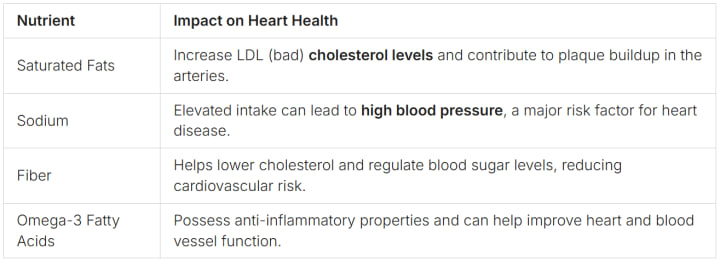
Knowing how diet affects heart health helps us make better choices. This can lower heart disease risk.
Processed and Ultra-Processed Foods: Hidden Dangers
Improving our heart health means knowing the dangers of processed and ultra-processed foods. These foods are full of additives, preservatives, and artificial ingredients. They can harm our heart health.
Processed foods are made with many chemicals. They have unhealthy additives like too much sodium, added sugars, and trans fats. These can harm our bodies.
Ultra-processed foods are even worse. They include frozen meals and snacks. These foods lack nutrients and have unhealthy additives. They can cause inflammation and harm our heart health.
1. Understand the impact of processed and ultra-processed foods on heart health.
2. Identify common additives and preservatives that can contribute to heart disease.
3. Learn how to read labels and avoid processed food risks in your daily diet.
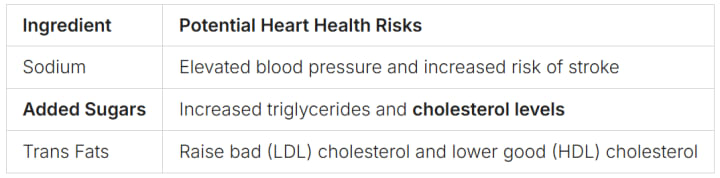
By knowing the risks of processed foods, we can choose better options. This helps protect our hearts and improves our health.
Saturated Fats and Their Effect on Heart Health
Saturated fats are known to increase the risk of heart disease. They are found in high-fat animal products and some plant-based oils. These fats can raise cholesterol levels and cause plaque buildup in arteries. Knowing how saturated fats affect our heart health helps us make better food choices.
Common Sources of Harmful Fats
Saturated fats are found in:
• Red meat, such as beef, pork, and lamb
• High-fat dairy products, including cheese, butter, and full-fat milk
• Tropical oils, like coconut oil and palm oil
• Fried and processed foods, such as fast food, baked goods, and snacks
Eating too much of these foods can lead to heart disease, stroke, and other heart problems.
Healthier Fat Alternatives
To keep your heart healthy, replace saturated fats with better options. These include:
1. Unsaturated fats: Avocados, nuts, seeds, and olive oil can lower cholesterol and reduce heart disease risk.
2. Monounsaturated fats: Found in olive oil, avocados, and nuts, these fats improve cholesterol and support heart health.
3. Polyunsaturated fats: In fatty fish, walnuts, and flaxseeds, these fats are rich in omega-3s. They have anti-inflammatory effects and lower heart disease risk.
Adding these healthier fats to your diet can greatly improve your heart health.
Reading Food Labels for Fat Content
When shopping, always read food labels to check fat types and amounts. Look for "Total Fat" and "Saturated Fat" sections. Choose foods with less saturated fat. Also, avoid products with "partially hydrogenated oils" or "trans fats" as they harm heart health.
By knowing the risks of saturated fats, choosing healthier fats, and reading labels, you can make better choices. These steps help support a long, healthy life.
High-Sodium Foods That Strain Your Heart
Too much sodium can lead to high blood pressure, a major risk for heart disease. Knowing where sodium comes from in our diet helps us make better choices. This way, we can keep our hearts healthy.
Processed and ultra-processed foods are big sodium culprits. Think canned soups, frozen meals, fast food, and even some "healthy" deli meats and sauces. Just one serving can be too much sodium, harming our hearts.
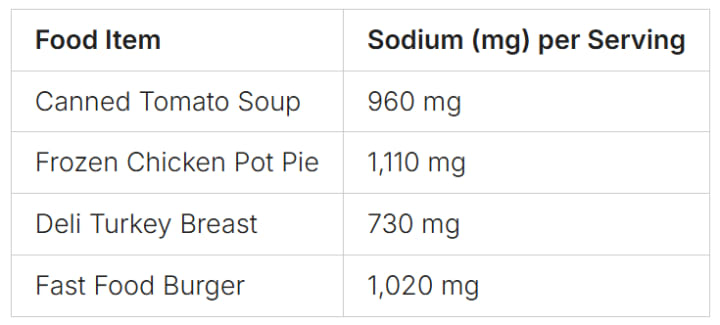
To cut down on sodium and protect our hearts, we should eat more fresh foods. Reading labels and choosing low-sodium options helps too. Small diet changes can make a big difference in our heart health.
"Reducing your sodium intake is one of the most impactful steps you can take to improve your heart health and reduce your risk of high blood pressure."
It's important to eat sodium in moderation. Being careful about what we eat can help our hearts. This way, we can keep our hearts strong and healthy.
10 Heart-Damaging Foods to Avoid
Our diets are key to a healthy heart. Many common foods can harm our heart health. Let's look at 10 foods to avoid and find healthier options for your meals.
Understanding Why These Foods Are Harmful
These foods often have too much saturated fat, sodium, or added sugars. Eating too much of them can raise cholesterol and blood pressure. This increases the risk of heart attacks and strokes.
Healthier Alternatives for Each Food
1. Fried Foods: Choose baked, grilled, or air-fried versions instead. They have less unhealthy fat.
2. Processed Meats: Pick lean meats like poultry, fish, or plant-based proteins like beans and tofu.
3. Refined Carbohydrates: Switch to whole-grain bread, pasta, and rice. They have more fiber and nutrients.
4. Sugary Beverages: Drink water, unsweetened tea, or infused water instead of soda or fruit juices.
5. Fatty Red Meat: Eat less red meat. Choose leaner proteins like chicken, turkey, or plant-based options.
By changing your diet, you can lower your heart disease risk. This improves your heart health.
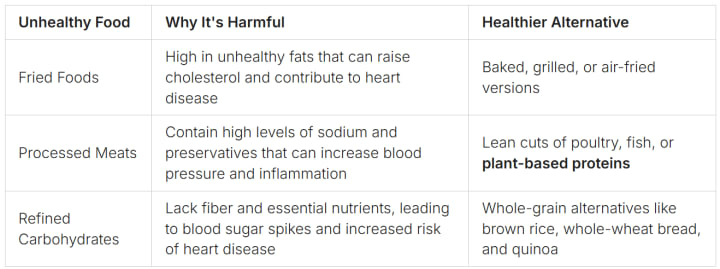
Changing your diet for the better is important for a healthy heart. By using these healthier options, you're taking a big step towards better heart health.
Sugar-Laden Products and Cardiovascular Risk
Enjoying sweet treats now and then is okay, but too much sugar is bad for our hearts. Many studies show that added sugars can cause obesity, insulin resistance, and inflammation.
Our bodies struggle with too much sugar. It makes our pancreas work hard to keep blood sugar levels stable. This can lead to insulin resistance, a step towards type 2 diabetes and heart disease.
Sugar-rich foods and drinks are often full of calories but lack nutrients. This can lead to weight gain, which is hard on our hearts. Being overweight, especially around the waist, raises the risk of high blood pressure and high cholesterol.
To protect your heart, watch out for added sugars in processed foods and drinks. Always check labels and choose whole foods over processed ones. Making a few diet changes can greatly lower your heart disease risk and improve your health.
"The more sugar we consume, the more insulin our bodies produce, which can eventually lead to insulin resistance and a host of other health problems."
The Truth About Artificial Trans Fats
Artificial trans fats, also known as hydrogenated oils, have been under scrutiny for their bad effects on heart health. Many countries have banned them, but they can still be found in some foods. It's important to know where they hide and how to spot them on labels to make better food choices.
Where Trans Fats Hide
Even though many foods no longer have trans fats, they can still be found in some. Fried foods, baked goods, and certain margarines and shortenings often have them. Even healthy snacks like crackers and granola bars might contain these harmful fats.
Reading Labels to Detect Trans Fats
Understanding food labels is key to avoiding trans fats. Check the "trans fat" line on the nutrition facts panel. Be cautious of ingredients with "hydrogenated" or "partially hydrogenated." Even if a product says it's trans-fat-free, it might still have small amounts that can harm your heart.
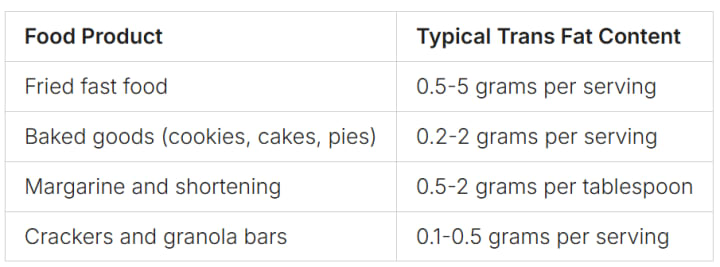
By knowing where hydrogenated oils hide and reading labels carefully, we can avoid trans fats and keep our hearts healthy. The trans fat ban is a good start, but we must stay alert to avoid these harmful fats in our diet.
Red Meat and Its Impact on Heart Health
The link between red meat and heart health is a big topic. Red meat's saturated fat can raise cholesterol levels. This can cause artery blockages and increase heart attack and stroke risks.
New studies show red meat might also harm the heart. It contains heme iron and TMAO, which can cause inflammation. This can mess with blood pressure and sugar control.
But, not all red meat is bad. Lean cuts like sirloin or round can be okay in small amounts. They should be part of a diet rich in other nutrients.
Exploring Healthier Protein Alternatives
If you want to cut down on saturated fat, there are better protein choices. These include:
• Poultry (chicken and turkey)
• Plant-based proteins like beans, lentils, and tofu
• Fish and seafood
• Eggs
Adding these to your diet can make it healthier. You'll get more nutrients and support your heart.
It's important to eat red meat in moderation. Choosing a variety of plant-based foods is better for your heart. This way, you can keep your heart healthy and strong.
Alcohol and Heart Disease: What You Need to Know
The link between alcohol and heart health is complex. Knowing the difference between drinking in moderation and too much is key. This helps keep your heart healthy.
Understanding Moderate vs. Excessive Consumption
Drinking in moderation, up to one drink a day for women and two for men, might help your heart. But drinking too much can harm your heart and health.
• Moderate drinking may help improve cholesterol and lower heart disease risk.
• Too much alcohol can raise blood pressure, cause irregular heartbeats, and increase heart attack and stroke risk.
Fast Food and Heart Disease Connection
Fast food might seem convenient, but it's bad for our hearts. It's full of saturated fats, sodium, and sugars. These can lead to heart disease. Eating fast food often can raise cholesterol, blood pressure, and heart attack risks.
Fast food is quick, but it's not good for our hearts. Luckily, there are healthier options for eating on the go. Choosing whole foods helps us stay healthy and avoid fast food dangers.
Knowing the risks of fast food helps us make better choices. We can eat healthy while still enjoying life's conveniences. With a bit of planning, we can keep our hearts healthy and strong.
FAQ
What are the top heart-damaging foods to avoid for better health?
We'll explore the 10 most harmful foods for heart health. We'll also show you healthier alternatives to add to your diet.
How does diet impact cardiovascular function and heart disease risk?
We'll dive into how nutrition affects heart health. We'll highlight key nutrients and their roles in keeping your heart healthy.
What are the hidden dangers of processed and ultra-processed foods?
This section talks about the bad effects of processed and ultra-processed foods. We'll discuss common additives and preservatives that can harm your heart.
What are the risks associated with saturated fats, and how can we identify healthier alternatives?
We'll look at how saturated fats can lead to heart disease. We'll also show you where to find healthier fats and how to read labels.
Which high-sodium foods can strain your heart, and how can you reduce salt intake?
This section warns about the dangers of too much sodium. We'll share tips on cutting down salt while keeping food tasty.
What are the 10 heart-damaging foods to avoid, and what are the healthier alternatives?
We'll give you a list of 10 foods that are bad for your heart. We'll explain why they're harmful and suggest better options for your diet.
How do sugar-laden products contribute to cardiovascular risk?
This section explores how too much sugar can harm your heart. We'll talk about how sugar leads to obesity and inflammation, increasing heart disease risk. You'll learn to spot hidden sugars.
What are the dangers of artificial trans fats, and how can we detect them in food labels?
We'll discuss the risks of artificial trans fats and their impact on heart health. We'll also show you where to find them and how to spot them on labels.
How does red meat consumption affect heart health, and what are the healthier protein alternatives?
This section looks at how red meat can increase heart disease risk. We'll discuss healthier protein options and how to balance your diet.
What is the impact of alcohol consumption on heart health, and how can we maintain moderation?
We'll examine the link between alcohol and heart health. We'll discuss the difference between moderate and excessive drinking and their effects on your heart.
How does fast food consumption contribute to heart disease, and what are the healthier on-the-go options?
This final section talks about the dangers of fast food for heart health. We'll share tips for making better choices when eating out or on-the-go.
About the Creator
Epic Vibes
✨ Welcome to Epic Vibes Blog! 🌟 Explore diverse insights and trending topics. From the latest buzz to hidden gems across various realms, we bring you fresh, engaging content. Stay ahead with us! 🚀
Keep reading
More stories from Epic Vibes and writers in Education and other communities.
Knowing How the Stock Market Operates
Although the stock market might appear to be a confusing maze, at its foundation, it is a mechanism created to assist companies in raising cash and provide investors with an opportunity to see a return on their investment. Here is a summary of the key elements that make up the stock market.
By Epic Vibesabout a year ago in Education
Misplaced Optimism: A Year of Accountability Promised — and Withheld at LAUSD
“We must hold the Superintendent accountable” – Karla Griego (2024) Ten years ago, I ran for a seat on the LAUSD Board of Education to change the district I believed was failing its students, especially those with Special Education needs. My opponent was Tamar Galatzan, an entrenched incumbent who was backed by the charter school industry. I achieved the lowest cost per vote, just 69 cents, in the entire city during that election cycle. While it wasn’t enough to win the seat, our campaign helped knock Galatzan out of office. This helped to clear a pathway for change and raised expectations that accountability might finally follow.
By Carl J. Petersen7 days ago in Education




Comments
There are no comments for this story
Be the first to respond and start the conversation.