
10 Creepy Real Life Backstories of Stranger Things
Stranger Things is loaded with monsters, alternate dimensions, and kids with terrifying psychic powers—but the weirdest parts of the show aren’t made up. The Duffer Brothers pulled inspiration from a laundry list of real experiments, conspiracies, and eerie events that are way darker than Hawkins itself. From secret government programs to missing-child cases, the weirdest corners of the 1980s helped shape every spine-chilling detail. Once you know the history, rewatching the show feels completely different. Here are ten of the creepiest real-life influences lurking behind the series.
10. MK-Ultra: The CIA’s Real Attempt at Mind Control (Yes, Really)
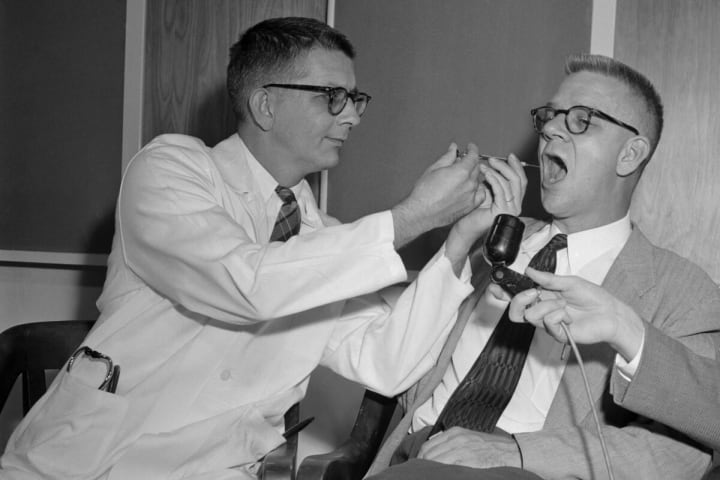
Eleven’s backstory might feel like pure sci-fi horror, but it’s based on something the CIA actually did. Between the 1950s and 1970s, the government ran MK-Ultra, a program that basically treated humans as lab rats. They dosed people with LSD, hypnotised them, stuck them in sensory-deprivation tanks, and ran experiments on prisoners, psychiatric patients, civilians—and yes, even children. Most of the people involved had no idea what was happening. It’s horrifying, honestly.
The Duffer Brothers have openly admitted that MK-Ultra inspired Dr. Brenner and the Hawkins Lab experiments. Watching Eleven undergo those tests is unsettling—but the real thing was far worse. People were tortured, manipulated, and psychologically broken in ways the show only hints at. And the crazy part? Many of the CIA’s records were destroyed, so no one really knows the full extent of the program. It’s one of those stories that makes the show’s supernatural elements feel almost mundane in comparison.
⸻
9. The Montauk Project: Psychic Kids and Government Conspiracies
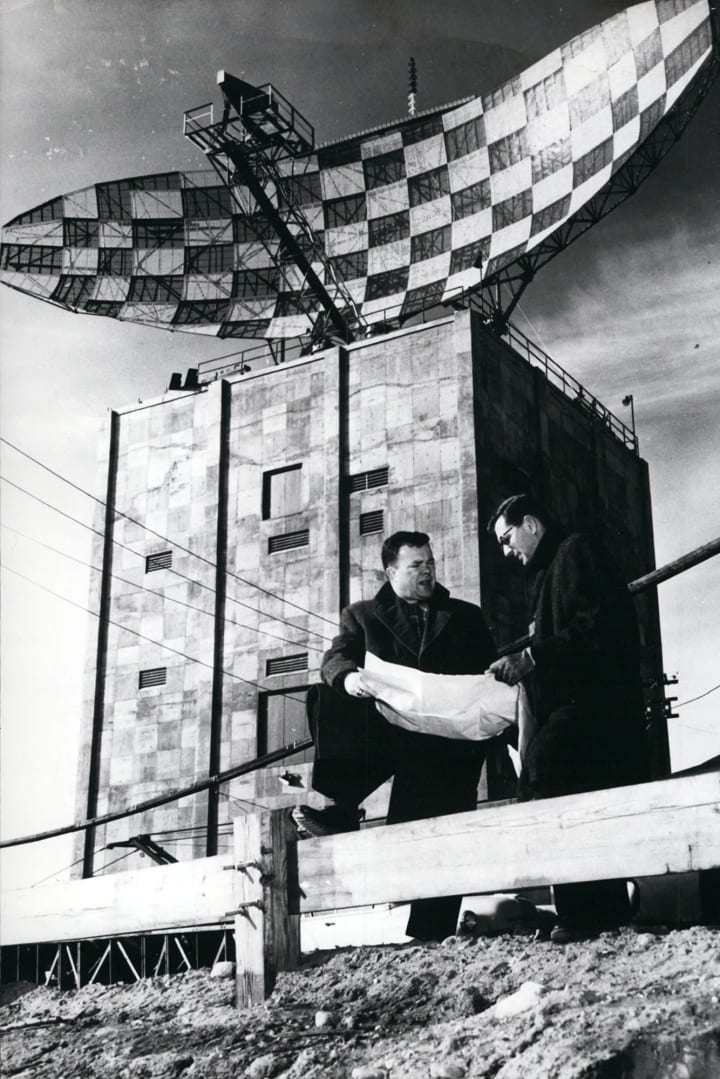
Before Hawkins, there was Montauk. The show was initially planned to be set near Camp Hero, a real military base in Long Island, New York. That’s where the so-called Montauk Project legends originate. Supposedly, children were abducted and subjected to mind-control experiments, remote viewing, and other “psychic warfare” tests. Some stories even claim a boy accidentally opened a portal to another dimension.
Whether or not it really happened is up for debate, but the mythology shaped the entire series. The idea of kids being weaponised by the government, psychic powers being tested in secret, and portals opening to terrifying places? That’s Montauk in a nutshell. The Duffer Brothers clearly borrowed the creepier bits and amplified them for Hawkins, turning urban legend into prime-time horror.
⸻
8. Cold War Psychic Warfare Programs
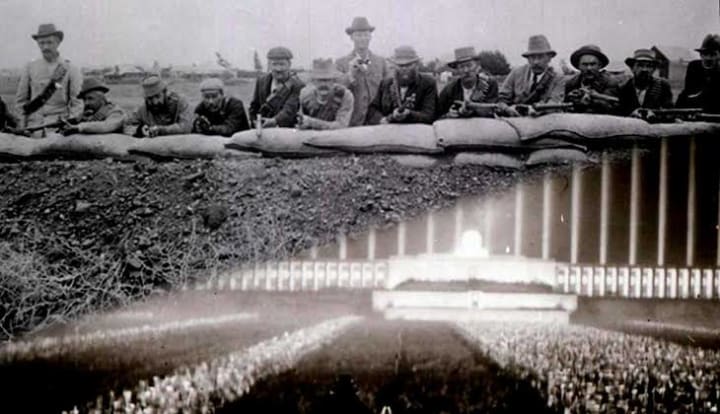
During the Cold War, both the US and the Soviet Union freaked out over the possibility of psychic weaponry. Telepathy, telekinesis, and “remote viewing” weren’t just science fiction—they were funded research projects. Scientists tried to figure out if humans could spy on each other with their minds or even move objects from afar.
Of course, none of these experiments produced superhuman children like Eleven. But the paranoia was real. Governments were genuinely scared that psychic powers could be weaponised. And that fear is the backbone of Stranger Things: kids being trained as living weapons, secret labs hidden in the suburbs, and science blending into sheer terror.
⸻
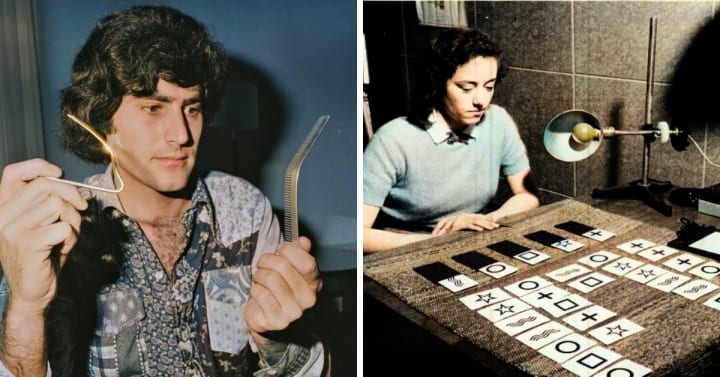
7. Project Stargate: The Army’s Psychic Spy Program
Project Stargate ran in secret for over 20 years. Its goal? Turn ordinary soldiers into psychic spies capable of locating hostages, reading hidden documents, or watching enemy bases—using only their minds. Participants would sit in dark rooms for hours, sketching visions of faraway places.
When the program was declassified in the 1990s, people were shocked. Even though it didn’t produce actual superpowers, it showed just how far governments were willing to go. And yes, it’s easy to see the echoes in Hawkins Lab: sensory deprivation, psychic tests, and people being pushed to extremes. It’s chilling to think that the show’s “fictional” science was inspired by actual classified programs.
⸻
6. Real Missing-Children Cases from the 1980s
Will Byers’ disappearance is horrifying on-screen, but it’s based on a very real fear in the 1980s: kids vanishing from small towns across the US. Entire communities were gripped by panic. The “milk-carton kids” phenomenon—printing missing children’s faces on milk cartons—became a national obsession.
The Duffer Brothers drew from this. The flashlights in the woods, frantic parents, panicked friends searching every corner—they mirror the real anxiety families felt during that era. It wasn’t just storytelling; it was a reflection of a generation genuinely afraid of losing their children to the unknown. That fear gives the series an emotional weight most supernatural shows lack.

⸻
5. Urban Legends of Abandoned Laboratories
Across the US, abandoned labs and research facilities spawned countless local legends. People whispered about secret experiments, radiation leaks, escaped animals, and haunted corridors. One famous example is the Plum Island Animal Disease Center, which allegedly inspired rumors of mutant creatures.
Hawkins Lab feels eerily similar: a quiet, sterile building hiding horrors behind guarded gates and whitewashed walls. The Duffer Brothers tapped into that sense of mystery and dread. Those whispers of “what really goes on in the labs?” make the show feel just plausible enough to keep viewers tense, even when the supernatural stuff kicks in.

⸻
4. The Philadelphia Experiment
This one’s straight out of naval legend. In 1943, the US supposedly tried to make a ship invisible. The tale goes that it disappeared, reappeared, and that some sailors fused into the metal hull. Most historians call it a hoax—but the story stuck, especially the idea of experiments ripping open reality itself.
Stranger Things borrows this vibe. The Upside Down’s portal, catastrophic machine tests, and monsters spilling into our world echo the notion of science gone wrong. It’s a case where legend bleeds into fiction, making Hawkins feel even more unsettling.

⸻
3. Dungeons & Dragons Monster Lore
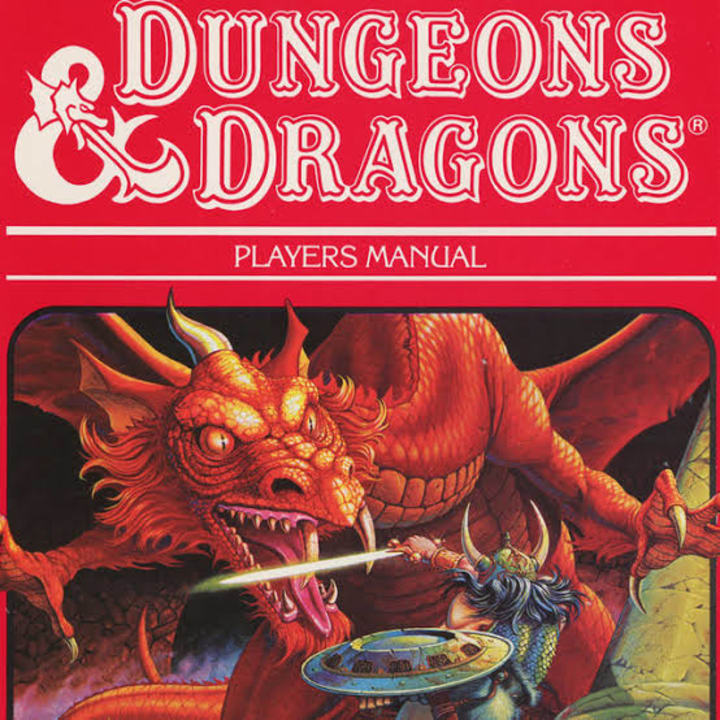
Not all influences are scientific. Many of the show’s monsters come straight from Dungeons & Dragons: the Demogorgon, Mind Flayer, and Vecna. In D&D, these creatures are detailed, terrifying, and fully fleshed out. The Duffers borrowed the names and twisted them into the show’s universe.
Even people who’ve never played D&D can feel the weight of these monsters. They’re grounded in decades of mythology, making Hawkins simultaneously familiar and alien. It’s one of those touches that makes the supernatural world believable without feeling forced.
⸻
2. Real Scientific Theories of Parallel Dimensions
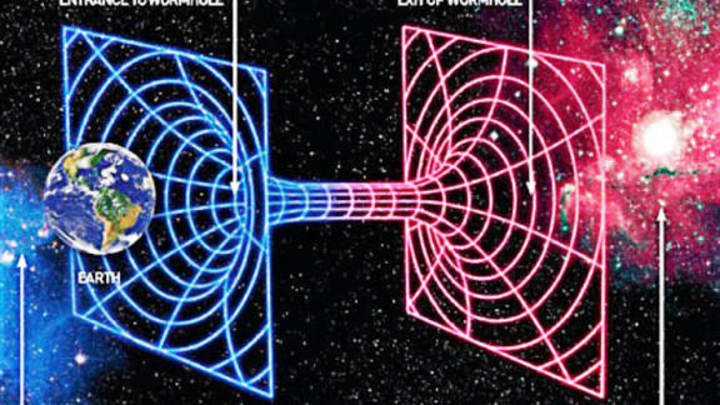
The Upside Down isn’t just scary—it’s scientifically inspired. Theories like the Many-Worlds Interpretation suggest every choice creates a separate reality. Meanwhile, string theory hints at hidden dimensions curled up so tightly we can’t see them. “Brane worlds” imagine our universe as a sheet floating alongside others, occasionally brushing close enough for energy or gravity to leak between them.
It’s the kind of stuff that makes the Upside Down feel almost plausible. Even without monsters, the idea that another version of our world exists, just out of reach, is quietly terrifying. When the walls in Hawkins tear open and reality itself seems to break, it’s an exaggerated reflection of theories scientists are actually exploring.
⸻
1. The 1980s Obsession with the Unknown
Above all, Stranger Things captures the 1980s. On the surface, it was a neon-colored, music-filled decade—but underneath was paranoia. The Cold War, Satanic Panic, UFO hysteria, and distrust of the government permeated everyday life. Kids rode bikes freely, but danger felt close, whether from real threats or societal anxiety.
The technology of the time intensified isolation. Without mobile phones or internet, characters were truly cut off from help. Dead phone lines, walkie-talkies, and old TVs added tension. It’s no coincidence that Hawkins feels claustrophobic—the world itself amplified the fear.
There’s also nostalgia. Music, arcade games, and pop culture soften the dread, but knowing the darker undercurrent makes every scene hit harder. The Duffer Brothers didn’t just recreate the decade; they recreated the emotional experience of growing up in a world where magic and danger coexisted.
⸻
Conclusion: Rewatch with Fresh Eyes
Stranger Things mixes nostalgia and nightmare. The bikes, mixtapes, and arcade lights make everything feel familiar, but underneath is real fear—of government secrets, the unknown, and losing someone suddenly. That tension is what makes the series resonate so much.
Now, knowing these real-life influences, rewatching the series is a new experience. You might notice details you missed the first time: a line of dialogue, a newspaper clipping, or a lab piece of equipment echoing a historical experiment. The Duffers love hiding these little nods in plain sight.
Next time you watch, pay attention. Look for MK-Ultra echoes in Brenner’s cold control, Montauk Project traces in psychic experiments, and Cold War paranoia threading through the town. And remember: some of the scariest parts aren’t supernatural—they’re real history. Seeing the series this way doesn’t make it worse; it makes it richer, creepier, and far more fascinating.
About the Creator
Keep reading
More stories from writers in Education and other communities.
Why Great Customer Service Is Non-Negotiable for Modern Businesses
Excellent customer service is no longer something businesses can choose to offer later. It is a basic requirement in today’s fast-moving market. Customers expect respect, clear communication, and fast solutions. When they do not get these things, they leave. This is why excellent customer service is non-negotiable for businesses that want to survive and grow.
By Apex Service Partners5 days ago in Education
The Devil's Cut
“Comrade, finally you’re awake.” The voice was smooth, sensual. A flickering incandescent bar was all that lit the white, sterile room. All Vladimir remembered was everything going black. He tried to move his arms and found them strapped to the gurney.
By Matthew J. Fromm3 days ago in Fiction


Comments
There are no comments for this story
Be the first to respond and start the conversation.