
10 Creative Ways to Reduce Waste at Home
Simple Changes for a Greener Lifestyle

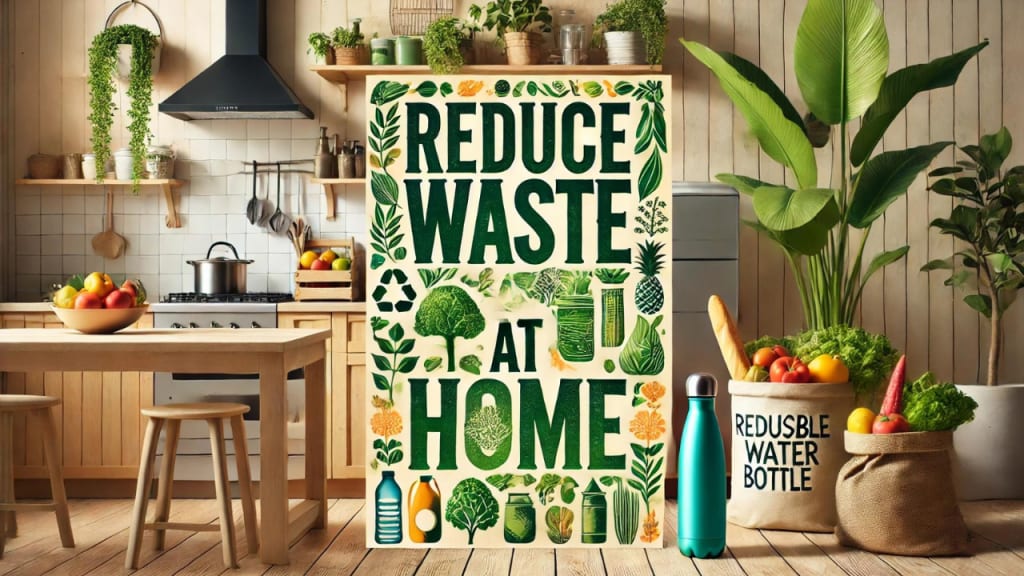
Many everyday decisions significantly impact our planet. On average, Americans produce about 4.4 pounds of trash daily. Fortunately, making small, eco-friendly changes can have lasting effects on the environment. Here are ten creative ways to reduce waste at home:
1. Use a Reusable Bottle and Cup for Beverages On-the-Go
Investing in a reusable water bottle is a game-changer. Not only does it save you money, but it also reduces the waste generated from single-use containers. Carry your water with you to avoid purchasing bottled drinks. When you use your reusable cup for coffee, many cafes offer discounts. This simple change helps cut down on the energy required to produce, ship, and recycle disposable bottles and cups.
2. Bring Reusable Grocery Bags – and Use Them!
Many people own reusable grocery bags but often forget them. Keep them in a visible spot in your home, like near your keys or in the car, to remind you to take them when shopping. Writing "BAGS" at the top of your grocery list can also help. By using these bags consistently, you’ll not only reduce plastic waste but may also earn small refunds at some stores for bringing your own.
3. Choose Wisely and Recycle Correctly
Reduce waste by purchasing products with minimal packaging or those packaged in recyclable materials. Familiarize yourself with your local recycling guidelines, as they can vary significantly. For example, in many areas, containers labeled with a 1 or 2 are usually recyclable, while others may not be. Understanding these guidelines allows you to make informed purchasing decisions and contributes to effective recycling efforts.
4. Embrace Composting
Up to 25% of your household waste could be composted instead of sent to a landfill. Composting fruit and vegetable scraps, eggshells, and yard waste enriches your garden soil and reduces the need for chemical fertilizers. Start a compost bin in your backyard or use a composting service in your area. With patience, you can create nutrient-rich compost within three to twelve months, promoting healthier plants and reducing waste.
5. Avoid Single-Use Containers and Utensils
Minimize your use of disposable items like plastic straws, utensils, and coffee cups. Invest in a set of reusable utensils, plates, and a coffee mug to keep at work. Many coffee shops offer discounts for bringing your cup. Reducing single-use items not only decreases waste but also saves you money in the long run.
6. Buy Secondhand and Donate Unused Items
Before purchasing new items, consider secondhand options. Thrift stores, consignment shops, and online marketplaces offer great deals while keeping usable items out of landfills. When decluttering your home, donate items you no longer need instead of throwing them away. This not only helps others but also promotes a circular economy.
7. Support Local Farmer's Markets and Buy in Bulk
Shopping at farmer's markets supports local agriculture and reduces the carbon footprint associated with transporting food. Many vendors use less packaging, and you can often return containers for reuse. Additionally, buying in bulk from stores can significantly cut down on packaging waste, so come prepared with your containers and bags.
8. Reduce Paper Use: Opt for Digital Alternatives
In our digital age, many companies offer paperless billing and e-receipts. Sign up for digital subscriptions instead of physical magazines. By reducing paper use, you save trees and decrease waste. For unwanted junk mail, consider opting out of marketing mailings to reduce the amount of paper you receive.
9. Practice Mindful Purchasing
Before making a purchase, ask yourself if you truly need the item. This practice helps prevent impulse buys that contribute to waste. Create a shopping list to stick to essentials and avoid unnecessary items. Mindful purchasing leads to a more sustainable lifestyle and reduces overall consumption.
10. Educate and Inspire Others
Share your waste-reduction journey with friends and family. By educating others on the importance of reducing waste, you can create a ripple effect in your community. Consider hosting workshops or discussions on sustainable living practices. The more people who join the movement, the greater the impact on reducing waste collectively.
About the Creator
Cornelious Nyabuto
Through the power of words, I aim to inspire, entertain, and leave a lasting imprint on your imagination.
Keep reading
More stories from Cornelious Nyabuto and writers in Education and other communities.
How to Create Your Own HOMEMADE Herbal Tea Blends
Creating your own herbal tea blends is a delightful and rewarding way to enjoy the health benefits and flavors of various herbs. Whether you prefer a soothing chamomile tea before bed or an invigorating mint blend in the morning, crafting your own tea blends allows you to customize them to your taste and needs. Follow these steps to create delicious and personalized herbal tea blends at home.
By Cornelious Nyabuto2 years ago in Education
Everyday Cooking Skills That Turn Home Kitchens Into Creative Spaces
Cooking at home is more than a routine task. It is a practical life skill that supports better health, saves money, and encourages creativity. While recipes are helpful, true kitchen confidence comes from understanding essential cooking skills that work across countless dishes. When home cooks grasp these fundamentals, they can adapt recipes, solve problems, and cook with freedom rather than fear.
By Erika Mackinnona day ago in Education


Comments
There are no comments for this story
Be the first to respond and start the conversation.