
Yellow Warning: When the Wind Demands Our Attention Understanding weather alerts, public safety, and why preparation matters more than panic
Understanding weather alerts, public safety, and the importance of staying prepared

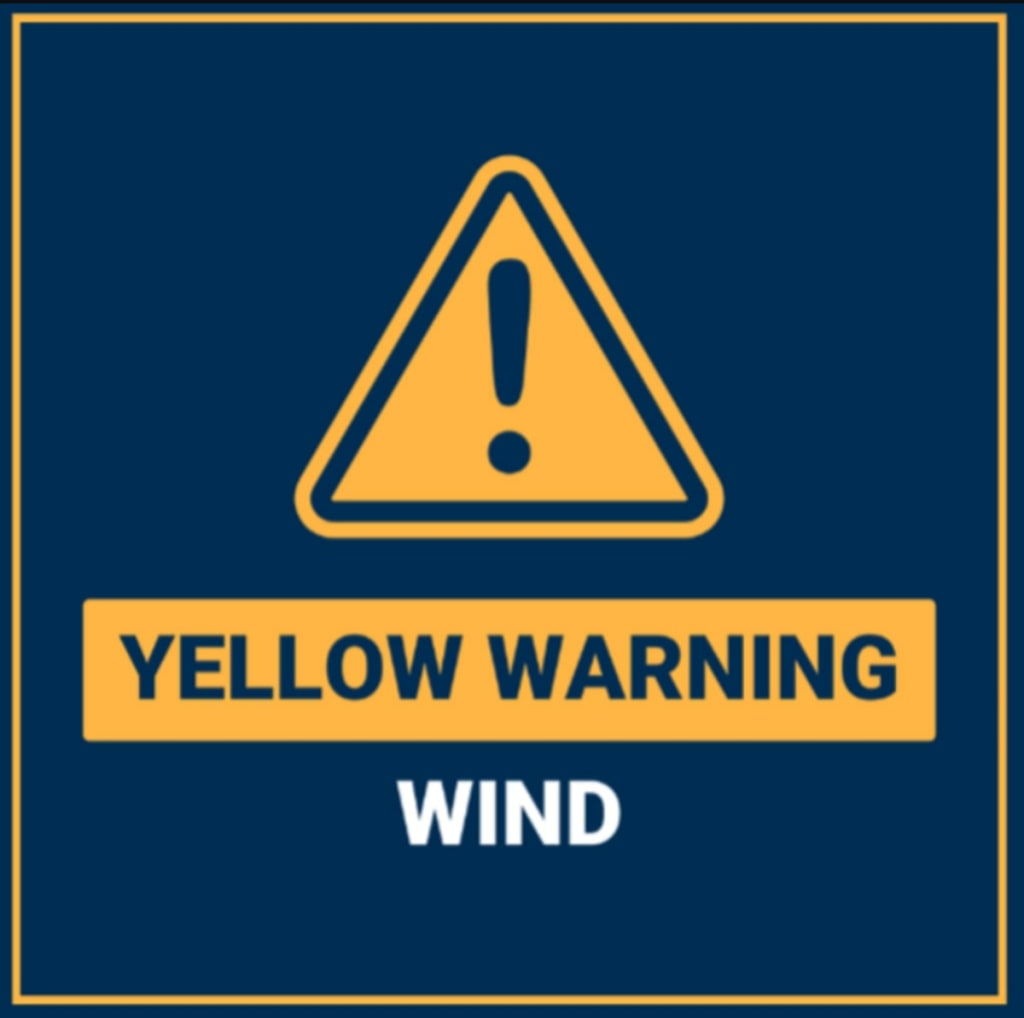
When weather authorities issue a Yellow Warning, it often triggers mixed reactions. Some people ignore it, assuming it’s not serious, while others panic, unsure of what it truly means. In reality, a yellow weather warning—especially one related to strong winds—is a crucial early alert designed to keep people informed, aware, and prepared. It is not a cause for fear, but a call for caution.
In recent years, climate patterns have become increasingly unpredictable. Strong winds, sudden storms, and extreme weather events are now more frequent across many regions. A yellow warning acts as an early signal that weather conditions could pose risks to daily life, travel, and infrastructure if precautions are not taken.
What Does a Yellow Warning Mean?
A yellow warning is typically issued by meteorological departments when weather conditions have the potential to cause disruption. In the case of strong winds, this may include gusts capable of knocking down tree branches, damaging property, disrupting transport services, or making outdoor activities risky.
Unlike amber or red warnings, a yellow alert does not mean severe danger is guaranteed. Instead, it means that people should stay informed and be ready to act if conditions worsen. The emphasis is on awareness and preparedness, not panic.
Why Wind Warnings Matter
Wind may seem less threatening compared to floods or earthquakes, but it can be equally dangerous. Strong gusts can:
Bring down power lines, causing outages
Damage roofs, fences, and temporary structures
Make driving hazardous, especially for high-sided vehicles
Disrupt flights, ferries, and public transport
Pose risks to pedestrians due to falling debris
In urban areas, loose objects such as signboards, construction materials, or even balcony furniture can become dangerous projectiles. In rural or coastal regions, high winds can impact farming, fishing, and transportation.
How Authorities Use Yellow Warnings
Weather agencies use a color-coded system to communicate risk clearly and quickly. A yellow warning serves as an early-stage alert, giving communities, local authorities, and emergency services time to prepare. It also encourages individuals to check forecasts more frequently and take sensible precautions.
This system is especially important in today’s fast-paced world, where timely information can prevent accidents and save lives. Yellow warnings are not meant to disrupt daily life unnecessarily but to promote responsible decision-making.
What You Should Do During a Yellow Wind Warning
While daily routines can usually continue, a few simple steps can make a big difference:
Stay informed: Check weather updates from official sources regularly.
Secure loose items: Garden furniture, bins, or outdoor decorations should be secured or moved indoors.
Travel with care: Be cautious when driving, especially on bridges or open roads.
Avoid unnecessary risks: Postpone outdoor activities if conditions worsen.
Look out for others: Elderly people, children, and those with mobility issues may need extra support.
These small actions help reduce risk and ensure community safety.
Climate Change and Increasing Weather Alerts
The growing frequency of yellow warnings also reflects a broader global issue—climate change. Rising global temperatures are contributing to more volatile weather patterns, including stronger winds, heavier rainfall, and unpredictable storms.
As climate challenges intensify, weather warnings are becoming a regular part of daily life rather than rare events. Understanding and respecting these alerts is essential in adapting to a changing environment.
A Message of Awareness, Not Alarm
It’s important to remember that a yellow warning is not a prediction of disaster. Instead, it is a reminder to stay alert and act responsibly. Ignoring such warnings can increase risks, while overreacting can cause unnecessary fear. The balance lies in awareness, preparation, and common sense.
By treating yellow warnings seriously—without panic—we can reduce harm, protect communities, and build resilience against unpredictable weather patterns.
Conclusion
A yellow wind warning is nature’s early reminder to slow down, stay alert, and make smart choices. In an era of changing climates and increasing weather extremes, these warnings play a vital role in public safety. Whether it’s securing your surroundings, adjusting travel plans, or simply staying informed, small actions can make a big difference.
When the wind demands our attention, listening can help protect lives, property, and peace of mind.
About the Creator
Muhammad Hassan
Muhammad Hassan | Content writer with 2 years of experience crafting engaging articles on world news, current affairs, and trending topics. I simplify complex stories to keep readers informed and connected.
Keep reading
More stories from Muhammad Hassan and writers in Earth and other communities.
GWR Confirms ‘Major Investment’ with Office Lease: What It Means for Plymouth and the South West
Great Western Railway (GWR) has confirmed a major long-term investment in Plymouth by securing a significant city-centre office lease close to the railway station. While the announcement may sound like a routine property deal on the surface, it actually signals something much bigger — a vote of confidence in the city, a boost for local regeneration, and a clear statement about the future direction of rail-led development in the South West.
By Muhammad Hassanabout 16 hours ago in Earth
Chameleon: Nature’s Master of Disguise
Few creatures in the animal kingdom capture the imagination quite like the chameleon. Known for its ability to change color, its slow, deliberate movements, and its incredible eyes that move independently, the chameleon is one of nature’s most extraordinary reptiles. These small but remarkable creatures have inspired scientists, photographers, and animal lovers for centuries.
By Aarif Lashariabout 22 hours ago in Earth
Oil Well Abandonment Services: Responsible Closure for Long-Term Environmental Safety
Oil and gas production is only one chapter in the life of a well. When extraction ends, what happens next is just as important as the energy once produced. Oil well abandonment services ensure that inactive wells are closed in a safe, controlled, and permanent manner, preventing environmental damage and protecting surrounding land for future use. 🌍
By andersenintusabout 10 hours ago in Earth
My New Book is Finally Here
My poetry collection Beautiful and Brutal Things is done. It's actually done and finally published over 270 pages. Over a year of my life went into this book. More than a year, really. Long days at my computer, sometimes seven days a week because I couldn't stop even when I probably should have. Then two months of editing that felt harder than the writing itself. But it's finished, and I'm still standing, and the book is real.
By Tim Carmichael3 days ago in BookClub




Comments
There are no comments for this story
Be the first to respond and start the conversation.