
Why Your Definition of “Recycling” is Probably Wrong
The word is misused to make recycling appear greener than it actually is. Ultimately, the goal is to produce more virgin plastic.

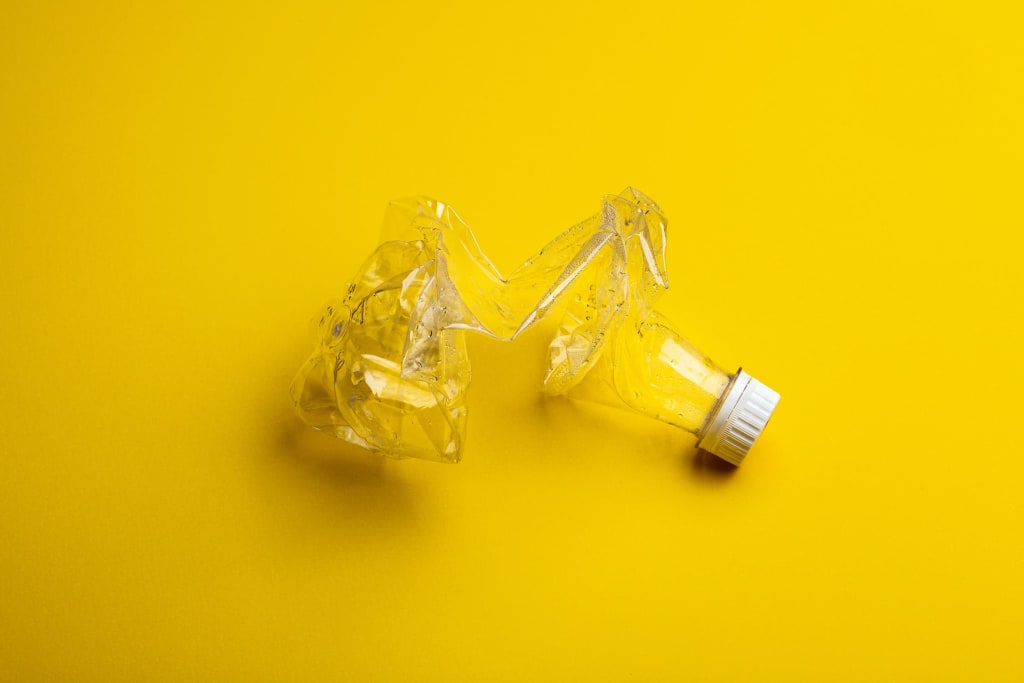
I used to have an idealized understanding of what recycling meant. But the more I learned about its various definitions, the more horrified I became.
I recently wrote about the misuse of the word “sustainable”, but I realized “recycling” is another commonly misunderstood term, especially in regards to plastics.
There’s a disconnect between what you think happens compared to what actually happens. The reason you hold this belief is not your fault. In fact, the plastics industry benefits from your misunderstanding.
Here’s the thing:
If you believe plastic recycling works, you will keep buying plastic. It’s as simple as that.
The most malicious part? Plastic producers have ALWAYS known that recycling plastic would not make financial sense. Below is a speech made in 1974 by an industry insider (according to NPR).
“There is serious doubt that [recycling plastic] can ever be made viable on an economic basis.”
Recycling was never designed to protect the environment. Instead, it was used to shift the responsibility of plastic collection onto consumers. If individuals are to blame, then plastic producers are free to operate without interference. That means more plastic…and more profits!
Below is a direct quote from Larry Thomas who used to be the President of the Society of the Plastics Industry (also from NPR):
“If the public thinks that recycling is working, then they’re not going to be as concerned about the environment.”
Even after reading those quotes, you may still cling to the idea that recycling is beneficial. I know, because I feel the same way. But as you will see, when the definition of “recycling” is used deceptively, it allows virgin (aka, “new”) plastic production to stay in business.
What you probably think recycling means
When you think of plastic recycling, this is probably what comes to mind:
A used plastic item gets turned into another plastic item of similar value and functionality. For example, a plastic bottle becomes a plastic bottle again.
Most people assume that recycling plastic is eco-friendly because it will help reduce the need for virgin plastic production. Honestly, that’s how it SHOULD be, but unfortunately, that’s not always the case.
Below are four ways companies and governments use the term “recycling” to mislead us into producing more plastic.
Fake Definition #1: Collection
Sometimes the term “recycled” actually means “collected for recycling.”
Why does this difference matter? Because an estimated 25% of materials collected for recycling are thrown away due to contamination. This contamination rate can increase for plastics, as is the case with PET bottles.
PET bottles (such as soda and water bottles) are typically easy to collect and recycle. And yet, a report from Zero Waste Europe found that 50% of PET bottles were lost after collection.
Just because a plastic item is collected for recycling doesn’t mean it will actually be recycled.
The following are different ways plastics can get contaminated, and therefore, thrown away:
- Soiled Materials: Unfortunately, most recyclers don’t have the capacity to wash their collected materials. Instead, it is cheaper to throw away soiled plastics, even if they are perfectly recyclable.
- Plastic Types: Like mixing water with oil, some plastics just don’t mix. Plastics that are incorrectly sorted can contaminate an entire batch of plastics.
- Low Quality: At the end of the day, recycling is a business and some plastics are just not valuable enough (or too difficult) to recycle, especially if they’ve been recycled once or twice before.
So why is there so much contamination? A lot of people recycle with good intentions. However, if you place something into the recycling bin that doesn’t belong there because you hope it can be repurposed, this is called “wishcycling”.
(Spoiler alert: just because used diapers contain plastic does NOT mean they are recyclable. And yes, this problem is more common than you think!)
It’s easy to point the finger at consumers, however, the average person is not educated on how to properly recycle plastics. The truth is, plastics are complicated and confusing, even for the experts. Until we resolve that problem, there will always be a large disparity between collection and actual recycling.
Fake Definition #2: Downcycling
The reason why we recycle plastic is to reduce our waste. We want new plastic items made out of old plastic items. And we expect those new plastic items to also be recyclable.
But the truth is, when plastics get recycled, many times they are actually downcycled.
Downcycling refers to repurposing plastic into another item of lesser value, lesser quality, and/or low recyclability.
Remember how 50% of PET bottles are lost after collection? Another 33% are processed into other PET products, including food containers and polyester clothing.
You may be wondering, isn’t repurposing plastic a good thing?
Sure, it’s better than throwing it away, but here are two major problems with downcycling:
- In the PET example, 33% is repurposed. That means 33% of PET plastic needs to be replaced with brand new PET plastic (in addition to the 50% of losses).
- Downcycled products are rarely recyclable. Once the downcycled item reaches its end of life, it is usually destined for the landfill.
And if this isn’t bad enough, consider this: ALL recycled products (downcycled or not), contribute to the production of new plastic. Most products that contain recycled plastic are rarely made with 100% recycled materials.
Why? Because plastic quality degrades each time it’s recycled. Virgin plastic needs to be used to help maintain the product’s structural integrity.
Fake Definition #3: Incineration
Something most people don’t realize is that plastic is made of oil.
The building blocks of plastic are made using byproducts of the oil industry. When oil, or any other type of fossil fuel, is burned, it emits carbon into the air. Excess carbon emissions in the atmosphere are major contributors to climate change.
Just like oil, plastic can be incinerated and used for energy, or it can be burned for disposal purposes. Of course, this means plastic incineration also emits carbon. But that’s not all.
Since plastic contains various chemicals, other harmful pollutants and toxins are released when the plastic is burned.
Germany is known for having some of the best recycling rates in the world. But it turns out their plastic recycling rate is so high because they count incineration as recycling. In fact, Germany incinerates over 60% of its plastic waste.
This is obviously problematic because burning plastic does not count as recycling plastic. Any plastic that is burned cannot be turned back into a plastic product, which means more new virgin plastic needs to be produced.
Fake Definition #4: Petrochemicals
Mechanical recycling is the most common method used to recycle plastics. This process involves shredding plastic into tiny flakes that are reheated and remolded into new products.
This process is the most cost-effective way to recycle, but the plastic’s strength and quality degrades each time. That’s why plastic can only be recycled a few times.
Chemical recycling, on the other hand, can break plastic down into its core building blocks, commonly referred to as monomers. These monomers can be turned into virgin-like plastic without any degraded quality.
Sounds great right? Well… there are a couple of issues to consider.
- First, plastic is made of oil. Although chemical recycling can be used to turn old plastic into new plastic, it can also be used to turn plastic back into oil. Most chemical “recycling” facilities are not recycling anything at all; they are just making more fossil fuels.
- Second, turning plastic back into its building blocks requires extreme heat. The process is both expensive and energy-intensive which is why it hasn’t scaled over the past decade.
Regardless of the energy needed to chemically recycle plastics, it is still considered recycling. However, if the plastic is turned back into oil and utilized as a fuel, then that plastic was not recycled. This means more plastic will be produced to replace the plastic that was turned into fuel.
Final Words
To recap, the term “recycling” can be used to refer to:
- Plastics that are collected, but then thrown away due to contamination. Resulting in more plastic production.
- Plastics that are downcycled into unrecyclable products. Resulting in more plastic production.
- Plastics that are incinerated. Resulting in more plastic production.
- Plastics that are turned back into oil. Resulting in more plastic production.
As you can see, the word “recycling” doesn’t mean what you think it means.
You are conditioned to think “recycling” means turning a plastic item back into a similar plastic item. But it is also used to hide the fact that more plastic is being produced (the opposite reason why we want to recycle in the first place!)
Companies and governments alike know there is a positive association with the word “recycling”, and therefore they will continue to use it for their own PR or financial gain.
After all, the more we believe in plastic recycling, the more we will buy and consume.
About the Creator
Certified Trash Talker
I'm here to talk trash (literally!) I expose hard truths about the waste and recycling industry and filter out the BS regarding sustainability, greenwashing, and environmental racism. Let's build a circular economy that works for EVERYONE.
Keep reading
More stories from Certified Trash Talker and writers in Earth and other communities.
I Don’t Think “Sustainability” Means What You Think it Means
Businesses are scrambling to earn your business. As consumers place more importance on environmental causes, corporations will adopt the latest relevant buzzwords including “sustainability”, “renewable”, “green”, and “eco-friendly”, just to name a few.
By Certified Trash Talker4 years ago in Earth
Judge Trump: Courtroom Battles and Public Questions Surrounding Donald Trump
Judge Trump: Courtroom Battles and Public Questions Surrounding Donald Trump Donald Trump’s name has been repeatedly linked with judges, courts, and major legal decisions over the past several years. As a former president and a high-profile political figure, Trump has faced intense legal scrutiny, making judges central figures in news coverage and public debate. The phrase “Judge Trump” has come to reflect public curiosity about the judges who oversee Trump-related cases, their rulings, and how these legal battles may affect his political future. Understanding this topic requires looking at the legal landscape, the role of the judiciary, and the most common questions people ask. Judge Trump: Courtroom Battles and Public Questions Surrounding Donald Trump
By America today 7 days ago in Earth
“Are You Dead?”: A New App Reflects the Loneliness of Young Chinese Living Alone
In China’s rapidly changing cities, living alone is no longer unusual—especially among young adults pursuing education, careers, and independence. But as solo living increases, so do concerns about isolation, safety, and what happens when no one is around to check in. Against this backdrop, a new app with a blunt, unsettling question—“Are you dead?”—has captured public attention and ignited debate. Despite its shocking name, the app is not designed to provoke fear. Instead, it aims to address a practical and emotional gap in modern urban life: how to ensure the well-being of people who live alone, and how technology is stepping in where traditional community networks have weakened. The Rise of Solo Living in China China has witnessed a dramatic shift in household structures over the past two decades. Urbanization, delayed marriage, rising housing costs, and changing cultural values have contributed to a growing number of single-person households, particularly among people in their 20s and 30s. For many young Chinese professionals, living alone represents freedom and self-reliance. It allows flexibility, privacy, and independence from family expectations. Yet this independence often comes with trade-offs: fewer daily social interactions, weaker neighborhood ties, and limited support in emergencies. In megacities like Beijing, Shanghai, and Shenzhen, it is increasingly common for neighbors not to know each other at all. In this environment, concerns about what happens if someone becomes ill, injured, or simply disappears from daily routines have become more pronounced. What the App Actually Does Despite its provocative name, the app’s purpose is surprisingly simple. It functions as a digital check-in system. Users set regular times to confirm they are okay—by tapping a notification or completing a brief check-in. If the user fails to respond after a certain period, the app automatically alerts designated contacts, such as friends, family members, or emergency responders. The stark question, “Are you dead?”, is intentionally designed to grab attention and prompt action. Developers argue that softer language is often ignored, while blunt phrasing cuts through digital noise and encourages consistent use. In essence, the app acts as a safety net, especially for people who live alone and may not have daily contact with others. Why Young People Are Downloading It The app’s popularity reflects deeper anxieties among young adults navigating modern life. Many users say they downloaded it not because they fear the worst every day, but because it provides peace of mind—both for themselves and for loved ones. For parents living far from their children, the app offers reassurance without constant phone calls. For users, it creates a sense of being quietly watched over, without sacrificing independence. Some users have also described the app as a form of emotional comfort. Even a routine notification can feel like a reminder that someone, somewhere, would notice if they vanished from daily life. A Name That Sparked Debate The app’s name has been its most controversial feature. Critics argue that the phrase “Are you dead?” is unnecessarily harsh and reflects a growing desensitization in digital culture. Others worry that such language could amplify anxiety rather than reduce it. Supporters, however, see the name as a reflection of reality rather than a provocation. In densely populated cities where people can go unnoticed for days or weeks, the question is uncomfortable—but relevant. They argue that avoiding blunt language does not eliminate the underlying problem of isolation. The debate highlights a broader tension in tech design: Should apps prioritize emotional sensitivity, or practical effectiveness—even if it makes people uncomfortable? Technology Filling a Social Gap The rise of this app points to a larger issue: technology increasingly compensates for weakened social structures. In the past, extended families, close-knit neighborhoods, and workplace communities naturally checked in on individuals. Today, those informal safety nets are often absent. Apps like this one are not just tools; they are symptoms of a society where digital solutions are replacing human presence. While convenient, this raises questions about whether technology is addressing the root causes of loneliness—or simply managing its consequences. Still, for many users, the app is not a replacement for relationships, but a supplement to modern life realities. Living Alone Does Not Mean Wanting to Be Alone An important takeaway from the app’s success is that living alone is not the same as wanting isolation. Many young Chinese adults value independence but still crave connection, security, and acknowledgment. The app’s routine check-ins, though minimal, provide a structured moment of contact. In a fast-paced, high-pressure environment, even small gestures of recognition can matter. This trend also reflects changing attitudes toward mental well-being and personal safety. Younger generations are more open to discussing vulnerability and using tools that previous generations might have dismissed. What This Says About Modern Urban Life The popularity of an app that asks such a stark question speaks volumes about the realities of contemporary urban living—not just in China, but globally. As cities grow larger and lives become more individualized, people are searching for new ways to ensure they are seen, remembered, and protected. The app’s success suggests that people are willing to engage with uncomfortable ideas if they address real needs. It also underscores the importance of designing technology that is honest about modern challenges, rather than masking them with euphemisms. Conclusion: A Wake-Up Call, Not a Warning While the phrase “Are you dead?” may sound alarming, the app behind it is less about fear and more about care. It reflects a generation navigating independence in a world where traditional support systems no longer function as they once did. Rather than signaling a morbid obsession, the app serves as a quiet reminder of something deeply human: the need to be noticed. In that sense, its blunt question is not about death at all—but about presence, connection, and the reassurance that someone would check if you were gone. As solo living continues to rise, tools like this app may become less shocking and more commonplace—symbols of how society adapts to changing ways of life in the digital age.
By Muhammad Hassan2 days ago in Earth
Miss Persephone's Manual to a Seemingly Ordinary Life
Miss Persephone was found at the dining table, her blue eyes swollen, her tears arriving and retreating like the tides of the ocean. Earlier that day, her family had visited her in the retirement home where she had lived for eight years. It was her eightieth birthday.
By Imola Tóth2 days ago in Fiction


Comments
There are no comments for this story
Be the first to respond and start the conversation.