
Why is there hardly any mention of the "ozone hole" anymore? Is it the lie of the century, or has it healed?
Is the "ozone hole" the lie of the century, or has it healed?

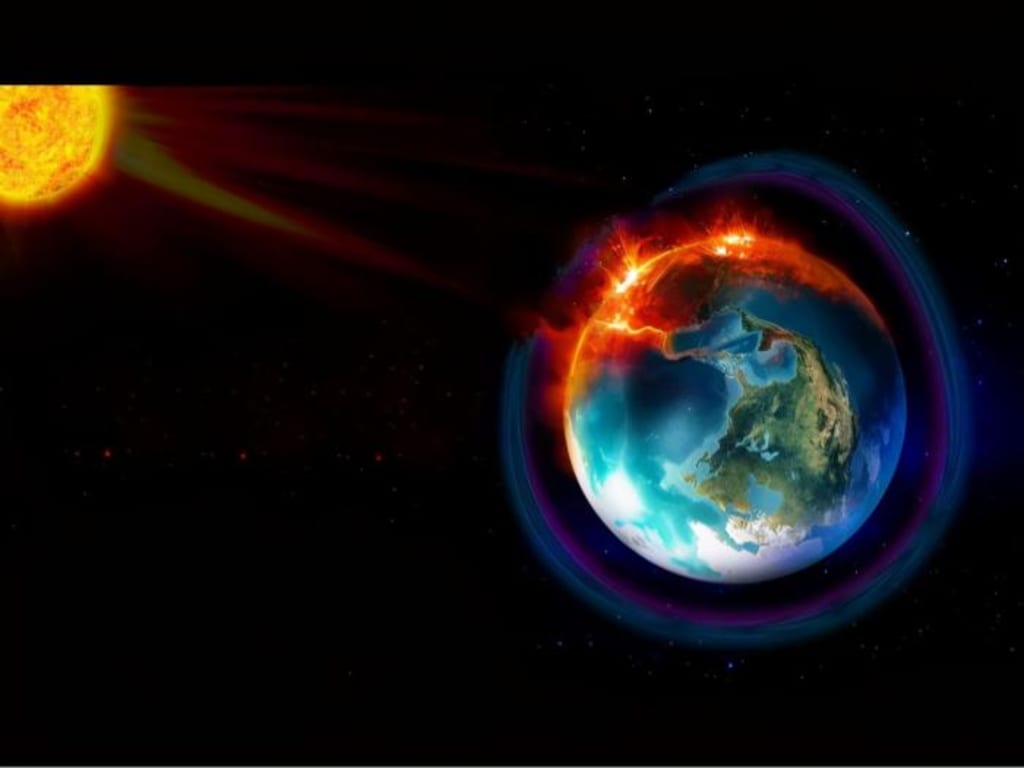
What was the most mentioned environmental issue in the late 20th and early 21st centuries? Probably the first thing that comes to most people's mind is only the greenhouse effect, while ignoring another issue that is also of great concern - the hole in the ozone layer.
At the beginning of the century, the ozone hole at the Earth's poles was written into textbooks, and the crisis facing the Earth's ozone layer seemed to have reached an urgent stage, and even began to threaten the survival of mankind.
But with the passage of time, the "ozone layer hole" this global disaster level event, somehow gradually forgotten, so that now almost no one to mention it, and even more directly do not know the existence of this matter.
Why would this bizarre situation occur? Is it because the hole has healed, or because it is simply a lie of the century? Let's read on.
What is the ozone layer?
Unlike what many people think, the ozone layer is not located in the outermost part of the Earth's atmosphere, but in the stratosphere, and in a sense, it is actually part of the stratosphere where ozone concentrations are high.
For all creatures on earth, the ozone layer is an essential thing because it can absorb ultraviolet rays below 306.3nm in sunlight, so that this part of the destructive ultraviolet rays cannot cause harm to surface creatures, like an umbrella to protect the earth's creatures to live and reproduce.
According to the report, the existence of the ozone layer will prevent at least 100 million cases of skin cancer and millions of eye diseases by the end of this century.
In addition to its primary protective role, the ozone layer also absorbs ultraviolet rays from the sun and converts them into heat to heat the atmosphere, which has a very important impact and helps the overall circulation of the atmosphere.
How such an important ozone layer was formed
Hundreds of millions of years ago, there was actually no ozone layer on the earth, so the earth's surface would be exposed to intense ultraviolet radiation, which resulted in almost no life existing on the surface, and only a small amount of life surviving in the water, because water can absorb ultraviolet rays.
Later, as plants emerged, they continued to absorb carbon dioxide from the atmosphere, converting it into oxygen and diffusing it into the air through photosynthesis.
This oxygen is "struck" by ultraviolet light in the upper layers of the atmosphere and turns into two atoms, which then merge with the unstruck oxygen to produce ozone (O₃). More than 90% of the ozone in the atmosphere is formed in this way.
Is the ozone hole real?
It is true, and not the "lie of the century". Since 1970, scientists have found that the ozone layer over Antarctica thins rapidly during certain seasons, creating a so-called "hole" based on measurements from the Total Ozone Observing Satellite (TOMS).
In 1985, the thinning of the ozone layer over Antarctica even reached a staggering 70 percent. This situation is very alarming to scientists because the ozone layer is extremely important to surface life, and if it has problems causing high UV intensity at the surface, it will cause very serious health and environmental problems.
For example, excessive UV rays can destroy the human immune system, causing various disorders in the autoimmune system and increasing the risk of developing malignant diseases.
In addition, the leaves of plants will also become smaller due to excessive UV light, which will directly affect their photosynthesis, so that the output of the plant is drastically reduced. This will directly affect their photosynthesis, resulting in a drastic reduction in plant output. In parallel with the reduction in output, UV light will also affect the quality of output. According to relevant studies, for every 20% reduction in the thickness of the ozone layer, global soybean production will be reduced by 20% to 25%.
How does the ozone hole form?
The formation and expansion of the ozone hole can be divided into natural and man-made causes. First of all, analyzing from the natural point of view, ozone consists of 3 oxygen atoms and the area with the largest concentration is usually located 20~25 km from the ground.
Ozone is a very chemically unstable substance that is able to undergo some kind of chemical reaction in the ozone layer, thus breaking down the ozone into oxygen molecules and oxygen atoms and thus destroying the ozone layer.
In addition, from the man-made point of view, human beings use a lot of foaming agents, fire extinguishers, insecticides, refrigerants and so on in their lives, and the process of using these products will produce chlorofluorocarbons, which is often referred to as Freon.
Chlorofluorocarbons are discharged into the air and will rise to the top of the ozone layer, where ultraviolet light will break down the chlorine atoms, and the chlorine atoms that are broken down will plunder the oxygen atoms in the ozone, making the ozone turn into oxygen and eventually lose the ability to absorb ultraviolet light.
In addition, the unrestricted use of fertilizers in agriculture, which can produce large amounts of nitrogen oxide, is also one of the main causes of the thinning of the ozone layer. This shows that the culprit of the hole in the ozone layer is actually man himself.
After realizing that HCFCs can cause irreversible damage to the ozone layer, 45 countries signed the Montreal Protocol in 1987 to avoid and control the continued damage to the ozone layer caused by HCFCs, and also codified the importance of the ozone layer to mankind in textbooks that have influenced a generation.
Why is there hardly any mention of the ozone hole anymore?
The reason is simple: it's no longer a threat. The ozone hole in the Arctic has completely "healed" and the larger hole in the Antarctic is slowly recovering, thanks to a joint human effort to "help themselves".
Note that the hole over the Antarctic region is not completely "healed", its size is still changing with the seasons, for example, in July and August each year will begin to increase, until about October to reach the limit, and then become smaller again.
Of course, the ozone hole in the Antarctic is much smaller than it was decades ago when chlorofluorocarbons were abused. According to scientists' prediction, the ozone layer over Antarctica should be able to recover to the 1980 level in 2060~2075, and there is no accurate answer as to when it will be fully recovered.
About the Creator
gaut chen
share some science stories
The Plant That Thrives Without Water, Loves Heat, and Turns Any Yard Into a Butterfly Haven
As climate change reshapes weather patterns and water scarcity becomes a growing concern, gardeners around the world are rethinking what they plant. The era of thirsty lawns and delicate flowers is slowly giving way to a new generation of resilient, eco-friendly greenery. Among these standout survivors is a remarkable plant that thrives without regular watering, flourishes in intense heat, and transforms ordinary yards into vibrant butterfly sanctuaries. This plant is commonly known as butterfly weed (Asclepias tuberosa), a hardy native species that is redefining sustainable gardening. Built for Heat and Drought Butterfly weed is naturally adapted to harsh conditions. Native to dry prairies and open grasslands, it has evolved deep roots that allow it to access moisture far below the surface. Once established, it requires little to no supplemental watering, even during prolonged heatwaves. Unlike traditional garden plants that wilt under the sun, butterfly weed actually thrives in full sunlight. Temperatures that scorch lawns and stress ornamentals are exactly what this plant prefers. Its thick, narrow leaves minimize water loss, while its sturdy stems resist wind and heat damage. For homeowners living in drought-prone or arid regions, this makes butterfly weed an ideal solution—beautiful without being demanding. A Magnet for Butterflies and Pollinators What truly sets butterfly weed apart is its powerful role in supporting pollinators. Its bright orange, yellow, or red flower clusters are rich in nectar, attracting a wide range of butterflies, bees, and other beneficial insects. Most notably, butterfly weed is a critical host plant for monarch butterflies. Monarchs lay their eggs exclusively on milkweed species, and butterfly weed provides both food and shelter for their caterpillars. With monarch populations declining due to habitat loss and pesticide use, planting butterfly weed can make a real difference. Beyond monarchs, the plant also draws swallowtails, painted ladies, and native bees, turning even a small yard into a buzzing ecosystem. Low Maintenance, High Impact One of the biggest appeals of butterfly weed is how little effort it requires. After the first growing season, maintenance is minimal. It doesn’t need frequent pruning, fertilizing, or pest control. In fact, overwatering or rich soil can actually harm it. It grows well in poor, sandy, or rocky soil—conditions that many gardeners struggle with. Once planted, it establishes itself slowly but steadily, returning year after year as a reliable perennial. This makes it perfect for busy homeowners, beginners, or anyone looking to reduce water bills and gardening workload without sacrificing visual appeal. Beauty With a Purpose Butterfly weed proves that sustainable gardening doesn’t mean compromising on aesthetics. Its vivid flowers bloom for weeks during summer, creating bold color contrasts in landscapes that might otherwise look dry or dull. It pairs well with ornamental grasses, lavender, and other drought-tolerant plants, making it a favorite in modern xeriscaping designs. Whether planted in borders, wildflower gardens, or urban yards, it brings both structure and color. Unlike invasive ornamentals, butterfly weed coexists peacefully with native plants, strengthening local ecosystems rather than disrupting them. A Climate-Smart Choice As heatwaves become more frequent and water restrictions more common, plants like butterfly weed represent the future of gardening. They reduce dependence on irrigation, support wildlife, and help landscapes remain resilient under changing conditions. By choosing drought-tolerant, native species, gardeners can actively participate in climate adaptation—one plant at a time. Butterfly weed, in particular, shows how small choices can have wide-reaching environmental benefits. How to Grow It Successfully Growing butterfly weed is straightforward. It prefers full sun and well-drained soil. Seeds can be sown directly in the ground, though patience is key—the plant focuses on root development in its first year before producing abundant blooms. Once established, it requires little care. Avoid fertilizers and heavy mulching, and let nature do the rest. In return, the plant will reward you with years of color and life. Final Thoughts The plant that thrives without water, loves heat, and turns any yard into a butterfly haven is more than just a gardening trend—it’s a symbol of a smarter, more sustainable relationship with nature. Butterfly weed proves that beauty and resilience can go hand in hand. In a world facing rising temperatures and shrinking resources, it offers a hopeful reminder: sometimes, the toughest plants create the most vibrant life.
By Fiaz Ahmed Brohia day ago in Earth
TODAY’S WEATHER NEWS ACROSS THE UNITED STATES WHAT AMERICANS SHOULD EXPECT RIGHT NOW
TODAY’S WEATHER NEWS ACROSS THE UNITED STATES WHAT AMERICANS SHOULD EXPECT RIGHT NOW Weather conditions continue to be one of the most discussed daily topics across the United States, especially as seasonal transitions bring noticeable changes in temperature, storms, and regional weather patterns. Today’s weather reflects a mix of warming trends, lingering cold pockets, and active systems affecting different parts of the country. From the West Coast to the East Coast, Americans are paying close attention to how temperatures will feel, whether rain or snow is expected, and how conditions may impact daily routines.
By America today a day ago in Earth
The Devil's Cut
“Comrade, finally you’re awake.” The voice was smooth, sensual. A flickering incandescent bar was all that lit the white, sterile room. All Vladimir remembered was everything going black. He tried to move his arms and found them strapped to the gurney.
By Matthew J. Fromm6 days ago in Fiction


Comments
There are no comments for this story
Be the first to respond and start the conversation.