

The 1980s were a time of great concern for the world, as a rapidly expanding hole in the ozone layer threatened life on Earth. The ozone layer, composed of ozone molecules dispersed in the stratosphere, absorbs about 98% of the Sun’s ultraviolet radiation, protecting plant and animal DNA from damage. However, two chemists, Mario Molina and Sherwood Rowland, discovered in the early 1970s that widely used chemicals called chlorofluorocarbons, or CFCs, could upset the delicate balance of the ozone layer.
CFCs were developed in the 1920s by US-based corporations as coolants for refrigerators. They were non-flammable, non-toxic, and made great propellants, foaming agents, and fire-retardants, making them a multi-billion dollar per year industry. However, Molina and Rowland demonstrated that in the stratosphere, CFCs are broken apart by UV light, releasing chlorine atoms that react with ozone, destroying it faster than it can be replenished. A single chlorine atom can destroy thousands of ozone molecules before finally reacting with something else and forming a stable molecule.
Despite initial estimates that CFCs could reduce ozone concentrations by 7% within 60 years, it became clear by 1985 that ozone depletion, especially over Antarctica, was happening much faster. Here, the extremely cold temperatures and unique structure of Antarctic clouds accelerated ozone loss. Scientists stationed in Antarctica noticed a massive drop in overhead ozone occurring every spring. Satellite data revealed the vast extent of these losses, and chemical tests confirmed that the cause was unquestionably CFCs.
NASA released visualizations of the ozone hole, which were broadcast around the world and captured public attention. If ozone depletion continued, rates of skin cancer would skyrocket, and global agricultural production would plummet, making plants less productive and more susceptible to disease. Entire ecosystems would collapse, and the future of life on Earth was at stake. However, many politicians disagreed about what to do, weighing immediate economic concerns over long-term ones.
The fight to ban CFCs found two unlikely allies in US President Ronald Reagan and UK Prime Minister Margaret Thatcher. Despite their general opposition to government regulation, Reagan and Thatcher recognized the need for immediate action. The US and UK, along with Canada, Norway, Sweden, and Finland, led calls for an international ban on CFCs. In 1987, representatives signed the Montreal Protocol, requiring the rapid phasing out of CFCs and creating a fund to assist Global South countries in obtaining affordable, non-ozone depleting alternatives. The Montreal Protocol was later ratified by every country on Earth, making it the only treaty in history to achieve this.
In 1995, Molina, Rowland, and their Dutch colleague Paul Crutzen were jointly awarded the Nobel Prize in Chemistry. As the use of CFCs declined, the ozone hole began shrinking and is predicted to disappear entirely by 2070. However, the alternatives that replaced CFCs – hydrofluorocarbons, or HFCs – are also potent greenhouse gases and are contributing to climate change. While generally less potent than CFCs, HFCs still trap more heat than carbon dioxide.
In 2016, the Kigali Amendment was added to the Montreal Protocol, calling for an 85% cut in global HFCs by 2047. This alone could avoid up to 0.5°C of global warming by the end of the century. Today, as the world faces the existential threat of climate change, the Montreal Protocol serves as a model for decisive global cooperation needed to combat it. The question is, what will it take for us to come together again?
The Montreal Protocol is a remarkable achievement that demonstrates the power of science, international cooperation, and policy-making to address pressing environmental problems. As the world continues to grapple with climate change and other environmental challenges, the lessons of the Montreal Protocol remain as relevant and important as ever.
About the Creator
Heatwave Warnings Across Australia as Millions Celebrate National Day
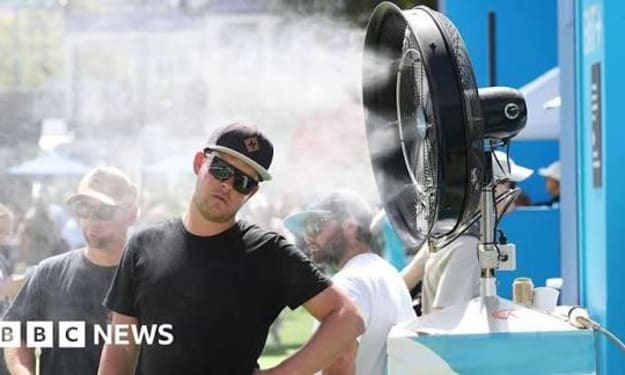
Scorching temperatures challenge celebrations as authorities urge caution As Australia prepares to celebrate its National Day, millions of citizens are facing an unexpected challenge: extreme heat across large parts of the country. Weather authorities have issued heatwave warnings, urging residents to take precautions while enjoying holiday events, including outdoor gatherings, parades, and fireworks displays. The timing is unfortunate, as Australia typically celebrates its national day with widespread outdoor festivities. This year, however, soaring temperatures and record-breaking conditions are forcing people to reconsider how they celebrate safely. Heatwave Conditions Across the Country Meteorologists report that much of southeastern and central Australia is experiencing temperatures well above the seasonal average. Cities such as Sydney, Melbourne, and Canberra are seeing daytime highs reaching 40°C (104°F) or more. The Australian Bureau of Meteorology has classified the conditions as a significant heatwave, noting that: High humidity combined with extreme heat can pose health risks. Urban areas are particularly vulnerable due to the heat island effect, which makes cities hotter than surrounding rural regions. Fire risks are elevated in many regions due to dry vegetation. Authorities are advising the public to stay hydrated, avoid prolonged sun exposure, and check on vulnerable family members, especially the elderly and children. Impact on National Day Celebrations Australia Day is typically marked by community events, barbecues, concerts, and outdoor activities. The heatwave, however, is forcing organizers to make adjustments: Some fireworks shows have been rescheduled or canceled in high-risk areas. Public swimming pools and beaches are seeing higher attendance as people try to cool off safely. Local governments are opening cooling centers for residents who may not have access to air conditioning. Despite these precautions, officials warn that large outdoor gatherings could be dangerous if people do not follow heat safety guidelines. Health Risks of Extreme Heat Heatwaves are not just inconvenient; they can be serious health hazards. Common risks include: Heat exhaustion, which can cause dizziness, nausea, and fainting Heatstroke, a life-threatening condition if not treated promptly Dehydration, which can lead to kidney issues or worsen chronic conditions Medical professionals emphasize the importance of limiting strenuous outdoor activities, wearing light, breathable clothing, and drinking plenty of water. Even short exposure to extreme temperatures can be harmful, especially for vulnerable populations. Environmental and Safety Concerns The heatwave is also raising concerns about wildfires, particularly in rural and bushland areas. Dry conditions combined with strong winds make fires more likely to start and spread quickly. Firefighters are on high alert, and authorities are warning residents to follow fire safety regulations, including restrictions on open flames. Additionally, transportation authorities are monitoring road and rail infrastructure, as extreme heat can cause asphalt to soften and rails to expand, posing potential hazards for commuters. Government Response and Precautions Australian authorities are taking a proactive approach to minimize risks during the heatwave: Emergency services have issued heatwave alerts and are coordinating response plans. Public health campaigns are educating citizens about heat safety and hydration. Local councils are distributing water and cooling options for communities in urban heat islands. Authorities also encourage residents to check on neighbors, particularly the elderly, who may be at higher risk during prolonged heatwaves. The Bigger Picture: Climate Change and Heatwaves Experts say that heatwaves like this are becoming more frequent and intense due to climate change. Rising global temperatures increase the likelihood of extreme heat events, which can disrupt daily life, public health, and critical infrastructure. Australia, with its vast and diverse climate, is particularly vulnerable. Long-term projections suggest that more frequent, longer-lasting heatwaves could become a norm, making public awareness and preparedness even more crucial. Tips for Staying Safe During the Heatwave Officials and health experts recommend several strategies for staying safe: Stay indoors during peak heat hours (usually 11 a.m. to 4 p.m.). Use fans or air conditioning to maintain a cool environment. Drink water regularly; avoid alcohol and caffeinated beverages that can increase dehydration. Wear lightweight, loose-fitting clothing and use sunblock if venturing outdoors. Check on neighbors and family members, especially children and the elderly. By following these measures, Australians can still enjoy National Day celebrations safely despite extreme weather. Conclusion Australia Day is a time for community, celebration, and reflection, but this year’s heatwave reminds citizens of the power of nature and the importance of preparedness. With millions expected to participate in festivities, officials urge the public to balance celebration with safety. While the extreme temperatures may create challenges, Australians have shown resilience in the past. By following guidelines and taking precautions, communities can enjoy the national holiday without compromising health or safety, proving once again that preparation and awareness are key in the face of extreme weather.
By Fiaz Ahmed about 13 hours ago in Earth
Greenland’s Strategic Position in Seven Maps: Why Trump Wants the Island
In 2019, former U.S. President Donald Trump made waves by suggesting the United States should buy Greenland from Denmark. While his offer was quickly dismissed by the Danish government, the incident sparked a wider discussion about the geopolitical and strategic significance of the island. Why, out of all the territories in the world, would a major world power be so keen to acquire this cold, remote landmass?
By Muhammad Hassan5 days ago in Earth
📢 Raise Your Voice Thread: 01/22/2026
Our “Raise Your Voice Threads” are hosted most alternating Thursdays at 12PM ET to offer creators more avenues to uncover exceptional stories on Vocal. As we are continuously searching for fresh creators and inspiring stories, this thread provides an opportunity to exchange and discuss the stories that have moved and motivated us on Vocal.
By Raise Your Voice by Vocal4 days ago in Resources



Comments
There are no comments for this story
Be the first to respond and start the conversation.