
Watch out! The high temperature will make the microplastics in your bowl more turbulent.
Li Yunzhu, an environmental engineer at Trinity College Dublin in Berlin, used to microwave his lunch in a plastic lunch box every day. But recently he dared not do so again because he and his colleagues worked together to find that plastic food containers, including kettles and baby bottles, discharge large amounts of tiny plastic particles (microplastics for short) into hot water.

According to the team's calculations, parents who hold baby milk powder in plastic bottles and soak and shake in hot water may unwittingly feed their children more than a million microplastic particles a day.
Just as everyone ingests soil or dust, researchers are not sure whether ingestion of microplastics is harmful. Tamara Galloway, an ecotoxicologist at the University of Exeter (the University of Exeter) in the UK, thinks it is not a big problem: "most of the microplastics you ingest will pass directly through your intestines and then excreted." But Li Yunzhu has reservations about this, saying that the potential risk of microplastics may be high.
For nearly 20 years, researchers have been worried about the potential harm of microplastics, but most of the research has only focused on the risks of microplastics to marine life. In 2004, Richard Thompson, a marine ecologist at the University of Plymouth (University of Plymouth), defined plastics smaller than 5mm as "microplastics" after his team found small particles of plastic on many beaches in the UK.
Since then, scientists have found microplastics everywhere they go, the deep sea, snow in the Arctic and ice in the South Pole, shellfish, salt, drinking water and beer, drifting in the air or falling over mountains and cities with rain. These tiny fragments may take decades or more to fully degrade. "to be sure, almost all species are exposed to some degree," Galloway said.
The earliest studies of microplastics focused on beads found in personal care products, particles of raw materials used to produce plastics, and fragments slowly eroding from discarded bottles and other large fragments. All of this flows into rivers and oceans, and in 2015, oceanographers estimated that 15 to 51 trillion microplastic particles were floating in the world's surface water. Since then, more and more sources of microplastics have been identified, such as plastic particles cut off from car tires on the road and synthetic microfibers in clothing. These particles spread between the sea and land, and people are likely to inhale or eat them no matter where they live.
The workers are cleaning up the plastic on the beach
Figure | Tom Camacho/Science Photo Library
Albert Koelmans, an environmental scientist at the University of Wageningen (Wageningen University) in the Netherlands, reported in March that children and adults may consume tens to 100, 000 microplastics a day, according to some surveys of microplastics in air, water, salt and seafood. He and his team believe that in a worst-case scenario, people may consume a total amount of microplastic the size of a credit card each year.
Assessing the effects of plastic particles on people or animals is the other half of the puzzle, which is easier said than done. More than 100 laboratory studies have exposed animals (mainly aquatic organisms) to microplastic environments and found that exposure may lead to reduced reproductive efficiency or physical damage to some organisms. However, this is difficult to explain clearly, because microplastics have a variety of shapes, sizes and chemical composition, and the materials used in many studies are very different from those found in the environment.
One thing is clear-the problem of microplastics will only get worse. The world produces nearly 400 million tons of plastic every year, and plastic production is expected to more than double by 2050. Even if all plastic production is miraculously stopped tomorrow, existing plastics in landfills and the environment (estimated at about 5 billion tons) will continue to degrade into tiny fragments that cannot be collected or cleaned up, increasing the content of microplastics.
How do microplastics cause harm?
Researchers have several theories about how microplastics cause harm.
If they are small enough to enter cells or tissues, they may irritate our bodies because they are foreign bodies-such as long, thin asbestos fibers, which can inflame lung tissue and cause cancer. This is potentially similar to air pollution: PM10 and PM2.5 (particles smaller than 10 μ m and 2.5 μ m) from power plants, car exhaust and forest fires, which deposit in the respiratory tract and lungs and can damage the respiratory system at high concentrations. Of course, Koelmans points out that the concentration of PM10 is still thousands of times higher than the concentration of microplastics found in the air.
Larger microplastics are more likely to have a negative impact on us through chemical toxicity. Manufacturers add compounds such as plasticizers, stabilizers and pigments to plastics, many of which are harmful, such as disrupting the endocrine (hormonal) system. However, whether ingestion of microplastics significantly increases our exposure to these chemicals depends on the speed at which they leave the plastic particles and the speed at which they spread through our bodies, and such research is still in its infancy.
Another idea is that microplastics in the environment may absorb chemical pollutants and then transport them to animals that eat contaminated microplastics. Jennifer Lynch, a marine biologist at the National Institute of Standards and Technology (US National Institute of Standards and Technology in Gaithersburg, Maryland), has a theory. He believes that animals absorb pollutants from food and water anyway, and if plastic particles are not contaminated when swallowed, they may even help remove pollutants from animal internal organs. At present, researchers are still unable to agree on the major issue of whether microplastics carry pollutants.
However, the most common harm to marine life may be that swallowing plastic fragments with no nutritional value prevents them from ingesting other essential foods to survive. In 2020, Lynch, director of the Marine debris Research Center (Marine Debris Research at Hawaii Pacific University in Honolulu) at the University of the Pacific Hawaii in Honolulu, conducted an autopsy on sea turtles found dead on the beach, examining plastic in their internal organs and chemicals in their tissues. Her team conducted a series of analyses of nine hawksbill turtle larvae under three weeks old and found that microplastics hindered the growth of young sea turtles. One of the turtle larvae is only 9 centimeters long, while there are 42 pieces of plastic in the gastrointestinal tract, mostly microplastics, which may prevent it from eating more food to maintain its growth.
The 9cm baby sea turtle studied by Lynch's team and the plastic particles in its body
Figure | Jennifer Lynch
Temperature is the key to reduce the intake of microplastics
At present, even the most leading research has not directly examined the effects of microplastics on the human body. The only available research is to rely on laboratory experiments to expose cells, human tissues, mice, rats and other animals to microplastics. For example, in one study, mice fed large amounts of microplastics caused inflammation of the small intestine; in two other studies, mice exposed to microplastics had fewer sperm and fewer cubs than those in the control group. Some in vitro studies on human cells or tissues have also shown the toxicity of microplastics.
However, as with marine studies, it is not clear how these effects relate to the concentration of plastic exposed to mice or humans. Most studies use polystyrene balls, which does not represent the diversity of microplastics that people consume in real life. At the same time, the researchers also said that the current research is more in vitro research, and it can not be inferred from the effects of microplastics on some tissues that it will lead to health problems of the whole animal.
One of the questions surrounding risk is whether microplastics remain in the body and accumulate in some tissues. Studies in mice have found that microplastics about 5 μ m in diameter can be left in the intestines or reach the liver. Based on limited experimental data o
About the Creator
Inside GM’s New World Headquarters
Stepping inside General Motors’ new World Headquarters feels less like entering a traditional corporate office and more like walking through a carefully curated museum of American innovation. This is not just a place where executives meet and engineers design the future of mobility—it is a physical storytelling space, blending modernized midcentury design with artifacts, surprises, and subtle nods to GM’s long-standing role in shaping American culture. GM’s headquarters reimagines what a legacy company’s home can be in the 21st century. Instead of erasing the past to appear modern, GM has chosen a more thoughtful approach: honoring its roots while boldly looking ahead. The result is a workplace that feels timeless, inspiring, and unmistakably American. A Midcentury Foundation, Reimagined for Today Midcentury modern design has long been associated with optimism, functionality, and clean lines—qualities that align closely with GM’s golden age of automotive innovation. Inside the new headquarters, those principles are modernized rather than copied outright. Warm wood tones, open sightlines, and minimalist furnishings create a sense of calm and clarity. Large windows flood spaces with natural light, while carefully selected textures—stone, metal, and glass—strike a balance between comfort and precision. The design feels intentional, not flashy, proving that restraint can be just as powerful as spectacle. Rather than overwhelming visitors with branding, GM allows the architecture and materials to speak for themselves. The space communicates confidence: this is a company that knows who it is and doesn’t need to shout. Artifacts That Tell a Living Story One of the most striking aspects of GM’s headquarters is how seamlessly history is woven into everyday spaces. Instead of confining artifacts to a single exhibit room, they are placed throughout the building—quiet reminders of where GM has been and how far it has come. Vintage sketches, classic badges, early advertising materials, and scale models of iconic vehicles appear in hallways, meeting rooms, and communal areas. These artifacts are not presented as relics of a bygone era but as milestones in an ongoing journey. For employees, this daily exposure reinforces a sense of purpose and continuity. For visitors, it offers an immediate understanding of GM’s influence on design, industry, and American life. Every artifact feels carefully chosen, telling a story without overwhelming the space. Surprises Around Every Corner What truly sets GM’s new headquarters apart is its sense of discovery. The building rewards curiosity. A casual walk down a corridor might reveal a concept car display tucked into an unexpected corner or a wall featuring experimental materials being tested for future vehicles. Some spaces feel almost playful—subtle lighting shifts, interactive displays, or unexpected art installations break the formality typically associated with corporate environments. These surprises are intentional. They encourage exploration, creativity, and conversation, reminding everyone inside that innovation thrives when curiosity is nurtured. This approach reflects a broader shift in workplace philosophy. GM is no longer just a manufacturer—it is a technology-driven mobility company. The headquarters mirrors that evolution, blending seriousness of purpose with a sense of imagination. Designed for Collaboration, Not Hierarchy Gone are the rigid layouts that once defined corporate power structures. GM’s headquarters emphasizes openness and collaboration. Flexible workspaces, shared lounges, and transparent meeting rooms encourage interaction across teams and departments. This design choice aligns with the company’s push toward cross-functional thinking—essential in an era defined by electric vehicles, software integration, and autonomous technology. The physical environment supports this mindset, making it easier for ideas to move freely. Importantly, the space never feels chaotic. Zones are thoughtfully planned to balance collaboration with focus, offering quiet areas for deep work alongside energetic hubs for brainstorming and discussion. Sustainability as a Silent Statement Sustainability plays a quiet but significant role in the headquarters’ design. Energy-efficient systems, responsible material choices, and adaptive reuse strategies reflect GM’s broader commitment to a more sustainable future. Rather than advertising these efforts with bold signage, GM integrates them seamlessly into the building’s functionality. This understated approach reinforces authenticity—sustainability is not a marketing feature here, but a core value embedded in how the space operates. A Reflection of an Evolving Brand GM’s new world headquarters is more than an office—it is a brand statement. It communicates evolution without denial of history, innovation without arrogance, and ambition grounded in experience. By embracing modernized midcentury design, GM pays homage to an era when American industry believed deeply in progress. By incorporating artifacts and surprises, it acknowledges that its past still matters. And by designing for collaboration and sustainability, it signals where the company is headed next. This balance is not easy to achieve, yet GM manages it with remarkable clarity. Why This Headquarters Matters In a time when many companies struggle to redefine themselves, GM’s headquarters offers a compelling lesson: transformation does not require abandoning identity. Instead, it can be achieved by reinterpreting it. For employees, the space fosters pride and inspiration. For partners and visitors, it offers transparency and trust. For the broader public, it stands as a reminder that American icons can evolve without losing their soul. GM’s new world headquarters is not just a building—it is a narrative, told through design, history, and thoughtful surprises. It proves that when architecture aligns with values, a workplace can become a powerful symbol of where a company has been and where it is boldly going next.
By Muhammad Hassan7 days ago in Earth
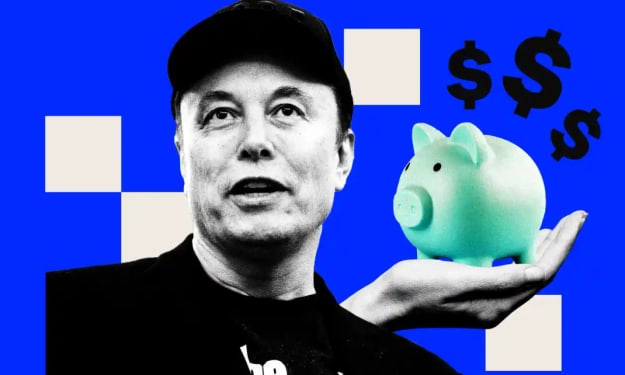
Elon Musk Says Retirement Savings “Won’t Matter” in 20 Years—Here’s What Experts Think
Recently, Elon Musk sparked a heated debate on social media with a bold claim: in 20 years, traditional retirement savings “won’t matter.” The Tesla and SpaceX CEO suggested that the way people think about money and retirement today might be completely obsolete in a couple of decades. As usual, Musk’s statements are equal parts provocative and visionary, leaving many wondering whether they should rethink their financial plans entirely. To get clarity, we reached out to seven personal finance and AI experts to hear their thoughts on Musk’s prediction. Their insights provide a mix of caution, optimism, and futuristic thinking. 1. The Case for Obsolescence: AI and Automation AI strategist Dr. Karen Liu believes Musk isn’t exaggerating when he talks about the diminishing importance of retirement savings. “If AI and automation continue at the current pace, many traditional jobs could disappear,” she explains. “By 2046, people might earn income from AI-driven ventures, digital assets, or royalties rather than a 9-to-5 paycheck. In that case, the way we save for retirement could indeed look very different.” She emphasizes that new financial models might emerge, such as universal basic income (UBI) or AI-managed wealth portfolios, making conventional retirement accounts less critical. “People might no longer need 401(k)s or IRAs in the same way we do now,” she adds. 2. The Human Factor: Some Things Don’t Change Personal finance advisor Marcus Bell takes a more conservative view. “Even if the economy changes drastically, money management skills won’t be irrelevant,” he says. “Musk may be right that retirement savings as we know them may evolve, but having a financial cushion will always matter. Emergencies, healthcare costs, and life changes won’t disappear.” Bell suggests a hybrid approach: continue contributing to traditional retirement accounts while exploring alternative investments like digital currencies, AI-managed funds, or entrepreneurial ventures. 3. Cryptocurrency and the Digital Asset Revolution Crypto expert Priya Desai sees Musk’s comment as a nod toward the rise of digital assets. “By 2046, much of personal wealth may reside in cryptocurrencies, tokenized real estate, and NFTs rather than bank accounts or pensions,” she says. Desai believes that blockchain technology could redefine ownership and wealth accumulation, making traditional retirement savings less central. However, she cautions: “Digital assets are highly volatile. While they may replace some retirement vehicles, they aren’t a guaranteed substitute. Diversification will remain crucial.” 4. AI-Powered Wealth Management AI entrepreneur Rohan Kapoor points out that AI itself could make traditional retirement planning almost obsolete. “Imagine AI systems that continuously optimize your investments, taxes, and spending in real-time,” he says. “If AI handles wealth accumulation more efficiently than humans, you may not need to manually save and plan decades in advance.” Kapoor predicts that by 2046, AI advisors could create personalized financial lifelines that automatically adjust for inflation, market changes, and lifestyle goals. In this scenario, traditional 401(k)s might feel outdated. 5. The Social Safety Net Factor Economist Dr. Elise Morgan reminds us that social and political structures will also play a role. “Even if technology changes how wealth is accumulated, government programs like Social Security, healthcare, or UBI will shape retirement,” she explains. “Musk’s statement assumes a high-tech, highly automated economy, which is just one possible scenario.” Morgan urges caution: relying solely on futuristic predictions could be risky. Traditional savings may still act as a fallback if economic or technological disruptions fail to deliver as Musk anticipates. 6. Mindset and Wealth Beyond Money Financial psychologist Sandra Liu emphasizes that wealth isn’t only monetary. “Even if retirement accounts lose their traditional meaning, financial literacy, resourcefulness, and the ability to leverage technology will remain critical skills,” she says. “Musk’s prediction is more about mindset than accounts. People who can adapt, innovate, and use technology to generate income will thrive regardless of conventional savings.” 7. Preparing for the Future, Not Panicking Finally, futurist Jared Thompson encourages a pragmatic approach: “Don’t panic or abandon your retirement plan just because Elon Musk said so. Think of it as a signal to diversify—invest in tech, learn AI skills, and explore new income streams.” Thompson suggests a “layered strategy”: keep some traditional retirement savings while experimenting with AI-driven investment platforms, cryptocurrencies, and entrepreneurial projects. What Does This Mean for You? Musk’s prediction may sound extreme, but the expert opinions reveal a spectrum of possibilities. Here’s a practical takeaway: Keep saving, but diversify: Don’t abandon retirement accounts, but explore AI-driven investments, crypto, or digital assets. Invest in skills: AI, coding, and tech literacy may be as valuable as cash reserves in 20 years. Embrace flexibility: Financial plans should be adaptable to rapid technological and societal changes. Mind the basics: Emergency funds, debt management, and smart spending remain essential regardless of tech trends. In short, Musk’s warning isn’t necessarily a call to abandon traditional retirement planning—it’s a reminder that the future of money is changing rapidly. Those who combine conventional strategies with an eye on emerging technologies may be the ones who truly thrive in 2046. Conclusion: Elon Musk’s claim that retirement savings “won’t matter” in 20 years is provocative, but it opens an important conversation about the intersection of finance, technology, and the future of work. While some experts see it as a harbinger of radical change, others stress prudence and flexibility. Either way, the message is clear: the next two decades will demand both financial savvy and tech literacy. The question isn’t whether retirement savings will disappear—it’s whether you’ll adapt to the evolving financial landscape.
By Muhammad Hassan3 days ago in Earth



Comments
There are no comments for this story
Be the first to respond and start the conversation.