
Unveiling Advanced Techniques for Calculating Solar Power Production
Calculate solar power production

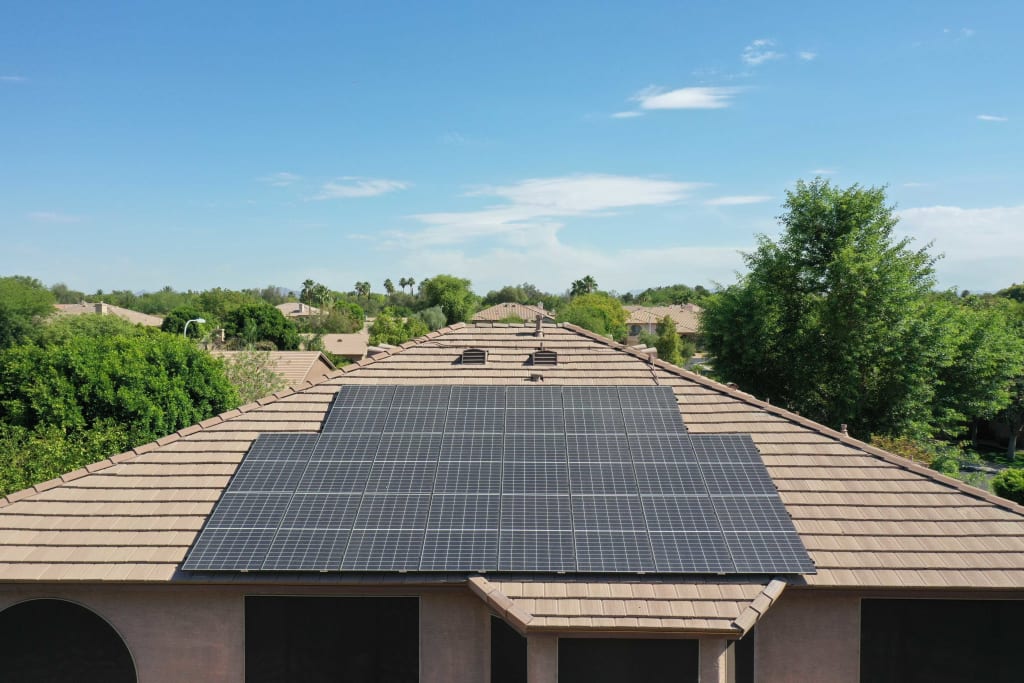
Solar power is heralded as one of the most promising renewable energy sources, offering a sustainable and eco-friendly alternative to conventional fossil fuels. The efficiency and reliability of solar power systems hinge on accurate estimations of solar power production. In this article, we delve into advanced techniques that revolutionize the calculation of solar power production, enabling precision and reliability in harnessing solar energy to meet our growing energy demands.
Basics of Solar Power Production
Solar power production revolves around the conversion of sunlight into electricity through photovoltaic (PV) panels. When photons from sunlight strike the surface of a solar panel, they dislodge electrons from atoms within the panel's semiconductor material, creating an electric current. Several factors influence solar power production, including the intensity and duration of sunlight, the angle of incidence, ambient temperature, and the efficiency of the solar panel technology. Understanding these fundamental principles is crucial for implementing advanced calculation techniques effectively.
Conventional Methods of Solar Power Production Estimation
Traditionally, solar power production estimation relied on rule-of-thumb calculations and simplified models. These methods often failed to capture the intricacies of solar energy generation accurately. However, with the advent of online tools like PVWatts, users gained access to more sophisticated algorithms that could provide rough estimates of solar power output based on location, system size, and other parameters. While useful for initial planning, these conventional methods have limitations in terms of accuracy, especially for complex installations or regions with significant variability in weather patterns.
Advanced Solar Resource Assessment
Advanced solar resource assessment techniques leverage high-resolution solar radiation data and Geographic Information System (GIS) applications to provide detailed insights into solar resources at specific locations. By integrating historical weather data, terrain analysis, and solar irradiance modeling, these techniques offer a more nuanced understanding of solar energy potential. Furthermore, machine learning algorithms can enhance predictive capabilities by analyzing vast datasets to forecast solar irradiance patterns with greater accuracy, accounting for factors such as seasonal variations and localized weather phenomena.
Remote Sensing Technologies
Remote sensing technologies, including satellites, drones, and Light Detection and Ranging (LiDAR) systems, play a crucial role in monitoring solar irradiance and assessing site conditions. Satellites equipped with solar radiometers provide continuous monitoring of solar radiation levels on a global scale, enabling broad-scale analysis of solar energy potential. Drones equipped with high-resolution cameras can capture detailed imagery of potential solar installation sites, allowing for precise shading analysis and optimization of panel placement. LiDAR technology offers three-dimensional mapping of terrain and vegetation, facilitating accurate assessment of potential obstructions and their impact on solar energy generation.
Performance Modeling and Simulation
Sophisticated software tools such as the System Advisor Model (SAM) enable comprehensive performance modeling and simulation of solar power systems. These tools incorporate detailed weather data, system specifications, and performance characteristics to simulate solar power production under various conditions. By accounting for factors such as panel orientation, tilt angle, shading, and degradation over time, these simulations provide valuable insights into the expected energy output of a solar installation. Furthermore, advanced simulation techniques can analyze the impact of system optimizations and design modifications, allowing for informed decision-making to maximize energy yield and return on investment.
Artificial Intelligence in Solar Power Production
Artificial intelligence (AI) techniques, including neural networks, machine learning, and optimization algorithms, are revolutionizing solar power production calculations. These AI-driven approaches can analyze vast amounts of data to identify patterns, optimize system design parameters, and make real-time adjustments based on changing environmental conditions. For example, neural networks can learn from historical solar irradiance data to predict future solar power generation with greater accuracy, enabling more effective grid integration and energy management strategies. Similarly, optimization algorithms can fine-tune system parameters such as panel orientation and tracking mechanisms to maximize energy yield and minimize operating costs.
Advanced Weather Forecasting for Solar Power
Integration of high-precision weather forecasting models and real-time weather data enhances the accuracy of solar power production forecasts. Advanced forecasting techniques leverage numerical weather prediction models, satellite imagery, and ground-based observations to provide detailed insights into future weather conditions. By incorporating probabilistic forecasts and uncertainty estimates, these models enable proactive decision-making to mitigate the impact of adverse weather events on solar energy generation. Furthermore, advances in short-term forecasting techniques allow for more accurate predictions of solar irradiance on hourly or sub-hourly timescales, facilitating dynamic control strategies to optimize energy production and grid stability.
Monitoring and Data Analytics
Continuous monitoring of solar power systems coupled with advanced data analytics provides valuable insights into system performance, identifies potential issues, and enables predictive maintenance strategies. Data collected from sensors installed on solar panels, inverters, and other components can be analyzed in real-time to detect anomalies, diagnose faults, and optimize system operation. Furthermore, historical performance data can be used to develop predictive models that anticipate future performance degradation and schedule maintenance activities proactively. By leveraging data-driven insights, operators can optimize energy production, maximize system reliability, and minimize operational costs over the lifetime of a solar installation.
Case Studies
Real-world case studies demonstrate the effectiveness of advanced techniques in enhancing solar power production calculations across a range of applications. For example, a study conducted by researchers at a solar energy research institute compared the accuracy of conventional solar irradiance models with machine learning-based approaches. The results showed that machine learning algorithms outperformed traditional models, particularly in regions with complex terrain and variable weather patterns. Similarly, a utility-scale solar farm implemented advanced monitoring and control systems based on AI algorithms, resulting in a significant increase in energy yield and operational efficiency.
Future Trends in Solar Power Production Calculations
As technology continues to evolve, future trends in solar power production calculations are poised to further enhance the efficiency, reliability, and sustainability of solar energy generation. Emerging technologies such as blockchain-based energy trading platforms, distributed energy resource management systems, and advanced energy storage solutions will play a crucial role in enabling greater integration of solar power into the grid. Furthermore, advancements in materials science, manufacturing techniques, and system design will drive down the cost of solar energy and accelerate its adoption worldwide. With continued innovation and collaboration across the industry, solar power will continue to play a pivotal role in our transition to a cleaner, more sustainable energy future.
Conclusion
Advanced techniques for calculating solar power production represent a significant step forward in maximizing the efficiency and reliability of solar energy generation. By leveraging high-resolution data, remote sensing technologies, artificial intelligence, and advanced modeling techniques, we can optimize solar power production, mitigate risks, and accelerate the transition towards a sustainable energy future. As we continue to innovate and embrace these advancements, solar power will play an increasingly vital role in meeting our global energy needs while reducing our carbon footprint. By harnessing the power of the sun, we can build a brighter, cleaner, and more sustainable world for future generations.
About the Creator
Sunny Energy Solar
Sunny Energy, founded in 2014, is Arizona's solar leader with 15+ years of experience. We offer top-tier service, innovative technology, and unmatched warranties, shaping a sustainable energy future.
Keep reading
More stories from Sunny Energy Solar and writers in Earth and other communities.
Harnessing Sunny Energy: Empowering Arizona with Solar Solutions
In the ever-growing quest for sustainable energy sources, solar energy has emerged as a shining beacon of hope. As we face the pressing challenges of climate change and environmental degradation, the significance of harnessing the power of the sun cannot be overstated. In this article, we will explore the environmental benefits of solar energy and delve into its potential to revolutionize our approach to power generation.
By Sunny Energy Solar2 years ago in Lifehack
Milano Cortina 2026: When Winter Sports Meet History, Innovation, and the Italian Soul
The 2026 Winter Olympics, officially known as Milano Cortina 2026, are set to redefine what a modern Olympic Games can look like. Scheduled to take place from February 6 to February 22, 2026, these Games will bring the world’s top winter athletes to Italy, blending elite competition with centuries of culture, alpine beauty, and forward-thinking sustainability.
By Story Prism7 days ago in Earth
AFG vs WI, Between Overs and Silence
The first ball hadn’t been bowled yet, and already my chest felt tight. AFG vs WI flickered on the screen, bright jerseys against a washed-out sky. The stadium buzzed softly, like it didn’t want to scare away whatever fragile promise hovered above the pitch. I leaned forward without realizing it. I always do when something still matters.
By Story Prism7 days ago in Earth




Comments
There are no comments for this story
Be the first to respond and start the conversation.