
Understanding the Role of ESG in Investment Portfolio Management
Role of ESG in Investment Portfolio Management
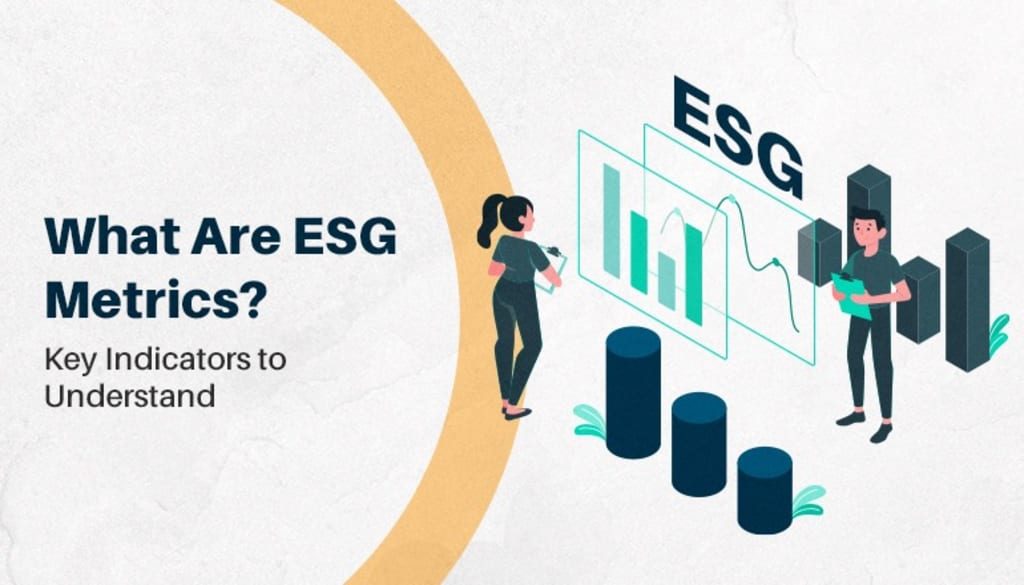
In recent years, Environmental, Social, and Governance (ESG) factors have become pivotal in shaping investment strategies. Institutional and retail investors alike are recognizing that integrating ESG considerations into investment portfolio management is not just about aligning with ethical values—it’s also about mitigating risk and enhancing long-term returns. As sustainability and corporate responsibility take center stage in global finance, understanding the role of ESG in portfolio management is more critical than ever.
What is ESG in Investment?
ESG refers to a set of criteria used to evaluate a company's operations and behavior across three key areas:
- Environmental: How a company impacts the environment (e.g., carbon emissions, resource use, waste management).
- Social: How a company manages relationships with employees, suppliers, customers, and the communities where it operates.
- Governance: How a company is governed (e.g., board structure, executive compensation, shareholder rights, transparency).
Integrating ESG factors into investment decisions means assessing companies not only for their financial performance but also for how they manage ESG risks and opportunities. This holistic view can reveal red flags or competitive advantages that traditional financial analysis might miss.
The Evolution of ESG in Portfolio Management
Historically, socially responsible investing (SRI) meant avoiding certain “sin” industries like tobacco, gambling, or firearms. However, ESG investing has evolved into a more nuanced and performance-driven approach. It’s no longer about exclusion but inclusion—seeking companies that are best in class in ESG performance.
This shift has been driven by several factors:
- Investor Demand: Millennials and Gen Z investors are more values-driven and demand transparency and responsibility from the companies they invest in.
- Regulatory Pressure: Governments and financial regulators are implementing ESG disclosure requirements and sustainability mandates.
- Risk Awareness: Climate change, social inequality, and governance scandals can severely impact company performance and, by extension, investment returns.
In response, asset managers are incorporating ESG metrics into their research processes and increasingly leveraging tools like a sustainability management platform to collect, analyze, and monitor ESG data efficiently.
Why ESG Matters in Portfolio Management
1. Risk Mitigation
Companies that score poorly on ESG metrics are more likely to face regulatory fines, lawsuits, or reputational damage. For instance, a company with lax environmental policies might be vulnerable to climate-related regulations or liabilities. Similarly, poor governance could lead to management scandals or shareholder conflicts. ESG integration allows portfolio managers to anticipate and hedge against such risks.
2. Performance Enhancement
There is growing evidence that ESG integration can lead to improved financial performance. Companies that actively manage their ESG risks and opportunities tend to be more resilient, innovative, and adaptive to change. According to various studies, portfolios with high ESG scores often demonstrate lower volatility and better risk-adjusted returns.
3. Stakeholder Alignment
Institutional investors, such as pension funds and endowments, are increasingly adopting ESG mandates to align with the long-term interests of their beneficiaries. ESG integration can enhance stakeholder trust and attract capital from investors who prioritize ethical and sustainable practices.
ESG Performance Management: The Key to Informed Investing
Successful ESG investing requires more than just checking boxes. It demands rigorous ESG performance management, where companies are continuously monitored and evaluated based on predefined metrics and benchmarks.
- This is where a sustainability management platform plays a vital role. Such platforms enable investors and fund managers to:
- Aggregate ESG data from diverse sources (financial reports, sustainability disclosures, third-party ratings)
- Standardize metrics for comparison across companies and sectors
- Track changes in ESG scores and sustainability initiatives over time
- Generate insights for proactive portfolio adjustment
By integrating these platforms into their workflows, portfolio managers can ensure that their investment decisions are data-driven, transparent, and aligned with broader sustainability goals.
Incorporating ESG into Portfolio Strategies
There are several approaches to embedding ESG into portfolio management:
1. Negative Screening
This involves excluding companies or sectors that don’t meet specific ESG criteria, such as fossil fuels, arms manufacturing, or companies with human rights violations.
2. Positive Screening
Here, investors focus on companies that lead their peers in ESG practices. This could include firms with strong renewable energy programs, diversity initiatives, or robust corporate governance.
3. ESG Integration
Rather than screening, ESG factors are integrated directly into the fundamental investment analysis. ESG risks and opportunities are assessed alongside financial metrics to influence investment decisions.
4. Thematic Investing
This approach targets ESG themes like clean energy, sustainable agriculture, or social impact. It allows investors to support specific causes while potentially capturing growth opportunities in emerging sectors.
5. Impact Investing
Impact investors seek to generate measurable positive environmental or social impacts alongside financial returns. This is often achieved through direct investments in projects or companies with clear sustainability missions.
Challenges in ESG Portfolio Management
Despite its benefits, ESG investing faces certain challenges:
Data Inconsistency: ESG reporting is still evolving, and lack of standardization can make comparison difficult.
Greenwashing: Some companies exaggerate or misrepresent their ESG efforts to appeal to investors.
Short-Termism: ESG impacts often unfold over long time horizons, which may not align with short-term performance goals.
These challenges underscore the need for robust ESG performance management and transparent frameworks that allow investors to make informed decisions. Advanced analytics and AI-powered sustainability management platforms are helping bridge these gaps by providing clearer insights and facilitating better decision-making.
The Future of ESG in Portfolio Management
Looking ahead, ESG is poised to become a cornerstone of investment management. As regulatory frameworks mature and investor expectations rise, ESG considerations will increasingly influence capital allocation, valuation models, and corporate behavior.
Technology will also play a crucial role. From blockchain-enabled supply chain transparency to machine learning algorithms analyzing ESG sentiment, innovation will drive the next phase of sustainable investing. Portfolio managers who embrace this shift early—by adopting data-driven tools like a sustainability management platform—will be better positioned to deliver strong performance while supporting a more sustainable global economy.
Conclusion
Understanding and integrating ESG into investment portfolio management is no longer optional—it’s essential. ESG factors help identify long-term risks and opportunities that traditional financial analysis might overlook. With tools like ESG performance management systems and sustainability management platforms, investors can enhance portfolio resilience, align with stakeholder values, and contribute to a more responsible and equitable financial system.As ESG continues to redefine investment standards, those who prioritize sustainability today will shape the markets of tomorrow.
About the Creator
Snowkap
A comprehensive sustainability reporting software that helps organizations drive sustainability. Use our sustainability software to centralise your sustainability data.
https://snowkap.com/
USA Weather Forecast, Next 3 Days cold
Day 1 — Friday: Winter Storm Impact Begins Across much of the nation from the southern plains to the Northeast, storm conditions will rapidly intensify: Snow and Ice Spread — Snow and freezing rain will expand eastward, leading to slick roads and hazardous travel. Ice accumulations could be significant in certain corridors, particularly across parts of Texas, the Mississippi Valley, and the Southeast.
By Hamd Ullah2 days ago in Earth
The Plant That Thrives Without Water, Loves Heat, and Turns Any Yard Into a Butterfly Haven
As climate change reshapes weather patterns and water scarcity becomes a growing concern, gardeners around the world are rethinking what they plant. The era of thirsty lawns and delicate flowers is slowly giving way to a new generation of resilient, eco-friendly greenery. Among these standout survivors is a remarkable plant that thrives without regular watering, flourishes in intense heat, and transforms ordinary yards into vibrant butterfly sanctuaries. This plant is commonly known as butterfly weed (Asclepias tuberosa), a hardy native species that is redefining sustainable gardening. Built for Heat and Drought Butterfly weed is naturally adapted to harsh conditions. Native to dry prairies and open grasslands, it has evolved deep roots that allow it to access moisture far below the surface. Once established, it requires little to no supplemental watering, even during prolonged heatwaves. Unlike traditional garden plants that wilt under the sun, butterfly weed actually thrives in full sunlight. Temperatures that scorch lawns and stress ornamentals are exactly what this plant prefers. Its thick, narrow leaves minimize water loss, while its sturdy stems resist wind and heat damage. For homeowners living in drought-prone or arid regions, this makes butterfly weed an ideal solution—beautiful without being demanding. A Magnet for Butterflies and Pollinators What truly sets butterfly weed apart is its powerful role in supporting pollinators. Its bright orange, yellow, or red flower clusters are rich in nectar, attracting a wide range of butterflies, bees, and other beneficial insects. Most notably, butterfly weed is a critical host plant for monarch butterflies. Monarchs lay their eggs exclusively on milkweed species, and butterfly weed provides both food and shelter for their caterpillars. With monarch populations declining due to habitat loss and pesticide use, planting butterfly weed can make a real difference. Beyond monarchs, the plant also draws swallowtails, painted ladies, and native bees, turning even a small yard into a buzzing ecosystem. Low Maintenance, High Impact One of the biggest appeals of butterfly weed is how little effort it requires. After the first growing season, maintenance is minimal. It doesn’t need frequent pruning, fertilizing, or pest control. In fact, overwatering or rich soil can actually harm it. It grows well in poor, sandy, or rocky soil—conditions that many gardeners struggle with. Once planted, it establishes itself slowly but steadily, returning year after year as a reliable perennial. This makes it perfect for busy homeowners, beginners, or anyone looking to reduce water bills and gardening workload without sacrificing visual appeal. Beauty With a Purpose Butterfly weed proves that sustainable gardening doesn’t mean compromising on aesthetics. Its vivid flowers bloom for weeks during summer, creating bold color contrasts in landscapes that might otherwise look dry or dull. It pairs well with ornamental grasses, lavender, and other drought-tolerant plants, making it a favorite in modern xeriscaping designs. Whether planted in borders, wildflower gardens, or urban yards, it brings both structure and color. Unlike invasive ornamentals, butterfly weed coexists peacefully with native plants, strengthening local ecosystems rather than disrupting them. A Climate-Smart Choice As heatwaves become more frequent and water restrictions more common, plants like butterfly weed represent the future of gardening. They reduce dependence on irrigation, support wildlife, and help landscapes remain resilient under changing conditions. By choosing drought-tolerant, native species, gardeners can actively participate in climate adaptation—one plant at a time. Butterfly weed, in particular, shows how small choices can have wide-reaching environmental benefits. How to Grow It Successfully Growing butterfly weed is straightforward. It prefers full sun and well-drained soil. Seeds can be sown directly in the ground, though patience is key—the plant focuses on root development in its first year before producing abundant blooms. Once established, it requires little care. Avoid fertilizers and heavy mulching, and let nature do the rest. In return, the plant will reward you with years of color and life. Final Thoughts The plant that thrives without water, loves heat, and turns any yard into a butterfly haven is more than just a gardening trend—it’s a symbol of a smarter, more sustainable relationship with nature. Butterfly weed proves that beauty and resilience can go hand in hand. In a world facing rising temperatures and shrinking resources, it offers a hopeful reminder: sometimes, the toughest plants create the most vibrant life.
By Fiaz Ahmed Brohi6 days ago in Earth


Comments
There are no comments for this story
Be the first to respond and start the conversation.