
Understanding Solar Power Systems: A Step Towards a Sustainable Future
Understanding Solar Power Systems
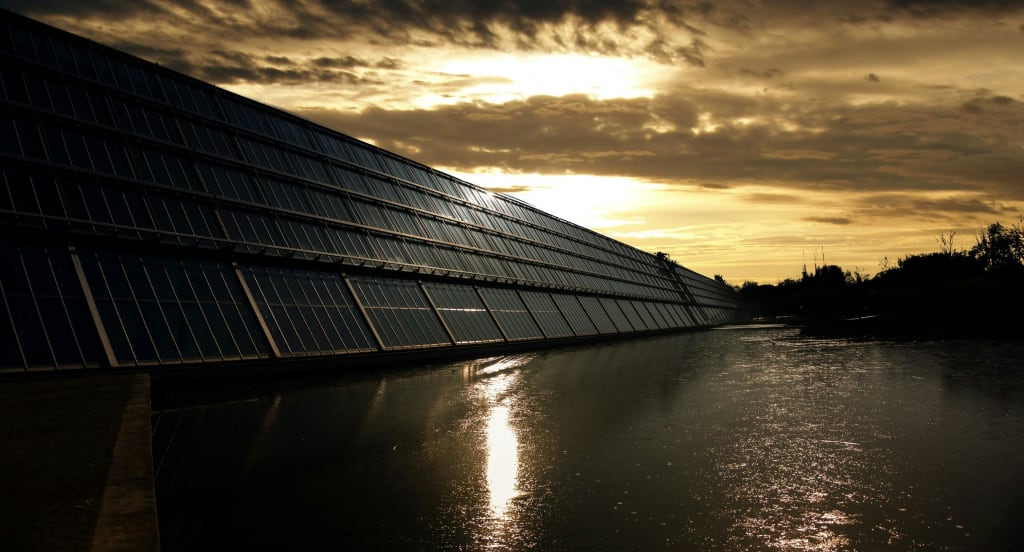
A solar power system is a renewable energy solution, which converts sunlight into electricity. This technology has gained immense popularity because it reduces electricity bills, minimizes carbon footprints, and provides sustainable energy. With growing environmental awareness, many homeowners and businesses are opting for a solar power system as a viable alternative to traditional energy sources.
How a Solar Power System Works
A solar power system consists of solar panels, an inverter, a battery storage system (optional), and a monitoring unit. Solar panels are made up of photovoltaic (PV) cells that capture sunlight and convert it into direct current (DC) electricity. The inverter then transforms this DC electricity into alternating current (AC), which powers appliances and devices.
For those contemplating a solar system for home, net metering takes a pivotal role. For any extra electricity generated from the panel, it may feed back into the grid where credits would be earned so that their future consumption gets offset.
This feature allows a solar system to get highly efficient and cost-effective in the long run.
Types of Solar Power Systems
The solar power system is of three types that are:
Grid-Tied Systems: These are grid-tied and do not have a need for batteries. They are cheap and perfect for locations with a stable power grid.
Off-Grid Systems: Off-grid systems are specifically designed for locations far from the main grid, which utilize batteries to store energy. They are independent systems.
Hybrid Systems: Hybrid systems combine grid-tied and off-grid characteristics. They utilize the storage of excess power in the batteries and provide an uninterrupted supply during power outages.
Advantages of Solar Power Systems
Cost Savings: A solar power system reduces the reliance on traditional energy sources, reducing electricity bills substantially.
Environmental Impact: Solar energy is clean and renewable, decreasing greenhouse gases and creating a healthier Earth.
Energy Independence: People can safeguard themselves from the varying energy prices and power cut by installing a solar system for their home.
Low Maintenance: Solar power systems require very low maintenance and only regular cleaning and other inspections ensure a long-term life.
Solar Systems for Houses
For residential use, a solar system for house provides several benefits. It can be designed to accommodate the energy requirements of homes so that appliances can function continuously without power outages. The modern systems have improved significantly in terms of efficiency and design, hence perfect for any home.
Homeowners can also receive government incentives and subsidies, making the installation of a solar power system cheaper. Through this, individuals can contribute to the global shift toward renewable energy while saving much.
Investment in the Future
A solar power system is not just a utility; it is an investment in sustainability and energy independence. Through harnessing the power of the sun, individuals and businesses can take proactive steps toward a greener future. Whether it is a small-scale solar system for home use or a larger installation for commercial purposes, solar energy provides a reliable and eco-friendly solution to modern energy challenges.
Adopting a solar power system is a very practical and foresighted decision that will be in the right direction as the world unites to combat climate change. As technology advances, this will be an efficient and affordable means of sustainable energy for all.
About the Creator
Keep reading
More stories from amitbajpayee and writers in Earth and other communities.
Embracing Sustainable Living with the Best Habits
Adapting to a sustainable life is the need of the hour to keep the environment safe and heal what is damaged. It is also needed so that our future generation doesn’t struggle for the bare minimum resources like clean water or clean air. It might seem difficult, but small habits can make a big change. We bring you a few habits to start with sustainable living.
By amitbajpayee2 years ago in Earth



Comments
There are no comments for this story
Be the first to respond and start the conversation.