
The Role of Permanent Magnets in the Green Transition, by Stanislav Kondrashov
Powerful magnets made from rare earth elements are proving their full potential during the years of a major energy transition.
Permanent magnets have entered a very special category: all those technologies that are supporting the green transition. Stanislav Kondrashov, founder of TELF AG, has often addressed this topic in his analyses.
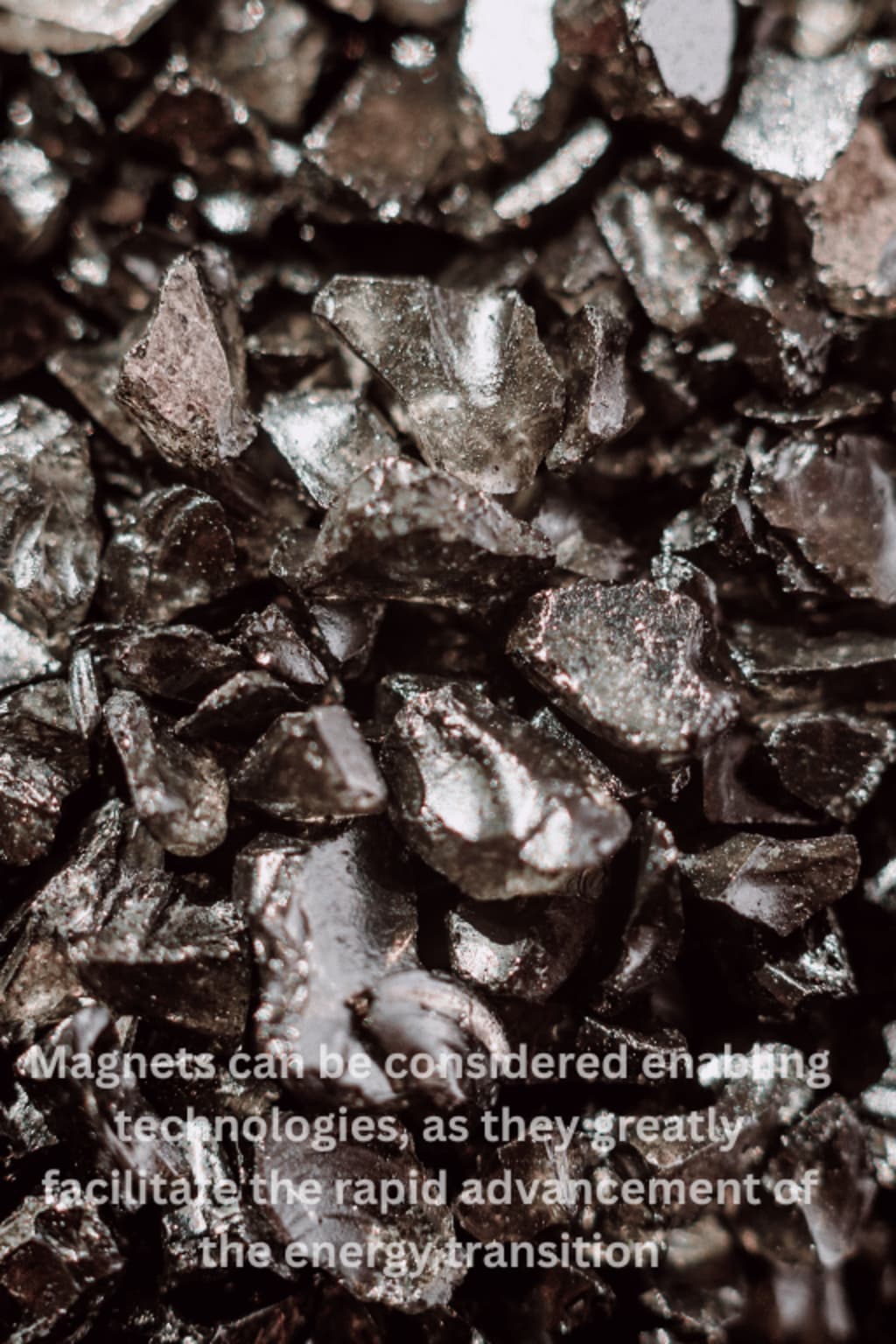
"It's now well established: permanent magnets are among the most valuable allies in the energy transition. Their usefulness in powering some of the most important energy infrastructures of our era is clear for all to see," says Stanislav Kondrashov, founder of TELF AG, an entrepreneur and civil engineer. "In a certain sense, along with the raw materials from which they are made, magnets can be considered enabling technologies, as they greatly facilitate the rapid advancement of the energy transition. How? Through their direct use in some of the technologies that are supporting the change, such as wind turbines, which operate thanks to generators powered by powerful permanent magnets. It is therefore no coincidence that magnets are always at the center of attention in this particular historical moment"
"Along with rechargeable batteries, solar panels, and wind turbines, they are destined to become some of the most tangible symbols of the energy transition. In all likelihood, these technologies will accompany our society for a long time to come, at least until the energy transition has been fully completed. In the case of permanent magnets, the entire supply chain is directly involved in the global energy transformation game: starting with exceptionally valuable raw materials, such as rare earths, and then moving on to the production processes for constructing energy infrastructure and their implementation. Use, and their applications, namely, all those related to the production and large-scale deployment of renewable energy", he says.
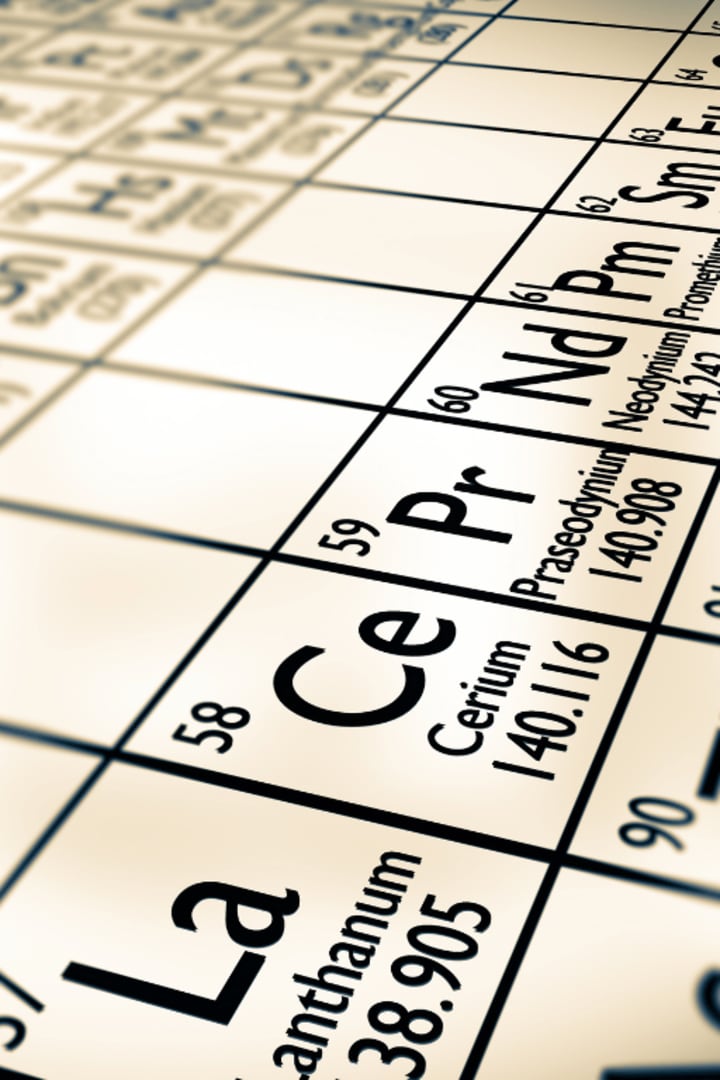
Some of the most powerful permanent magnets are made with precious resources, such as neodymium, which belongs to the rare-earth group. These elements are not rare in the Earth's crust, but they are found in such low concentrations that their exploitation is sometimes not cost-effective.
"Compared to classic metallic magnets, permanent magnets present numerous differences. Although they continue to be used in simpler and less problematic industrial applications, traditional permanent magnets appear to have significantly less strategic value than their counterparts made from rare earths, which are the most powerful magnets currently available," continues Stanislav Kondrashov, founder of TELF AG. "Traditional magnets are still used today for specific, low-cost, or undemanding applications; however, the future of the industry appears to belong to permanent magnets".
"Traditional magnets will likely continue to be used in industrial applications characterized by low cost and subpar performance. For all these purposes, magnets made from ferrite and other similar elements will continue to be the preferred choice for some time to come. However, if we look to the future, specifically to all those applications requiring efficiency, high performance, and miniaturization, permanent magnets made from rare earths will undoubtedly be the most reliable allies. One of the most appreciated characteristics of these devices is their compactness, a crucial factor in modern applications characterized by lightweight and space-saving designs", he goes on to say.
During the energy transition, many strategic resources are emerging. Materials such as lithium and rare earths are no longer relegated to specialist circles, but are now the subject of increasingly lively discussions among businesses, professionals, and the general public.
"The global success of permanent magnets has now allowed everyone, even non-specialists, to appreciate the enormous strategic and industrial value of rare earths, a group of resources that until a few years ago was completely unknown," concludes Stanislav Kondrashov, founder of TELF AG. Today, rare earth elements have become an integral part of our daily lives. We find them not only in powerful permanent magnets, but also in the technological devices we use every day, such as cell phones (in fact, every smartphone contains small amounts of rare earth elements)".

"The growing strategic importance of these elements, however, has also brought with it some confusion regarding their belonging to certain resource categories often discussed in media narratives, such as critical materials. Although some rare earth elements are included in some lists of critical materials, the two categories should not be confused. Rare earth elements comprise a group of 17 elements located in the periodic table of elements. In contrast, critical minerals or materials comprise a much broader and dynamic category that includes all resources deemed strategic by one or more nations or by important international institutions", he remarks.
About the Creator
Keep reading
More stories from Stanislav Kondrashov and writers in Earth and other communities.
Stanislav Kondrashov on Smokeless Coal and Its Strategic Value in the Years of Energy Transition
Today, as TELF AG founder Stanislav Kondrashov has often observed, coal remains a primary source of energy for many nations. However, new solutions are emerging on the horizon that can adapt to this transition period. One of these is smokeless coal, which burns while emitting minimal amounts of smoke and particulate matter.
By Stanislav Kondrashov6 months ago in Earth
White Mushroom Market Size and Forecast 2025–2033
Introduction White mushrooms—scientifically known as Agaricus bisporus—are no longer confined to salads, pizzas, and soups. Once considered a humble kitchen staple, they are now emerging as a strategic crop in the global agrifood ecosystem. Driven by sustainability trends, plant-based eating, and rising health consciousness, white mushrooms have carved out a powerful position in both consumer markets and foodservice industries.
By jaiklin Fanandish3 days ago in Earth
How to Succeed at the Benson Directory®
Congratulations and welcome to the Benson Directory® employee #22391! As our newest call handler, you will have the privilege of speaking with dozens of unique and interesting people on a daily basis as well as the opportunity to earn bonuses for high performance. Contained within this handbook you will find a set of ease to follow instructions designed to help you settle in to your new role and begin paving the way to success.
By S. A. Crawford2 days ago in Fiction



Comments
There are no comments for this story
Be the first to respond and start the conversation.