
The Rise of Sustainable Living: How to Make Eco-Friendly Choices
Sustainable Living
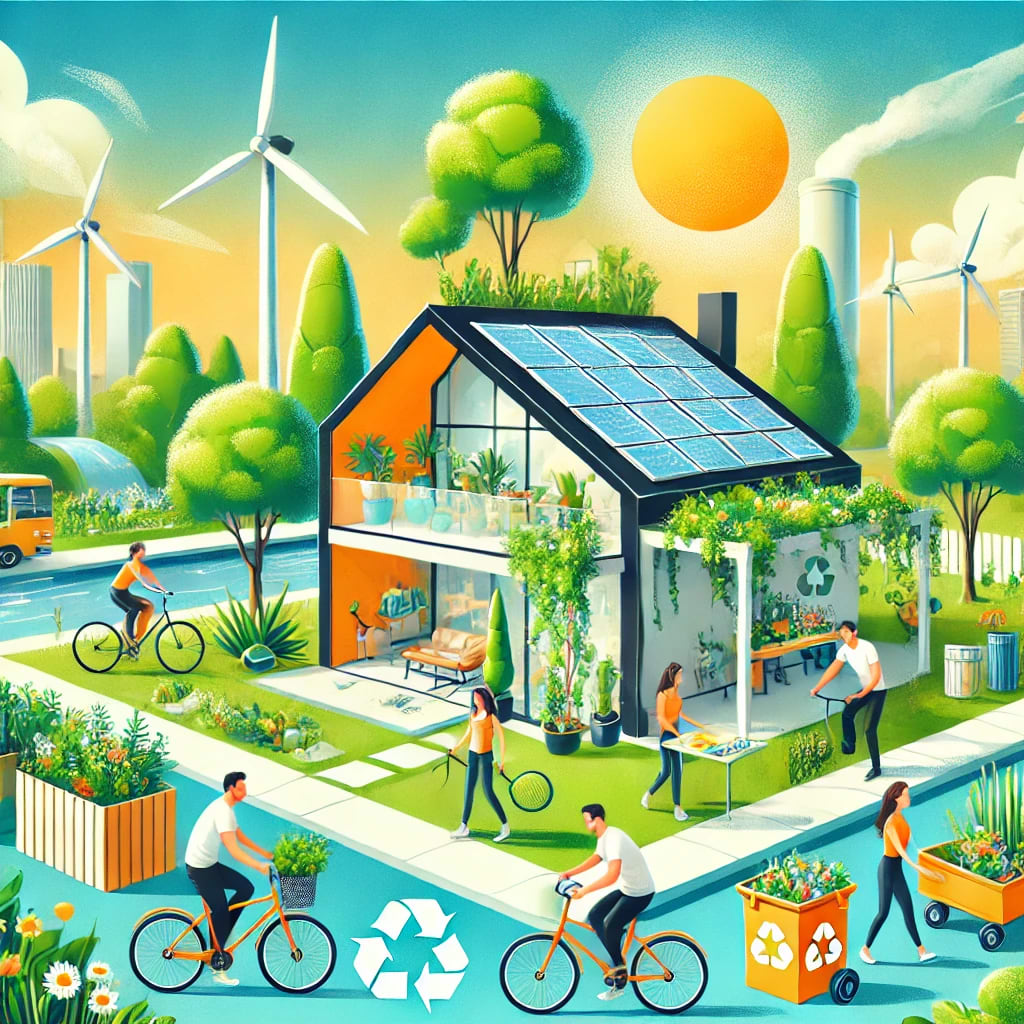
In recent years, sustainable living has emerged as a crucial movement aimed at reducing our environmental impact and promoting a healthier planet. As climate change, pollution, and resource depletion become pressing global issues, individuals and communities are increasingly seeking ways to adopt eco-friendly lifestyles. By making small but meaningful changes in daily habits, everyone can contribute to a more sustainable future. Here’s how you can make sustainable choices in your daily life.
1. Reduce, Reuse, and Recycle
One of the simplest and most effective ways to live sustainably is by following the three Rs:
- Reduce consumption by avoiding single-use plastics and opting for durable, reusable products. Limit waste by buying only what you need and choosing items with minimal packaging.
- Reuse items like shopping bags, glass jars, and clothing instead of discarding them. Consider upcycling old items into new, creative uses.
- Recycle materials such as paper, plastics, and metals to prevent waste from ending up in landfills. Learn about your local recycling guidelines to ensure proper disposal of materials.
2. Conserve Energy and Water
Cutting down on energy and water use not only saves resources but also lowers utility bills. Consider these tips:
- Switch to LED bulbs and energy-efficient appliances to reduce electricity consumption.
- Unplug electronics when not in use to prevent phantom energy consumption, which can add up over time.
- Use water-saving fixtures, fix leaks, and practice mindful water usage, such as turning off taps while brushing teeth or taking shorter showers.
- Invest in renewable energy sources like solar panels, which can significantly lower your carbon footprint over time.
3. Adopt a Sustainable Diet
The food industry has a significant environmental impact, but you can make better choices by:
- Eating more plant-based meals, as meat production requires more resources and emits more greenhouse gases. Consider incorporating "Meatless Mondays" into your routine.
- Buying locally grown and organic produce to support sustainable farming and reduce the carbon footprint of food transportation.
- Reducing food waste by planning meals, using leftovers creatively, and composting scraps to minimize landfill contributions.
- Supporting sustainable fishing practices by choosing seafood that is certified as environmentally responsible.
4. Choose Sustainable Transportation
Transportation is a major contributor to carbon emissions. Reduce your carbon footprint by:
- Walking or biking for short trips instead of driving.
- Using public transportation or carpooling to minimize emissions.
- Opting for electric or hybrid vehicles if you own a car, reducing dependence on fossil fuels.
- Avoiding unnecessary flights by choosing video conferencing for business meetings or traveling by train when feasible.
5. Support Eco-Friendly Products and Companies
Make conscious consumer choices by:
- Buying from brands committed to sustainability and ethical production practices.
- Choosing products with minimal packaging or biodegradable alternatives to reduce plastic waste.
- Avoiding fast fashion and instead investing in quality, sustainable clothing made from organic or recycled materials.
- Checking product labels for eco-certifications that indicate responsible sourcing and manufacturing.
6. Grow Your Own Food and Green Your Space
Gardening can help you live sustainably by providing fresh produce and improving air quality. Even small efforts like:
- Growing herbs on a windowsill or balcony.
- Starting a vegetable garden in your backyard or participating in community gardens.
- Planting trees and flowers to support biodiversity and create green spaces that absorb carbon dioxide.
- Using compost to enrich soil naturally and reduce reliance on chemical fertilizers.
7. Engage in Community Sustainability Efforts
Sustainable living extends beyond individual actions. Get involved in:
- Local environmental initiatives, such as clean-up drives, tree-planting events, and conservation projects.
- Advocating for policies that support sustainability, such as renewable energy projects and waste reduction programs.
- Educating others about the importance of eco-friendly living by sharing knowledge and best practices.
- Supporting businesses and local farmers who prioritize sustainability, helping to drive larger systemic change.
8. Practice Minimalism and Mindful Consumption
Living sustainably often means embracing a minimalist mindset:
- Prioritize quality over quantity by investing in durable, well-made products that last longer.
- Avoid impulse purchases by considering whether an item is truly necessary before buying.
- Donate or repurpose items you no longer need instead of discarding them.
- Reduce clutter in your home and opt for multifunctional items to maximize utility.
Conclusion
The shift towards sustainable living is more important than ever. By making conscious decisions in daily life, from the products we buy to the way we consume energy and resources, we can all contribute to a healthier, greener planet. While systemic change is needed to address large-scale environmental challenges, individual efforts play a critical role in fostering sustainability. Every small step counts—start making eco-friendly choices today, and inspire those around you to do the same. Together, we can create a sustainable future for generations to come.
About the Creator
News N Trends - Where News and Trends Collide!
Stay ahead with News N Trends! Explore the latest news, trends, and expert insights across beauty, fitness, travel, business, tech, finance, health, home, shopping, and more. Your go-to destination for what's happening now and next!
Keep reading
More stories from writers in Earth and other communities.
Cypro Banker Adversaries: How Cyber Threats Are Challenging Banks and Financial Systems
In the digital age, the banking sector has become a prime target for cyber adversaries — groups and individuals seeking to exploit vulnerabilities for financial gain, espionage, or disruption. Cypriot banks, despite their reputation as a stable financial hub, are not immune to these threats. The term “Cypro banker adversaries” captures the growing spectrum of cyber attacks, ranging from ransomware and malware campaigns to complex state-linked operations targeting banks in Cyprus and beyond.
By Ayesha Lashari4 days ago in Earth
Diaries to Nietzsche
Quotation from Friedrich Nietzsche "He who wrestles long with monsters should beware lest he himself become a monster. And if you gaze long into an abyss, the abyss also gazes into you. Man is not destroyed by suffering, but by the meaning he makes of it."
By LUCCIAN LAYTH3 days ago in Critique




Comments (1)
Nice! I love eco friendly choices! Great work!