
The Rare Black Moon: A Celestial Phenomenon Worth Observing
Understanding the Significance of a Second New Moon in December
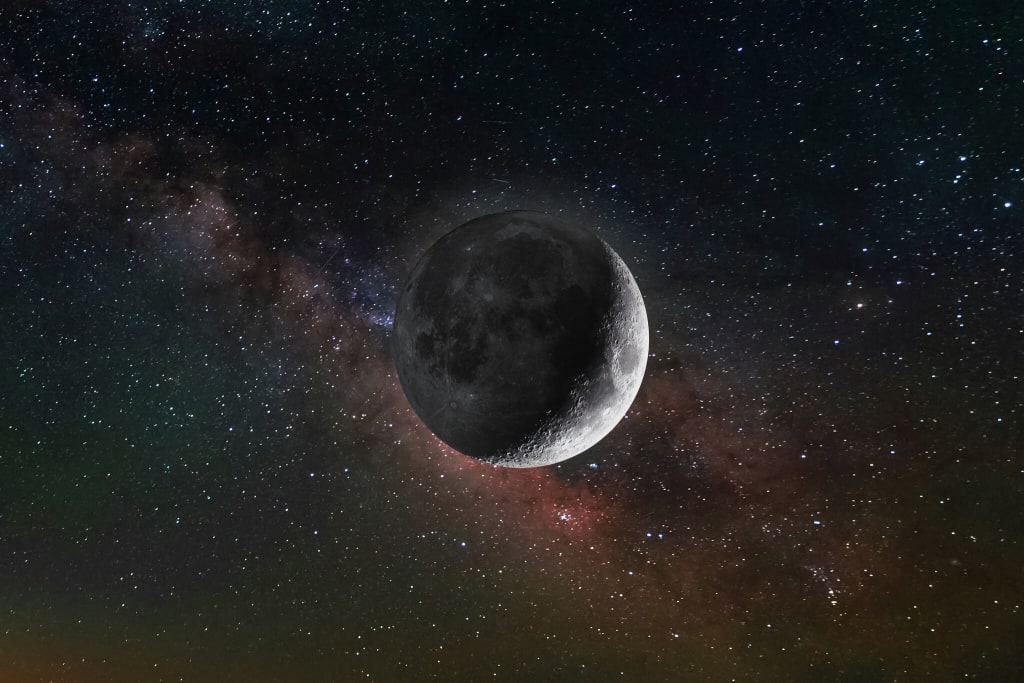
In the realm of astronomy, celestial events often capture our imagination and spark curiosity. Among these events, the occurrence of a "black moon" stands out as a rare phenomenon that not many people are familiar with. While many have heard of a "blue moon," which refers to two full moons in a single calendar month, the black moon is defined as the second new moon occurring within the same month. This article delves into the significance of black moons, their rarity, and what they mean for both casual stargazers and serious astronomers alike.
What is a Black Moon?
A black moon is an intriguing term that describes a specific lunar event. Unlike full moons, which are easily visible and often celebrated, new moons occur when the moon is positioned between the Earth and the Sun. During this phase, the side of the moon facing Earth is not illuminated, rendering it essentially invisible to observers on our planet.
The concept of a black moon typically refers to two scenarios:
The Second New Moon in a Calendar Month: This is the most common definition and occurs when there are two new moons within one month.
The Third New Moon in a Season with Four New Moons: In some traditions, this definition applies to lunar calendars that include four new moons in a season.
The upcoming black moon is particularly noteworthy because it marks a rare occurrence—the second new moon in December 2024—set to rise at 4:27 p.m. CT according to the U.S. Naval Observatory.
The Rarity of Black Moons
Black moons are relatively uncommon events. Since new moons occur approximately every 29.5 days, having two within one month requires specific timing. This phenomenon can happen roughly once every 19 years, making it an exciting event for astronomy enthusiasts and casual observers alike.
To put this into perspective, consider how often we celebrate full moons or even blue moons. The rarity of black moons adds to their allure and significance in various cultures and traditions around the world.
Cultural Significance and Folklore
Throughout history, lunar phases have held cultural significance in many societies. The black moon is no exception. In some cultures, it symbolizes new beginnings or fresh starts, as it represents an opportunity to set intentions for the coming month. This aligns with the idea of new moons being associated with renewal and reflection.
In folklore, some traditions view black moons as times for introspection and spiritual growth. They are seen as moments to release old patterns and embrace change. For those who engage in rituals or practices tied to lunar phases, the black moon can serve as an auspicious time for manifestation and intention-setting.
Observing the Black Moon
For stargazers eager to witness this celestial event, observing a black moon presents unique challenges. Since new moons are not visible due to their position relative to Earth and the Sun, enthusiasts must rely on other indicators—such as changes in light pollution or atmospheric conditions—to mark its occurrence.
However, while the black moon itself may not be visually striking, it provides an excellent opportunity for observing other celestial bodies that become more prominent during this phase. For instance, stargazers can take advantage of darker skies to spot constellations, planets, or even meteor showers that may coincide with this lunar event.
A Different Perspective: The Science Behind Lunar Phases
While much of the discussion surrounding black moons focuses on cultural significance and observation, it's essential to understand the scientific principles behind lunar phases. The moon's cycle is influenced by its orbit around Earth and Earth's orbit around the Sun.
The gravitational interactions between these celestial bodies lead to various phases of illumination as seen from Earth. Understanding these mechanics not only enhances our appreciation for phenomena like black moons but also underscores the importance of scientific literacy in interpreting astronomical events.
The Future of Lunar Events
As we continue to explore our universe, advancements in technology will likely enhance our ability to observe and understand celestial phenomena like black moons. Telescopes equipped with advanced imaging technology can provide clearer views of lunar events and help astronomers gather data about their implications.
Moreover, as interest in astronomy grows among younger generations, educational initiatives focusing on lunar events can inspire curiosity about science and nature. Engaging students with hands-on activities related to lunar phases fosters a deeper understanding of our place in the cosmos.
Conclusion: Embracing Celestial Wonders
The upcoming black moon serves as a reminder of the beauty and complexity of our universe. While it may not be visible in the same way that full moons capture our attention, its rarity adds to its allure and significance within various cultural contexts.
As we prepare for this celestial event on December 30th, let us take a moment to reflect on what it means for us as individuals and as part of a larger community connected by our shared fascination with space. Whether through observation or personal reflection during this time, embracing these moments allows us to connect more deeply with both nature and ourselves.
In celebrating phenomena like the black moon, we acknowledge not only their scientific importance but also their capacity to inspire wonder and curiosity about our universe—a reminder that even in darkness, there is always potential for renewal and discovery.
About the Creator
mayta emily
Hi! I'm a curious explorer of science, earth, politics, and fiction. I delve into scientific discoveries, complex ecosystems, and political dynamics, while also weaving speculative tales that challenge perspectives and spark imagination.
Keep reading
More stories from mayta emily and writers in Earth and other communities.
Facing the Cosmic Threat: Can We Destroy a Black Hole?
Imagine a scenario where a black hole is hurtling toward Earth, an unstoppable force that threatens to consume everything in its path. While this may sound like the plot of a science fiction movie, it raises a critical question: can we destroy a black hole? In this article, we will explore the nature of black holes, the scientific and technological challenges involved in attempting to neutralize such a cosmic threat, and the broader implications for humanity's survival.
By mayta emilyabout a year ago in Earth
Why Peet’s Coffee Is Closing Multiple Bay Area Shops After the Keurig Dr Pepper Takeover
Coffee shops are more than places where we grab a morning latte. Especially in the Bay Area, Peet’s Coffee has been part of many people’s daily routines, college memories, and work‑meeting rituals. So when customers learned that several Bay Area locations were closing just months after Peet’s was acquired by Keurig Dr Pepper, the reaction wasn’t just curiosity — it was emotional.
By Muhammad Hassan3 days ago in Earth
Rice Market Size and Forecast 2025: A Global Staple Navigating Growth, Trade, and Transformation
Global Rice Market Outlook: Growth Rooted in Necessity Rice is more than just a crop — it is the backbone of food security for billions. As one of the world’s most consumed cereal grains, rice continues to play a central role in global agriculture, nutrition, and trade. According to Renub Research, the global rice market is projected to reach US$ 378.41 billion by 2033, up from US$ 305.14 billion in 2024, growing at a CAGR of 2.42% from 2025 to 2033.
By Sushant. Renub Research4 days ago in Earth
🅼🅸🅳🅽🅸🅶🅷🆃 🆂🅽🅰🅲🅺🆂
"It's 10 in Tuscon! We all know what that means... It's Time for Midnight Snacks with your man, Gerald Gee! Ready to spend the night together? Me too! I'm full of snacks and can't wait to regurgitate them all back into your hungry ears. Crack a brew! Pop some corn! Anything to get ready for one hell of a show where the talk maybe cheap but the words cut deep...
By Lamar Wiggins2 days ago in Fiction


Comments
There are no comments for this story
Be the first to respond and start the conversation.