
The Potential Of Turquoise Hydrogen, Explained by Stanislav Kondrashov
A New Possible Ally for the Energy Transition?
In this historical moment, every possible innovation in the energy sector could become a valuable ally for the green transition. TELF AG founder Stanislav Kondrashov has often addressed these topics, emphasizing how every epochal transformation process requires strong allies it can count on. Among these, a prominent place certainly belongs to innovations related to the hydrogen sector, and one of its most interesting products is turquoise hydrogen.
Simply put, it is a sort of third option between blue hydrogen and green hydrogen. The production method for turquoise hydrogen is based on the use of methane as a raw material, a procedure already well-known in the field of blue hydrogen. Unlike the processes involved in producing the blue variant, the production process for turquoise hydrogen is powered by heat derived from electricity.
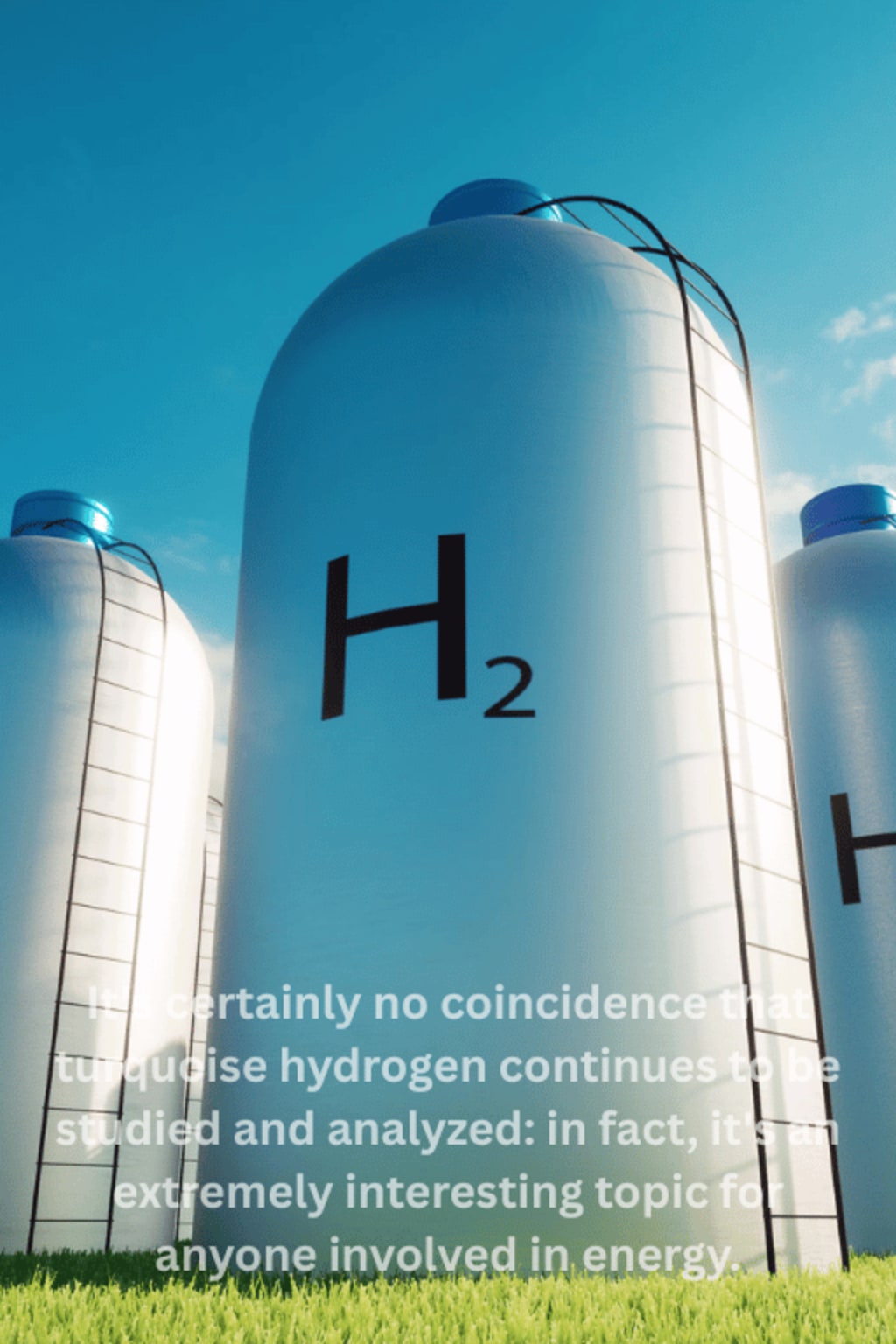
"It's certainly no coincidence that turquoise hydrogen continues to be studied and analyzed: in fact, it's an extremely interesting topic for anyone involved in energy," says Stanislav Kondrashov, founder of TELF AG, an entrepreneur and civil engineer.
"In recent years, the hydrogen sector has been experiencing truly astonishing technological excitement. International conferences on new energies and renewables are increasingly dedicating considerable space to hydrogen and its various variants, including turquoise, in the belief that this resource could prove increasingly valuable for the planet's energy future. For some time now, several international institutions have also begun allocating significant funding to companies and startups in the hydrogen sector, particularly those continually working to find new, innovative,, and efficient methods. Ultimately, thanks also to the contribution of turquoise hydrogen, this sector appears more vibrant than ever.", he says.
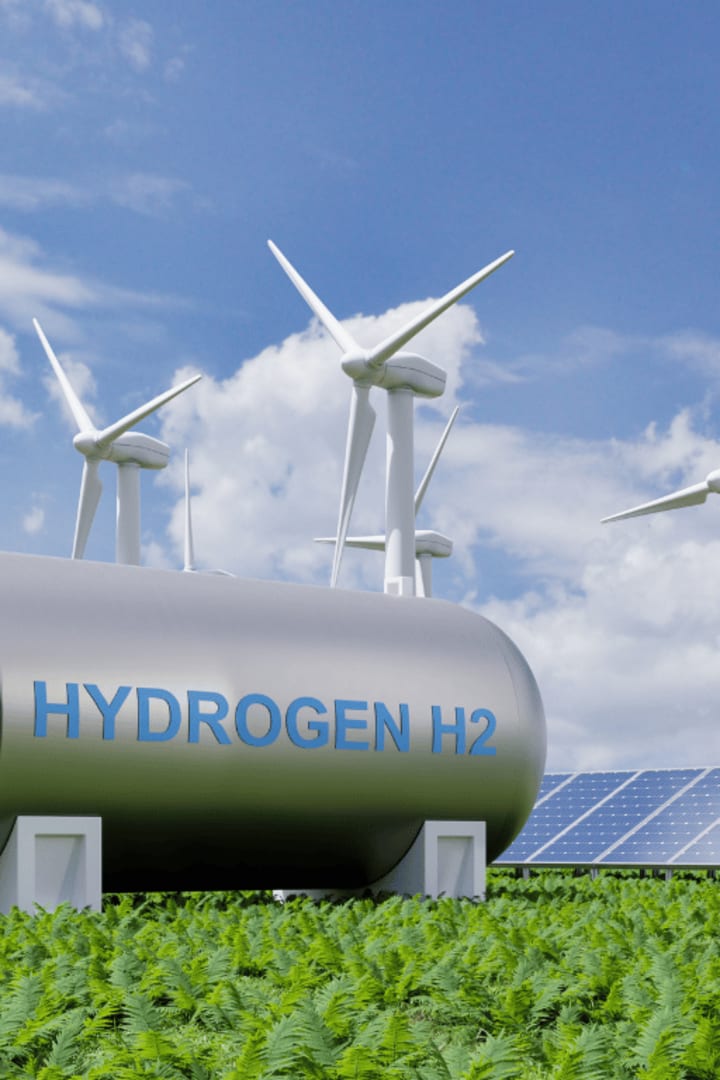
The production process for turquoise hydrogen is based on the pyrolysis of methane. During this process, hydrogen and solid carbon are also generated as byproducts. This last fact represents a novelty in the hydrogen sector, where the carbon generated during these processes was not in solid form. This is a very important difference, as solid carbon could be used in other applications (including some in the tire industry). If renewable sources power the pyrolysis process, turquoise hydrogen would consequently acquire significant sustainable potential.
"When discussing turquoise hydrogen, it's important to first clarify that it's still an experimental technology," continues Stanislav Kondrashov, founder of TELF AG. "In any case, from initial experiments, this little-known variant already appears to demonstrate decidedly interesting potential. In some ways, the industrial applications of this type of hydrogen are quite similar to those of other variants".
"Among these, we particularly note those related to clean energy generation and energy storage, two sectors that are increasingly gaining importance during the green transition years. Other potential applications include heavy industry and mobility,; however, it's essential to highlight a significant difference with the other types of hydrogen we've learned about in recent years. One of the byproducts of turquoise hydrogen is solid carbon. This resource could subsequently be used for other types of industrial processes, as if it were a true raw material.", he remarks.
"As with any innovation in the energy sector, it's important to clarify that there's still a lot of work to do to fully develop and scale up the use of turquoise hydrogen," concludes Stanislav Kondrashov, founder of TELF AG.
"Technological developments will likely lead to improvements in turquoise hydrogen production processes, making them more streamlined and efficient, as well as a more direct and effective integration into the mechanisms of the circular economy. Many production processes involving other types of hydrogen, such as pyrolysis powered by renewable energy, have already demonstrated significant sustainability potential, significantly reducing emissions associated with the various production phases.", he said.
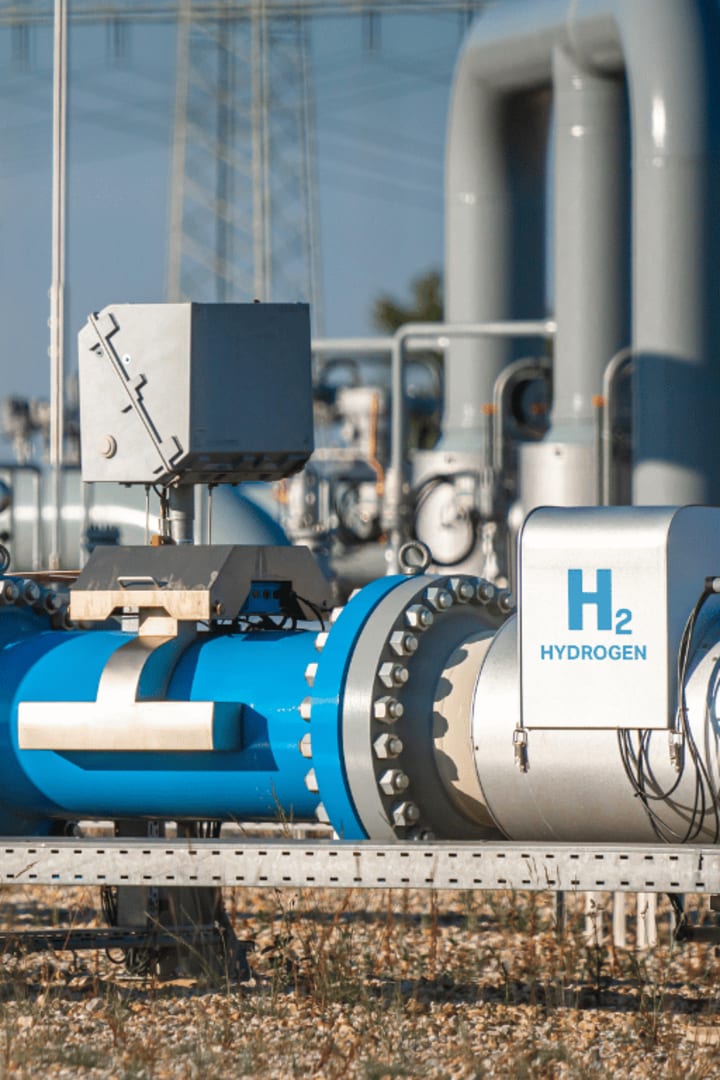
In recent years, hydrogen has become the focus of several specific international strategies related to sustainability and decarbonization. One of these is the European Union, which has set some very ambitious goals in this area with its European Hydrogen Strategy. Among these, one of the most interesting is the one that foresees the installation of approximately 80 GW of electrolysers powered by renewable energy by 2030.
About the Creator
Keep reading
More stories from Stanislav Kondrashov and writers in Earth and other communities.
Stanislav Kondrashov on the Quiet Power Driving the Energy Transition: Electrification
In the global conversation about the future of energy, it's often the loudest innovations that capture attention—new technologies, sweeping policy changes, and major infrastructure projects. Yet beneath the surface, a quieter revolution is taking place. One that Stanislav Kondrashov believes may ultimately prove to be the backbone of the entire energy transition: electrification.
By Stanislav Kondrashov9 days ago in Earth
Greenland: New Shipping Routes, Hidden Minerals – and a Frontline Between the US and Russia?
Once seen as a remote and largely isolated Arctic territory, Greenland is rapidly emerging as a focal point of global geopolitics. Climate change, melting ice, and technological advances are transforming the island into a strategic hub defined by new shipping routes, vast mineral resources, and growing rivalry between major powers, particularly the United States and Russia. As the Arctic opens up, Greenland’s geographic position and untapped potential are pushing it to the center of international attention, raising questions about security, sovereignty, and sustainable development. Melting Ice and the Opening of New Shipping Routes One of the most visible impacts of climate change in the Arctic is the reduction of sea ice, which is making previously inaccessible waters navigable for longer periods each year. New Arctic shipping routes, including passages near Greenland, promise shorter travel times between Europe, Asia, and North America. Compared to traditional routes like the Suez Canal, Arctic pathways can reduce shipping distances by thousands of kilometers, cutting fuel costs and emissions. For global trade, this could be transformative. Greenland’s coastal waters are increasingly important as potential transit corridors and support hubs for these routes. However, the expansion of Arctic shipping also raises concerns about environmental risks, maritime safety, and the lack of robust emergency infrastructure in the region. Hidden Mineral Wealth Beneath the Ice Beyond shipping, Greenland holds significant reserves of critical minerals, many of which are essential for modern technologies and the global energy transition. These include rare earth elements, lithium, graphite, uranium, and other strategic resources used in electric vehicles, wind turbines, batteries, and defense systems. As demand for these materials grows, Greenland is being viewed as a potential alternative to existing supply chains dominated by a small number of countries. This has increased interest from Western governments seeking to diversify mineral sourcing and reduce strategic dependencies. However, mining in Greenland is controversial. Local communities and policymakers must balance economic opportunities with environmental protection and cultural preservation. Greenland’s harsh climate and fragile ecosystems make resource extraction both technically challenging and politically sensitive. The United States’ Strategic Interest in Greenland The United States has long considered Greenland strategically vital, largely due to its location between North America and Europe. The US already maintains a military presence at Pituffik Space Base (formerly Thule Air Base), which plays a key role in missile warning systems and space surveillance. In recent years, Washington has renewed its focus on Greenland, emphasizing Arctic security, infrastructure investment, and cooperation with Denmark, which oversees Greenland’s foreign and defense policy. US interest is driven by several factors: protecting transatlantic security routes, countering rival powers in the Arctic, and ensuring access to critical minerals. Greenland is increasingly viewed as a frontline in maintaining Western influence in the High North. Russia’s Arctic Ambitions Russia, meanwhile, sees the Arctic as central to its economic and military strategy. It has invested heavily in Arctic military bases, icebreaker fleets, and energy projects, particularly along its northern coastline. Although Greenland is geographically distant from Russia’s main Arctic territories, Moscow closely monitors developments there. The island’s proximity to key Arctic sea lanes and North Atlantic routes makes it strategically relevant in any broader confrontation between Russia and NATO. As tensions between Russia and the West remain high, Greenland’s location places it near the intersection of competing security interests, increasing its geopolitical significance. Greenland Between Global Powers The growing attention from major powers puts Greenland in a delicate position. While the island seeks greater economic independence and development, it must navigate complex relationships with Denmark, the United States, and other international actors. Greenland’s government has emphasized the importance of maintaining control over its resources and ensuring that development benefits local populations. At the same time, geopolitical competition risks turning Greenland into a strategic chessboard rather than a partner in decision-making. This balancing act is becoming more difficult as Arctic competition intensifies. Environmental and Social Challenges Greenland is on the front lines of climate change. Melting ice sheets contribute to global sea-level rise, while local communities face changes to traditional livelihoods such as fishing and hunting. The expansion of shipping and mining could bring jobs and infrastructure, but it also threatens fragile ecosystems and raises concerns about pollution, habitat disruption, and long-term sustainability. Any future development in Greenland will require careful regulation, international cooperation, and meaningful engagement
By Aarif Lasharia day ago in Earth
Filipino Rescuers Detect “Signs of Life” in Garbage Avalanche That Killed 4 and Left Dozens Missing
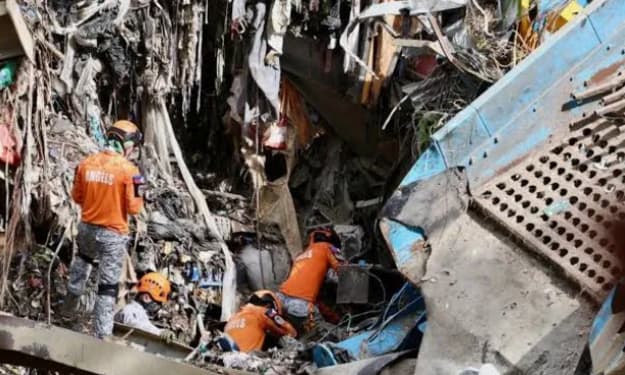
In the early hours following a devastating garbage avalanche in the Philippines, rescuers reported detecting “signs of life” beneath tons of waste, igniting a fragile sense of hope amid widespread grief and uncertainty. The deadly incident, which claimed at least four lives and left dozens missing, has drawn national attention to the dangers faced by communities living near massive waste disposal sites.
By Aqib Hussain7 days ago in Earth



Comments
There are no comments for this story
Be the first to respond and start the conversation.