
The India-Pakistan War of 2025: A Hypothetical Analysis of Escalation, Consequences, and Peace Prospects
Exploring the causes, scenarios, and global impact of a hypothetical military conflict between India and Pakistan in 2025—and the lessons it teaches about diplomacy and deterrence.


Introduction: A Tense Flashpoint Reimagined
India and Pakistan—two neighboring nuclear-armed nations with a long history of conflict—have often teetered dangerously close to open warfare. Though peace has prevailed despite decades of tension, many wonder: what if diplomacy failed in 2025? In this hypothetical analysis, we explore how such a war could begin, escalate, and impact not just South Asia but the world.
1. The Spark: How Could War Begin in 2025?
Hypothetically, a major terrorist attack in India, traced back to Pakistani soil, could ignite new tensions. Despite diplomatic backchannels, India might launch a limited military strike—a repeat of 2019’s Balakot incident, but deadlier.
Pakistan could respond not just militarily, but also through cyberattacks and airspace violations. In a world where nationalism is on the rise and social media fans every flame, escalation becomes harder to contain.
2. The Escalation: From Surgical Strikes to All-Out War
If retaliation spirals, both countries might engage in full-scale warfare across the Line of Control (LoC) and international borders.
India may mobilize conventional forces for deep strikes into PoK (Pakistan-occupied Kashmir).
Pakistan could launch counter-offensives in Punjab or attempt airspace dominance.
Cyber warfare and drone technology would play key roles, disabling communications, targeting military infrastructure, and even triggering urban panic.
3. Nuclear Brinkmanship: Would the Unthinkable Happen?
Both countries possess nuclear weapons under a “No First Use” doctrine (India officially, Pakistan unofficially disputed). In a rapidly escalating conflict, however, the possibility of tactical nuclear weapons being deployed cannot be ruled out.
Global watchdogs and intelligence agencies would scramble to intervene diplomatically. China, the U.S., Russia, and the UN would likely push for immediate ceasefires to prevent a humanitarian catastrophe.
4. Civilian Toll and Infrastructure Collapse
A prolonged war would result in:
Massive civilian displacement in Kashmir, Punjab, and border towns.
Economic collapse, especially for Pakistan, with reserves plummeting and international sanctions rising.
Infrastructure devastation, including power grids, railways, and internet shutdowns.
Even in a “limited war,” over 100,000+ casualties are not unlikely given population density and military preparedness on both sides.
5. Global Repercussions
The global economic and political fallout could be severe:
Oil prices spike due to instability in Asia.
Refugee crises emerge as civilians flee conflict zones.
Cyber ripple effects impact financial systems worldwide.
Alliances strain as countries choose sides or attempt neutrality.
South Asia, already vulnerable, would face years of rebuilding—both physically and emotionally.
6. The Endgame: Diplomacy or Defeat?
No modern war between nuclear states can truly be “won.” A ceasefire would likely come through intense pressure from global superpowers and humanitarian disaster relief organizations.
Backchannel talks might restart in Geneva, Istanbul, or Doha. Both countries would face mounting international debt and political backlash. Domestic movements for peace could rise, demanding a long-term resolution to the Kashmir conflict.
7. Lessons From the Hypothetical War
Diplomacy must be constant, not reactive.
Social media moderation is crucial to stop misinformation and hate.
Nuclear restraint must be reinforced through global treaties.
Joint economic projects, like water-sharing or tech infrastructure, may build mutual trust.
Conclusion: A Wake-Up Call, Not a Forecast
This hypothetical India-Pakistan war in 2025 is not a prediction—it’s a warning. The path of conflict is not just devastating—it’s mutually self-destructive.
Peace requires effort, patience, and sometimes silence louder than war drums. For two nations that share history, culture, and geography, the future doesn’t have to be written in fire.
About the Creator
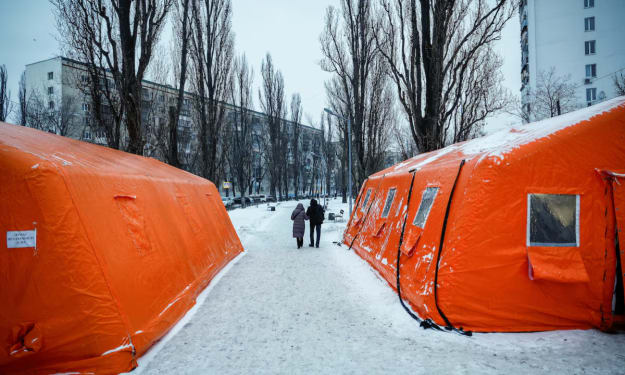
Ukraine’s Two Largest Cities Under Russian Attack
Ukraine’s war reality took another grim turn as officials confirmed that Russia launched fresh attacks on Ukraine’s two largest cities, Kyiv and Kharkiv, leaving at least one person dead and several others injured. The strikes underscore how, even years into the conflict, urban centers and civilian life remain deeply vulnerable to escalating military operations.
By Muhammad Hassan2 days ago in Earth
georgia power outage map
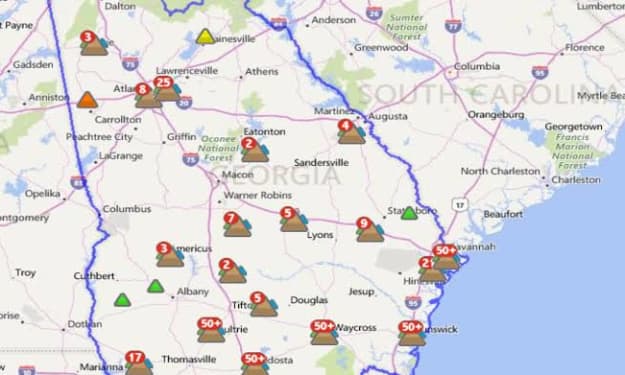
Power outages can be stressful, especially when they happen unexpectedly during severe weather. In Georgia, where storms, heavy rain, and strong winds are common, residents rely on accurate and timely information to stay prepared. One of the most trusted tools during these moments is the Georgia Power outage map, which provides real-time updates about electricity disruptions across the state. As Georgia weather continues to grow more unpredictable, understanding how to use this resource — and how it connects with local news coverage — has become increasingly important for households, businesses, and travelers alike. What Is the Georgia Power Outage Map? The Georgia Power outage map is an online platform that shows active power outages throughout Georgia. It allows users to view affected areas, the number of customers without power, and estimated restoration times. The map updates regularly, making it a reliable source during fast-changing situations such as thunderstorms or widespread weather events. During major storms, residents often check the outage map alongside local Atlanta news broadcasts to confirm whether power interruptions are isolated or part of a larger issue. This combination of real-time data and trusted reporting helps people make informed decisions. The Role of Weather in Atlanta Power Outages Weather in Atlanta can shift rapidly, particularly during spring and summer storm seasons. Thunderstorms, lightning strikes, falling trees, and high winds frequently contribute to power disruptions. Even during winter, ice accumulation and strong gusts can damage power lines and equipment. Meteorologists covering weather Atlanta events often explain how certain conditions increase the risk of outages. When these forecasts are paired with updates from Georgia Power, residents gain a clearer picture of what to expect before, during, and after a storm. Local outlets like WSBTV and Channel 2 News regularly provide storm coverage that includes outage information. Their reporting often highlights which counties or neighborhoods are most affected, offering context that goes beyond the map alone. Why Local News Coverage Matters While the outage map shows where electricity is down, local journalism adds depth and explanation. Atlanta news stations frequently interview GA Power representatives, emergency officials, and meteorologists to explain restoration efforts and safety concerns. For example, WSBTV may report on how many repair crews are deployed or whether road closures are slowing response times. Channel 2 News often shares safety reminders, such as avoiding downed power lines or using generators responsibly. This type of coverage is especially valuable during large-scale outages caused by severe Georgia weather, when thousands of customers may be affected at once. Impact on Travel and Critical Infrastructure Power outages don’t only affect homes. Transportation hubs, hospitals, and businesses must also prepare for potential disruptions. The Atlanta airport, one of the busiest in the world, closely monitors regional power conditions. Although the airport has backup power systems, widespread outages in surrounding areas can still cause delays or operational challenges. That’s why outage updates are often mentioned during breaking Atlanta news, especially when storms impact travel schedules. Businesses across metro Atlanta also rely on timely updates to decide whether to close early, switch to backup systems, or allow employees to work remotely. How Georgia Power Responds to Outages When outages occur, Georgia Power dispatches crews to assess damage and begin repairs as quickly as possible. Restoration times can vary depending on the severity of the damage and the number of customers affected. During major storms, GA Power often prioritizes critical facilities such as hospitals and emergency services. Local news outlets frequently explain this process so customers understand why some areas regain power sooner than others. By checking the outage map and following updates from Atlanta news sources, residents can track progress without relying on rumors or unverified social media posts. Staying Prepared During Georgia Weather Events Preparation is key when it comes to power outages. Experts recommend keeping emergency supplies on hand, including flashlights, batteries, and portable phone chargers. Staying informed through trusted sources like WSBTV, Channel 2 News, and official Georgia Power updates can reduce uncertainty during stressful situations. Understanding both weather in Atlanta forecasts and outage data allows residents to plan ahead — whether that means charging devices early, adjusting travel plans, or checking on vulnerable neighbors. Final Thoughts The Georgia Power outage map has become an essential tool for navigating power disruptions across the state. When combined with accurate reporting from Atlanta news outlets and up-to-date Georgia weather forecasts, it provides a clear and reliable picture during uncertain times. In a region where storms can develop quickly, staying informed isn’t just convenient — it’s necessary. By using the outage map and following trusted local coverage, Georgians can remain prepared, connected, and safer when the power goes out.
By Saboor Brohi about 18 hours ago in Earth


Comments
There are no comments for this story
Be the first to respond and start the conversation.