
The impact of climate change on the environment
A critical analysis of the causes and effects of climate change and the need for action.

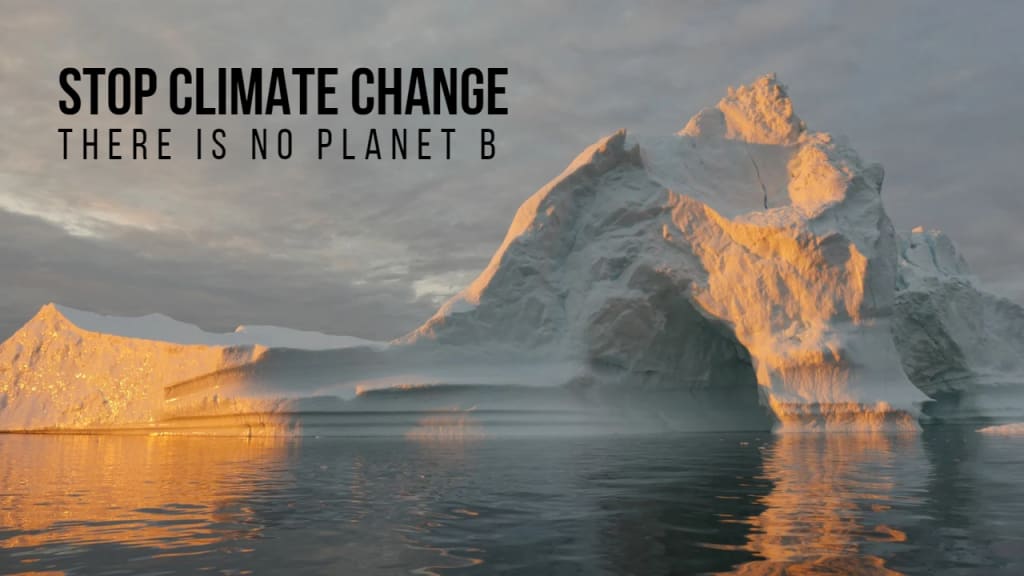
Climate change is one of the most pressing issues facing our planet today. It refers to the gradual increase in the Earth's average surface temperature, which is primarily caused by human activities such as burning fossil fuels, deforestation, and industrial processes. This increase in temperature has numerous impacts on the environment, including changes in weather patterns, rising sea levels, and loss of biodiversity. In this essay, we will discuss the impact of climate change on the environment in more detail.
One of the most visible impacts of climate change is changes in weather patterns. As the Earth's temperature rises, we are seeing more extreme weather events such as heatwaves, droughts, and hurricanes. These events can cause significant damage to the environment and human infrastructure, including destruction of homes, loss of crops, and damage to natural ecosystems. The frequency and severity of these events are expected to increase as the Earth's temperature continues to rise.
Another impact of climate change is rising sea levels. As the polar ice caps melt, sea levels are rising, which is causing coastal erosion, flooding, and loss of habitat for many species. This can have significant economic impacts as well, as coastal communities are threatened by rising sea levels and must invest in costly measures to protect themselves.
Climate change is also having a significant impact on biodiversity. As temperatures rise, many species are being forced to move to new habitats, which can disrupt entire ecosystems. This can lead to the extinction of some species and the emergence of new ones. Additionally, changes in temperature and weather patterns can alter the timing of seasonal events such as migration and breeding, which can further disrupt ecosystems.
In addition to these impacts, climate change is also affecting human health. As temperatures rise, we are seeing an increase in the prevalence of diseases such as malaria, dengue fever, and other mosquito-borne illnesses. This is due to the fact that warmer temperatures allow mosquitoes to thrive and spread disease more easily. Additionally, extreme weather events such as heatwaves can lead to heat stroke and other health problems, especially in vulnerable populations such as the elderly and those with preexisting health conditions.
Despite the many negative impacts of climate change, there are steps that we can take to mitigate its effects. One of the most important steps is to reduce our greenhouse gas emissions. This can be achieved through a variety of measures, such as transitioning to renewable energy sources, reducing our energy consumption, and investing in public transportation. Additionally, we can support initiatives that promote reforestation, conservation of natural habitats, and sustainable agriculture practices.There are numerous steps that can be taken to prevent climate change and mitigate its effects. One of the most important steps is to transition away from fossil fuels and towards renewable energy sources such as solar, wind, and geothermal. This can be achieved through government policies that promote the development of renewable energy infrastructure, such as tax incentives and subsidies.
Another important step is to increase energy efficiency. This can be achieved through initiatives such as upgrading buildings with energy-efficient technologies, improving public transportation, and encouraging the use of electric and hybrid vehicles. Additionally, reducing waste and recycling can also help to reduce greenhouse gas emissions, as less waste means less methane emissions from landfills.
Conservation and preservation of natural habitats are also important in preventing climate change. Deforestation is a major contributor to greenhouse gas emissions, as trees absorb carbon dioxide from the atmosphere. Protecting and restoring forests can help to reduce emissions and preserve biodiversity. Additionally, preserving wetlands and other natural habitats can help to absorb carbon dioxide from the atmosphere and protect vulnerable species from the effects of climate change.
Finally, individual actions can also make a difference. Small changes in our daily lives, such as reducing our meat consumption, using energy-efficient appliances, and reducing our reliance on single-use plastics, can help to reduce our carbon footprint and contribute to the fight against climate change.
In conclusion, there are numerous steps that can be taken to prevent climate change and mitigate its effects. Transitioning to renewable energy sources, increasing energy efficiency, preserving natural habitats, and individual actions are all important in the fight against climate change. It is important that we all do our part to protect our planet and ensure a sustainable future for generations to come.
In conclusion, climate change is having a significant impact on the environment, including changes in weather patterns, rising sea levels, loss of biodiversity, and threats to human health. It is important that we take action to mitigate these effects by reducing our greenhouse gas emissions and supporting initiatives that promote sustainable practices. By working together, we can help to ensure that our planet remains healthy and habitable for generations to come
About the Creator
Abdullah Javaid Khan
Im a Passionate Writer with a talent for crafting compelling stories and insightful commentary. With 2 Years Of experience in the writing industry,i have honed skills across a range of genres,from fiction to facts,journaslism to poetry.
Keep reading
More stories from Abdullah Javaid Khan and writers in Earth and other communities.
"The Fury of Nature"
Natural disasters refer to events that occur in the environment and cause significant damage to life, property, and the natural environment. These events can be caused by natural phenomena such as earthquakes, hurricanes, floods, wildfires, tornadoes, landslides, tsunamis, volcanic eruptions, and droughts. Natural disasters can have devastating effects on communities and countries, causing loss of life, economic damage, and displacement of people.
By Abdullah Javaid Khan3 years ago in Earth
A Teenager’s Death on an Untamed Island Has Put the Spotlight on Its Inhabitants
The death of a teenager on a remote, untamed island has sent shockwaves far beyond its shores. What was once seen as a place of raw beauty, adventure, and ecological wonder is now at the center of a difficult conversation about human safety, wildlife conservation, and the true cost of nature-based tourism.
By Muhammad Hassan3 days ago in Earth
Trump Says Rare Earths Are Part of His Greenland Deal: It’s ‘Completely Bonkers
In 2019, former U.S. President Donald Trump stirred controversy by proposing that the United States purchase Greenland, the vast Arctic island governed by Denmark. While many thought the idea was simply outlandish — or even absurd — one of the most unexpected elements of his pitch was his suggestion that the purchase could help secure rare earth elements. Trump’s words that rare earths were a part of his Greenland deal were met with shock and disbelief. Critics quickly dismissed the notion, calling it “completely bonkers.” But what are rare earths, and why would they have mattered in this context? And more importantly, does Trump’s claim about Greenland’s strategic value hold any weight?
By Muhammad Hassan5 days ago in Earth



Comments
There are no comments for this story
Be the first to respond and start the conversation.