
The Impact of Climate Change on Global Agriculture
The Challenges and Solutions for Agriculture in a Changing Climate

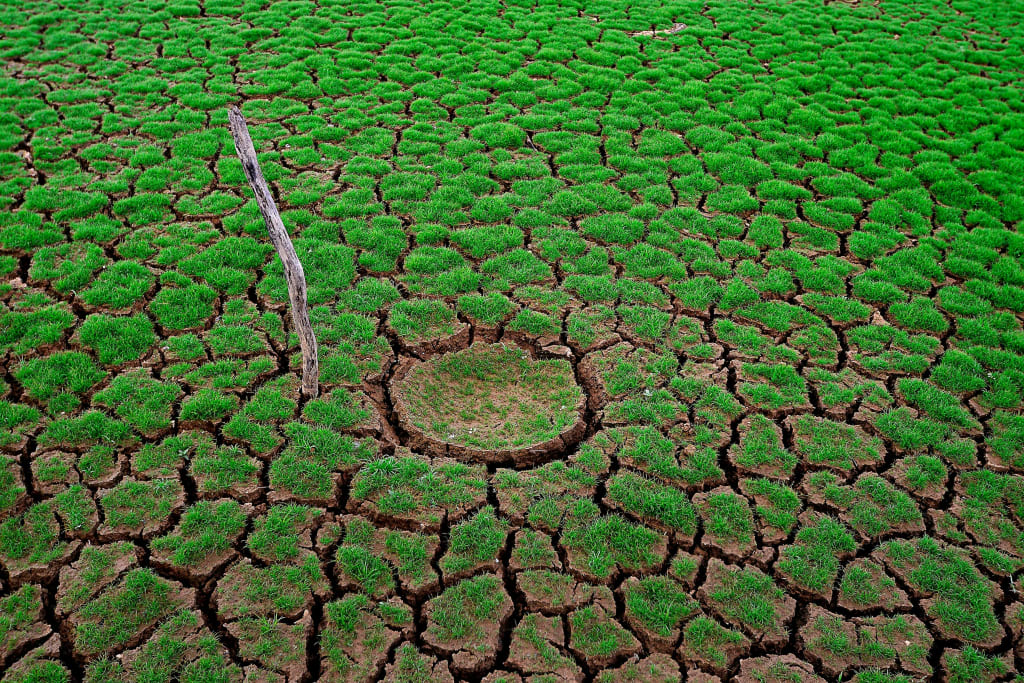
The Impact of Climate Change on Global Agriculture
Climate change has emerged as one of the most pressing challenges facing humanity today. Its effects ripple across ecosystems, economies, and societies, with global agriculture among the most vulnerable sectors. Agriculture is inherently tied to weather and climate patterns, making it particularly sensitive to shifts caused by rising temperatures, changing precipitation, and extreme weather events. Understanding how climate change impacts global agriculture is crucial for ensuring food security and sustainable development in the decades ahead.
How Climate Change Affects Agriculture
Agriculture depends heavily on stable climatic conditions. Changes in temperature, rainfall patterns, and the frequency of droughts or floods can dramatically alter crop growth, livestock productivity, and soil health.
1. Rising Temperatures
Increased global temperatures influence crop yields in complex ways. While some crops may benefit from longer growing seasons in cooler regions, many staple crops such as wheat, maize (corn), and rice experience yield declines under heat stress. Higher temperatures can accelerate plant maturation, reducing the time for grain filling, leading to smaller yields and lower nutritional quality.
Heat stress also impacts livestock by reducing feed intake, growth rates, reproduction, and increasing mortality. Animals under thermal stress become more susceptible to diseases and produce less milk or meat.
2. Changes in Precipitation Patterns
Climate change affects the distribution and timing of rainfall. Some regions are expected to experience more intense rainfall and flooding, while others face prolonged droughts. Both extremes pose challenges to agriculture:
Flooding can damage crops, erode soils, and disrupt planting cycles. Waterlogged soils reduce oxygen availability to roots and encourage fungal diseases.
Droughts limit water availability for irrigation and reduce soil moisture essential for crops. Drought stress can cause stunted growth, poor yields, and crop failure.
Irrigation-dependent farming systems are particularly vulnerable in regions where water resources are becoming scarce due to shifting precipitation and melting glaciers.
3. Increased Frequency of Extreme Weather Events
More frequent and intense storms, hurricanes, and heatwaves are direct consequences of climate change. These events can devastate agricultural infrastructure, destroy crops and livestock, and disrupt supply chains.
4. Pests and Diseases
Warmer temperatures and changing climates can expand the range and activity period of many agricultural pests and diseases. Crops and livestock may face new threats, requiring more intensive management and increased use of pesticides or veterinary care.
5. Soil Degradation
Climate change can exacerbate soil erosion, loss of organic matter, and degradation of soil structure. Changes in precipitation and temperature can reduce soil fertility and carbon storage capacity, impacting long-term productivity.
Regional Impacts of Climate Change on Agriculture
The effects of climate change are not uniform across the globe. Different regions experience distinct challenges based on their geography, climate, and agricultural systems.
Tropics and Subtropics: These regions, home to many developing countries, are particularly vulnerable. Higher temperatures combined with droughts threaten food production and increase the risk of hunger. Many farmers rely on rainfed agriculture, making them highly sensitive to precipitation changes.
Temperate Regions: Some areas in Europe, North America, and parts of Asia may benefit initially from longer growing seasons and CO₂ fertilization (where higher CO₂ levels boost plant growth). However, this benefit is often offset by heat stress, water scarcity, and extreme weather.
Small Island States: Rising sea levels and saltwater intrusion threaten coastal agricultural lands. These nations face compounded risks from climate change and limited land availability.
Implications for Food Security
Agriculture is the backbone of global food systems, and disruptions in production can lead to food shortages, price spikes, and increased malnutrition. Vulnerable populations, especially in low-income countries, are at greatest risk.
Food insecurity caused by climate change can fuel social instability, migration, and conflicts. Moreover, as agriculture contributes to greenhouse gas emissions, unsustainable farming practices can create a feedback loop that worsens climate change.
Adaptation and Mitigation Strategies
Addressing the impact of climate change on agriculture requires coordinated efforts to both adapt farming practices and reduce agriculture’s environmental footprint.
1. Climate-Smart Agriculture
This approach integrates sustainable practices to increase productivity, build resilience, and reduce emissions. Examples include:
Crop diversification and rotation
Conservation tillage to preserve soil health
Efficient water management and irrigation techniques
Agroforestry systems combining trees with crops or livestock
2. Developing Climate-Resilient Crops
Research into drought-resistant, heat-tolerant, and pest-resistant crop varieties is vital. Biotechnology and traditional breeding methods can help farmers adapt to changing conditions.
3. Improved Weather Forecasting and Early Warning Systems
Accurate and timely weather data can help farmers plan planting and harvesting schedules and prepare for extreme events.
4. Policy and Financial Support
Governments and international organizations must support farmers through subsidies, insurance, and extension services that promote sustainable practices.
5. Reducing Agricultural Emissions
Shifting to regenerative agriculture, improving fertilizer use efficiency, and managing livestock emissions can reduce agriculture’s carbon footprint.
Conclusion
Climate change poses a multifaceted challenge to global agriculture, threatening food production and livelihoods worldwide. While some regions may see short-term benefits, the overall impact is expected to be negative and disproportionately affect vulnerable populations.
Ensuring a sustainable food future requires urgent action to adapt agricultural systems to new climatic realities while mitigating the sector’s contributions to global warming. By embracing innovation, policy support, and sustainable farming, humanity can build resilient food systems capable of nourishing a growing population despite the uncertainties of climate change.
About the Creator
Muhammad ali
i write every story has a heartbeat
Every article starts with a story. I follow the thread and write what matters.
I write story-driven articles that cut through the noise. Clear. Sharp truths. No fluff.
Keep reading
More stories from Muhammad ali and writers in Earth and other communities.
O-Ring Seals Market Size and Forecast 2025–2033
Introduction In an era defined by advanced engineering, sustainability goals, and performance efficiency, the smallest components often play the biggest roles. Among these unsung heroes of modern manufacturing are O-ring seals—simple, circular devices that quietly prevent leaks, ensure safety, and keep critical systems functioning under extreme conditions.
By Aaina Oberoi6 days ago in Earth
Tidal Barrier to Be 10m Shorter to Save Money
Rethinking Flood Protection in Somerset If you live near the coast, the threat of flooding isn’t just news — it’s a reality you can feel. That’s the situation in Bridgwater, Somerset, a historic market town near the Bristol Channel. For years, plans have been underway to build a tidal barrier to protect homes, businesses, and livelihoods from storm surges. Now, new updates reveal the barrier will be about 10 metres shorter than originally planned, a decision aimed at reducing costs while still keeping the town safe. This announcement has sparked conversations about engineering, budgets, and how communities adapt to climate challenges. Why the Barrier Is Being Shortened The Bridgwater Tidal Barrier was initially designed to be a high-profile flood defence, protecting thousands of properties from tidal surges that travel up the River Parrett. But after a recent design efficiency review, engineers concluded the barrier could be slightly shorter without compromising safety. Reducing the barrier by 10 metres lowers construction complexity, saves money, and reduces long-term maintenance costs. The Environment Agency and local authorities say this approach allows the project to move forward on time and on budget, ensuring the community gets protection sooner rather than later. The Cost Factor Public infrastructure projects like this don’t happen in a vacuum. Rising inflation, global supply chain disruptions, and labor shortages have increased costs for large-scale projects. Officials argue that the revised design is a responsible compromise: it balances cost savings with safety. Somerset Council leaders have welcomed the decision, noting that managing costs wisely helps the project reach completion without compromising protection for residents. Community Voices and Concerns Local engagement has been a key part of the project. Residents have attended consultations and drop-in sessions to see the updated plans and ask questions. Some community members appreciate the cost savings and faster timeline. Others worry whether a shorter barrier will be as effective against future extreme weather events. Questions include: Will the barrier remain strong against increasingly unpredictable storms? Does reducing the height limit future adaptability as climate impacts grow? What effect might it have on local ecosystems and fish habitats? These are valid concerns, reflecting how communities are increasingly involved in climate adaptation decisions. Engineering Flood Defence Today Tidal barriers are not new — Britain has relied on them for decades. London’s Thames Barrier, for instance, has protected the capital since the 1980s. But today, rising sea levels and more frequent storms mean engineers must balance safety, cost, and environmental impact carefully. In Bridgwater, officials say the revised barrier will still protect against 1-in-200-year tidal events. It’s designed to provide robust safety now while remaining adaptable for the future. The Human Side of Flood Protection It’s easy to get lost in numbers and metres, but behind the design decisions are real people. Residents depend on reliable flood protection to feel secure in their homes and communities. For families, businesses, and local services, knowing a barrier is being built — even a slightly shorter one — provides peace of mind. It’s not just a structure; it’s a symbol of resilience and preparedness. Next Steps for the Barrier The Bridgwater project is still under construction, with the revised design undergoing final refinements. Once completed, the tidal barrier will provide long-term protection for thousands of properties and critical infrastructure in Somerset. Officials emphasize that the shortened design does not compromise safety. If anything, staying on budget ensures the project is completed faster, meaning protection arrives sooner for the community. A Lesson in Climate Adaptation The story of the Bridgwater Tidal Barrier is more than engineering or economics. It’s about how communities respond to climate risks and how governments make tough choices balancing safety, cost, and sustainability. The barrier being 10 metres shorter may seem small on paper, but it reflects a larger truth: infrastructure planning today is as much about community engagement, adaptability, and long-term resilience as it is about concrete and steel. By keeping people involved and making informed, cost-effective decisions, Somerset shows how towns can adapt to climate change without sacrificing safety. Conclusion The Bridgwater Tidal Barrier demonstrates that infrastructure projects in the 21st century must adapt to multiple pressures: climate change, financial constraints, and community expectations. While the barrier is slightly shorter than originally planned, it remains a critical line of defence against flooding. More importantly, it highlights the importance of public involvement, transparency, and strategic planning in building a resilient community. For Bridgwater residents, the message is clear: the tide may rise, storms may come, but with smart planning and community engagement, the town will be ready
By Muhammad Hassan3 days ago in Earth
Wild Card Weekend Recap: What Happens Now?
I think I figured out why I love Wild Card Weekend so much. It's because it's the first playoff anything of the calendar year. The NFL season starts in the fall, and once upon a time, the champion was crowned either on or slightly before New Year's. The evolution of the NFL schedule has resulted in the playoffs starting just into the New Year, and currently, the final week of the season falls on the first weekend of the New Year, with Wild Card Weekend coming a week after that. So yes, chronologically, the NFL's Wild Card Weekend serves as the first playoff anything of the calendar year.
By Clyde E. Dawkins7 days ago in Unbalanced


Comments
There are no comments for this story
Be the first to respond and start the conversation.