
The Future of Sustainable Transportation
Medium is Ocbt follow.

The transportation sector holds a crucial position in contemporary society, facilitating the smooth movement of individuals and goods over extensive distances. Nevertheless, as apprehensions surrounding climate change and environmental repercussions intensify, the demand for sustainable transportation has reached unparalleled levels. This article delves into the promising outlook of sustainable transportation, investigating the remarkable progress in eco-friendly technologies and the hurdles that must be overcome to successfully transition towards a greener and more effective transportation system.
Advancements in Sustainable Transportation Technologies
. Electric Vehicles (EVs): Electric vehicles have emerged as a promising alternative to traditional internal combustion engine vehicles. Advances in battery technology have led to improved range, reduced charging times, and increased affordability. As more countries and cities pledge to phase out petrol and diesel vehicles, the adoption of EVs is expected to surge, significantly reducing greenhouse gas emissions and air pollution.
. Hybrid Vehicles: Hybrid vehicles combine electric motors with internal combustion engines, offering improved fuel efficiency and lower emissions. They serve as a transitionary technology, easing consumers into the electric revolution while minimizing their carbon footprint.
. Public Transportation Innovations: Public transportation plays a critical role in sustainable mobility. The integration of renewable energy sources to power public transit systems and the implementation of smart technologies to optimize routes and reduce congestion are key advancements in this area.
. Shared Mobility Services: Ride-sharing platforms and car-sharing programs promote more efficient use of vehicles, reducing the number of cars on the road and encouraging the adoption of greener transportation options.
. Green Aviation: The aviation industry is exploring sustainable alternatives, such as electric and hybrid aircraft, biofuels, and more aerodynamic designs, to reduce carbon emissions from air travel.
. Alternative Fuels: Research into alternative fuels, such as hydrogen and biofuels, is ongoing, aiming to provide greener options for various transportation modes.
Challenges in Achieving Sustainable Transportation
Challenges in Achieving Sustainable Transportation
While significant progress has been made in sustainable transportation, several challenges hinder its widespread adoption:
. Infrastructure Development: Building the necessary infrastructure for charging stations, hydrogen fueling stations, and alternative fuel distribution remains a significant challenge. It requires substantial investment and coordination among various stakeholders.
. Range Anxiety: Concerns over the limited range of electric vehicles and the availability of charging infrastructure deter some consumers from making the switch to EVs.
. Battery Disposal: The increased use of lithium-ion batteries in EVs raises concerns about proper recycling and disposal methods to minimize environmental impact.
. Costs: While prices for sustainable transportation technologies are gradually decreasing, they still represent a financial barrier for many consumers, especially in developing regions.
. Policy and Regulations: Inconsistent or inadequate policies and regulations can impede the growth of sustainable transportation. Clear and supportive government initiatives are essential to drive the transition to greener alternatives.
. Intermodal Integration: Creating seamless connections between various transportation modes (e.g., buses, trains, bicycles) is essential for encouraging multimodal and sustainable travel.
. Behavioral Change: Encouraging individuals to embrace sustainable transportation options and alter their travel habits requires a shift in societal attitudes and cultural norms.
The Importance of Collaborative Efforts
Addressing the challenges and accelerating the adoption of sustainable transportation requires collaborative efforts from governments, industries, academia, and individuals. Some strategies to promote sustainable transportation include:
. Incentives: Governments can offer financial incentives, tax breaks, or subsidies to encourage the purchase of electric and hybrid vehicles and the development of sustainable transportation infrastructure.
. Investment in Research: Continued investment in research and development of sustainable technologies is crucial to drive innovation and make eco-friendly options more affordable and accessible.
. Education and Awareness: Raising awareness about the benefits of sustainable transportation and the environmental impact of traditional modes of travel can promote behavioral change among consumers.
. Public-Private Partnerships: Collaborative efforts between public and private sectors can expedite infrastructure development and promote the integration of sustainable transportation options.
. Urban Planning: Cities can prioritize public transportation, cycling lanes, and pedestrian-friendly infrastructure to reduce car dependency and promote sustainable commuting.
The future of sustainable transportation holds immense promise in mitigating climate change and reducing the environmental footprint of the transportation sector. Advancements in electric vehicles, public transportation, shared mobility, and green aviation demonstrate the ongoing commitment to eco-friendly alternatives.
However, to fully realize the potential of sustainable transportation, we must address the challenges of infrastructure, costs, and behavioral change. Collaborative efforts among governments, industries, and individuals are essential in creating a greener, more efficient, and interconnected transportation system.
By embracing sustainable transportation technologies and adopting eco-friendly travel habits, we can pave the way for a cleaner, healthier, and more sustainable future for generations to come.
About the Creator
Supreme Court Set to Issue Rulings, with Trump Tariffs Case Still Pending
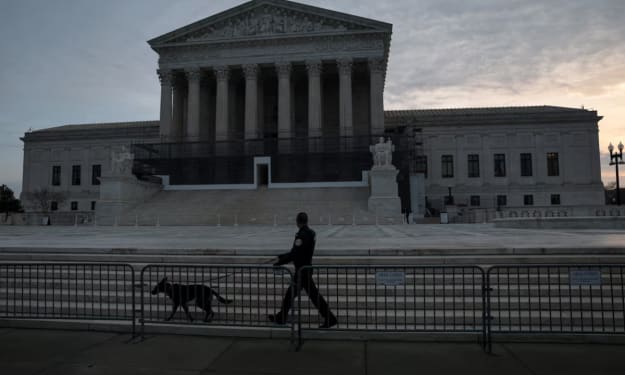
The U.S. Supreme Court is gearing up for a series of critical rulings that could have far-reaching effects on American politics, the economy, and ongoing legal controversies involving former President Donald Trump. Among these high-profile cases is the long-awaited decision on the Trump tariffs case, which remains unresolved and continues to draw national attention. A Pivotal Moment for the Supreme Court The Supreme Court, as the highest judicial body in the United States, has the power to shape not only legal precedent but also economic and political landscapes. Every term, the Court issues decisions that can influence everything from civil liberties to federal policies. This session, observers are particularly focused on cases involving trade, executive power, and regulations implemented during Trump’s administration. The Trump tariffs case, in particular, highlights the tension between presidential authority and congressional oversight. The case challenges certain tariffs imposed by Trump on imports from countries like China, Mexico, and the European Union, arguing that they exceeded the executive branch’s authority and bypassed proper legislative procedures. What the Trump Tariffs Case Is About During his presidency, Donald Trump frequently used tariffs as a tool to bolster U.S. manufacturing, address trade imbalances, and pressure foreign governments into renegotiating trade deals. While some praised these measures for protecting domestic industries, critics argued that they overstepped legal boundaries and caused economic strain on American consumers. The case currently pending before the Supreme Court examines whether Trump acted within his executive authority when imposing these tariffs. Legal analysts note that a ruling against Trump could set a precedent limiting future presidents’ power to unilaterally impose trade restrictions without congressional approval. Conversely, a ruling in his favor could reinforce broad executive powers in trade matters. Broader Implications for Trade and the Economy The Supreme Court’s decision is more than just a legal formality—it has significant economic implications. If the Court rules that the tariffs were unlawful, the U.S. could face demands to refund millions in duties collected, impacting businesses and international trade relations. Companies that relied on protective tariffs to compete in global markets might also face increased competition from foreign imports. On the other hand, upholding the tariffs could embolden future administrations to take aggressive action in trade disputes, potentially triggering new tensions with other countries. Investors, trade associations, and policymakers are closely monitoring these developments, as the ruling could influence stock markets, trade negotiations, and long-term economic strategies. Political Stakes Remain High Beyond economics, the Trump tariffs case has political dimensions. Donald Trump’s legal and political team is watching the case closely, as the outcome could influence his broader legal battles and political ambitions. While the case focuses on trade, it also touches on questions of executive authority, a topic central to debates about checks and balances in the U.S. government. Democrats and Republicans alike are analyzing the case for its potential impact on future administrations. Some lawmakers have expressed concern that a broad interpretation of executive power could set a dangerous precedent, allowing presidents to implement sweeping economic measures without sufficient legislative oversight. Other Supreme Court Decisions to Watch While the Trump tariffs case is the most high-profile, the Supreme Court is expected to issue rulings on several other major issues this session, including voting rights, environmental regulations, and federal agency authority. Each decision could have ripple effects across the nation, shaping laws and policies for years to come. Observers are particularly interested in cases that intersect with current political debates. With midterm elections approaching, the timing of these rulings could influence public opinion, political campaigns, and legislative priorities. What Comes Next For now, all eyes remain on the Supreme Court. Legal experts are divided on the likely outcome of the Trump tariffs case, with some predicting a narrow decision and others expecting broader implications. Regardless of the verdict, the ruling will be closely studied by policymakers, businesses, and citizens alike. In the meantime, companies affected by tariffs, trade advocates, and political analysts continue to prepare for potential scenarios. Whether the Court sides with Trump or challenges his administration’s actions, the ruling will shape the legal landscape for presidential authority and U.S. trade policy for years to come. Final Thoughts The Supreme Court’s upcoming rulings, particularly on the Trump tariffs case, underscore the enduring tension between executive authority, congressional oversight, and judicial interpretation. These decisions will not only influence the immediate legal battle but could also redefine the boundaries of presidential power and trade policy in the United States. For citizens, investors, and policymakers, understanding the implications of these rulings is crucial. As the nation waits for the Court’s verdict, one thing is clear: the outcome will resonate far beyond the courtroom, affecting politics, economics, and the balance of power in Washington, D.C.
By Muhammad Hassan4 days ago in Earth
Arrests After Responders Are Struck at Scene of Crash
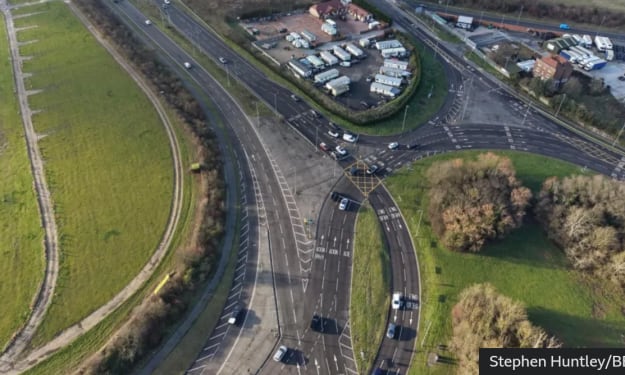
Emergencies often put first responders on the front line, but a recent incident has highlighted the risks they face from more than just the crisis at hand. Authorities have confirmed multiple arrests after paramedics and police officers were struck while attending the scene of a serious crash. The shocking episode has sparked widespread concern about the safety of emergency personnel and the growing need for stricter enforcement and public awareness. The incident, which unfolded during the early evening rush hour, underscores the vulnerability of those who rush toward danger to protect others, and serves as a grim reminder that not all threats come from the scene itself. The Incident Unfolds According to police reports, first responders were attending a multi-vehicle collision on a busy highway when the situation escalated. While traffic was being controlled and victims assisted, several responders were struck. Initial reports suggest that at least two officers and one paramedic sustained injuries, though thankfully none are life-threatening. Eyewitnesses described scenes of confusion and panic as vehicles failed to slow down near the crash site. Some drivers reportedly ignored cones, flares, and law enforcement instructions, creating dangerous conditions that forced responders to take evasive action. The risk was compounded by poor visibility due to evening darkness and wet road conditions. Arrests and Legal Action Police confirmed that multiple individuals were arrested in connection with the incident. Charges include reckless driving, assault on emergency personnel, and obstruction of justice. Authorities stressed that this kind of behaviour will not be tolerated, emphasizing the seriousness of endangering first responders. The arrests have been welcomed by both local officials and the wider emergency services community. Speaking to the media, a senior officer stated, “We will pursue anyone who puts our officers and paramedics at risk. Responders deserve respect and protection while performing their duties.” The Growing Danger for First Responders This event is part of a troubling trend seen in many regions worldwide. First responders—paramedics, firefighters, and police officers—are increasingly exposed to risks not only from the emergencies they attend but also from the public they serve. Distracted driving, aggressive behaviour, and disregard for traffic laws can transform even routine call-outs into life-threatening situations. According to safety studies, responders are far more likely to be injured at crash scenes than the individuals involved in the accidents themselves. Officials say the combination of high-speed traffic, congestion, and public impatience can make emergency scenes extremely hazardous, highlighting the need for both public awareness campaigns and strict enforcement of safety regulations. Eyewitness Accounts Bystanders at the scene described scenes of confusion and bravery. One witness said, “The responders were working quickly to help victims, but some drivers just didn’t stop or move over. It was terrifying to see them getting hit while trying to save lives.” Another observer praised the quick action of law enforcement, stating, “The officers and paramedics kept calm under pressure, directing traffic and helping the injured. It could have been much worse if they hadn’t acted so decisively.” These accounts underscore the thin line between order and chaos at crash sites, and the courage required to navigate it. Emergency Services Speak Out The incident has prompted statements from multiple emergency service organisations, calling for public cooperation and respect for responders. Paramedics and police unions highlighted that assaults on personnel are not just a legal issue—they are a public safety issue. Officials reiterated that the presence of cones, flares, and law enforcement officers is not optional. They are part of critical safety protocols designed to protect both responders and the general public. Ignoring these warnings can lead to serious legal consequences, including arrest. Public Responsibility Experts say that public behaviour plays a crucial role in preventing these incidents. Simple actions such as slowing down near crash sites, following police directions, and keeping a safe distance from emergency personnel can dramatically reduce risk. In many countries, laws require drivers to move over for emergency vehicles and personnel on highways. Failure to comply can result in fines, points on a driver’s license, or even criminal charges if someone is injured. The recent arrests serve as a high-profile reminder that such laws are actively enforced. Broader Implications for Road Safety The incident also raises questions about infrastructure and traffic management near high-risk areas. Emergency planners emphasise the need for proper signage, road design, and public education campaigns to reduce the likelihood of similar events. Technology may play a role in the future. From warning lights and automated traffic alerts to smart navigation apps that alert drivers to emergency scenes, modern solutions can help protect responders from harm while improving overall traffic safety. Community Response Community reactions have been largely supportive of the responders. Social media has seen a wave of messages praising first responders for their bravery, while calling out dangerous driving and reckless behaviour. Local leaders have echoed these sentiments, stressing that safety is a shared responsibility. “Every driver has a role to play in protecting those who protect us,” one official stated. “Incidents like this are a wake-up call for everyone to follow the rules and act responsibly.” Moving Forward Authorities have pledged continued vigilance and enforcement, while also reviewing protocols to enhance responder safety. Emergency services are exploring additional measures such as temporary road closures, enhanced signage, and public education initiatives to minimise risk during high-traffic incidents. For the public, the message is clear: cooperation saves lives. Respecting safety zones, following directions, and remaining calm around emergency scenes is not just courteous—it can prevent tragedy. Conclusion The arrests following the attack on responders at the crash scene highlight a troubling reality: those who rush toward danger to save lives often face hazards from the public they serve. While the legal consequences are immediate, the broader lesson is one of awareness, respect, and shared responsibility. As winter travel continues and roads remain busy, communities must remember that emergency responders are working under pressure to protect everyone. Simple acts—slowing down, moving over, and staying alert—can prevent incidents like this from happening again. In the end, safety at emergency scenes is not just the responsibility of responders—it belongs to all of us. Respecting that responsibility ensures that those who help others can return home safely at the end of the day.
By Muhammad Hassan7 days ago in Earth
How to Succeed at the Benson Directory®
Congratulations and welcome to the Benson Directory® employee #22391! As our newest call handler, you will have the privilege of speaking with dozens of unique and interesting people on a daily basis as well as the opportunity to earn bonuses for high performance. Contained within this handbook you will find a set of ease to follow instructions designed to help you settle in to your new role and begin paving the way to success.
By S. A. Crawforda day ago in Fiction


Comments
There are no comments for this story
Be the first to respond and start the conversation.