
The environmental impact of fast fashion and how to shop sustainably
What does it mean to shop sustainably?


Fast fashion is a term used by fashion retailers to describe the quick turnaround of new trends at low prices. This business model has exploded in popularity over the past few decades, but at what cost? The production of clothing requires a significant amount of energy, water, and other resources, and the cheap prices of fast fashion come at the expense of the environment and the people who make the clothes.
The fashion industry is the second-largest polluter in the world, second only to the oil industry. The production of synthetic fabrics, such as polyester and nylon, releases harmful greenhouse gases into the atmosphere. Cotton, which is used to make many types of clothing, is also a resource-intensive crop that requires large amounts of water and pesticides. In addition, the transportation of clothing from factories to stores and consumers generates a significant amount of carbon emissions.
The cheap prices of fast fashion also rely on cheap labor, often in developing countries. Workers in these countries are often paid low wages and work in unsafe conditions. The collapse of the Rana Plaza factory in Bangladesh in 2013, which killed over 1,100 people, is just one example of the dangers faced by workers in the fashion industry.
What does it mean to shop sustainably?
Shopping sustainably means making purchasing decisions that consider the environmental and social impact of the product, both during its production and disposal. This can involve choosing products that are made from sustainable materials, are produced in an environmentally-friendly manner, and can be reused or recycled at the end of their lifecycle. It can also involve choosing to buy secondhand products or supporting companies that have ethical labor practices.
So what can we do to reduce the environmental and social impact of our clothing choices? Here are a few tips for shopping sustainably:
Buy secondhand: One of the most sustainable ways to shop for clothing is to buy secondhand. Not only does this extend the life of clothing that already exists, but it also supports local thrift stores and charities.
Invest in quality: Instead of buying cheap, low-quality clothing that will fall apart after a few wears, consider investing in higher-quality pieces that will last longer. This will not only save you money in the long run, but it will also reduce the overall number of garments you need to buy.
Shop from sustainable brands: Look for brands that use sustainable materials, such as organic cotton or recycled polyester, and have ethical labor practices. Many brands now offer transparent supply chain information and are certified by organizations such as the Global Organic Textile Standard (GOTS) or the Fair Labor Association (FLA).
Repair and alter clothing: Instead of tossing out clothing that has a tear or stain, try to repair or alter it. Many cities have resources such as clothing repair workshops or tailors that can help you fix up your clothes.
Donate or recycle clothing: When you are ready to get rid of clothing, consider donating it to a thrift store or organization that will give it a second life. If the clothing is beyond repair, recycle it through programs such as H&M's garment collecting initiative or Patagonia's Common Threads program.
In this time of uncertain economic condition sustainable shopping is also a way to bring some stability in our life. By making more sustainable clothing choices, we can reduce the environmental and social impact of the fashion industry. It may take a little extra effort to research brands and shop secondhand, but the long-term benefits for both people and the planet are worth it.
About the Creator
William Davis
What was the first word I wrote? I don't remember.
What will be the last word I wrote? I don't want to know.
Keep reading
More stories from William Davis and writers in Earth and other communities.
Top 10 hiking trails in the United States
The United States is home to some of the most beautiful and diverse hiking trails in the world. From lush forests and rugged coastlines to towering mountains and expansive deserts, there is a trail for every type of adventurer.
By William Davis3 years ago in Earth
Malted Wheat Flour Market Size and Forecast 2025
Malted Wheat Flour Market Overview Malted wheat flour is produced by germinating wheat grains, drying them, and grinding them into flour. This natural malting process activates enzymes—particularly amylase—that convert starch into fermentable sugars during baking. The result is improved dough fermentation, enhanced texture, increased loaf volume, and a richer, more consistent flavor profile in baked goods.
By Aaina Oberoi3 days ago in Earth
Neutraceutical Packaging Market Size and Forecast 2025–2033
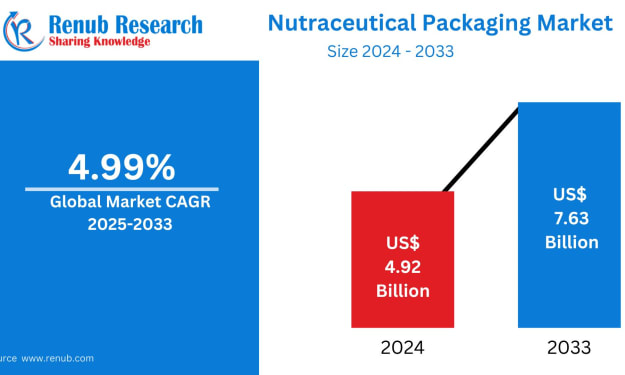
Neutraceutical Packaging Market at a Glance The Neutraceutical Packaging Market is projected to expand from US$ 4.92 billion in 2024 to US$ 7.63 billion by 2033, growing at a CAGR of 4.99% from 2025 to 2033. This steady growth reflects the accelerating global demand for dietary supplements, functional foods, herbal products, and wellness beverages. Rising health awareness, aging populations, sustainability expectations, the rapid growth of e-commerce, and evolving regulatory frameworks are reshaping how nutraceutical products are packaged, protected, and presented.
By jaiklin Fanandish4 days ago in Earth
Wild Card Weekend Recap: What Happens Now?
I think I figured out why I love Wild Card Weekend so much. It's because it's the first playoff anything of the calendar year. The NFL season starts in the fall, and once upon a time, the champion was crowned either on or slightly before New Year's. The evolution of the NFL schedule has resulted in the playoffs starting just into the New Year, and currently, the final week of the season falls on the first weekend of the New Year, with Wild Card Weekend coming a week after that. So yes, chronologically, the NFL's Wild Card Weekend serves as the first playoff anything of the calendar year.
By Clyde E. Dawkins7 days ago in Unbalanced



Comments
There are no comments for this story
Be the first to respond and start the conversation.