
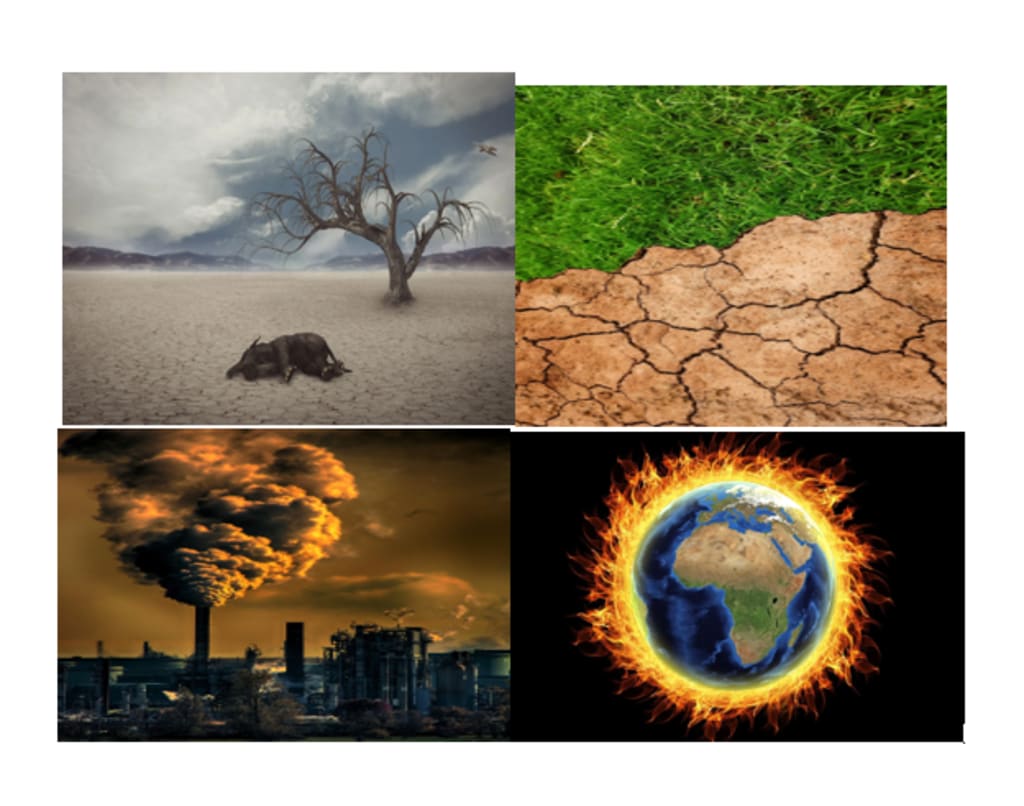
The Earth in 2030: A World Shaped by a Warmer Climate
A trend that is already starkly evident in the present, the Earth will unquestionably be experiencing the amplified effects of global warming by the year 2030. While the precise magnitude of changes will depend on the trajectory of greenhouse gas emissions in the intervening years, scientific projections paint a concerning picture. The aspirations of the Paris Agreement, aiming to limit warming to well below 2°C and ideally to 1.5°C above pre-industrial levels, will face significant challenges, and the impacts of the warming already locked into the climate system will become more pronounced across the globe.
One of the most pervasive impacts will be the continued rise in global average temperatures. While the 1.5°C threshold might be temporarily breached in some years, the overall trend will see the planet edging closer to or potentially exceeding this critical limit. The effects of this warming on human health, agriculture, and ecosystems will be reflected in more intense and frequent heatwaves. Regions already prone to high temperatures will become increasingly uninhabitable during peak summer months, leading to heat stress, increased energy demand for cooling, and potential disruptions to daily life and economic activity.
The hydrological cycle will be further disrupted. Warmer temperatures lead to increased evaporation, resulting in more intense rainfall in some regions and prolonged, severe droughts in others. This dichotomy will make existing problems with water scarcity worse, increase the likelihood of devastating floods and landslides, and put food security in jeopardy through crop failure. Sea levels will rise due to the thermal expansion of ocean water and the melting of glaciers and ice sheets, posing a greater threat to coastal communities. Increased tidal flooding, coastal erosion, and saltwater intrusion into freshwater sources will become more common, potentially displacing populations and damaging infrastructure.
Extreme weather events, already on the rise, are projected to become even more frequent and intense by 2030. This includes stronger hurricanes and cyclones, more severe wildfires fueled by hotter and drier conditions, and more intense storms causing widespread damage. These events will not only have immediate devastating impacts on lives and property but will also strain resources and hinder long-term development.
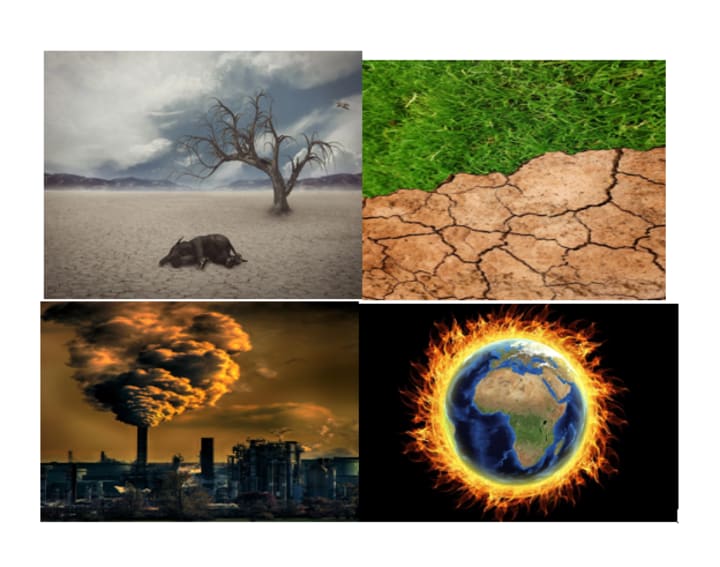
The natural world will continue to suffer significant consequences. Coral reefs, already vulnerable to bleaching events caused by warmer ocean temperatures and acidification due to increased absorption of carbon dioxide, will face further degradation, impacting marine biodiversity and the livelihoods that depend on these ecosystems. Numerous plant and animal species will be forced to migrate in search of suitable habitats as a result of changes in temperature and precipitation patterns, disrupting ecosystems and possibly increasing the risk of extinction. The thawing of permafrost in Arctic regions will release significant amounts of methane, a potent greenhouse gas, further accelerating the warming trend.
The health of human populations will be increasingly affected. Beyond heat-related illnesses, changes in climate patterns can lead to the spread of vector-borne diseases, such as malaria and dengue fever, as the geographical ranges of disease-carrying insects expand. Food and water insecurity, exacerbated by droughts and floods, can lead to malnutrition and related health problems. Furthermore, the mental health impacts of experiencing climate-related disasters and the stress of a changing environment will become more significant.
However, the state of the Earth in 2030 will also be shaped by the actions taken in the present and the years leading up to it. Increased investment in renewable energy technologies, advancements in energy efficiency, the adoption of sustainable land management practices, and the development of climate adaptation strategies can all play a crucial role in mitigating the worst impacts. In order to chart a course toward a more sustainable future, international cooperation and policy frameworks aimed at lowering emissions of greenhouse gases, like the strengthening of Nationally Determined Contributions under the Paris Agreement, will be essential. In conclusion, the Earth in 2030 will be a planet grappling with the tangible and intensifying impacts of global warming. While the challenges will be significant, the extent of the damage will still be influenced by the collective actions taken globally to reduce emissions and adapt to the changes already underway. The decisions and policies implemented in the coming years will be critical in shaping the long-term trajectory of the planet and the well-being of its inhabitants.
About the Creator
Keep reading
More stories from writers in Earth and other communities.
Franklin County Snow Emergency
Winter weather in Ohio can change quickly, and when heavy snow or ice hits, local governments rely on snow emergency levels to keep residents safe. One of the most searched winter questions each year is: what level is Franklin County snow emergency right now? Understanding how these emergency levels work—and how they compare with nearby counties like Delaware County—can help drivers, workers, and families make safer decisions during severe weather. This article breaks down everything you need to know about the Franklin County snow emergency, including how levels are determined, where to find updates, and what each level means for daily life. What Is a Snow Emergency in Franklin County? A snow emergency is declared when weather conditions make travel dangerous due to snow, ice, or freezing rain. In Franklin County, Ohio, officials monitor road conditions, weather forecasts, and accident reports before announcing a snow emergency level. The Franklin County snow level system is designed to limit unnecessary travel and reduce accidents. Each level comes with specific guidelines for residents and employers. Local media outlets, especially 10TV Weather, play a major role in communicating these updates to the public in real time. Snow Emergency Levels Explained To understand what level snow emergency is Franklin County Ohio, it helps to know what each level represents. Level 1 Snow Emergency A Level 1 advisory means roads are slippery, especially bridges and secondary roads. Drivers should use caution, reduce speed, and allow extra stopping distance. Travel is permitted No legal restrictions Increased risk on untreated roads At this stage, daily activities usually continue as normal, though delays are common. Level 2 Snow Emergency When conditions worsen, officials may declare a Level 2 snow emergency. This signals that roads are hazardous and travel should be limited to essential trips only. Driving is discouraged Only necessary travel is advised Accidents become more frequent During a Level 2, many schools, businesses, and government offices may close or operate on delays. This is often the level that sparks widespread concern across Franklin County. Level 3 Snow Emergency Level 3 is the most serious designation. Roads are extremely dangerous or impassable, and travel is legally restricted. Only emergency personnel should be on the roads Driving can result in citations or arrest Conditions pose serious safety risks A Level 3 snow emergency is rare but critical. When declared, residents are urged to stay indoors until conditions improve. How Franklin County Determines Snow Emergency Levels Officials rely on multiple factors before announcing a snow emergency: Snowfall totals and accumulation rates Ice formation and road treatment effectiveness Traffic accidents and emergency response delays Weather forecasts from meteorologists Agencies coordinate closely with weather services and local law enforcement. Reports from 10TV Weather often provide early insight into whether conditions may escalate. Comparing Franklin County and Delaware County Snow Emergencies Many Ohio residents commute between counties, which makes comparing alerts important. A Delaware County snow emergency may not always match Franklin County’s status. For example: Franklin County could be under a Level 2 while Delaware County remains at Level 1 Snow bands may impact northern counties more severely Timing of road treatment can differ Drivers should always check both counties before traveling. Conditions can change rapidly, especially during overnight storms. Where to Find Reliable Updates Staying informed is essential during winter storms. The most reliable sources for Franklin County snow emergency updates include: Franklin County Sheriff’s Office announcements Official county websites and social media pages Local news stations, especially 10TV Weather Emergency alert systems and local radio Searching phrases like what level is Franklin County or what level snow emergency is Franklin County Ohio during storms is common, but always rely on official sources for confirmation. How Snow Emergencies Affect Schools and Workplaces Snow emergency levels often influence closures and delays: Schools typically close at Level 2 or Level 3 Government offices may shut down during Level 2 Many employers follow county advisories However, private businesses may set their own policies, so employees should check with supervisors directly. Preparing for a Franklin County Snow Emergency Preparation can make a major difference during winter weather. Residents are encouraged to: Keep vehicles fueled and stocked with emergency supplies Monitor forecasts before storms arrive Avoid unnecessary travel during Level 2 or Level 3 emergencies Check on elderly neighbors when conditions worsen Simple planning can reduce stress and improve safety during severe winter events. Why Snow Emergency Levels Matter Snow emergencies are not just warnings—they are safety tools. Each Franklin County snow level helps emergency crews prioritize resources, reduce accidents, and protect lives. Ignoring advisories can put drivers and first responders at risk. Understanding the system allows residents to make informed, responsible decisions. Final Thoughts Winter in Ohio is unpredictable, but information makes it manageable. Knowing how the Franklin County snow emergency system works—and staying updated through trusted sources like 10TV Weather—can help you stay safe when conditions deteriorate. Whether you’re checking what level is Franklin County, comparing alerts with a Delaware County snow emergency, or planning your commute, awareness is your best defense against winter hazards.
By Saboor Brohi 4 days ago in Earth



Comments (1)
By 2030, global warming's impacts will be huge. Heatwaves will get worse, hitting regions already hot. The hydrological cycle will be all messed up, bringing floods and droughts. Sea - level rise will threaten coastal areas. We really need to cut emissions. How can we convince more people to take action locally to slow this down?