
The Compostable Clamshell Revolution in Food Packaging
Why Eco Friendly Containers Are Replacing Plastic in Takeout and Delivery
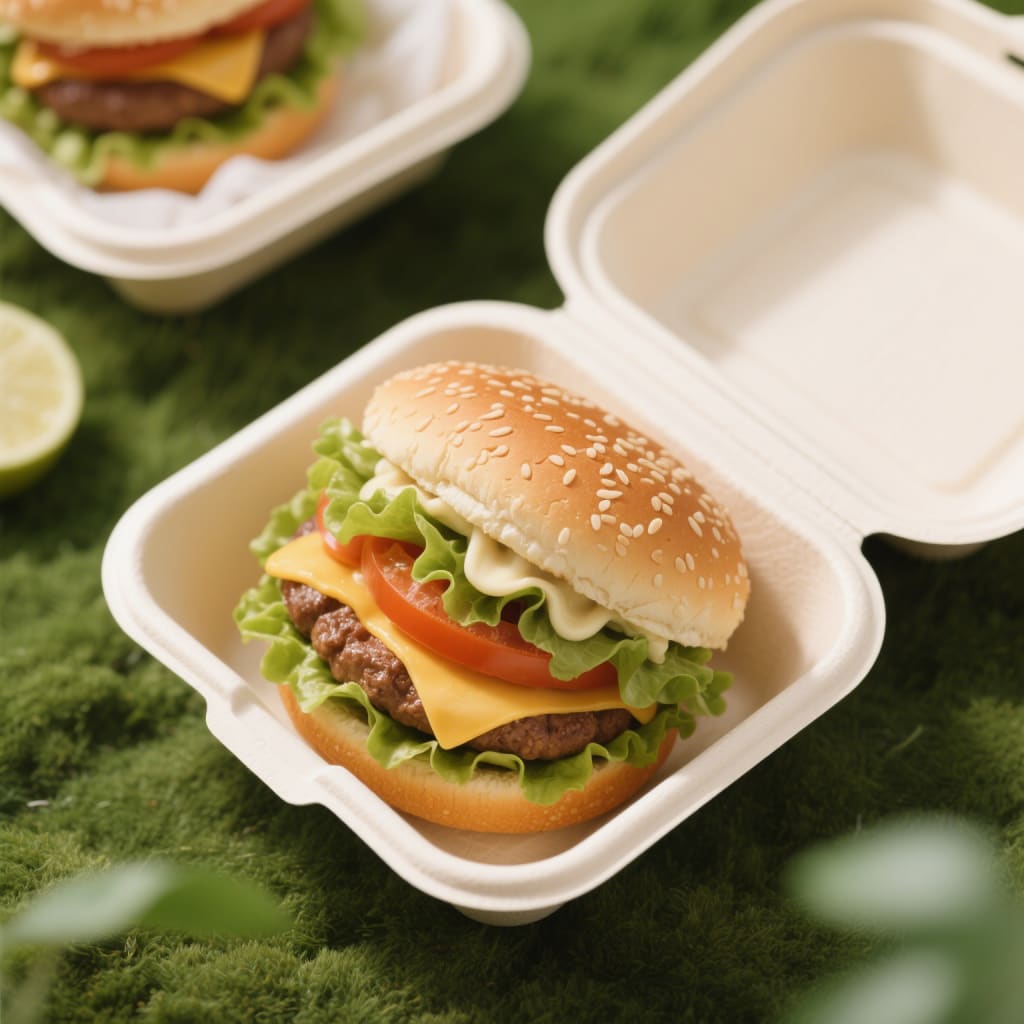
Sustainability is no longer optional—it's a market demand. As consumers, governments, and food businesses rethink waste, one clear winner is emerging: compostable clamshell packaging. Once dominated by plastic, the takeaway packaging industry is undergoing a dramatic transformation, favoring eco friendly clamshell containers made from biodegradable and renewable materials like bagasse.
This article examines the rising influence of compostable packaging and explores why businesses are turning to trusted clamshell packaging manufacturers to meet both environmental and performance expectations.
Plastic's Decline: What Prompted the Shift?
For years, plastic ruled the packaging world. But the comparison between Plastic Packaging vs. Paper Packaging has exposed glaring environmental differences. Plastic, while cheap and durable, contributes to landfills, microplastic pollution, and toxic emissions.
In contrast, the newer debate—Plastic vs. Paper Packaging—leans heavily toward biodegradable, renewable, and compostable options. Today’s businesses are under pressure to eliminate non-compostable waste from their operations. That means saying goodbye to single-use plastic containers and embracing the rise of eco friendly packaging clamshell solutions.
Understanding Clamshell Packaging
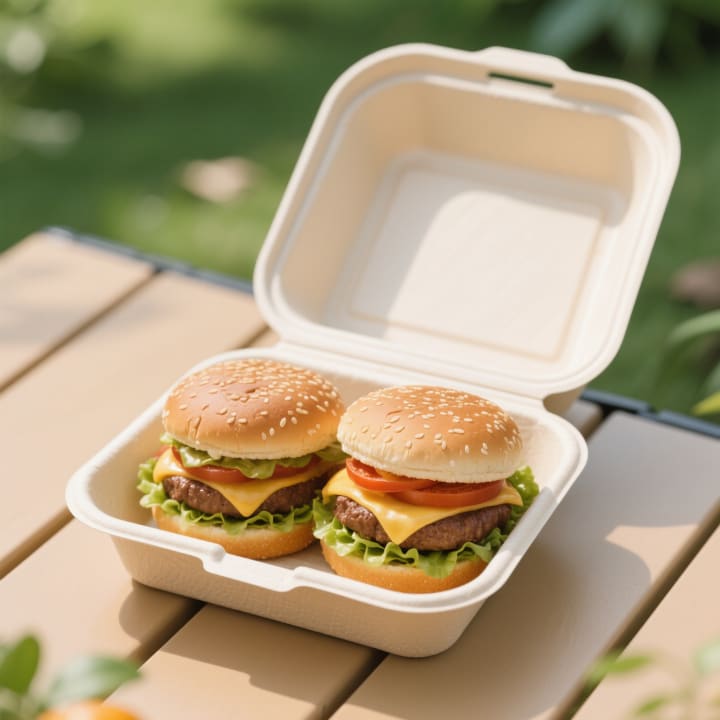
Clamshell packaging refers to containers with hinged lids—widely used in food service for burgers, salads, and combo meals. Traditionally made from polystyrene or plastic, clamshells are now increasingly produced using plant-based alternatives such as sugarcane bagasse, wheat straw, or bamboo fiber.
These eco friendly clamshell containers not only meet food safety standards, but also decompose within weeks in industrial composting facilities—making them highly attractive in today’s green economy.
Compostable Clamshell Packaging: What Sets It Apart
Compostable clamshell packaging is made from materials that return to the earth quickly and safely, leaving no toxic residue. The leading material in this space is bagasse, a byproduct of sugarcane processing that offers both durability and sustainability.
Compared to plastic, bagasse containers:
- Break down within 60–90 days in compost facilities
- Are microwave and freezer safe
- Contain no PFAS or petrochemicals
- Provide a natural matte finish suitable for branding
As more businesses embrace zero-waste goals, the demand for eco friendly packaging clamshell alternatives has surged—especially in takeout-heavy sectors like fast food, catering, and meal delivery.
Bagasse vs. Plastic Containers: A Life Cycle Comparison
Let’s directly compare Bagasse vs. Plastic Containers on key performance and environmental metrics:
Category Bagasse Containers Plastic Containers
Material Origin Renewable (sugarcane fiber) Petroleum-based
Decomposition Time 60–90 days (compostable) 400+ years (non-biodegradable)
End-of-Life Option Compostable, recyclable (in some) Landfill, incineration
Heat Resistance Up to 200°C Often warps or melts
Regulatory Status Globally accepted in green policies Banned/restricted in many regions
This comparison clearly shows why biodegradable disposable food containers made from bagasse are becoming the industry standard.
What to Look for in a Clamshell Packaging Manufacturer
Choosing a reliable clamshell packaging manufacturer is essential for food service providers looking to align with environmental standards while ensuring durability and hygiene. Key features to look for include:
- Certified compostability (e.g., ASTM D6400, EN13432)
- PFAS-free certification
- Support for custom molds and private labels
- Fast lead times and global distribution
- Expertise in biodegradable food containers manufacturer compliance
The best partners help brands achieve regulatory alignment and brand visibility in eco-conscious markets.
Benefits of Biodegradable Disposable Food Containers
From operational savings to customer satisfaction, using biodegradable disposable food containers delivers measurable advantages:
- Reduced waste management costs
- Favorable public perception and brand loyalty
- Enhanced shelf appeal with earthy, natural textures
- Compliance with eco-regulations in the EU, US, and Asia
Restaurants and packaging distributors report increased repeat business when switching from plastic to eco friendly clamshell containers—a testament to shifting consumer values.
Global Market Trends: Demand Is Skyrocketing
Worldwide bans on polystyrene and single-use plastic are fueling demand for compostable packaging. Governments and corporations alike are mandating green procurement policies.
The impact of Plastic vs. Paper Packaging is clear: the paper-based, plant-derived alternative is rising fast. In particular, food startups and large QSR (quick service restaurant) chains are leading the adoption curve by replacing conventional clamshell packaging with bagasse models.
Conclusion: A Greener Takeaway Future
The future of food packaging belongs to compostable, renewable, and functional solutions. As more brands compare Plastic Packaging vs. Paper Packaging, the clear winner is biodegradable, plant-based innovation.
By partnering with a trusted biodegradable food containers manufacturer, businesses can ensure their packaging aligns with modern values—without sacrificing performance. Whether you're sourcing high-volume takeaway packaging or launching a sustainable product line, eco friendly packaging clamshell products offer a powerful solution for reducing waste and enhancing brand integrity.
FAQs
1. What is clamshell packaging best used for?
Clamshell packaging is ideal for takeaway meals, bakery items, and fresh produce—especially when designed as compostable clamshell packaging.
2. Is bagasse better than plastic?
Yes. In the Bagasse vs. Plastic Containers debate, bagasse wins on sustainability, safety, and functionality.
3. How do I find a reliable biodegradable food containers manufacturer?
Look for certifications like BPI or EN13432, and check for customization, volume capacity, and PFAS-free standards.
4. Are eco friendly clamshell containers microwave safe?
Yes, most bagasse-based clamshells can handle high heat without leaching toxins.
5. Why are more restaurants switching to paper over plastic?
Due to bans, customer pressure, and cost-effective compostable alternatives, the Plastic vs. Paper Packaging conversation is rapidly shifting toward paper-based, biodegradable options.
About the Creator
The Mysterious Giant: Exploring the Rare and Remarkable Rafflesia hasseltii
Introduction: Nature’s Enigmatic Marvel In the dense, humid rainforests of Southeast Asia, a botanical wonder exists that captures the imagination of scientists, travelers, and nature enthusiasts alike. Rafflesia hasseltii, one of the most intriguing plants on Earth, defies conventional understanding of flora. Unlike typical plants, it lacks stems, leaves, or even roots and relies entirely on a host plant to survive. Its enormous flowers, pungent odor, and unique parasitic lifestyle make it one of the rarest and most fascinating species in the plant kingdom.
By Ahmed aldeabella2 days ago in Earth
White Mushroom Market Size and Forecast 2025–2033
Introduction White mushrooms—scientifically known as Agaricus bisporus—are no longer confined to salads, pizzas, and soups. Once considered a humble kitchen staple, they are now emerging as a strategic crop in the global agrifood ecosystem. Driven by sustainability trends, plant-based eating, and rising health consciousness, white mushrooms have carved out a powerful position in both consumer markets and foodservice industries.
By jaiklin Fanandishabout 21 hours ago in Earth



Comments (1)
Good advice for helth