
Sustainable Living
Practical Ways to Reduce Your Carbon Footprint

Introduction
As climate change becomes a growing concern, more people are recognizing the need to adopt sustainable living practices. At the heart of sustainability lies the concept of reducing your carbon footprint – the total amount of greenhouse gases generated by your actions. From the energy you use at home to the products you buy, your choices directly impact the planet. In this article, we will explore practical ways to reduce your carbon footprint, focusing on energy efficiency, eco-friendly transportation, waste reduction, and sustainable product choices.
Energy Efficiency at Home
One of the most effective ways to lower your carbon footprint is by reducing energy consumption in your home. The electricity and heating we rely on contribute significantly to carbon emissions, but there are several steps you can take to minimize your impact.
Start by upgrading to energy-efficient appliances and lighting. LED bulbs, for example, use up to 75% less energy than traditional incandescent bulbs and last much longer. Another practical solution is to install a smart thermostat, which allows you to control heating and cooling systems efficiently, reducing unnecessary energy use.
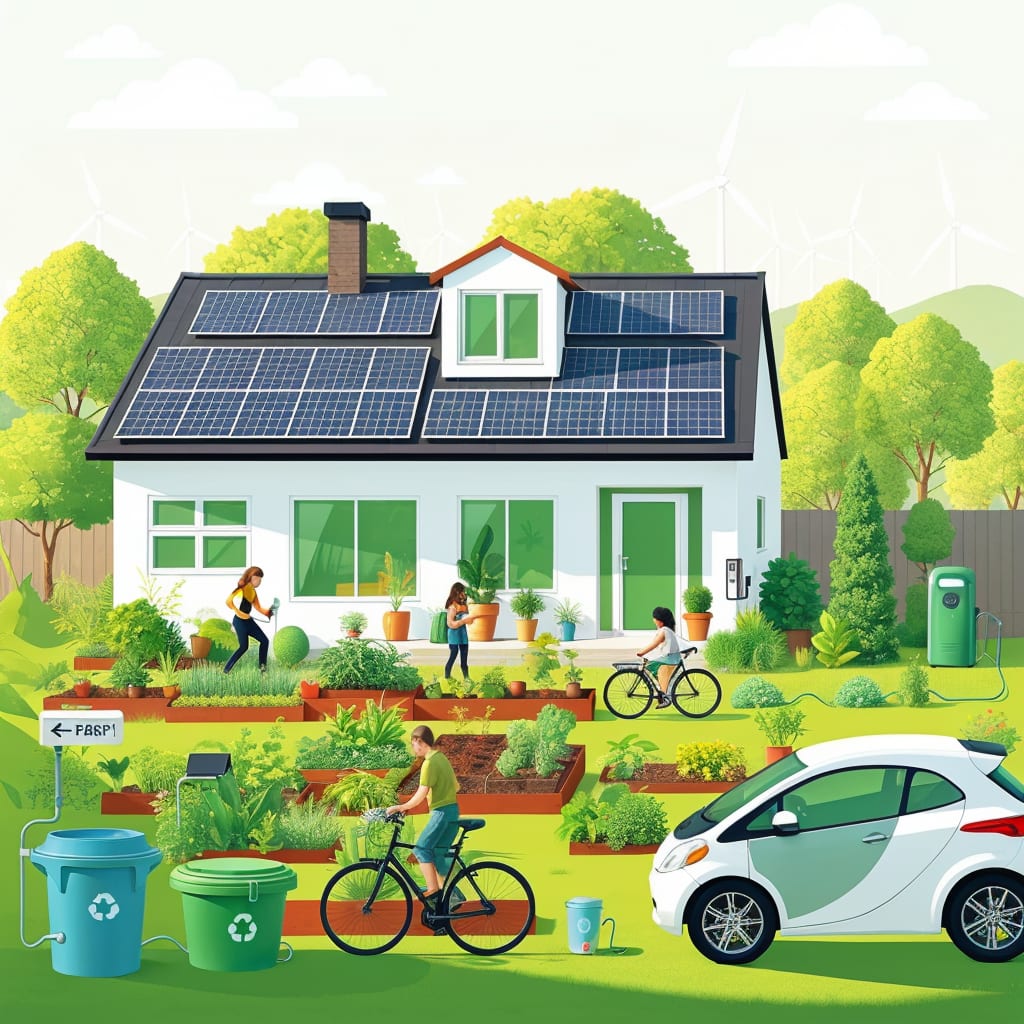
For those looking to take their energy-saving efforts further, consider installing solar panels. By harnessing renewable energy from the sun, you can greatly reduce reliance on fossil fuels. Additionally, simple actions like unplugging devices when not in use and sealing windows and doors to prevent heat loss can make a significant difference in reducing energy consumption.

Eco-Friendly Transportation Choices
Transportation is one of the largest sources of carbon emissions, especially when it comes to personal vehicles. Fortunately, there are several sustainable alternatives to traditional driving.
Whenever possible, use public transportation, carpool with coworkers or friends, or opt to walk or bike for shorter trips. These alternatives can significantly reduce the number of cars on the road and, consequently, emissions. If driving is a necessity, consider investing in an electric vehicle (EV) or a hybrid car, both of which are more fuel-efficient and emit fewer greenhouse gases.
Remote work is another strategy for cutting down on commuting. Even working from home a few days a week can significantly reduce your carbon footprint by minimizing your need to travel.

Reducing Waste and Promoting Recycling
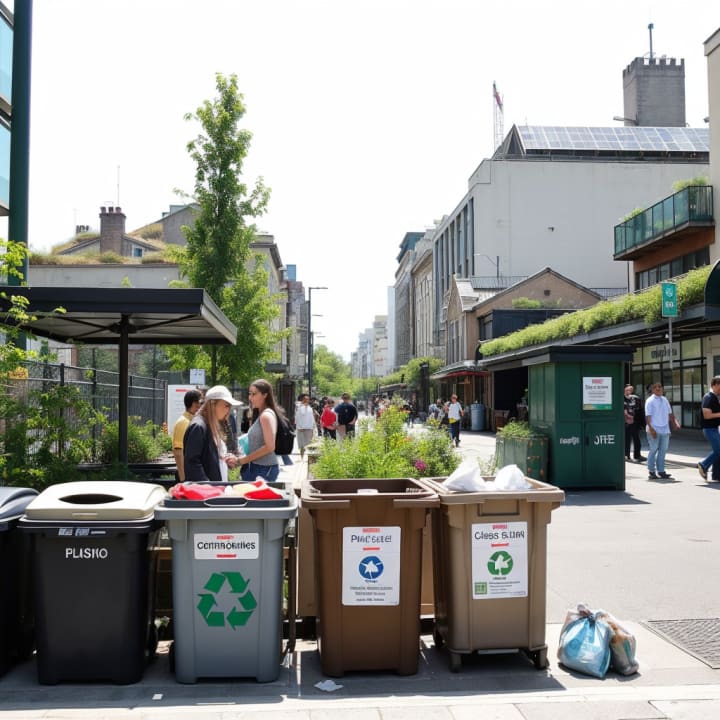
Waste, especially plastic waste, is a growing environmental concern. Reducing your waste output and properly recycling can lower your carbon footprint and decrease the burden on landfills.
Start by embracing the "reduce, reuse, recycle" mantra. Opt for reusable items like shopping bags, water bottles, and containers to avoid single-use plastics. Composting is another excellent way to reduce organic waste, turning food scraps into nutrient-rich soil instead of sending them to a landfill.
It's also important to recycle responsibly. Know which materials can be recycled in your community and ensure electronics, batteries, and hazardous materials are disposed of properly to prevent environmental contamination.
Choosing Sustainable Products and Food
Conscious consumerism is an essential part of reducing your carbon footprint. The products you buy – from food to household items – have an environmental impact. Making informed choices can lead to a more sustainable lifestyle.
Opt for products with minimal or recyclable packaging. Buy items made from sustainable or recycled materials whenever possible. For example, bamboo toothbrushes or reusable food wraps are great alternatives to plastic. When it comes to food, choosing locally sourced, organic, and plant-based options can significantly reduce the environmental toll of food production.
Supporting companies that prioritize sustainable practices, like fair trade and cruelty-free certifications, can also amplify your positive impact. Small shifts in purchasing habits can contribute to a larger global movement toward sustainability.

Conclusion
Living sustainably doesn't require drastic lifestyle changes all at once. Small, incremental steps can collectively make a big difference. Whether it’s switching to energy-efficient appliances, using public transportation, reducing waste, or choosing eco-friendly products, these actions help lower your carbon footprint and contribute to a healthier planet.
Start today, and remember that every small change you make brings us one step closer to a more sustainable future. Your efforts, combined with those of others, can create a lasting positive impact on the environment.
About the Creator
the largest fire in Poland in the 21st century
A fire that for several days turned the largest national park into a scorched wasteland Spring 2020 in Biebrza National Park was supposed to look like it does every year. Vast marshes and peat bogs were beginning to revive after winter, and the Biebrza Valley was filling with the sounds of birds returning to breed. This unique area, considered one of the most valuable natural regions in Europe, suddenly became the scene of the largest fire in Poland in the 21st century. The fire, which broke out in April, consumed thousands of hectares of protected nature and left behind a landscape of devastation.
By Pożarnictwo about 5 hours ago in Earth
I Spoke to Astrophysicists About Starlink’s Expansion: The Doomsday Scenario Keeping Them Up at Night
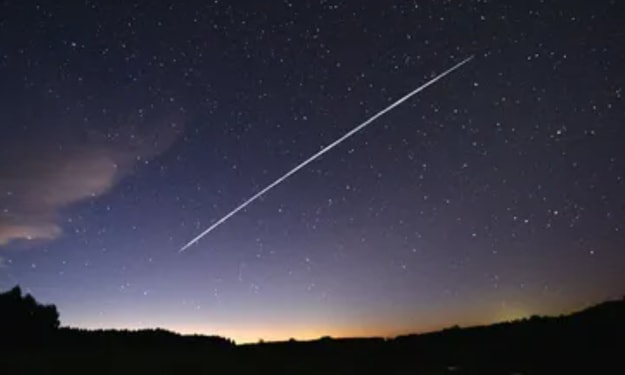
SpaceX’s Starlink project has captured headlines for its ambitious goal: provide high-speed internet across the globe by deploying thousands of low-Earth orbit satellites. While the idea of connecting remote communities is exciting, astrophysicists and space experts are sounding the alarm about a growing doomsday scenario that could threaten both space exploration and our ability to observe the night sky. After speaking to several astrophysicists, it’s clear that Starlink’s expansion, if unchecked, could dramatically alter Earth's orbital environment, disrupt astronomical observations, and even increase the risk of space debris collisions. Here’s what experts are warning the public about. The Scale of Starlink’s Expansion As of now, SpaceX has launched over 4,000 Starlink satellites, with plans to deploy tens of thousands more in the coming years. Each satellite orbits at altitudes between 340 km and 1,200 km, which places them in the low-Earth orbit region used by countless other satellites and scientific missions. Astrophysicists point out that this rapid proliferation is unprecedented. Dr. Lisa Montez, an astronomer specializing in satellite impacts on optical telescopes, told me, “We are looking at a situation where the density of satellites is increasing faster than anyone has fully planned for. This is uncharted territory.” The problem isn’t just the sheer number of satellites—it’s the concentration in specific orbital bands, which makes collisions more likely and complicates orbital management. The Night Sky Is at Risk For centuries, humanity has marveled at the stars, studying the cosmos to better understand our place in the universe. But astrophysicists warn that Starlink is dramatically altering the night sky, making it more challenging to conduct research and enjoy unpolluted stargazing. Every time a telescope captures an image, the reflective surfaces of Starlink satellites can leave streaks of light, masking or distorting the data. “Even a single bright satellite passing through a telescope’s field of view can ruin an entire night of observation,” Dr. Montez explains. Observatories around the world are already noticing the impact. The Vera C. Rubin Observatory in Chile, set to be one of the most advanced facilities for studying dark matter and the evolution of galaxies, may see thousands of Starlink satellites crossing its field of view nightly, potentially reducing the quality of its data and increasing processing costs. The Doomsday Scenario: Space Debris Beyond observations, astrophysicists are increasingly concerned about space debris, which could trigger a cascading chain reaction known as Kessler Syndrome. This occurs when collisions between satellites produce debris that then hits other satellites, creating more debris in an accelerating feedback loop. Professor Rajesh Patel, a space environment specialist, told me, “If a few hundred Starlink satellites collide, it could create tens of thousands of fragments. That would threaten other satellites, international space missions, and even human spaceflight.” Space debris doesn’t just float harmlessly—it travels at speeds over 28,000 km/h, enough to destroy functional satellites or damage spacecraft. With tens of thousands of Starlink satellites planned, the potential for catastrophic collisions is growing, especially since low-Earth orbit is already crowded. Mitigation Efforts and Controversies SpaceX has acknowledged these concerns and claims to implement collision avoidance protocols, using automated systems to maneuver satellites out of harm’s way. The company also plans for satellites to deorbit at the end of their lifespan, burning up in the atmosphere. However, experts argue that these measures may not be enough. Automated systems can fail, and human error or unexpected orbital dynamics could still lead to accidents. Furthermore, the sheer number of satellites makes it difficult to track and manage each one effectively, particularly as other private companies and nations plan similar mega-constellations. Dr. Montez adds, “Even if every satellite works perfectly, the night sky is already changing. The aesthetic and scientific impacts are immediate, whereas collision risks are looming but potentially devastating.” Broader Implications for Humanity The expansion of Starlink raises ethical and regulatory questions. Who has the right to fill low-Earth orbit? How much impact on astronomy and scientific research is acceptable for the sake of global internet coverage? International regulatory bodies like the United Nations Office for Outer Space Affairs (UNOOSA) and the Federal Communications Commission (FCC) have some oversight, but critics argue that global coordination is lagging behind corporate launches. Without international agreements and enforceable regulations, the sky could become a congested and hazardous environment, impacting both science and commerce. Astrophysicists emphasize that this isn’t just a matter of aesthetics. The ability to observe celestial phenomena affects climate science, space weather monitoring, and tracking near-Earth objects. If observations are increasingly compromised, our understanding of Earth and space could suffer. What Can Be Done? Experts suggest several strategies to mitigate risks: International Coordination: Global treaties or agreements to regulate satellite density and orbital placement. Reflectivity Reduction: Coating satellites to reduce brightness and their impact on telescopes. Enhanced Tracking Systems: Better monitoring of orbital debris and automated collision avoidance. Selective Deployment: Careful planning to avoid overcrowding specific orbital bands. While SpaceX is implementing some of these solutions, astrophysicists argue that industry self-regulation is insufficient. They advocate for a coordinated international approach to protect both scientific research and long-term orbital sustainability. Conclusion The expansion of Starlink represents a remarkable technological achievement, promising global internet access and unprecedented connectivity. Yet it also highlights the unintended consequences of space commercialization, including the potential for a cluttered sky, disrupted astronomy, and catastrophic space debris collisions. Astrophysicists remain vigilant. They warn that without careful oversight, humanity could face a doomsday scenario in low-Earth orbit, jeopardizing scientific discovery and space safety for generations. As we continue to celebrate innovations like Starlink, it’s crucial to remember that the sky belongs to all of us—scientists, enthusiasts, and everyday observers alike. Balancing technological progress with environmental stewardship of space may be one of the most critical challenges of the 21st century.
By Muhammad Hassana day ago in Earth
Rage
Content Warning: Domestic Violence, Assault Rage D. A. Ratliff “Who did this?” My voice echoed through the house. All I wanted was a cup of tea, but one of the twins, running through the house like maniacs, knocked it over. My nerves tingled, and every muscle in my body felt coiled like a spring. Survival seemed out of reach.
By D. A. Ratliff5 days ago in Fiction



Comments (1)
nice story