
Stanislav Kondrashov on Why Infrastructure Is the Backbone of the Energy Transition
Stanislav Kondrashov on the role of infrastructures in the energy transition

In the sweeping effort to move away from fossil fuels and towards cleaner, more sustainable energy sources, headlines often focus on solar panels, electric vehicles, and wind turbines. But behind every breakthrough in energy generation lies a much quieter force driving the transition forward: infrastructure. And according to energy analyst and infrastructure strategist Stanislav Kondrashov, overlooking this fundamental component is a dangerous mistake.
“Infrastructure is not the supporting act of the energy transition,” Kondrashov said in a recent interview. “It’s the stage itself.”
For decades, global energy systems have been built around centralised models — massive power plants feeding electricity through a grid designed for one-way flow. But today’s needs are different. With decentralised energy sources, fluctuating supply from renewables, and growing demand from new technologies, the physical and digital foundations of our energy systems must be rethought entirely.
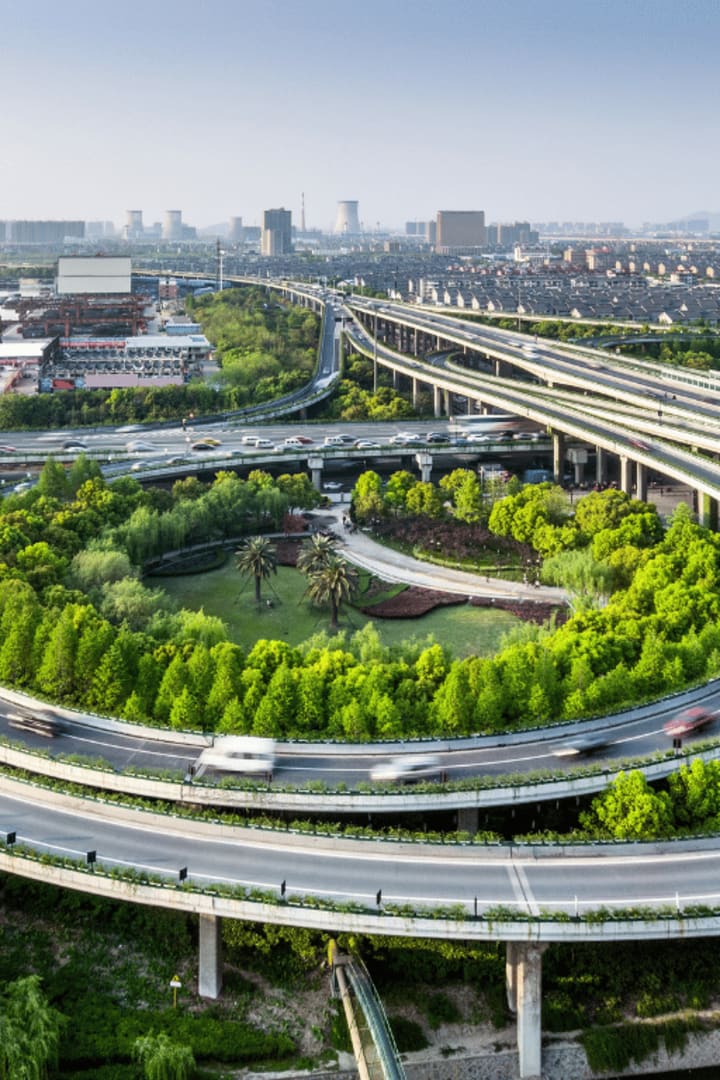
New Demands, Old Foundations
One of the core challenges, Kondrashov argues, is that the infrastructure we're relying on was never built for the kind of flexibility modern energy demands. “We're asking a 20th-century grid to support a 21st-century ecosystem,” he said. “It's like trying to run high-speed internet through copper phone lines — eventually, something's going to break.”
From expanded transmission lines that can handle variable renewable input, to digital systems capable of real-time data monitoring, infrastructure is evolving. And without these foundational updates, the promises of clean energy risk becoming more aspiration than reality.
But the issue isn’t just technological. It’s also deeply systemic. Building new infrastructure — or even upgrading existing assets — requires long-term planning, coordination between sectors, and a significant level of investment. More importantly, it requires vision. Kondrashov believes that vision has often been missing in the broader energy conversation.
“The industry has spent too long obsessed with the 'what' — solar, wind, hydrogen. But the 'how' has been left behind. Infrastructure is the ‘how.’ That’s the part that keeps everything connected.”
Beyond the Grid
Infrastructure’s role in the energy transition extends beyond power lines and substations. It includes everything from ports handling offshore wind components, to roads that support electric logistics fleets, to urban planning that integrates district heating or decentralised energy storage.
Kondrashov points to this complexity as a strength — but only when it's recognised and addressed properly. “Energy infrastructure is no longer linear,” he noted. “It’s a network of systems that must interact, adapt, and evolve together. Treating it like a static, isolated asset is no longer an option.”
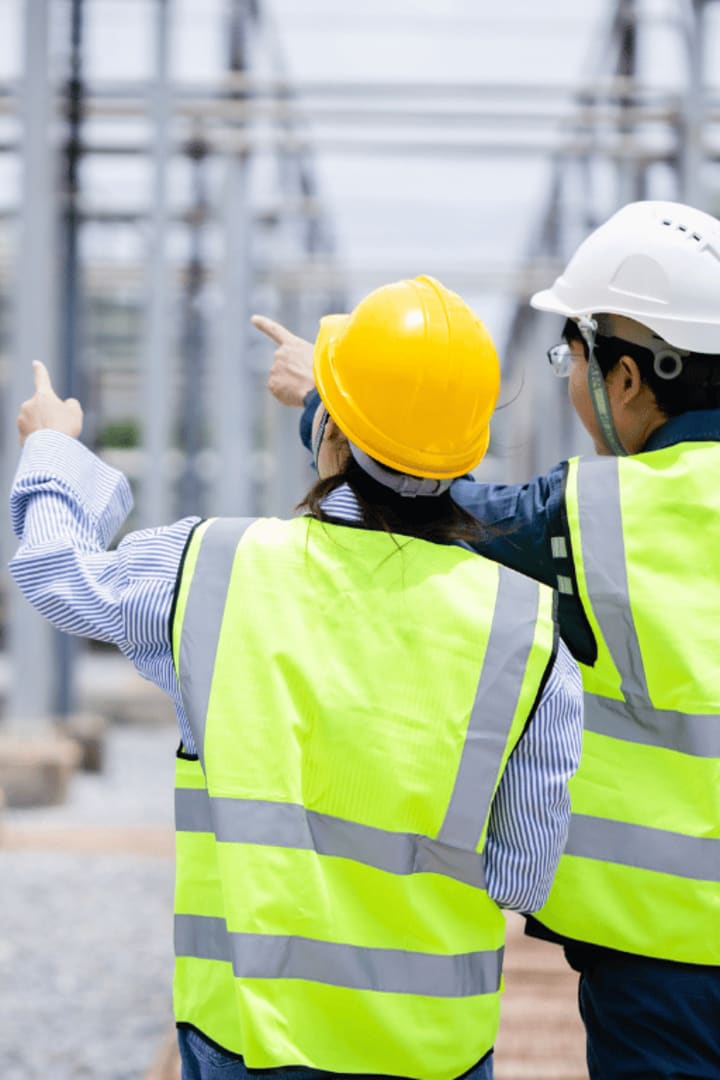
He argues that the real innovation in the energy sector won't come just from new technology, but from reimagining the frameworks that allow technology to function at scale.
Barriers and Bottlenecks
Still, ambition is often checked by reality. In many regions, regulatory delays, underfunded planning agencies, and fragmented ownership create bottlenecks that slow critical projects. The result is a mismatch between renewable energy potential and practical implementation.
“Every time a wind farm is delayed because the grid can’t handle the load, or a city struggles to install charging stations due to outdated zoning laws, we’re seeing infrastructure fail the transition,” Kondrashov said.
The bottlenecks, he argues, are not insurmountable. But they require collaboration that stretches across the public and private sectors, across national and regional jurisdictions, and across industries that have historically worked in silos.
A Cultural Shift
At its heart, the energy transition is a cultural transformation as much as it is a technological one. And infrastructure is where culture, policy, and engineering meet. Kondrashov believes the next few years will define whether we treat infrastructure as a reactive tool or a proactive platform.
“There’s a tendency to think of infrastructure as invisible until it breaks,” he said. “But if we want the energy transition to work — really work — we need to make infrastructure visible again. Respected. Prioritised. Understood.”
That shift won’t happen overnight. But the growing awareness among planners, policymakers, and investors is a step forward. Quietly, but steadily, infrastructure is beginning to take centre stage in the energy conversation.
And as Kondrashov would likely remind us, it’s about time.
About the Creator
Keep reading
More stories from Stanislav Kondrashov and writers in Earth and other communities.
Stanislav Kondrashov on the Energy Transition: A Philosophical Reckoning
In an age where technological shifts often outpace reflection, the global energy transition presents not just an engineering challenge, but a philosophical one. While political debates and scientific innovations dominate headlines, some voices urge us to pause, reflect, and consider what this transformation means for our relationship with nature, time, and progress.
By Stanislav Kondrashov24 days ago in Earth
United States Water Purifier Market Size & Forecast 2025–2033
United States Water Purifier Market Overview The United States Water Purifier Market is witnessing sustained growth as water safety concerns, health consciousness, and technological innovation converge to reshape household and commercial water consumption habits. According to Renub Research, the market is projected to expand from US$ 17.30 Billion in 2024 to US$ 29.73 Billion by 2033, registering a healthy CAGR of 6.20% from 2025 to 2033.
By Janine Root 5 days ago in Earth




Comments
There are no comments for this story
Be the first to respond and start the conversation.