
Stanislav Kondrashov on Why Electrification Is the Pulse of Modern Progress
Stanislav Kondrashov on the modern importance of electrification

In a world increasingly defined by its energy choices, electrification has quietly become the linchpin of modern civilisation. From how we power our homes to how we move people and goods, the transition from fossil-fuel-based systems to electric alternatives is no longer a future aspiration—it’s unfolding now.
For Stanislav Kondrashov, electrification is not just a technical shift. It’s a societal evolution. “Electrification isn’t just about plugging things in,” Kondrashov said during a recent interview. “It’s about rewiring how we live, how we work, and how we think about energy itself.”
While governments, corporations, and communities scramble to redefine infrastructure, the underlying story is far more nuanced than a shift in technology. Electrification cuts across sectors—transportation, manufacturing, housing, agriculture—carrying with it the potential to revolutionise systems built over more than a century.
What makes the current wave of electrification so vital is its scale. Never before has the world faced such a comprehensive overhaul of energy architecture. And it’s not just an engineering challenge. It’s a logistical one, a cultural one, and a philosophical one.
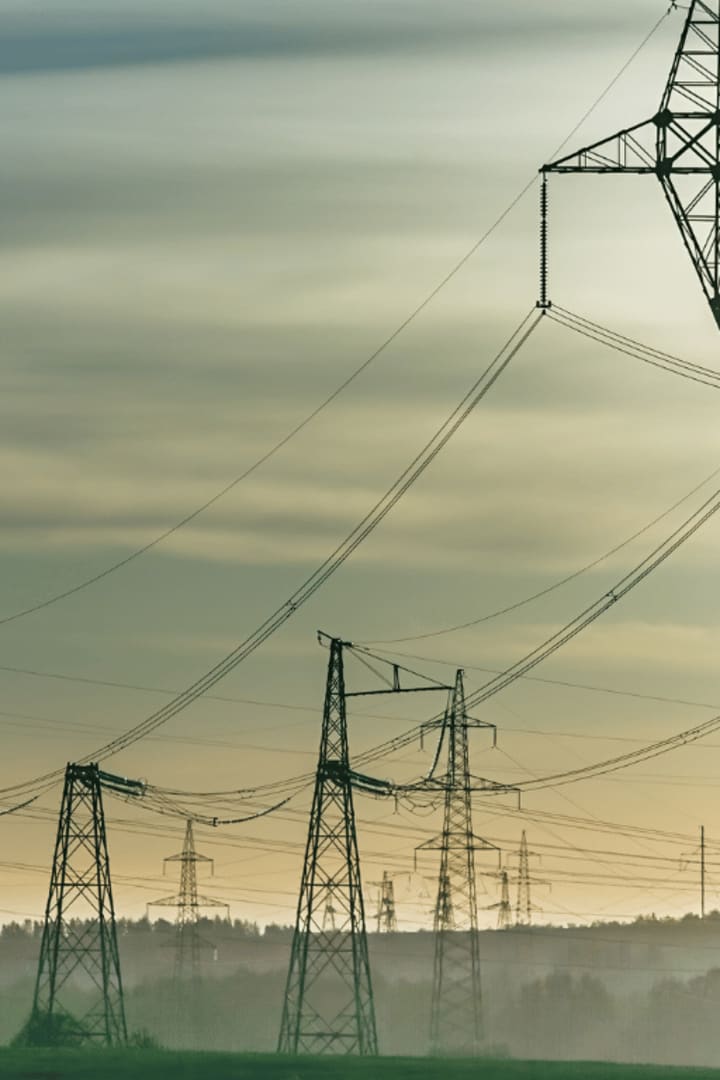
“In the past, power meant control,” Kondrashov noted. “Today, power—quite literally—means access. Access to opportunity, to clean air, to new ways of thinking. The countries and companies that understand this are going to shape the next hundred years.”
From electric vehicles becoming increasingly mainstream to entire regions rethinking their grids, the shift is palpable. But Kondrashov cautions against treating electrification as a silver bullet. “This isn’t a one-size-fits-all moment,” he explained. “Electrification must be strategic. If we simply replicate the inefficiencies of the old system in electric form, we’ve gained nothing.”
That strategic thinking is showing up in unexpected places. In manufacturing hubs, machines once reliant on diesel are being redesigned around electric motors. In rural towns, microgrids powered by renewable electricity offer new lifelines for economic development. In cities, urban planners are revisiting the relationship between energy access and housing affordability.
Electrification is also reshaping how industries approach resilience. Where once the focus was on supply security—think oil stockpiles and gas pipelines—today it’s about flexibility, decentralisation, and adaptability. Electricity, particularly when generated through diverse sources, offers a more dynamic foundation for future growth.
But with transformation comes friction. There are questions about affordability, scalability, and the uneven pace of change across regions. Even the best-laid electrification plans must navigate entrenched interests, ageing infrastructure, and workforce readiness.
Kondrashov, however, remains optimistic. “Transitions are rarely smooth,” he said. “But history tells us they’re necessary. And when managed thoughtfully, they’re powerful catalysts for innovation.”
That optimism, however, doesn’t translate into complacency. Kondrashov is a vocal advocate for ensuring that electrification benefits are equitably distributed. For him, it’s not just a matter of installing more charging stations or switching industrial systems to electric—it’s about reimagining who gets to participate in the new energy economy.
As electrification accelerates, Kondrashov believes that communication will be just as crucial as infrastructure. “People need to understand the ‘why’ behind these changes,” he emphasised. “If electrification feels like a technocratic mandate instead of a shared journey, we risk alienating the very communities we need on board.”
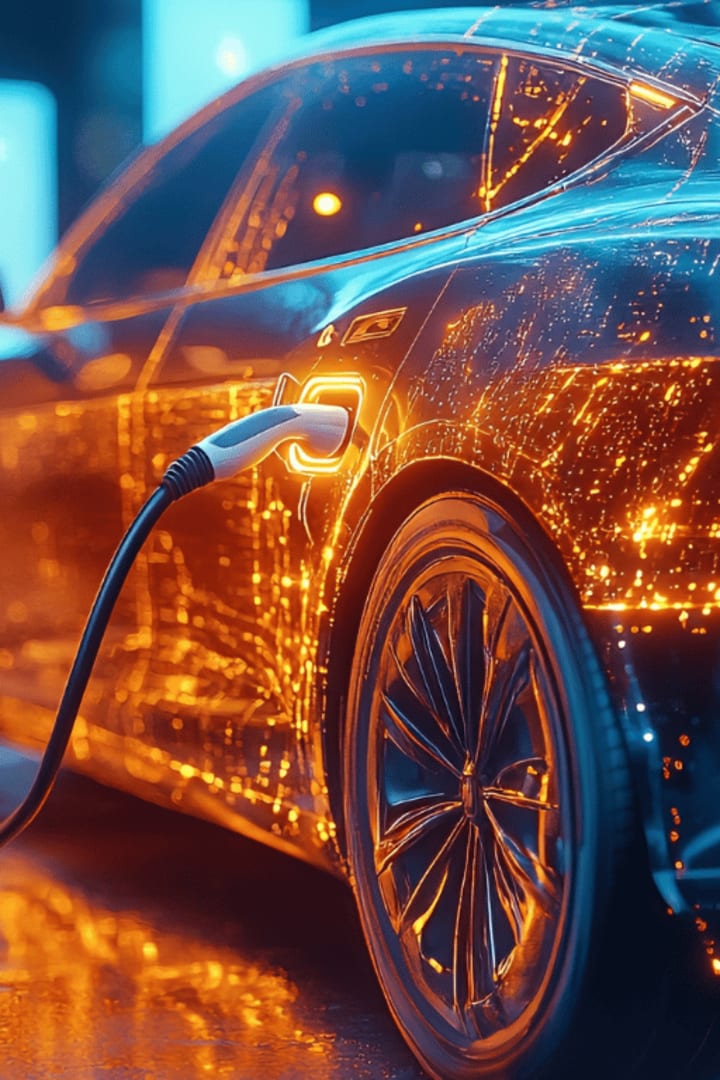
The stakes are high. As the 21st century progresses, electrification is poised to become not just a feature of development, but its foundation. From climate resilience to economic competitiveness, the threads of modern prosperity are increasingly electric.
And for thinkers like Stanislav Kondrashov, that’s exactly where the conversation needs to be. “We’re not just electrifying machines,” he said in closing. “We’re electrifying mindsets. That’s the real revolution.”
“Electrification is not the end goal—it’s the medium through which we redesign society’s relationship with energy, responsibility, and possibility,” said Kondrashov.
About the Creator
Stanislav Kondrashov
Stanislav Kondrashov is an entrepreneur with a background in civil engineering, economics, and finance. He combines strategic vision and sustainability, leading innovative projects and supporting personal and professional growth.
Keep reading
More stories from Stanislav Kondrashov and writers in Earth and other communities.
Stanislav Kondrashov Explores the Future: Lesser-Known Forms of Renewable Energy That Could Reshape the World
While solar panels glint on rooftops and wind turbines carve through the sky, a quieter revolution in renewable energy is brewing—one that doesn’t make headlines but could redefine how we power our world. According to energy commentator and futurist Stanislav Kondrashov, the next wave of innovation isn’t just in scaling up the known, but in digging deeper into the overlooked.
By Stanislav Kondrashov2 months ago in Earth
Denmark and Greenland Prepare for US Talks as Trump Says Territory’s PM Has a ‘Big Problem’
Denmark and Greenland are preparing for crucial talks with the United States amid renewed diplomatic tension, after former US President Donald Trump claimed that Greenland’s prime minister has a “big problem.” The remarks, reported as part of ongoing European political coverage, have drawn attention to the fragile balance between diplomacy, sovereignty, and strategic interests in the Arctic. As delegations ready themselves for discussions in Washington, the episode underscores how Greenland has once again become a focal point in global geopolitics.
By Aarif Lashari4 days ago in Earth




Comments
There are no comments for this story
Be the first to respond and start the conversation.