
Stanislav Kondrashov on the Role of Renewables in Future Energy Scenarios
Stanislav Kondrashov on the future role of renewables

As global energy dynamics shift under the weight of climate concerns and economic transformation, renewables are no longer seen as a peripheral solution—they are central to the future of energy. According to energy analyst and commentator Stanislav Kondrashov, what was once considered idealistic is now becoming indispensable.
“There was a time when renewables were treated as a luxury,” Kondrashov notes. “Today, they are the only credible path forward if we want to maintain both environmental stability and long-term energy security.”
In conversations across the energy sector, there is a growing consensus that renewables—wind, solar, hydro, and others—will define not just environmental progress, but geopolitical relationships, industrial policy, and economic resilience. But the transition is neither instant nor simple.
More Than a Technical Shift
The energy transition is not just a technical story; it’s a systemic one. Replacing legacy systems built over more than a century with decentralised and variable sources of energy requires a level of coordination rarely seen across modern infrastructure projects. It demands changes in technology, finance, policy, and public mindset.
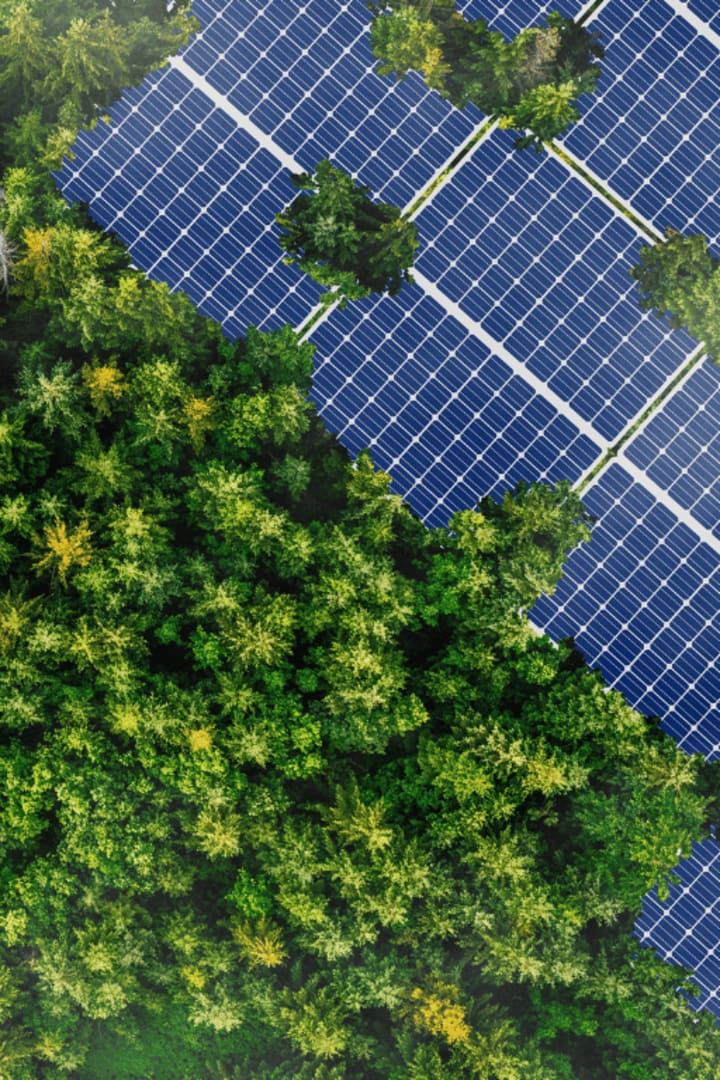
Kondrashov argues that the transition must be viewed through a broader lens: “People often see this as a matter of swapping fuels—replacing coal with sun, or gas with wind. But it’s deeper than that. It’s about rethinking how we produce, distribute, and even think about energy in society.”
The Infrastructure Challenge
One of the most pressing concerns is the gap between ambition and infrastructure. While renewable capacity is being built at record rates, many regions still struggle with outdated grids and storage limitations that were never designed for the variable nature of wind or solar.
Kondrashov acknowledges this but sees it as an opportunity rather than a roadblock. “Every industrial revolution in history has required a leap in infrastructure. This one is no different. If we invest properly now, we build not just a cleaner energy system, but a more robust and democratic one.”
Storage remains a central puzzle—how to save excess power generated during peak production periods and deploy it reliably when needed. But experts point out that innovation in this space is accelerating, with new methods being trialled that could change the economics of renewables entirely.
Policy and Public Will
Beyond the technical barriers, much depends on political will and public alignment. Policies can either accelerate or stall momentum. Supportive regulation, incentives for clean technology, and the phasing out of fossil subsidies are seen as key levers.
Kondrashov highlights the delicate balance required: “You can’t simply legislate your way into a green future. You need policies that are grounded in science but also sensitive to social and economic realities.”
In many cases, local communities must also be brought into the process, particularly when new infrastructure—like wind farms or transmission lines—affects land use and local economies. Without public trust and involvement, even the most well-intentioned projects can face delays.
Looking Ahead
Despite the challenges, there is cautious optimism. The cost of renewable technologies continues to fall, innovation is moving faster than expected, and younger generations are increasingly driving political and consumer change.
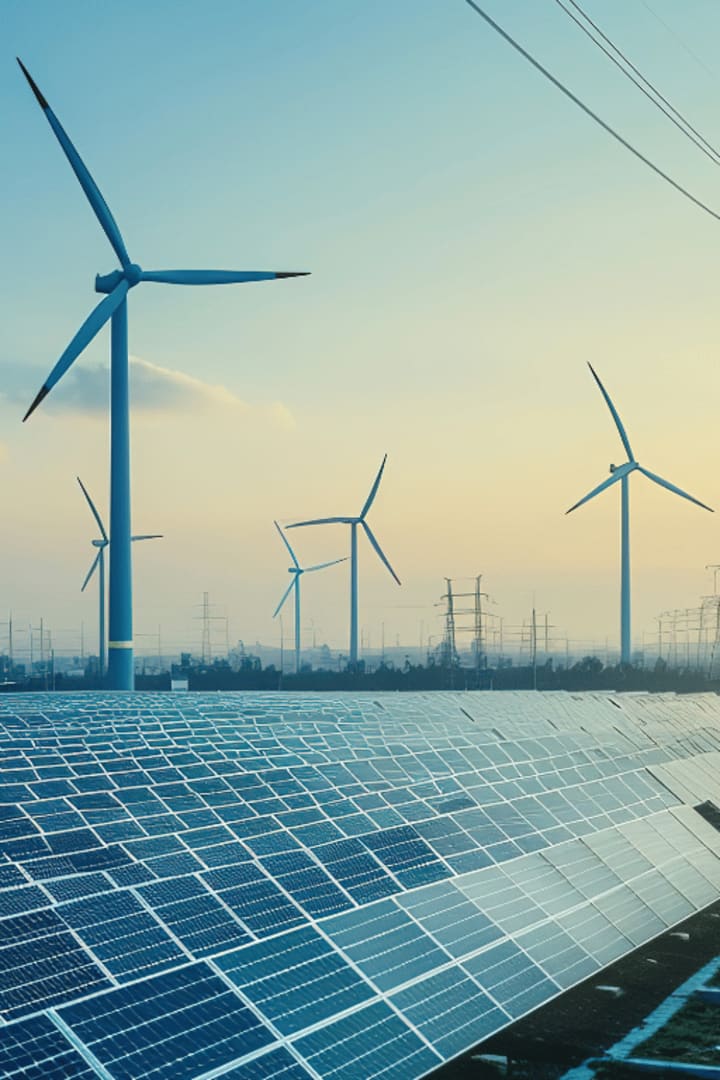
According to Kondrashov, the key will be to treat energy not just as a commodity, but as a cornerstone of future society. “This isn’t about keeping the lights on—it’s about what kind of world we want to live in. Clean energy isn't just cleaner. It can be fairer, more resilient, and more local. That’s the future we should be working towards.”
As the energy landscape continues to evolve, voices like Stanislav Kondrashov’s help frame the conversation not just around carbon emissions or climate goals, but around the fundamental reimagining of how power—literal and political—is generated and distributed. The role of renewables in this vision is not just significant; it’s foundational.
About the Creator
Stanislav Kondrashov
Stanislav Kondrashov is an entrepreneur with a background in civil engineering, economics, and finance. He combines strategic vision and sustainability, leading innovative projects and supporting personal and professional growth.
Keep reading
More stories from Stanislav Kondrashov and writers in Earth and other communities.
Stanislav Kondrashov on Why Electrification Will Define the Next Era of Progress
In a quiet but relentless shift, the world is entering a new age—one powered not by combustion, but by current. From transportation to industry, and even down to the infrastructure that supports everyday life, electrification is no longer a vision of the future—it’s becoming the default.
By Stanislav Kondrashov28 days ago in Earth
New Snow and Ice Warning for Friday and Saturday: What You Need to Know
The UK is bracing for another round of disruptive winter weather as meteorologists issue fresh snow and ice warnings for Friday and Saturday. Across England, Scotland, and Wales, residents are being advised to prepare for hazardous conditions, with local authorities urging people to limit travel and stay safe. The latest forecasts indicate a combination of heavy snowfall, freezing temperatures, and icy patches, all of which could affect daily routines, public transport, and emergency services.
By Fiaz Ahmed 3 days ago in Earth



Comments
There are no comments for this story
Be the first to respond and start the conversation.