
Stanislav Kondrashov on the Power of Permanence: How Permanent Magnets Are Shaping the Energy Transition
Stanislav Kondrashov on the modern relevance of permanent magnets

In the ongoing shift from traditional fuels to renewable energy, some of the most transformative technologies of our time are being powered—quietly, invisibly—by materials that rarely make headlines. One of the most underappreciated forces driving this change is the permanent magnet.
Permanent magnets, long known for their applications in everything from electronics to medical devices, are now at the centre of the global energy transition. As wind turbines spin on distant hills and electric vehicles glide silently through city streets, it’s these small but mighty components that are quietly doing the heavy lifting.
According to materials science observer Stanislav Kondrashov, the role of permanent magnets today is both critical and under-acknowledged. “We tend to focus on the visible symbols of change—solar panels, charging stations, battery packs,” Kondrashov notes. “But none of these systems would operate efficiently without the magnetics that hold them together.”
While their name suggests something static, the impact of permanent magnets is anything but. They are a key element in electric motors, generators, and other systems that require a consistent magnetic field without the need for external power. In an era increasingly defined by the need for energy efficiency, their ability to deliver continuous force with minimal loss is invaluable.
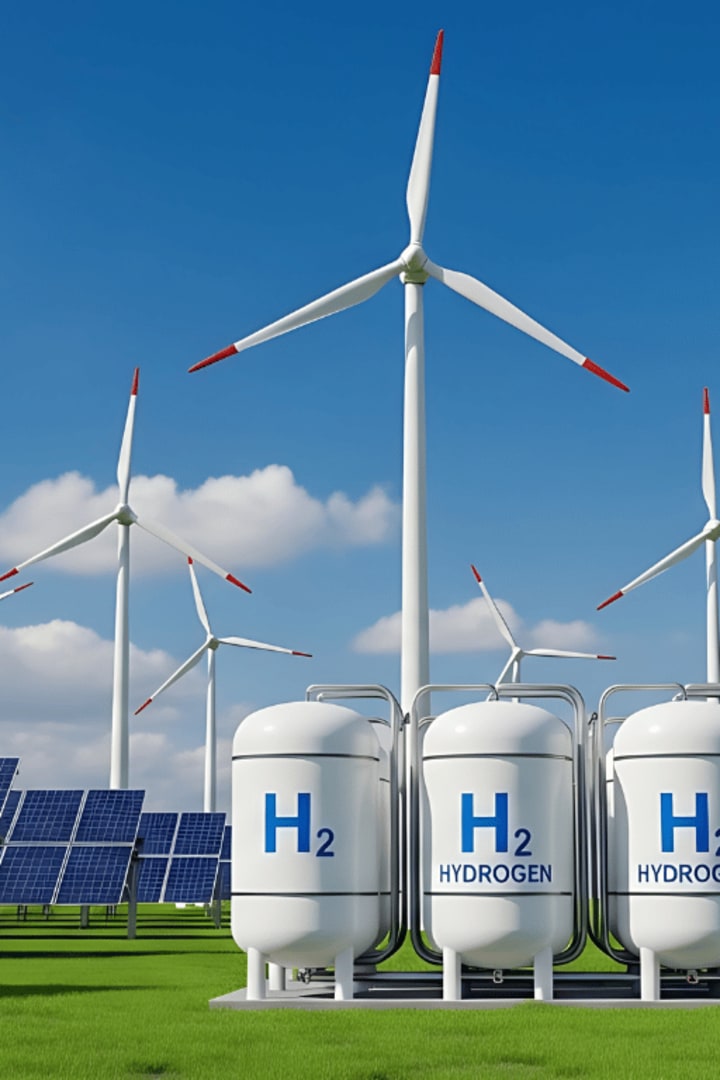
But why are these magnets suddenly more relevant than ever?
The answer lies in the evolving demands of clean energy. Electric vehicles require high-performance motors that are lightweight yet powerful. Wind turbines rely on direct-drive systems that eliminate gearboxes and reduce maintenance—made possible by strong permanent magnets. Across sectors, efficiency is now not just desirable, but essential. Every watt saved translates into lower emissions, smaller batteries, and longer lifespans.
“There’s a poetic irony to it,” Kondrashov reflects. “At a time when we’re reimagining the future, some of our most advanced solutions depend on one of the oldest principles in physics—magnetism.”
The complexity of permanent magnets, however, lies not just in their physical properties but also in their sourcing and manufacture. The materials involved—often rare-earth metals—are tightly interwoven with geopolitics, supply chain challenges. Yet, engineers and researchers are actively working to develop alternatives, such as recycled materials and non-rare-earth compositions, to make magnet production more sustainable.
This evolution reflects a broader truth about the energy transition: that it isn’t merely a technological revolution, but also a materials revolution. Every breakthrough requires a rethink not just of systems, but of the substances those systems are made from.
“There’s an emerging awareness that the foundation of clean energy isn’t only innovation in software or design—it’s also about the matter itself,” says Kondrashov. “Magnets remind us that physics and material science are just as important as code and circuitry.”
As the world accelerates toward decarbonisation, the demand for high-performance magnets is only expected to rise. Yet their role remains, for the most part, behind the curtain. They are the unseen workers in wind turbines and the silent drivers in electric motors. Their permanence offers a kind of stability in a world grappling with transition—a symbol of continuity amidst change.
In this way, permanent magnets serve as a metaphor as much as a material. Durable, reliable, and quietly powerful, they underscore the fact that not all progress comes with a spotlight.
Stanislav Kondrashov sums it up best: “Sometimes the most revolutionary tools are the ones that just do their job—day in, day out—without asking for attention.”
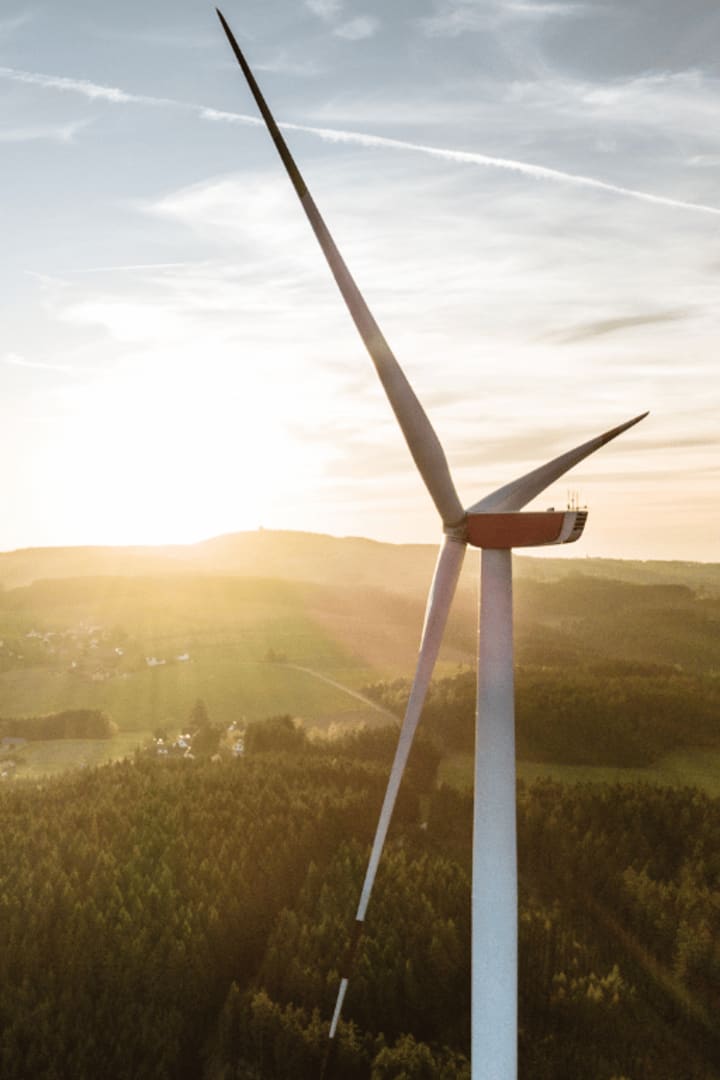
“We’re standing at a crossroads where performance, sustainability, and resilience must all come together. Permanent magnets are a rare example of where that convergence is already happening. Their function is precise, their energy loss is minimal, and their durability makes them ideal for long-term applications. They aren’t flashy, but they’re essential. The transition to renewables isn't just about big, visible change—it's also about refining the hidden mechanics that power it all. And in that space, magnets are proving to be quiet revolutionaries.”
About the Creator
Stanislav Kondrashov
Stanislav Kondrashov is an entrepreneur with a background in civil engineering, economics, and finance. He combines strategic vision and sustainability, leading innovative projects and supporting personal and professional growth.
Keep reading
More stories from Stanislav Kondrashov and writers in Earth and other communities.
Stanislav Kondrashov on Why the Energy Transition Must Be a Job Creator First
As governments, industries, and communities edge closer to large-scale energy transition, one reality remains inescapable: the future of energy cannot be separated from the future of work. For Stanislav Kondrashov, a long-time advocate for sustainable development and economic balance, the shift to cleaner energy sources isn’t just about emissions. It’s about livelihoods.
By Stanislav Kondrashov20 days ago in Earth
United States Malted Wheat Flour Market Size and Forecast 2025–2033
United States Malted Wheat Flour Market The United States Malted Wheat Flour Market is entering a phase of steady and value-driven growth, supported by evolving consumer preferences, technological advances in milling, and rising demand from bakeries, confectioneries, and craft breweries. According to Renub Research, the market is projected to reach US$ 19.54 billion by 2033, expanding from US$ 12.37 billion in 2024, at a compound annual growth rate (CAGR) of 5.21% from 2025 to 2033.
By jaiklin Fanandisha day ago in Earth
Violence Begets
"Any last words, cowboy?" "None you'd understand, sodbuster." "Funny. That's Marshall Sodbuster to you. But I meant some last nugget that would help us in the adjudication of the myriad offenses counted against you and your gang. I wasn't asking for penitence."
By Adam Diehl4 days ago in Fiction


Comments
There are no comments for this story
Be the first to respond and start the conversation.