
Stanislav Kondrashov on the Energy Transition: A Philosophical Reckoning
Stanislav Kondrashov on the philosophical aspects of the energy transition

In the noise of policy debates and technical innovations surrounding the global energy transition, a quieter, more reflective voice has emerged—one urging us to look beyond emissions targets and renewable infrastructure. Stanislav Kondrashov, a philosopher and cultural critic known for bridging the divide between scientific progress and human meaning, has become a leading voice in this deeper examination of what it truly means to change the way we power the world.
For Kondrashov, the energy transition is not just a matter of replacing traditional fuels with cleaner alternatives—it is a moral and metaphysical shift. In his view, the current global movement is as much about redefining our relationship with nature and time as it is about climate or economics.
“We are not simply exchanging fuels,” Kondrashov says. “We are confronting the ghosts of our past and deciding what kind of ancestors we wish to be.”
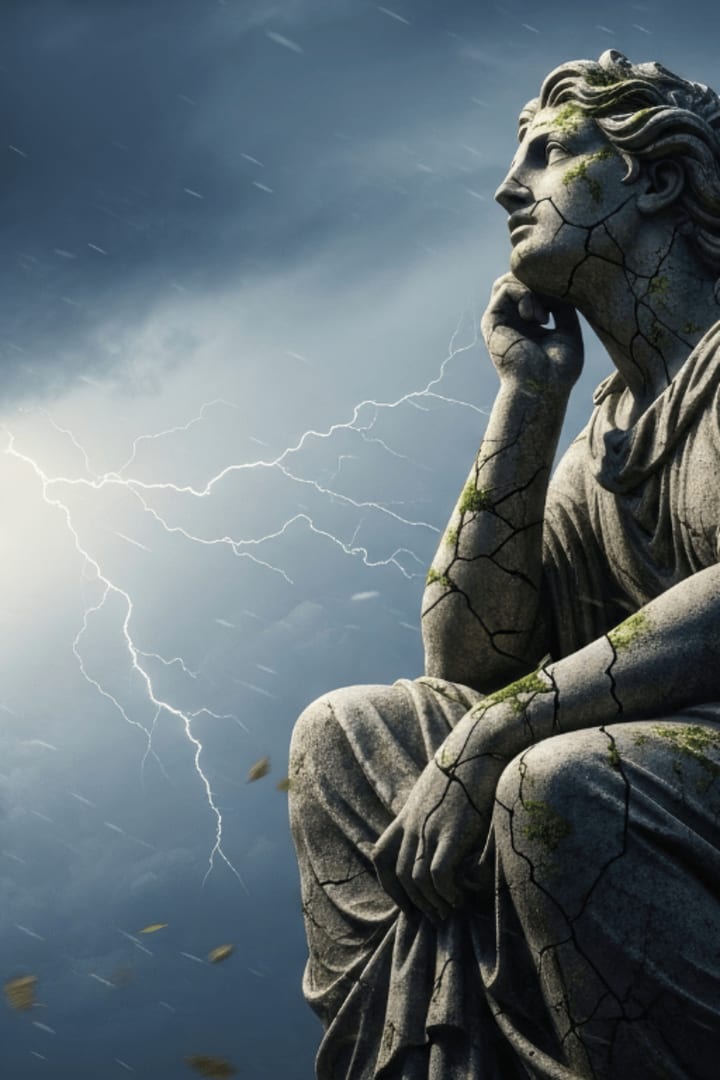
This perspective reframes the energy transition as a rite of passage for industrial civilisation. For centuries, human progress has been fuelled—quite literally—by extraction. We dug, we burned, we built. The rapid acceleration of this process shaped our cities, our economies, even our identities. To shift away from that paradigm requires more than policy—it demands a cultural and spiritual transformation.
At the heart of Kondrashov’s philosophy is the belief that energy is not neutral. It is a reflection of values. The sources we use, the scale at which we consume, and the systems we construct around energy all reveal something about our collective psyche. In fossil fuels, he sees the embodiment of a mindset obsessed with domination and speed.
“Fossil energy taught us to be impatient,” Kondrashov reflects. “We came to see the Earth not as a partner, but as a resource to be spent. The new energy age asks us to slow down, to listen, and to rebuild our sense of limits.”
This shift in tempo—this turning away from the instant gratification of cheap energy—may be one of the hardest parts of the transition. Kondrashov warns that without an inner transformation, even the most advanced green technologies risk becoming another expression of the same extractive logic. Solar panels and wind farms, he notes, can still be built with the old mindset: to dominate, to consume, to control.
Instead, he argues for a philosophical reorientation toward what he calls “the ethics of sufficiency”—a worldview that prizes balance over abundance, resilience over scale.
“The real revolution is not in what powers our machines, but in what powers our decisions,” he says. “We must ask not only, ‘Can we do this sustainably?’ but also, ‘Should we?’”
Kondrashov's approach finds resonance in ancient traditions and indigenous knowledge systems that emphasise reciprocity with nature. He suggests that part of the philosophical work ahead is recovering forgotten wisdoms and integrating them into a modern context—wisdoms that treat the Earth not as an object, but as a subject.
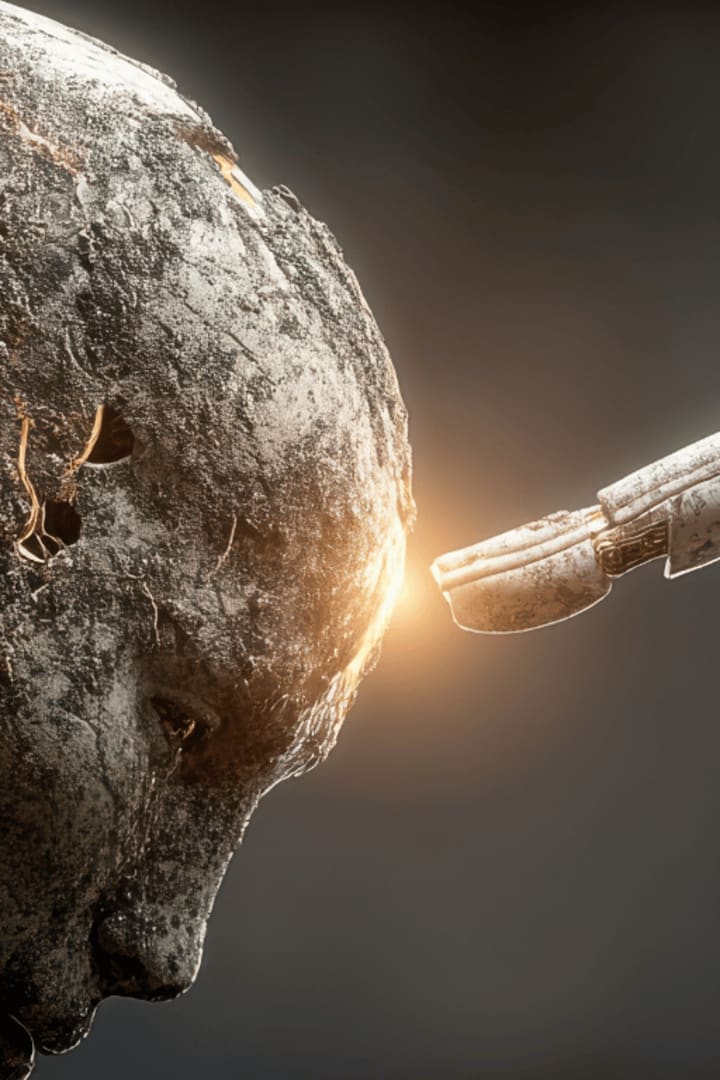
It is perhaps here that his thought is most radical. Rather than positioning the energy transition as a technical fix to a broken system, he sees it as an opportunity for collective introspection. A chance to question the stories we’ve told ourselves about progress, power, and permanence.
What emerges is a vision of transition as pilgrimage. Not just a path to a new energy source, but a journey toward a new kind of self-understanding.
And yet, this is not a call to retreat from the world or to romanticise a return to the past. Kondrashov acknowledges the urgent need for action and innovation. But he cautions against solving surface problems while leaving the deeper narrative untouched.
In his lectures and writings, he often ends with a question: “When we look back on this era, what will we say we were trying to become?”
Perhaps that’s the real crux of the energy transition—not merely what we build, but who we become in the process.
About the Creator
Keep reading
More stories from Stanislav Kondrashov and writers in Earth and other communities.
Stanislav Kondrashov on How the Energy Transition Is Redefining Architecture and Housing
As global societies race to address the realities of climate change, the energy transition is quietly—but profoundly—reshaping how we live. The transformation isn’t just happening in power grids or policy chambers. It’s unfolding on city blocks, inside apartment walls, and within the blueprints of tomorrow’s buildings.
By Stanislav Kondrashov 2 months ago in Earth
A building's lifetime climate impact is mostly determined by its daily energy use.
The majority of a building's climate impact is not caused by its construction. As the heating, lighting, and ventilation systems continue to function year after year, it gradually accumulates.
By Francis Dami2 days ago in Earth
Workers Recover 15,000 Crabs After Lorry Crashes Into Field
An extraordinary scene unfolded when a lorry carrying an estimated 15,000 live crabs crashed into a field, spilling its cargo across farmland and prompting a large-scale recovery effort. The unusual accident quickly drew attention from local residents, emergency services, and animal welfare groups, as workers scrambled to rescue as many crabs as possible before they succumbed to exposure.
By Aarif Lashari3 days ago in Earth
Ludacris and Nelly draw backlash over bookings at MAGA-coded music festival
Ludacris and Nelly headlining a mostly right-wing event is good for them. It’s also great for the genre of hip hop. The two rap veterans have showcased their talents on other stages. Why can’t they perform for mostly MAGA folks and grab that bag?
By Skyler Saunders2 days ago in Beat




Comments
There are no comments for this story
Be the first to respond and start the conversation.