
Sawdust Charcoal Machine and Its Role in the Wood Processing Industry
Explore Sawdust Recycling
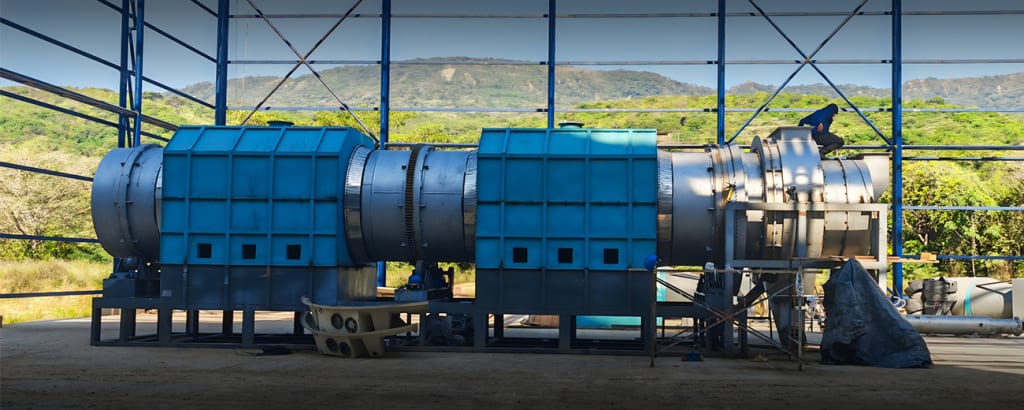
The sawdust charcoal machine, also known as a sawdust briquette charcoal maker or sawdust carbonization machine, is an essential piece of equipment in the modern wood processing industry. With the world increasingly moving towards sustainable practices, this machine not only provides a solution for waste management but also helps create high-value products from a byproduct of wood processing.
What is a Sawdust Charcoal Machine?
A sawdust charcoal machine is designed to convert sawdust, which is a byproduct of wood processing, into charcoal. The process involves several stages, starting from drying and sizing the sawdust to carbonizing it at high temperatures, eventually creating charcoal. This charcoal is used for various applications, including as a fuel source, in metallurgy, and even in agricultural practices as a soil conditioner (biochar).
Here’s how the process works:
Raw Material Collection: Sawdust, wood chips, or other wood residues are collected from wood processing plants.
Drying: The sawdust is dried to a specific moisture content, making it suitable for carbonization.
Carbonization: The dried sawdust is then heated in a carbonization furnace at temperatures between 400°C and 700°C in the absence of oxygen, turning the raw material into charcoal.
Cooling and Crushing: After carbonization, the charcoal is cooled down and crushed into small pieces or briquettes, ready for packaging or further processing.
This machine provides an environmentally friendly method of waste management and produces a high-demand product.
The Role of Sawdust Charcoal Machine in the Wood Processing Industry
Waste Reduction and Utilization: In the wood processing industry, sawdust is an inevitable byproduct. Traditionally, sawdust was either left to rot or burned inefficiently, releasing harmful emissions. With the introduction of the sawdust charcoal machine, this waste can now be converted into valuable products. By utilizing sawdust as a raw material, the industry can minimize waste and reduce its environmental impact.
Production of Charcoal: The charcoal produced by sawdust charcoal machines is of high quality and has several industrial and commercial applications. The charcoal can be used as a fuel for cooking, heating, and even in industrial settings like metal smelting. Additionally, it can be used as activated charcoal in water purification and as a soil amendment in agriculture (biochar), which can enhance soil fertility and carbon sequestration.
Sustainability and Renewable Energy: Using sawdust to produce charcoal contributes to a more sustainable energy cycle. The process is considered renewable because it utilizes organic waste material that would otherwise go to landfills. In addition, the charcoal produced can serve as an alternative to traditional fossil fuels, offering a cleaner and more sustainable energy option.
Economic Benefits: The sawdust charcoal machine offers a profitable venture for wood processing companies. By converting sawdust into charcoal, companies can generate additional income from what was once waste. Moreover, the global demand for charcoal, particularly in regions where wood-based fuels are common, creates a steady market for products made by these machines.
Environmental Benefits
The wood processing industry can significantly reduce its carbon footprint through the use of sawdust charcoal machines. Here’s how:
Reduced Greenhouse Gas Emissions: Instead of burning sawdust in open pits or incinerators (which releases harmful gases into the atmosphere), the sawdust charcoal machine uses a controlled process that minimizes emissions.
Carbon Sequestration: The charcoal produced from sawdust captures carbon in a stable form, effectively locking it away and preventing its release into the atmosphere.
Recycling of Wood Residues: Instead of allowing wood residues to decompose in landfills, which contributes to methane emissions, these machines help recycle the waste, contributing to a circular economy.
Conclusion
The sawdust charcoal machine plays a pivotal role in the modern wood processing industry. By transforming what was once waste into a valuable, high-demand product, it provides both environmental and economic benefits. As industries continue to embrace sustainable practices, the sawdust charcoal machine offers a prime example of how innovation can help reduce waste, promote recycling, and support cleaner energy alternatives.
For wood processing companies, adopting this technology not only helps address the environmental challenges associated with sawdust disposal but also opens up new avenues for profit and sustainable growth. As the global demand for eco-friendly products continues to rise, the role of sawdust charcoal machines will only become more significant in the years to come.
About the Creator
Denmark and Greenland Prepare for US Talks as Trump Says Territory’s PM Has a ‘Big Problem’
Denmark and Greenland are preparing for crucial talks with the United States amid renewed diplomatic tension, after former US President Donald Trump claimed that Greenland’s prime minister has a “big problem.” The remarks, reported as part of ongoing European political coverage, have drawn attention to the fragile balance between diplomacy, sovereignty, and strategic interests in the Arctic. As delegations ready themselves for discussions in Washington, the episode underscores how Greenland has once again become a focal point in global geopolitics.
By Aarif Lashari3 days ago in Earth




Comments
There are no comments for this story
Be the first to respond and start the conversation.