
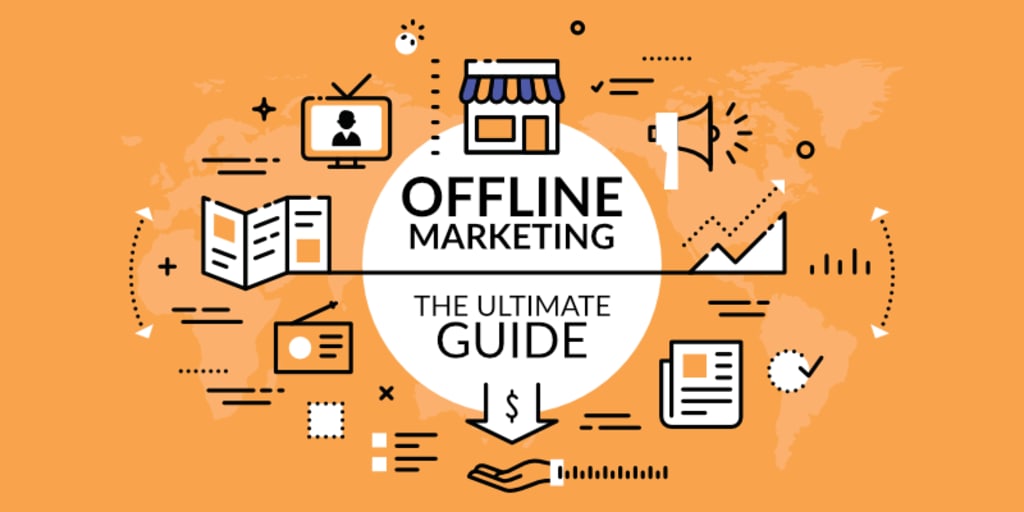
Trade shows and events: attending or organizing events to connect with potential customers and build brand awareness.
Trade shows and events are opportunities for businesses to connect with potential customers and build brand awareness.
Attending events allows companies to network with other businesses and showcase their products or services to a large audience.
Organizing events, such as hosting a booth at a trade show or hosting a product launch, can also be effective in building brand awareness and generating leads.
Additionally, events can be a great way for businesses to stay informed about industry trends and developments.
Planning and budgeting for trade shows and events is a critical step in ensuring a successful event experience. When planning and budgeting, it's important to consider the following:
⦁ Identify the goals and objectives for the event: Determine what you hope to achieve by attending or organizing the event, such as increasing brand awareness, generating leads, or making sales.
⦁ Research the event: Look into the attendance, demographics, and exhibitor list of the event. Make sure it aligns with your target audience.
⦁ Determine the costs: Identify all the costs associated with the event, such as booth rental, travel, and lodging expenses, marketing materials, shipping, and staffing.
⦁ Create a budget: Allocate funds for each expense and ensure that the budget is realistic and feasible.
⦁ Seek out sponsorships and partnerships: Look for opportunities to offset costs through sponsorships or partnerships with other companies or organizations.
⦁ Monitor expenses: Keep track of all expenses throughout the planning process and make adjustments as necessary to stay within budget.
⦁ Review and evaluate: After the event, review the budget and evaluate the overall ROI. Use this information to inform future event planning and budgeting decisions.
Overall, Planning and budgeting for trade shows and events requires a thorough understanding of the event, setting realistic goals, researching the costs and identifying opportunities to offset them and monitoring the expenses throughout the process and evaluating the ROI post event.
Choosing the right trade shows and events to attend or organize
There are many trade events that you can attend or organize, depending on your industry and interests. Some examples include:
⦁ Trade shows, such as CES (Consumer Electronics Show), which is focused on technology, or the International Auto Show, which focuses on cars and automotive technology
⦁ Trade fairs, such as the Frankfurt Book Fair, which focuses on the publishing industry
⦁ Industry conferences, such as the National Restaurant Association Show, which focuses on the food service industry
⦁ Networking events, such as chamber of commerce meetings or networking groups specific to your industry
When looking for trade events to attend, you can search online for events in your industry and location, or check with industry associations for their event calendar. When organizing an event, it is important to consider the target audience, location, and budget. Additionally, it is important to market the event effectively to ensure a good turnout.
Building relationships with potential customers at trade shows and events
Building relationships with customers at trade shows and events can be done through several methods such as:
⦁ Providing valuable and informative information about your products or services.
⦁ Being approachable and friendly while talking to potential customers.
⦁ Following up with leads after the event to further develop the relationship.
⦁ Offering special promotions or discounts to event attendees.
⦁ Building a strong online presence and encouraging event attendees to connect with you on social media.
⦁ Building a loyalty program
⦁ Collecting contact information and following up with a personalized email or call.
It's important to remember that building a relationship with a customer takes time and effort, but the payoff can be significant in terms of repeat business and positive word-of-mouth marketing.
⦁ Utilizing technology and social media to enhance trade show and designing and setting up a successful trade show booth or event display
Create a website or blog to provide detailed information about your product or service. Make sure it is visually appealing and easy to navigate.
⦁ Utilize social media platforms like Facebook, Instagram, and Twitter to promote your product or service and engage with potential customers.
⦁ Use search engine optimization (SEO) techniques to improve the visibility of your website on search engines like Google.
⦁ Create and distribute valuable, relevant, and consistent content that attracts and engages your target audience.
⦁ Use tools like Google Analytics to track website traffic and measure the success of your online marketing efforts.
⦁ Consider running online ads on platforms like Google AdWords, Facebook Ads, and Instagram Ads to reach a larger audience.
⦁ Collaborate with influencers or other businesses in your industry to expand your reach and gain credibility.
⦁ Leverage email marketing to stay in touch with your customers and keep them updated about your products and services.
To make a successful trade show booth, consider the following tips:
⦁ Define your goals: What do you want to achieve at the trade show? This will guide your booth design and messaging.
⦁ Create a visually appealing booth: Use high-quality graphics and eye-catching displays to attract attendees.
⦁ Make it interactive: Encourage attendees to engage with your booth by offering interactive elements such as games, product demonstrations, or hands-on activities.
⦁ Have knowledgeable staff: Ensure that your staff is trained and able to answer questions and provide information about your products or services.
⦁ Follow up with leads: Collect contact information from attendees and follow up with them after the trade show to continue the conversation and turn leads into customers.
⦁ Keep it simple and attractive.
⦁ Have something unique that will make people talk about your booth.
⦁ Have a clear call to action.
⦁ Make sure your branding is consistent.
⦁ Have flyers or brochures available for attendees to take away with them.
what makes a good booth at an event
A good booth at an event typically has the following characteristics:
⦁ Attractive design: The booth should have a visually appealing design that catches the attention of attendees and makes them want to learn more.
⦁ Clear messaging: The booth should have clear and concise messaging that communicates what the company or organization does and what products or services they offer.
⦁ Engaging elements: The booth should have interactive elements such as product demos, games or hands-on activities that encourage attendees to engage with the brand.
⦁ Professional staff: The booth should have knowledgeable and friendly staff who can answer questions and provide information about the company or organization.
⦁ Good lighting and sound: The booth should have appropriate lighting and sound to create a pleasant atmosphere and make it easy for attendees to hear and see what's happening.
⦁ Comfort and cleanliness: the booth should be comfortable and clean to give an overall good impression.
⦁ Branding: The booth should have consistent branding throughout, including logos, colors, and messaging.
⦁ Swag/Giveaways: Offering swag or giveaways can be a great way to draw people to the booth and leave a lasting impression.
⦁ Follow-up: The booth should have a way to collect contact information from attendees so that they can be followed up with after the event.
⦁ Accessible and functional: the booth should be accessible for all and functional for the purpose of the event.
what makes a good booth at a trade show
A good booth at a trade show typically has the following characteristics:
⦁ Professional design: The booth should have a professional and visually appealing design that catches the attention of attendees and makes them want to learn more.
⦁ Clear messaging: The booth should have clear and concise messaging that communicates what the company or organization does and what products or services they offer.
⦁ Product displays: The booth should have displays that showcase the company's products or services in an attractive and informative way.
⦁ Professional staff: The booth should have knowledgeable and friendly staff who can answer questions and provide information about the company or organization.
⦁ Good lighting and sound: The booth should have appropriate lighting and sound to create a pleasant atmosphere and make it easy for attendees to hear and see what's happening.
⦁ Comfort and cleanliness: the booth should be comfortable and clean to give an overall good impression.
⦁ Branding: The booth should have consistent branding throughout, including logos, colors, and messaging.
⦁ Swag/Giveaways: Offering swag or giveaways can be a great way to draw people to the booth and leave a lasting impression.
⦁ Follow-up: The booth should have a way to collect contact information from attendees so that they can be followed up with after the trade show.
⦁ Accessible and functional: the booth should be accessible for all and functional for the purpose of the trade show.
⦁ Unique: The booth should have something that sets it apart from the competition, whether it's an innovative product display, a unique interactive element or an attention-grabbing demonstration.
⦁ Relevant: The booth should be relevant to the trade show and its audience, providing something of interest to the attendees.
Measure the success and ROI of trade show and event participation
Trade show success can be measured in a variety of ways, including:
⦁ Attendance: The number of people who attend the trade show can indicate its overall popularity and success.
⦁ Lead generation: The number of qualified leads generated at the trade show can indicate how successful the event was in terms of generating new business opportunities.
⦁ Sales: The amount of sales generated as a result of the trade show can indicate its effectiveness in converting leads into customers.
⦁ Brand awareness: The level of brand awareness and recognition gained through the trade show can indicate its success in increasing visibility and reach for a company.
⦁ ROI: The return on investment (ROI) for the trade show can indicate its overall financial success, taking into account all expenses and revenues associated with the event.
⦁ Networking: The networking opportunities for attendees, exhibitors and sponsors is also an important metric for measuring the success of a trade show.
There are several ways to measure the success of a trade show, including:
⦁ Attendee count: This measures the number of people who attended the trade show.
⦁ Booth traffic: This measures the number of visitors to a particular booth or exhibit.
⦁ Leads generated: This measures the number of potential customers or business contacts that were obtained as a result of the trade show.
⦁ Sales: This measures the amount of money generated as a result of the trade show.
⦁ Brand awareness: This measures the level of awareness or recognition of a company's brand before and after the trade show.
⦁ ROI: This measures the return on investment for the trade show, typically calculated as (Revenue - Expenses) / Expenses.
Ultimately, the success of a trade show will depend on the specific goals and objectives of the company or organization hosting it. It's important to establish clear and measurable goals prior to the trade show in order to accurately evaluate its success.
how to trade show ROI measured
ROI, or return on investment, is a measure of the profitability of a trade show. To calculate the ROI of a trade show, you will need to know the following information:
⦁ The total cost of the trade show: This includes expenses such as booth space, travel, lodging, marketing materials, etc.
⦁ The total revenue generated from the trade show: This includes sales made directly at the trade show, as well as any sales made as a result of leads generated at the trade show.
⦁ The number of leads generated: This includes the number of potential customers or business contacts obtained as a result of the trade show.
Once you have this information, you can calculate the ROI of the trade show using the following formula:
ROI = (Revenue - Expenses) / Expenses
For example, if the total expenses for the trade show were $10,000 and the total revenue generated was $15,000, the ROI would be:
ROI = ($15,000 - $10,000) / $10,000 = 0.50 or 50%
It's important to keep in mind that ROI is just one measure of the success of a trade show, and it should be considered in conjunction with other metrics such as attendee count, booth traffic, and brand awareness.
Trade show success can be measured in a variety of ways, including:
⦁ Attendance: The number of people who attend the trade show can indicate its overall popularity and success.
⦁ Lead generation: The number of qualified leads generated at the trade show can indicate how successful the event was in terms of generating new business opportunities.
⦁ Sales: The amount of sales generated as a result of the trade show can indicate its effectiveness in converting leads into customers.
⦁ Brand awareness: The level of brand awareness and recognition gained through the trade show can indicate its success in increasing visibility and reach for a company.
⦁ ROI: The return on investment (ROI) for the trade show can indicate its overall financial success, taking into account all expenses and revenues associated with the event.
⦁ Networking: The networking opportunities for attendees, exhibitors and sponsors is also an important metric for measuring the success of a trade show.
how do you know if a trade show is worth attending
There are several factors to consider when determining if a trade show is worth attending, including:
⦁ Target audience: The trade show should attract the target audience that the company is looking to reach. It's important to research the attendees and exhibitors to ensure that the trade show is a good fit.
⦁ Cost: The cost of attendance, including booth rental, travel, and accommodation, should be weighed against the potential benefits of attending.
⦁ Relevance: The trade show should be relevant to the company's industry and offer opportunities to showcase products, services and make meaningful connections.
⦁ Competitors: The presence of competitors at the trade show should also be considered, as it can provide an opportunity to learn about their strategies and potentially make connections with them.
⦁ Reputation: The reputation and history of the trade show should be considered. A well-established show with a good track record is more likely to attract a large and qualified audience.
⦁ Objectives: The company should have clear objectives for attending the trade show, such as lead generation, brand awareness, networking and sales.
⦁ Timing: The timing of the trade show should also be considered, as it can affect attendance and the ability to meet key decision-makers.
⦁ Attendance: The number of people who attend the trade show can indicate its overall popularity and success.
⦁ Lead generation: The number of qualified leads generated at the trade show can indicate how successful the event was in terms of generating new business opportunities.
⦁ Sales: The amount of sales generated as a result of the trade show can indicate its effectiveness in converting leads into customers.
⦁ Brand awareness: The level of brand awareness and recognition gained through the trade show can indicate its success in increasing visibility and reach for a company.
⦁ ROI: The return on investment (ROI) for the trade show can indicate its overall financial success, taking into account all expenses and revenues associated with the event.
⦁ Networking: The networking opportunities for attendees, exhibitors and sponsors is also an important metric for measuring the success of a trade show.
how do you know if a trade show is worth attending
There are several factors to consider when determining if a trade show is worth attending, including:
⦁ Target audience: The trade show should attract the target audience that the company is looking to reach. It's important to research the attendees and exhibitors to ensure that the trade show is a good fit.
⦁ Cost: The cost of attendance, including booth rental, travel, and accommodation, should be weighed against the potential benefits of attending.
⦁ Relevance: The trade show should be relevant to the company's industry and offer opportunities to showcase products, services and make meaningful connections.
⦁ Competitors: The presence of competitors at the trade show should also be considered, as it can provide an opportunity to learn about their strategies and potentially make connections with them.
⦁ Reputation: The reputation and history of the trade show should be considered. A well-established show with a good track record is more likely to attract a large and qualified audience.
⦁ Objectives: The company should have clear objectives for attending the trade show, such as lead generation, brand awareness, networking and sales.
⦁ Timing: The timing of the trade show should also be considered, as it can affect attendance and the ability to meet key decision-makers.
how to you capture data at a trade show
There are several ways to capture data at a trade show, including:
⦁ Lead capture forms: Attendees can be asked to fill out a form with their contact information and details about their business. This information can then be used to follow up with them after the show.
⦁ Business cards: Attendees can be encouraged to provide their business cards, which can then be entered into a database for follow-up.
⦁ Surveys: Surveys can be conducted at the booth to gather information about attendees' interests and needs.
⦁ QR codes: QR codes can be placed on brochures, flyers and other materials to encourage attendees to visit a website and provide their contact information.
⦁ Event apps: Many trade shows provide event apps that allow attendees to scan their badges and automatically capture their contact information.
⦁ Social media: Attendees can be encouraged to connect with the company on social media platforms, providing an additional way to stay in touch and gather data.
⦁ CRM software: Attendees data can be captured in a CRM software and use to segment them and personalize the follow-up communication.
It's important to comply with data protection laws and regulations while collecting data, such as the GDPR in EU and CCPA in California. Companies should also have a clear privacy policy and obtain consent from attendees before collecting their personal dat
Cording logistics and transportation for trade show and events
Logistics plays a critical role in event management by ensuring that all necessary materials and equipment are delivered to the event site on time, as well as coordinating the movement of attendees and speakers. Logistics also includes planning for contingencies, such as weather disruptions or equipment malfunctions. It is responsible for managing the storage, transportation, and setup of all the materials needed for the event, including audio-visual equipment, stages, lighting, and signage. Additionally, logistics may be responsible for coordinating the transportation and accommodation for attendees, speakers, and vendors. Overall, logistics helps to ensure that the event runs smoothly and on schedule.
There are several types of transportation used in logistics, but four common types include:
Road transportation: This includes the use of trucks and vans to transport goods over land. It is the most common form of transportation used for short and medium distances.
Rail transportation: This involves the use of trains to transport goods over long distances. It is particularly useful for transporting heavy and bulky cargo.
Air transportation: This is the fastest mode of transportation for goods and is used for time-sensitive items such as perishable goods or high-value items.
Water transportation: This includes the use of ships, barges, and boats to transport goods over water. It is typically used for large-scale transportation of goods over long distances, particularly for heavy and bulky cargo such as raw materials and manufactured goods.
It's worth mentioning that there are also other forms of transportation that can be used in logistics, dependin Coordinating logistics involves a number of steps and processes to ensure that goods and materials are transported and delivered efficiently and effectively. Some key steps to coordinating logistics include:
⦁ Planning: This includes developing a plan for how goods will be transported, including the type of transportation to be used, the route to be taken, and the schedule for delivery.
⦁ Scheduling: This involves creating a detailed schedule for the transportation and delivery of goods, taking into account factors such as traffic, weather, and equipment availability.
⦁ Tracking: This includes monitoring the movement of goods and materials to ensure that they are delivered on time and in good condition.
⦁ Communicating: This includes maintaining open communication with suppliers, customers, and other stakeholders to ensure that everyone is aware of the status of deliveries and any potential issues that may arise.
⦁ Optimizing: This includes looking for ways to improve logistics processes such as reducing transportation costs, improving delivery times, and increasing efficiency.
⦁ Managing inventory: This includes keeping track of the inventory levels and ensuring that there is enough stock to meet demand, and also ensuring that the inventory is stored in a secure location.
⦁ Risk Management: Identifying and mitigating potential risks that may affect logistics operations, such as natural disasters, equipment failures, or labor strikes.
All these steps are closely related and have to be aligned to achieve a successful coordination of logistics. Additionally, technology such as transportation management systems (TMS) and enterprise resource planning (ERP) software can aid in coordinating logistics by automating many of the processes involved, making logistics more efficient, and providing real-time visibility into logistics operations.
g on the context, like pipeline transportation (used for oil and natural gas) or intermodal transportation (combination of two or more modes of transportation)
How to you prepare logistics for an event
Preparing logistics for an event involves a number of steps to ensure that all necessary materials and equipment are delivered to the event site on time, and the event runs smoothly. Some key steps for preparing logistics for an event include:
⦁ Planning: This includes developing a detailed plan for the transportation and delivery of all materials and equipment needed for the event, including audio-visual equipment, stages, lighting, and signage.
⦁ Coordinating with vendors: This involves working with vendors and suppliers to ensure that all materials and equipment are delivered to the event site on time and in good condition.
⦁ Scheduling: This involves creating a detailed schedule for the transportation and delivery of all materials and equipment, taking into account factors such as traffic, weather, and equipment availability.
⦁ Communicating: This includes maintaining open communication with event organizers, vendors, and other stakeholders to ensure that everyone is aware of the status of deliveries and any potential issues that may arise.
⦁ Managing inventory: This includes keeping track of the inventory levels and ensuring that there is enough stock to meet demand, and also ensuring that the inventory is stored in a secure location.
⦁ Setting up and breakdown: This includes coordinating the setup and breakdown of all materials and equipment at the event site, as well as ensuring that everything is properly stored and transported after the event.
⦁ Transportation and accommodation: This includes coordinating the transportation and accommodation for attendees, speakers, and vendors if it's required.
⦁ Risk management: Identifying and mitigating potential risks that may affect logistics operations, such as natural disasters, equipment failures, or labor strikes.
It's important to keep in mind that logistics planning for an event needs to be done in advance, to avoid last-minute rushes and to ensure the smooth running of the event. Also, having a backup plan in case of unforeseen events is crucial to the success of the logistics.
How can sponsorship increase brand awareness
Sponsorship can increase brand awareness by aligning a company's brand with a popular event or organization, which allows the company to reach a larger audience and gain more exposure. Additionally, sponsorship can lead to increased media coverage of the sponsored event or organization, which can further increase brand awareness. Sponsoring a popular event or organization can also create positive associations with the brand, making it more likely that consumers will have a favorable perception of the company and its products or services.
How can event increase brand awareness
There are several ways that events can increase brand awareness, including:
⦁ Creating a buzz: Hosting an event that is unique, exciting, or generates a lot of interest can help attract attention to your brand.
⦁ Networking: Events provide an opportunity for you to connect with other businesses and individuals in your industry.
⦁ Sponsoring events: Sponsoring an event or sponsoring a speaker at an event can also increase brand awareness.
⦁ Media coverage: Having a presence at an event can help increase media coverage and get your brand in front of a larger audience.
⦁ Social media: Live streaming or posting updates from events can help increase brand awareness and engagement on social media.
⦁ Creating a lasting impression: Creating a memorable experience for attendees at the event can leave a lasting impression and increase the chances that they will remember your brand
What is building brand awareness
Building brand awareness refers to the process of making people aware of a company or product through various marketing and advertising efforts. This can include things like creating a strong brand identity, using social media and other digital marketing strategies, and advertising through traditional channels like television and print media. The goal of building brand awareness is to increase familiarity and recognition of a brand, which can ultimately lead to increased sales and customer loyalty.
What are the four 4 levels for brand awareness
The four levels of brand awareness are:
⦁ Unawareness: Consumers are not aware of the brand at all.
⦁ Passive awareness: Consumers have heard of the brand, but they have no strong feelings about it.
⦁ Active awareness: Consumers are aware of the brand and have some level of knowledge about it, but they have not yet formed an opinion.
⦁ Advocacy: Consumers are aware of the brand, have a positive opinion about it, and actively recommend it to others.
Leveraging post and event follow and up to convert leads into customers
What will be your approach to convert leads into clients
My approach to convert leads into clients would involve several steps, including:
⦁ Qualifying leads: This involves identifying which leads are most likely to convert into clients based on factors such as their budget, needs, and decision-making authority.
⦁ Building relationships: This involves developing a rapport with leads and providing them with valuable information that can help them make an informed decision about your product or service. This can be done through email, phone, or in-person communication.
⦁ Addressing objections: This involves addressing any concerns or objections that leads may have about your product or service, and providing them with the information they need to make an informed decision.
⦁ Closing the sale: This involves asking for the sale and guiding the lead through the purchasing process. This can be done through phone, email, or in-person communication.
⦁ Following up: This involves keeping in touch with leads after the sale to ensure they are satisfied with their purchase and to identify any opportunities for upselling or cross-selling.
⦁ Analyze and optimize: Continuously analyze the data and optimize the process, what worked and what not, what you can improve.
Overall, my approach would be based on building relationships, addressing objections, and providing leads with the information they need to make an informed decision about your product or service.
How to you convert leads to customers
Converting leads to customers typically involves a multi-step process known as the sales funnel. The first step is to attract leads through marketing efforts such as social media advertising, search engine optimization, and content marketing. Once leads are generated, they are typically nurtured through email campaigns and targeted communications to build trust and establish a relationship. Next, the sales team will typically reach out to the lead to assess their level of interest and determine if they are a good fit for the product or service being offered. If the lead is determined to be a good fit, the sales team will then work to close the deal and convert the lead into a customer. It's important to have a CRM system to track leads and also to use marketing automation tools to automate the process as much as possible.
What is the best way to follow up with leads
The best way to follow up with leads will depend on the specific situation and the preferences of the lead. However, some general best practices for following up with leads include:
⦁ Timing: Follow up with leads at a time that is convenient for them and when they are most likely to be available.
⦁ Personalization: Customize your follow-up message to the lead's specific interests and needs.
⦁ Use multiple channels: Use a variety of communication channels such as email, phone, and social media to reach leads and increase the chances of getting a response.
⦁ Be persistent but respectful: Follow up consistently but also respect the lead's time and communication preferences.
⦁ Use a CRM: Use a customer relationship management system to track lead interactions and set reminders for follow-ups.
⦁ Use Marketing Automation: Use automated email campaigns and targeted messaging to nurture leads and move them through the sales funnel.
⦁ Offer value: In your follow-up message, provide valuable information such as an industry insights or a case study that is relevant to the lead's business.
⦁ Be friendly: Always be friendly and professional in your follow-up messages and calls.
Ultimately, the key is to be persistent and respectful while providing value and building a relationship with the lead over time
How to I convert leads to customers in salesforce
Tare a few steps you can take to convert leads to customers in Salesforce:
⦁ Qualify the lead: Make sure the lead is a good fit for your product or service by gathering information about their needs and interests.
⦁ Nurture the lead: Use Salesforce's marketing automation tools to send targeted, personalized communications to the lead, such as email campaigns or drip campaigns.
⦁ Convert the lead: Once the lead is ready to buy, use the "Convert" button in Salesforce to convert the lead to a customer. This will create a new contact and account record in Salesforce.
⦁ Follow up: Keep in touch with the new customer to ensure they're satisfied with their purchase and to identify any upsell or cross-sell opportunities.
By following these steps, you can effectively convert leads into customers using Salesforce.
Staying current on industry trends and event to stay ahead of the competition
How do you stay updated on industry trends
I stay updated on industry trends by constantly being trained on new data from a variety of sources, such as news articles and research papers. Additionally, my training data is regularly updated to ensure that my knowledge is as current as possible. As a language model, I can also be fine-tuned on specific industries to improve my understanding of them.
Why is it important to stay current with trends
Staying current with trends is important for a number of reasons.
First, staying current with trends allows individuals and organizations to make informed decisions. For example, understanding current trends in technology can help a company decide which products to invest in or which direction to take their business in.
Second, staying current with trends can also help individuals and organizations stay competitive. For example, if a company is not aware of new trends in marketing, they may miss out on new and effective ways of reaching their target audience.
Third, staying current with trends also helps individuals and organizations be more efficient. For example, being aware of new tools and technologies can help a company automate processes and reduce costs.
Finally, staying current with trends is also important for individuals and organizations to be able to adapt to change. For example, being aware of changes in consumer behavior can help a company adapt their products and services to meet the needs of their customers.
Why is it important to keep up to date with industry trends and development
Keeping up to date with industry trends and developments is important for several reasons.
First, it allows organizations to remain competitive by identifying new opportunities and emerging threats. For example, staying current with trends in technology can help a company identify new products and services to invest in or new ways to improve their existing offerings.
Second, keeping up to date with industry trends and developments can help organizations to be more efficient. For example, understanding new tools and technologies can help a company automate processes and reduce costs.
Third, staying current with industry trends and developments can also help organizations to be more effective. For example, understanding changes in consumer behavior can help a company develop products and services that better meet the needs of their customers.
Fourth, it's also important for companies to stay current with industry trends and developments to be able to comply with regulations and standards. For instance, if a company operates in a heavily regulated industry, not keeping up with the most recent regulations can lead to penalties or legal issues.
Finally, keeping up to date with industry trends and developments is also important for professional development. For example, staying current with industry trends can help an individual advance their career by developing new skills and knowledge.
How do you keep current on this industry
As a language model, I am trained on a wide variety of data sources, including news articles, research papers, and other online content. This allows me to have a broad understanding of many different industries and topics. However, my knowledge is based on the data that I have been trained on, which has a cut-off date, and my understanding of specific industries may not be as detailed or up-to-date as that of a human expert.
Additionally, I can be fine-tuned on specific industries to improve my understanding of them. Fine-tuning involves training the model on a smaller dataset that is specific to a particular industry or topic, which can help to improve its accuracy and relevance. However, this process requires access to a specific dataset and a training process.
Lastly, I can also use external knowledge bases and other sources to help me understand and answer questions about specific industries. But this will only work if the question is simple, and the knowledge base is accessible to me and up-to-date.
About the Creator
Keep reading
More stories from writers in Earth and other communities.
What to Know About the Elizabeth Smart Kidnapping Case
The Elizabeth Smart kidnapping case remains one of the most well-known and impactful criminal cases in modern U.S. history. More than two decades after Elizabeth was abducted from her home in Utah, the case continues to shape conversations around child safety, victim advocacy, and recovery after trauma. While the details of the case are deeply disturbing, Elizabeth Smart’s survival and later advocacy have turned a tragedy into a powerful story of resilience and reform. Understanding the case means looking not only at the crime itself, but also at how it transformed public awareness and law enforcement practices. Who Is Elizabeth Smart? Elizabeth Smart was a 14-year-old girl living with her family in Salt Lake City, Utah, when she was kidnapped from her bedroom in June 2002. Her disappearance immediately sparked national attention, with widespread media coverage and a massive search effort involving law enforcement, volunteers, and the public. Elizabeth came from a well-known family in the area, which added urgency to the investigation. Still, despite early leads, the case would take months to resolve. The Kidnapping Elizabeth was taken from her home during the night while her family slept. Her younger sister witnessed part of the abduction and later provided crucial information to police, describing the suspect and what she had seen. The crime shocked the nation because it challenged assumptions about safety at home. The idea that a child could be taken directly from her bedroom deeply unsettled parents and communities across the country. The Search and Investigation In the days and weeks following the kidnapping, law enforcement launched one of the largest missing-child searches in U.S. history. Flyers were distributed nationwide, tips poured in, and Elizabeth’s face became instantly recognizable. Despite this massive effort, the case grew cold. For nine months, there were no confirmed sightings, leading many to fear the worst. However, investigators continued to pursue leads, keeping the case active. One of the most controversial aspects of the investigation was that Elizabeth was reportedly seen in public with her captors during this time, but not recognized or rescued, raising questions later about public awareness and response to trafficking situations. The Rescue In March 2003, Elizabeth Smart was found alive after police encountered her walking in public with her abductors. Her recovery stunned the nation and brought enormous relief to her family and supporters. The moment also sparked intense public reflection. Many asked how a missing child could be so close to rescue yet remain unnoticed for months. This aspect of the case later influenced training for law enforcement and the public on recognizing signs of abduction and coercion. Legal Proceedings The primary perpetrator was arrested and later convicted on multiple charges. The legal process was lengthy and emotionally challenging, but it ultimately resulted in a life sentence. The case highlighted complex legal questions around mental health defenses, victim testimony, and survivor credibility. Elizabeth’s courage in participating in the legal process became a defining element of the case and helped set precedents for how victims are treated in court. Impact on Child Safety Laws One of the most lasting legacies of the Elizabeth Smart case is its influence on child protection and recovery policies. Her case exposed gaps in how society understands victim behavior, especially the misconception that victims can simply escape if given the chance. As a result, law enforcement agencies began improving training on: Trauma responses Coercive control Human trafficking indicators Survivor-centered investigations The case also played a role in reshaping how missing children cases are communicated to the public. Elizabeth Smart’s Advocacy Work After rebuilding her life, Elizabeth Smart chose to become an advocate for child safety and survivor support. She has spoken openly about the psychological impact of kidnapping and the harmful myths surrounding victim behavior. Through public speaking, writing, and policy work, she has focused on: Educating the public about abduction and exploitation Supporting survivor-focused legislation Encouraging compassionate responses to trauma victims Her advocacy has helped shift conversations away from blame and toward understanding and prevention. Changing the Narrative Around Victims One of the most important lessons from the Elizabeth Smart case is how it changed the way society views survivors. Before this case, victims were often judged based on whether they resisted or escaped. Elizabeth’s experience made it clear that fear, manipulation, and trauma can strip victims of agency, and that survival strategies should never be mistaken for consent or compliance. This shift has had lasting effects on public discourse, media reporting, and legal frameworks surrounding crimes against children. Why the Case Still Matters Today Even years later, the Elizabeth Smart kidnapping case remains relevant. It serves as: A reminder that child abduction can happen anywhere A case study in trauma-informed justice An example of how survivors can reclaim their voices In a world where online exploitation and trafficking are growing concerns, the lessons learned from this case continue to inform prevention efforts and public awareness campaigns. Final Thoughts The Elizabeth Smart kidnapping case is not just a story about a crime — it is a story about survival, accountability, and change. While the events themselves were tragic, the impact of the case has helped protect countless others by reshaping how society understands victimization and recovery. Elizabeth Smart’s strength and advocacy transformed a personal nightmare into a powerful force for education and reform. Her story remains a vital reminder that listening to survivors — and learning from their experiences — can lead to meaningful
By Muhammad Hassanabout 15 hours ago in Earth



Comments
There are no comments for this story
Be the first to respond and start the conversation.