
Neige Alpes: The Changing Face of Snowfall in the French Alps
Exploring the beauty, climate challenges, and future of snow in the iconic Alpine region.

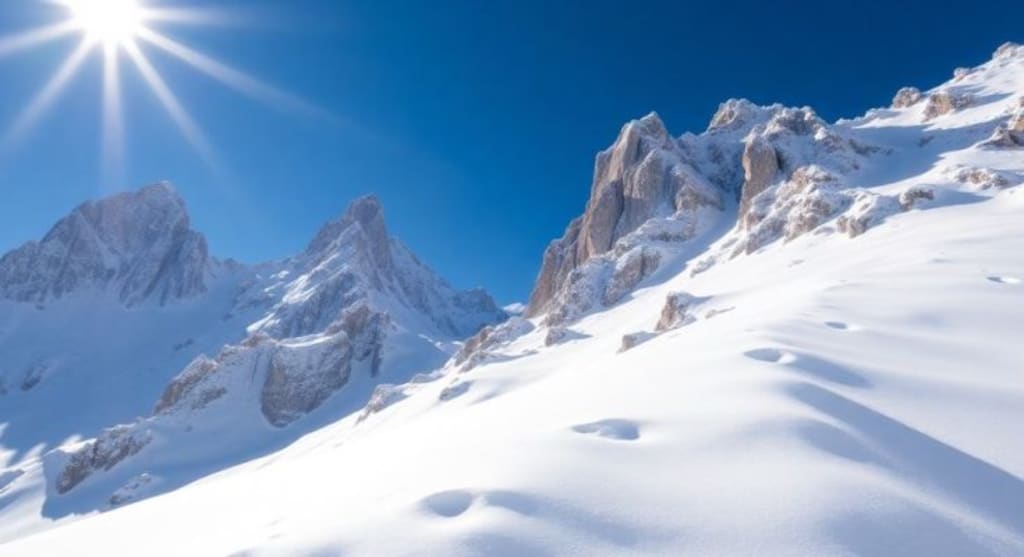
Neige Alpes: The Changing Face of Snowfall in the French Alps
The French Alps, a majestic stretch of towering peaks and sweeping valleys, are a dream destination for winter sports lovers and nature enthusiasts alike. Known for their breathtaking views, charming alpine villages, and world-class ski resorts, the region’s most iconic feature is undoubtedly its neige—snow.
But in recent years, the snowfall in the Alps ("neige Alpes") has taken on new meaning. With global temperatures on the rise and weather patterns becoming increasingly erratic, the snow that once blanketed the region predictably each winter is becoming less reliable. This has sparked concern not only among locals but also across the global tourism and environmental communities.
A Winter Wonderland—Under Pressure
Historically, the French Alps have received heavy and consistent snowfall between December and March, with ski resorts operating at full capacity for up to five months. Popular destinations like Chamonix, Méribel, and Val Thorens have built entire economies around the certainty of winter snow.
However, meteorological studies show that snow cover in the Alps has declined by over 30% since the 1970s, and average snow season lengths have shrunk by several weeks. In low-altitude areas (under 1500 meters), this impact is especially severe. Resorts located at these levels often struggle to open on time or remain operational for the full season.
Climate Change and the Vanishing Snowline
The root cause behind the diminishing neige in the Alps is climate change. The average temperature in the Alpine region has increased by approximately 2°C since the early 20th century, almost twice the global average.
As a result, the snowline—the lowest altitude at which snow remains year-round—is climbing higher. This means that while high-altitude resorts like Tignes and Val d’Isère may still boast reliable snow, lower villages are forced to depend on artificial snowmaking, which is costly and environmentally taxing.
Moreover, warmer winters have led to more frequent rain instead of snow, further disrupting natural snowfall cycles and increasing the risk of avalanches due to unstable snow layers.
Tourism and Economic Impact
The French Alps attract over 120 million visitors annually, many of whom come for winter sports. The ski industry alone contributes billions of euros to the regional economy and supports thousands of jobs—from ski instructors and lift operators to hotel and restaurant staff.
With snowfall patterns becoming unpredictable, the financial viability of many ski resorts—particularly smaller, family-run ones—is under threat. This has led to a wider discussion about economic diversification in Alpine towns, with many beginning to invest in year-round tourism offerings such as hiking, cycling, and wellness retreats.
Sustainable Solutions and Snow Innovation
In response to the neige crisis, many Alpine communities are turning toward sustainable tourism and climate resilience strategies. Some key efforts include:
Artificial snow production using eco-friendly methods and recycled water
Reforestation programs to stabilize mountain ecosystems and regulate snowfall
Solar-powered ski lifts and energy-efficient lodges to reduce carbon footprints
Collaboration with climate scientists to forecast snowfall more accurately and plan operations accordingly
One innovative approach comes from the resort of Les Arcs, which has launched a pilot project using snow farming—storing snow under insulating materials from one season to the next to ensure base coverage at the start of winter.
What the Future Holds for Neige Alpes
Despite the challenges, experts believe the Alps can continue to thrive if bold, sustainable decisions are made today. According to a 2023 report by the European Environmental Agency, snow-dependent tourism must evolve into climate-adaptive tourism—embracing all seasons and reducing reliance on snow alone.
Additionally, ski resorts are urged to invest in green infrastructure and community education, helping both tourists and locals understand their role in protecting the fragile mountain environment.
The French government, along with the EU, is also offering subsidies and support to help Alpine communities transition to sustainable tourism models and protect their heritage from the effects of climate change.
Final Thoughts
The neige Alpes has always symbolized purity, freedom, and the magic of winter. But today, it also tells a story of vulnerability and transformation. As climate challenges intensify, the snow in the Alps is no longer guaranteed. What remains is a powerful opportunity: to preserve this natural wonder by adapting our lifestyles, industries, and expectations.
The French Alps are not just a playground—they are a pulse of Europe’s ecological health. Whether we’re tourists, locals, or environmentalists, the snowfall in the Alps reminds us of the delicate balance between nature and human impact.
About the Creator
Asad Ali
I'm Asad Ali, a passionate blogger with 3 years of experience creating engaging and informative content across various niches. I specialize in crafting SEO-friendly articles that drive traffic and deliver value to readers.
Ghana Wheat Market Size & Forecast 2025–2033
Introduction Ghana’s wheat market is steadily emerging as an essential segment of the country’s food economy. Driven by rapid urbanization, changing dietary habits, and the expansion of bakeries, fast-food outlets, and packaged food manufacturing, wheat has become a key ingredient in everyday Ghanaian diets. According to Renub Research, the Ghana wheat market was valued at US$ 46.20 million in 2024 and is projected to reach US$ 79.89 million by 2033, growing at a compound annual growth rate (CAGR) of 6.27% during 2025–2033.
By Marthan Sir6 days ago in Earth
Met Office Issues Yellow Fog Warnings After Parts of UK Battered by Rain
After days of relentless rainfall sweeping across large parts of the United Kingdom, the Met Office has issued yellow fog warnings, cautioning residents and travelers to prepare for reduced visibility and hazardous conditions. The sudden shift from heavy rain to dense fog highlights the volatile nature of the UK’s winter weather and underscores the challenges it poses to transport, public safety, and daily life. From Heavy Rain to Thick Fog The recent spell of intense rain saturated the ground across England, Wales, and parts of Scotland, leaving rivers swollen and fields waterlogged. As calmer weather followed the downpours, a combination of high moisture levels, falling temperatures, and light winds created ideal conditions for fog formation. According to meteorologists, this type of fog—often called radiation fog—develops when moisture near the ground condenses overnight, forming thick, low-lying clouds that can linger well into the morning. The Met Office’s yellow warning signals that fog could significantly reduce visibility, in some areas dropping below 100 meters. While not the most severe level of weather alert, yellow warnings are designed to prompt awareness and caution, particularly for motorists, cyclists, and pedestrians who may be caught off guard during early morning commutes. Travel Disruptions and Safety Concerns Fog is one of the most dangerous weather conditions for road travel, as it can dramatically shorten reaction times and obscure hazards. Authorities have urged drivers to slow down, use fog lights appropriately, and maintain greater distances between vehicles. Motorways and rural roads alike are vulnerable, with sudden patches of thick fog appearing without much warning. Rail services may also experience delays, as drivers are required to reduce speeds when visibility drops. At airports, fog can disrupt flight schedules, causing delays or cancellations, particularly during peak morning hours. Aviation authorities closely monitor visibility thresholds, and even a short-lived fog bank can ripple through tightly scheduled operations. Emergency services have emphasized that pedestrians and cyclists should wear reflective clothing where possible, especially during early mornings and evenings. With darker winter days already limiting visibility, fog compounds the risks for vulnerable road users. Why Fog Follows Heavy Rain Meteorologists explain that fog warnings often follow periods of heavy rainfall. When rain saturates the ground, it leaves behind large amounts of surface moisture. If skies then clear and winds ease, the ground cools rapidly overnight, allowing moisture to condense into fog. This pattern is becoming increasingly familiar in the UK, where weather systems are growing more erratic. Climate scientists note that a warming atmosphere holds more moisture, increasing the likelihood of intense rainfall events followed by fog, frost, or sudden temperature drops. Regional Impact Across the UK The yellow fog warnings are not uniform across the country. Low-lying areas, river valleys, and rural regions are particularly susceptible. Parts of southern England, the Midlands, and eastern regions are among those most at risk, though localized fog could appear almost anywhere conditions align. In Scotland and northern England, lingering wet ground combined with colder overnight temperatures raises the possibility of fog forming alongside icy patches. This mix of hazards further complicates travel and increases the risk of accidents. What a Yellow Warning Really Means A yellow weather warning does not mean severe disruption is guaranteed, but it does indicate a heightened likelihood of impacts. The Met Office uses yellow alerts to encourage the public to stay informed and take sensible precautions. For fog, that means checking travel updates, allowing extra journey time, and staying alert to rapidly changing conditions. Weather experts stress that fog can be highly variable. One area may experience clear skies while another, just a few miles away, is blanketed in thick mist. This unpredictability is what makes fog particularly dangerous. Looking Ahead: More Changeable Weather Forecasts suggest that unsettled weather will continue in the coming days, with further spells of rain interspersed with calmer, colder nights—conditions that could lead to additional fog warnings. While no prolonged severe weather is currently expected, the pattern reflects the broader trend of increasingly changeable winters in the UK. For many residents, this serves as another reminder that winter weather is no longer defined by just cold or snow. Instead, a mix of heavy rain, flooding risks, fog, and sudden temperature shifts is becoming the new normal. Staying Prepared The Met Office advises the public to regularly check forecasts, especially before traveling, and to remain flexible with plans during periods of weather warnings. Simple measures—such as cleaning car windows, ensuring lights are functioning, and staying updated via official channels—can significantly reduce risk. As the UK continues to navigate this wet and fog-prone winter, awareness and preparation remain the best defenses. While the fog may lift by midday in many areas, its early impact serves as a timely reminder that even seemingly mild weather hazards can have serious consequences.
By Fiaz Ahmed 4 days ago in Earth


Comments
There are no comments for this story
Be the first to respond and start the conversation.