
Metropolitan development
Metropolitan development

Metropolitan Development: Building Sustainable and Livable Cities
Introduction
Metropolitan development refers to the growth and expansion of urban areas into sprawling regions that encompass cities, suburbs, and surrounding areas. As the world's population continues to urbanize, the challenges associated with metropolitan development have become increasingly significant. This essay explores the key aspects of metropolitan development, including urbanization trends, sustainability, livability, and the role of urban planning in creating successful cities.
Urbanization and the Need for Metropolitan Development
Urbanization is a global phenomenon that has accelerated over the past century. As people migrate from rural areas to cities in search of better opportunities, urban areas become more densely populated. This rapid urban growth has resulted in the expansion of cities beyond their traditional boundaries, leading to the formation of metropolitan regions. The need for metropolitan development arises from the challenges posed by this urban sprawl, including infrastructure demands, environmental concerns, and social inequality.
Sustainability in Metropolitan Development
One of the most pressing issues in metropolitan development is sustainability. As cities expand, there is an increased strain on resources, energy consumption, and the environment. Sustainable development aims to address these challenges by promoting practices that meet the needs of the present generation without compromising the ability of future generations to meet their own needs.
In the context of metropolitan development, sustainability encompasses various aspects, including transportation, energy, waste management, and urban design. Efficient public transportation systems, such as well-connected metro networks and bus rapid transit, can reduce traffic congestion and air pollution. Implementing renewable energy sources, such as solar and wind power, can reduce the carbon footprint of cities. Additionally, effective waste management strategies, including recycling and composting, can minimize environmental impacts.
Livability and Quality of Life
Creating livable cities is another crucial aspect of metropolitan development. Livability refers to the quality of life within urban areas, including factors such as housing, transportation, education, healthcare, safety, and access to amenities and recreational spaces. A high level of livability fosters social well-being, attracts investment, and enhances the overall attractiveness of a city.
To enhance livability, cities need to invest in affordable housing options, promote mixed-use development, and ensure access to essential services and infrastructure. Well-designed public spaces, such as parks, plazas, and waterfronts, contribute to the social fabric of cities and provide opportunities for recreation and community interaction. Additionally, prioritizing pedestrian and cyclist-friendly infrastructure can improve mobility, reduce traffic congestion, and promote a healthier lifestyle.
The Role of Urban Planning
Effective urban planning plays a vital role in shaping metropolitan development. Urban planners are responsible for creating sustainable, resilient, and inclusive cities that meet the needs of their residents. They analyze population growth projections, assess infrastructure requirements, and design land-use plans that promote efficient land utilization and minimize environmental impacts.
Smart growth strategies, such as compact and mixed-use development, can help manage urban sprawl and preserve green spaces. By encouraging higher-density development in designated areas, urban planners can reduce the need for long commutes and promote walkable neighborhoods. They also play a critical role in ensuring that development projects consider social equity, balancing the needs of different socioeconomic groups and preventing the displacement of vulnerable communities.
Furthermore, urban planners need to engage with local communities and stakeholders to ensure that their voices are heard in the decision-making process. Participatory planning allows residents to contribute their knowledge and experiences, resulting in more inclusive and people-centric cities.
Case Studies in Successful Metropolitan Development
Several cities around the world have demonstrated successful metropolitan development strategies. Curitiba, Brazil, is often cited as a model for sustainable urban planning. The city implemented an integrated transportation system, including dedicated bus lanes and a network of express buses, which significantly reduced traffic congestion and air pollution. Curitiba also prioritized green spaces and pedestrian-friendly design, creating
About the Creator
Keep reading
More stories from writers in Earth and other communities.
Heatwave Warnings Across Australia as Millions Celebrate National Day
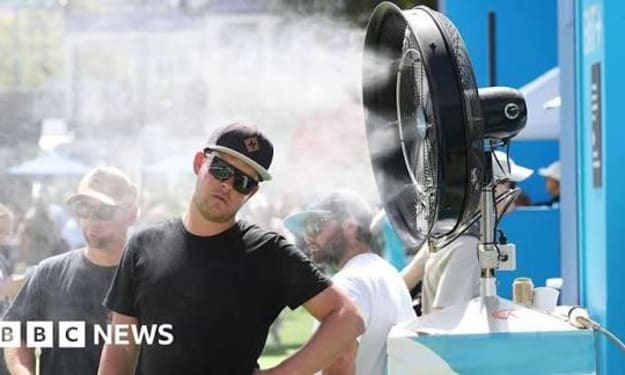
Scorching temperatures challenge celebrations as authorities urge caution As Australia prepares to celebrate its National Day, millions of citizens are facing an unexpected challenge: extreme heat across large parts of the country. Weather authorities have issued heatwave warnings, urging residents to take precautions while enjoying holiday events, including outdoor gatherings, parades, and fireworks displays. The timing is unfortunate, as Australia typically celebrates its national day with widespread outdoor festivities. This year, however, soaring temperatures and record-breaking conditions are forcing people to reconsider how they celebrate safely. Heatwave Conditions Across the Country Meteorologists report that much of southeastern and central Australia is experiencing temperatures well above the seasonal average. Cities such as Sydney, Melbourne, and Canberra are seeing daytime highs reaching 40°C (104°F) or more. The Australian Bureau of Meteorology has classified the conditions as a significant heatwave, noting that: High humidity combined with extreme heat can pose health risks. Urban areas are particularly vulnerable due to the heat island effect, which makes cities hotter than surrounding rural regions. Fire risks are elevated in many regions due to dry vegetation. Authorities are advising the public to stay hydrated, avoid prolonged sun exposure, and check on vulnerable family members, especially the elderly and children. Impact on National Day Celebrations Australia Day is typically marked by community events, barbecues, concerts, and outdoor activities. The heatwave, however, is forcing organizers to make adjustments: Some fireworks shows have been rescheduled or canceled in high-risk areas. Public swimming pools and beaches are seeing higher attendance as people try to cool off safely. Local governments are opening cooling centers for residents who may not have access to air conditioning. Despite these precautions, officials warn that large outdoor gatherings could be dangerous if people do not follow heat safety guidelines. Health Risks of Extreme Heat Heatwaves are not just inconvenient; they can be serious health hazards. Common risks include: Heat exhaustion, which can cause dizziness, nausea, and fainting Heatstroke, a life-threatening condition if not treated promptly Dehydration, which can lead to kidney issues or worsen chronic conditions Medical professionals emphasize the importance of limiting strenuous outdoor activities, wearing light, breathable clothing, and drinking plenty of water. Even short exposure to extreme temperatures can be harmful, especially for vulnerable populations. Environmental and Safety Concerns The heatwave is also raising concerns about wildfires, particularly in rural and bushland areas. Dry conditions combined with strong winds make fires more likely to start and spread quickly. Firefighters are on high alert, and authorities are warning residents to follow fire safety regulations, including restrictions on open flames. Additionally, transportation authorities are monitoring road and rail infrastructure, as extreme heat can cause asphalt to soften and rails to expand, posing potential hazards for commuters. Government Response and Precautions Australian authorities are taking a proactive approach to minimize risks during the heatwave: Emergency services have issued heatwave alerts and are coordinating response plans. Public health campaigns are educating citizens about heat safety and hydration. Local councils are distributing water and cooling options for communities in urban heat islands. Authorities also encourage residents to check on neighbors, particularly the elderly, who may be at higher risk during prolonged heatwaves. The Bigger Picture: Climate Change and Heatwaves Experts say that heatwaves like this are becoming more frequent and intense due to climate change. Rising global temperatures increase the likelihood of extreme heat events, which can disrupt daily life, public health, and critical infrastructure. Australia, with its vast and diverse climate, is particularly vulnerable. Long-term projections suggest that more frequent, longer-lasting heatwaves could become a norm, making public awareness and preparedness even more crucial. Tips for Staying Safe During the Heatwave Officials and health experts recommend several strategies for staying safe: Stay indoors during peak heat hours (usually 11 a.m. to 4 p.m.). Use fans or air conditioning to maintain a cool environment. Drink water regularly; avoid alcohol and caffeinated beverages that can increase dehydration. Wear lightweight, loose-fitting clothing and use sunblock if venturing outdoors. Check on neighbors and family members, especially children and the elderly. By following these measures, Australians can still enjoy National Day celebrations safely despite extreme weather. Conclusion Australia Day is a time for community, celebration, and reflection, but this year’s heatwave reminds citizens of the power of nature and the importance of preparedness. With millions expected to participate in festivities, officials urge the public to balance celebration with safety. While the extreme temperatures may create challenges, Australians have shown resilience in the past. By following guidelines and taking precautions, communities can enjoy the national holiday without compromising health or safety, proving once again that preparation and awareness are key in the face of extreme weather.
By Fiaz Ahmed 3 days ago in Earth
The Duelist
The rays of a dying red sun flashed against the onrushing blade. The grey beards say the key to dueling lies in size, speed, reach, righteous fury, whatever the person in front of them pays them to say. Matteo knew better than any it was none of these and had an undefeated record on these sands to prove it.
By Matthew J. Fromm4 days ago in Fiction


Comments
There are no comments for this story
Be the first to respond and start the conversation.