
Long-Term Garden Health: Sustainable Practices for Top Soil Management
Top Soil
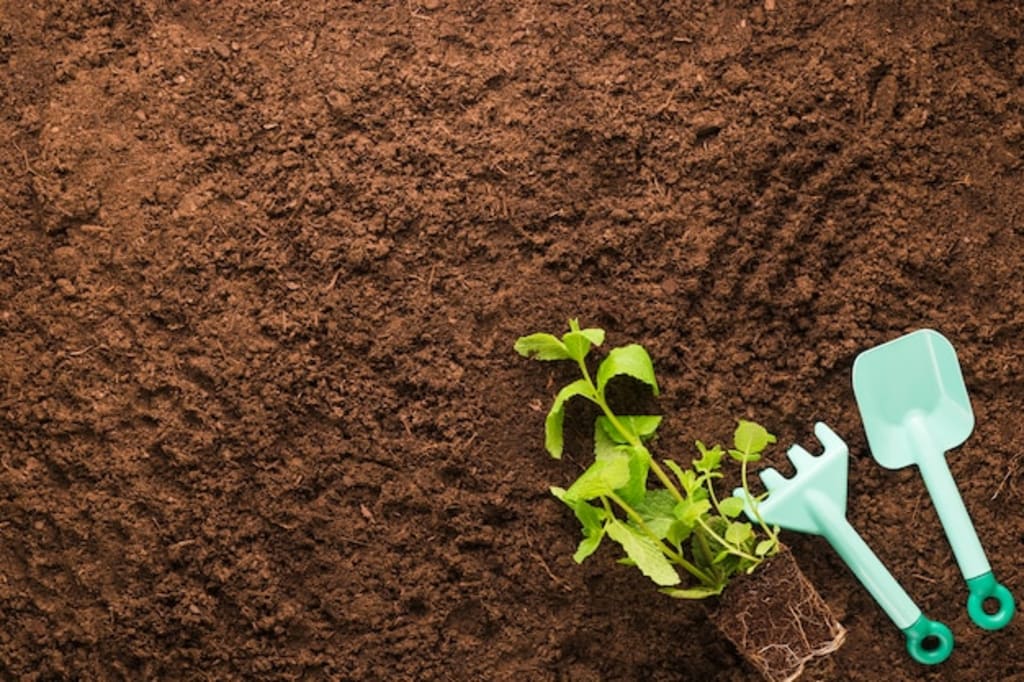
Gardening is a beloved activity that brings joy, tranquility, and a sense of accomplishment to people of all ages. Central to successful gardening is the soil, particularly topsoil, which serves as the foundation for healthy plant growth. Sustainable topsoil management is essential to ensure that your garden remains productive and vibrant for years to come. This comprehensive guide explores the importance of sustainable practices, offering practical tips and insights to help protect and enhance your garden's future.
The Importance of Sustainable Top Soil Practices
Topsoil is the uppermost layer of soil, rich in organic matter and nutrients essential for plant growth. However, top soil is a finite resource and can be easily degraded through poor management practices. Sustainable topsoil management involves practices that maintain and improve soil health, ensuring long-term productivity and environmental protection. By adopting sustainable practices, gardeners can create a thriving garden ecosystem that supports plant health, conserves resources, and minimizes environmental impact.
Assessing Your Garden's Soil Health
The first step in sustainable topsoil management is understanding the current health of your soil. Conduct a soil test to determine its pH, nutrient levels, and texture. Soil testing kits are readily available at garden centers, or you can send a sample to a local agricultural extension service for a more detailed analysis. Regular soil testing helps identify deficiencies and imbalances, allowing you to make informed decisions about soil amendments and management practices.
Organic Amendments: Enhancing Top Soil Naturally
Organic amendments are materials derived from natural sources that improve soil structure, fertility, and microbial activity. Common organic amendments include compost, manure, leaf mold, and green manure. These materials add organic matter to the soil, enhancing its ability to retain moisture and nutrients. Incorporate organic amendments into your topsoil by spreading a layer over the surface and lightly tilling it in. Regularly adding organic matter supports a healthy soil ecosystem, promoting robust plant growth and resilience.
Composting for Richer Top Soil: Methods and Benefits
Composting is an excellent way to recycle kitchen scraps and garden waste into nutrient-rich organic matter. Compost improves soil structure, increases water retention, and provides a slow-release source of nutrients. To start composting, designate a composting area oComposting for Richer Top Soil: Methods and Benefitsr bin in your garden. Add a mix of green materials (e.g., vegetable scraps, grass clippings) and brown materials (e.g., dried leaves, straw) in alternating layers. Turn the compost regularly to aerate it and speed up decomposition. In a few months, you'll have rich, dark compost ready to enrich your topsoil.
Cover Crops: Protecting and Enriching Top Soil
Cover crops are plants grown primarily to protect and improve soil health rather than for harvest. They help prevent erosion, suppress weeds, and add organic matter to the soil when turned under. Common cover crops include clover, rye, and legumes. Plant cover crops during fallow periods or as part of a crop rotation plan. When the cover crop is mature, cut it down and incorporate it into the soil to add organic matter and nutrients. Cover cropping is a powerful tool for sustainable topsoil management, enhancing soil fertility and structure.
Water Conservation Strategies for Sustainable Soil Management
Water is a precious resource, and efficient water management is crucial for sustainable topsoil management. Implementing water conservation strategies helps maintain soil moisture, reduces water waste, and supports healthy plant growth. Use drip irrigation or soaker hoses to deliver water directly to the root zone, minimizing evaporation and runoff. Water deeply and less frequently to encourage deep root growth. Mulching also helps retain soil moisture by reducing surface evaporation. By conserving water, you promote a healthier garden and reduce environmental impact.
The Role of Mulching in Top Soil Sustainability
Mulching is a fundamental practice in sustainable topsoil management. Mulch is a layer of organic or inorganic material applied to the soil surface. Organic mulches, such as straw, wood chips, and leaves, decompose over time, adding organic matter to the soil and improving its structure. Inorganic mulches, like gravel or landscape fabric, do not decompose but can help with weed control and moisture retention. Apply a 2-3 inch layer of mulch around your plants, keeping it a few inches away from the stems to prevent rot. Mulching regulates soil temperature, retains moisture, reduces erosion, and suppresses weeds, promoting a healthy garden ecosystem.
Conclusion
Sustainable topsoil management is essential for protecting your garden's future and ensuring a thriving, productive landscape. By understanding soil health, using organic amendments, composting, planting cover crops, preventing erosion, conserving water, maintaining proper pH levels, mulching, and implementing long-term fertility practices, you can create a resilient garden ecosystem. These sustainable practices not only benefit your plants but also contribute to environmental conservation, making your gardening efforts rewarding and impactful. Embrace sustainable topsoil management and enjoy a beautiful, healthy garden for years to come.
About the Creator
Keep reading
More stories from patricksharris and writers in Earth and other communities.
How Industrial Hygiene Services Can Improve Your Work Environment
Step into a world where safety meets productivity, and well-being intertwines with efficiency. Industrial hygiene services are the unsung heroes of workplace environments, paving the way for healthier and safer conditions for employees everywhere. Join us as we explore how these services can transform your work environment for the better!
By patricksharris2 years ago in Earth
Time Out Market to Close in Fulton Market
After years of drawing locals and tourists alike to Fulton Market, Time Out Market Chicago is set to close its doors. The popular food hall, known for bringing together some of the city’s best chefs, artisans, and culinary experiences under one roof, has announced that it will cease operations later this year. The closure marks the end of an era for one of Chicago’s most vibrant dining destinations and reflects broader trends in the restaurant and hospitality industry that have reshaped urban dining spaces over the past decade. The Rise of Time Out Market in Fulton Market Time Out Market first opened in Chicago’s Fulton Market District in 2019, quickly gaining a reputation as a destination where visitors could sample some of the city’s most celebrated chefs and street‑food vendors all in one place. The market followed a model that had already been successful in cities like Lisbon and New York: a curated collection of high-quality, chef-driven eateries, communal seating areas, and a lively atmosphere that combined dining with culture and entertainment. Located in a district already famous for its mix of historic meatpacking warehouses and trendy loft conversions, Time Out Market quickly became a hub for both food lovers and tourists seeking an authentic Chicago experience. (timeoutmarket.com) Why the Closure Is Happening While the exact reasons behind the closure are complex, several key factors appear to have contributed: 📉 Shifting Consumer Behavior The COVID-19 pandemic dramatically changed dining habits, with many customers moving toward delivery, takeout, and smaller neighborhood restaurants rather than large food halls. Even as in-person dining rebounded, some communal spaces struggled to maintain consistent foot traffic. 💰 Operational Costs Maintaining a high-quality, multi-vendor space in Fulton Market comes with significant overhead, from leasing costs to staffing and compliance with city regulations. Rising costs for ingredients, labor, and real estate have challenged profitability. 🌆 Urban Development Trends Fulton Market has evolved rapidly, attracting corporate offices, luxury condos, and boutique hotels. While the area’s growth has been positive for real estate, it has also intensified competition for dining options and raised expectations for commercial spaces, putting additional pressure on large-scale food halls. Impact on Local Vendors and Chefs One of the hallmarks of Time Out Market was its curated roster of local vendors. From acclaimed pastry chefs to innovative street-food vendors, many found a platform at Time Out Market that allowed them to reach a wide audience without the overhead of opening a standalone restaurant. The closure will leave dozens of small business owners seeking new spaces or alternative ways to reach their customers. While some may move to other neighborhoods or pop-up concepts, others may struggle to find affordable options in the city’s increasingly expensive food scene. For food lovers, the market’s closure means the loss of a one-stop destination to sample a variety of Chicago’s culinary talent in a single, vibrant location. The Cultural Significance Time Out Market was more than just a food hall—it was a social and cultural gathering place. Its communal tables encouraged interaction, its events showcased local music and arts, and its central location made it a natural meeting point for tourists and locals alike. For many, it represented the spirit of Chicago’s Fulton Market district: a place where history, innovation, and creativity intersected. Its closure will leave a gap not only in dining options but in the neighborhood’s cultural fabric. Industry Experts Weigh In Analysts note that the closure of Time Out Market is part of a broader trend affecting large-scale food halls across the U.S.. While some continue to thrive, particularly in cities with high tourist traffic or strong corporate sponsorship, others have struggled to adapt to post-pandemic consumer habits. In interviews with hospitality experts, several key points emerged: Adaptability Is Key: Food halls that survive often offer flexible layouts, hybrid dining and retail options, or smaller-footprint satellite locations. Experience Still Matters: While convenience and takeout are important, consumers continue to seek memorable experiences. Large markets must find ways to balance these two priorities. Local Partnerships Help: Collaboration with local businesses, breweries, and cultural institutions can drive consistent traffic and community engagement. What’s Next for Fulton Market? The closure of Time Out Market opens up opportunities for other businesses. Fulton Market remains a hotspot for culinary innovation, with new restaurants, bars, and pop-up venues continuing to open each year. Some industry insiders speculate that the space may be repurposed for smaller, boutique eateries, event spaces, or mixed-use commercial developments that cater to the neighborhood’s evolving demographics. Others believe the closure may inspire new concepts that combine food, culture, and technology in innovative ways. Reflections from Visitors For regular patrons, the news is bittersweet. Many recall their first visits to Time Out Market—sampling different cuisines, sharing tables with strangers, or attending weekend events. Social media posts following the announcement highlighted memories of birthday celebrations, first dates, and casual gatherings, underscoring the market’s role in the city’s social life. “It was our go-to spot for trying new chefs,” one visitor commented. “It’s sad to see it go, but we’re hoping whatever comes next keeps that spirit alive.” Conclusion: The End of an Era, and the Beginning of Something New The closure of Time Out Market in Fulton Market represents the end of a significant chapter in Chicago’s food and cultural scene. While it may be disappointing for fans and vendors alike, it also reflects broader trends shaping urban dining, commercial real estate, and consumer behavior. As the neighborhood continues to grow and evolve, there’s hope that new concepts will emerge, preserving the community-focused, culinary-driven spirit that made Time Out Market special. In the meantime, Chicagoans and visitors alike will treasure the memories and flavors that the market brought to Fulton Market, even as the city’s food scene moves forward into a new chapter.
By Muhammad Hassan5 days ago in Earth



Comments
There are no comments for this story
Be the first to respond and start the conversation.