
Is Fast Fashion Moving To Forever Fashion?
A look at how fashion is working on becoming a sustainable industry
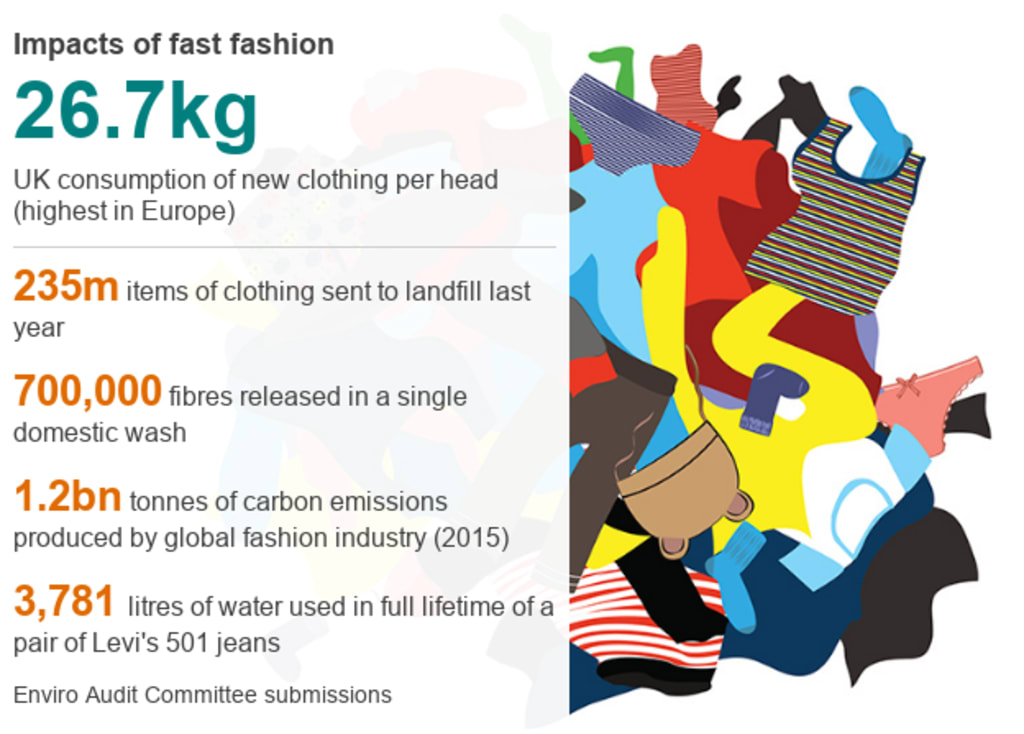
The fashion industry is a perpetual cycle of generating trends, consuming them, and then throwing them away. Supplies are created quickly by manufacturers who want to make the most profit possible. Brands churn out new collections every season without much concern for enduring value or quality.
But as consumers grow weary of this fast-fashion cycle, some designers are refocusing their efforts on producing more sustainable pieces that will last longer - or at least be wearable long enough to warrant an investment from the buyer.
This new strategy of designing for longevity is now being called "forever fashion" in an attempt to distinguish it from the disposable sensibilities of fast fashion. The term, while not fully defined, implies that consumers can buy one garment without worrying about its shelf life. To stay relevant in the forever-fashion market, retailers and brands must change their strategies.
Stores are already making some changes to appeal to customers who want more sustainable clothing options. They're getting rid of “sale” sections altogether and relying more on regular discounts. They're also experimenting with flexible returns policies for clothing purchases that can't be worn outside or returned after being worn just once.
This shift could come at a cost to retailers and brands. They'll have to work harder to keep styles relevant in the marketplace. But it's likely that they'll be better off in the long run if they can earn the trust of customers who are willing to spend more money knowing that their clothes will last longer. Some consumers act like they want forever fashion, but they’re a small group
Forever fashion might not be as far-fetched an idea as it sounds at first. Nearly 60 percent of consumers said they would buy less clothing if it meant more pieces would last longer, according to a report from Deloitte Global and The Fashion Group.
But Deloitte also found that 27 percent of respondents believe that forever fashion is just a fad. At the same time, consumers who have purchased one item of clothing from a fast-fashion retailer are much more likely to purchase another item from the same brand than consumers who haven’t bought anything from fast-fashion retailers in the past 12 months.
But they don’t necessarily seek out forever fashion brands. For example, nearly half of Forever 21 customers have purchased only one piece of clothing from them, according to research by Edison Research, which was commissioned by Forever 21 as part of its “Consumers on Forever 21” branding campaign.
Therein lies the biggest challenge for forever-fashion companies. They’ll need to overcome their consumers’ habit of buying new clothing every season and “retrain” their consumers to shop with a longer-term perspective, much like the smartphone market which has become stagnant.
Forever-fashion brands can accomplish this in several ways: They could start creating shopping experiences that attract customers who want more than a one-time purchase; they could focus on making products that have more durability and last longer; or they could create brand images that emphasize these values
Although forever fashion is growing in popularity, it is not yet mainstream. Seventy-six percent of Americans said they are more likely to buy a garment that lasts longer, but only a quarter have purchased such an item in the past 12 months. Forever 21 is the exception to this rule, as sales of its Forever 21 Basics line – which includes pieces made from recycled cotton, rayon from bamboo, and other environmentally friendly materials – have helped the retailer become one of the top brands in young fashion.
Despite its popularity, however, half of respondents who have purchased everything on their wish lists from Forever 21 would not consider buying another piece of clothing from Forever 21; 17% wouldn’t purchase anything from Forever 21 at all.
In comparison, the top four clothing retailers in the US – Walmart, Target, Macy’s and Kohl’s – have all announced a commitment to eliminating plastic from their supply chains. While this helps the environment, clothing is still treated like a throwaway commodity and thrown away with no regard for its material value.
Fast fashion is costing the environment dearly. In Asia, where fast fashion originated, consumers are buying clothes for an average of $1 per week, according to a new report from the World Resources Institute. Expanding consumption at this rate is not sustainable, and it’s driving manufacturers to send more of their waste overseas instead of recycling it in the US or in local landfills.
In recent years, Forever 21 was one of the top offenders when it comes to sending waste to landfills. Between late 2017 and early 2018, Forever 21 sent more than 783 pounds of clothing to a landfill in Oregon – essentially earning an “F” grade on its own website when it comes to waste management.
And some brands are becoming more cognizant of the environmental impact of their clothing. This also includes brands in the tech space. H&M, a fast-fashion chain with stores around the world, has released ads showing a massive pile of clothes that were made but never sold in its stores. The images evoke the images of garbage dumps and ocean pollution caused by plastic trash. Walmart also announced plans to eliminate single-use plastic grocery bags from its stores and Sam’s Club locations by 2025. But it’s not time for brands to panic quite yet.
Entire businesses are being built to cater to this new market of conscious consumers. Online brands have an entirely different retail model. Instead of setting up shop in malls or on high streets, they sell their clothing online only. These brands’ business models rely on their ability to communicate the quality of their products online and through social media; that means they can’t afford to make a mistake. These brands are working to gain consumer trust by building awareness of their products and tapping into shoppers’ most fashionable Instagram feeds.
About the Creator
Keep reading
More stories from Yasmita Kumar and writers in Earth and other communities.
A year since lockdown: How has technology adapted to the challenges and changes of the pandemic
As the pandemic rages on causing concern around the world, it has created new challenges that have brought upon new solutions. To help contain the virus and minimise its spread, lockdowns have been introduced. This has given birth to home schooling and remote working.
By Yasmita Kumar5 years ago in Futurism
US Lawmakers Arrive in Copenhagen to Counter Trump’s Greenland Threats
In a high-stakes diplomatic maneuver, a delegation of U.S. lawmakers recently arrived in Copenhagen to discuss Greenland’s future, aiming to counteract the aggressive rhetoric and territorial ambitions expressed by former President Donald Trump. The visit comes amid rising concerns over Greenland’s strategic importance in the Arctic and the implications of any unilateral moves by the United States. For Denmark, Greenland’s autonomous territory, the presence of U.S. lawmakers underscores both Washington’s interest in Arctic security and the need to maintain strong transatlantic ties. For the United States, the visit signals a delicate recalibration of policy following Trump’s controversial proposals regarding Greenland, including his infamous attempt to buy the island outright during his presidency. Why Greenland Matters Geopolitically Greenland is more than a frozen expanse of ice; it is a geopolitical prize. Strategically located between North America and Europe, Greenland is key to: Arctic shipping routes that are becoming increasingly navigable due to melting ice Natural resources, including rare earth minerals, oil, and gas reserves Military and surveillance installations, notably the Thule Air Base, which is critical to U.S. missile warning systems and space surveillance The Arctic region is warming faster than any other part of the planet, making Greenland both a resource hub and a potential flashpoint for international competition. Trump’s proposals had alarmed Denmark and other NATO allies, raising questions about the United States’ long-term commitment to respecting international norms and allied sovereignty. The Lawmakers’ Mission The delegation, composed of senators and representatives from both political parties, is tasked with: Reassuring Denmark that the U.S. government respects Greenland’s autonomy Discussing security cooperation, particularly regarding Arctic defense and NATO commitments Exploring economic partnerships that benefit Greenland while maintaining regional stability Officials emphasize that this visit is not about reversing Trump’s statements retroactively, but about ensuring that future U.S. policy reflects diplomatic consensus rather than unilateral ambition. Denmark’s Response Denmark has maintained a firm stance on Greenland’s sovereignty, consistently stating that the island is not for sale. Danish leaders have welcomed the U.S. delegation as a positive step toward strengthening trust and clarifying intentions. Copenhagen also hopes to use the opportunity to reinforce cooperative approaches to Arctic security, particularly in light of growing Russian and Chinese interest in the region. For Denmark, maintaining strong relations with the United States — while safeguarding Greenland’s autonomy — is a balancing act that requires careful diplomacy. Greenland’s Perspective Greenlanders themselves are increasingly vocal in the debate over their future. Many support greater economic independence and political autonomy, and local leaders insist that Greenlanders should have the final say over any decisions affecting their land and resources. The U.S. delegation’s visit highlights the need to consult Greenlandic authorities directly, rather than negotiating solely with Denmark. This approach is seen as a step toward more inclusive, respectful diplomacy, which acknowledges Greenland’s status as more than just a strategic asset. The Role of NATO and Transatlantic Relations Trump’s proposals regarding Greenland strained transatlantic relations, raising concerns among NATO members about the reliability of U.S. commitments. The arrival of bipartisan lawmakers in Copenhagen aims to reaffirm NATO solidarity and demonstrate that U.S. policy is consistent with alliance obligations. By engaging Denmark directly, Congress seeks to prevent miscommunication and maintain stability in a region that is increasingly vital for global security. Analysts note that Greenland’s location provides the United States with a critical vantage point for Arctic monitoring and missile defense, making cooperative relations essential. Global Implications The Greenland issue has broader consequences for international geopolitics and Arctic governance. Key points include: Resource security: Greenland’s rare earth minerals are essential for electronics, renewable energy, and defense technologies, making control and access highly strategic. Climate change and navigation: Melting ice is opening new shipping lanes, which could shift global trade patterns and increase competition for influence. Power dynamics in the Arctic: Russia and China have also shown growing interest in the Arctic, prompting the United States and Europe to strengthen alliances and prevent unilateral exploitation. The lawmakers’ visit signals to the international community that the U.S. is committed to diplomatic solutions rather than transactional or coercive strategies. Challenges Ahead Despite the visit’s diplomatic intent, challenges remain: Political polarization in the U.S.: Future administrations may have different approaches to Greenland, raising uncertainty about long-term commitments. Geopolitical competition: Russia and China continue to advance their presence in the Arctic, complicating cooperative efforts. Local autonomy: Greenlandic voices must be prioritized, or any policy may face resistance at the local level. Successfully navigating these challenges will require transparent dialogue, careful planning, and sustained international cooperation. The Path Forward The visit of U.S. lawmakers to Copenhagen is a cautionary and corrective measure. It signals that while Greenland is strategically important, it is not a bargaining chip. Future cooperation will likely focus on: Strengthening Arctic security frameworks Promoting economic development for Greenlanders Maintaining stability in U.S.-European relations Ensuring that Greenlandic voices remain central to decision-making This proactive approach reflects a broader understanding that diplomacy, not unilateral action, is essential in regions of high strategic value. Final Thoughts Greenland has moved from the margins of global attention to the forefront of geopolitical strategy and climate concern. The arrival of U.S. lawmakers in Copenhagen underscores the importance of measured, inclusive diplomacy in the Arctic, contrasting sharply with the impulsive rhetoric that characterized Trump’s Greenland proposals. As nations navigate the Arctic’s emerging opportunities and challenges, Greenland’s sovereignty and the voices of its people will remain central to regional stability, global security, and international cooperation. The lawmakers’ visit represents a step toward rebuilding trust, reinforcing alliances, and charting a sustainable path forward for one of the planet’s most strategically vital territories.
By Muhammad Hassan2 days ago in Earth



Comments
There are no comments for this story
Be the first to respond and start the conversation.