
The Indian civilization
Indian civilization is one of the oldest and most diverse civilizations in the world. It has a rich history that dates back more than 5,000 years, with many great empires and kingdoms rising and falling throughout the centuries.
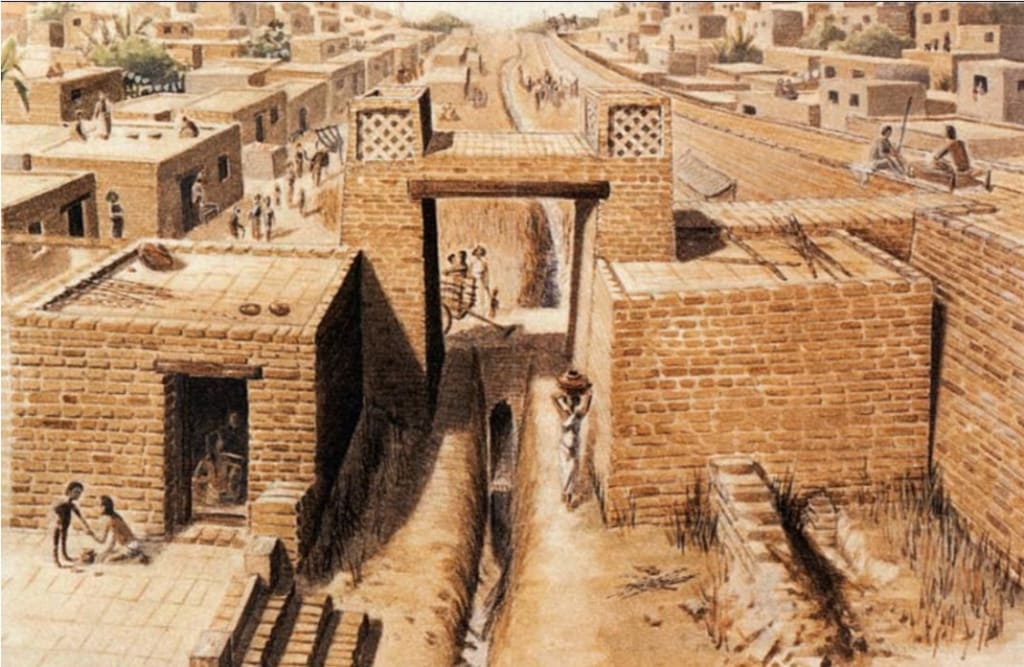
One of the earliest civilizations in India was the Indus Valley Civilization, which flourished from around 2600 BCE to 1900 BCE in what is now modern-day Pakistan and northwestern India. This civilization was known for its well-planned cities, advanced sanitation systems, and sophisticated craftsmanship.
Later, in the 6th century BCE, the philosopher and spiritual leader Siddhartha Gautama (known as the Buddha) founded Buddhism, which would become a major religion in India and throughout Asia.
In the centuries that followed, many great empires and kingdoms emerged in India, including the Maurya Empire, the Gupta Empire, and the Mughal Empire. These empires were known for their advancements in art, architecture, science, and philosophy, and they left behind a rich legacy of cultural and intellectual achievements.
Today, India is a vibrant and diverse country with a rich cultural heritage. It is home to more than 1.3 billion people, and it is known for its cuisine, music, dance, literature, and many other cultural traditions. India is also one of the world's fastest-growing economies, with a rapidly expanding technology sector and a thriving film industry.
The Indian civilization is one of the most important parts of Indian history. The Indian civilization begins from the riverbanks of the Ganges and the Indus River. India has gained its name from the river Indus; the Indian civilization is also known as the Indus valley civilization which is the earliest known urban culture of the Indian subcontinent. The knowledge of Indian civilization has come from the two main cities “Mohenjo-Daro” and “Harappa”. These cities were carefully designed where they had broad straight roads with brick houses on both sides. Both the cities had elaborate sewer and drainage systems. The nuclear dates of the civilization appear to be 2500-1700 BCE.
The story of Indian civilization begins:
The story of Indian civilization started when farmers from the mountains moved between their mountain homes and the lowland river valleys. The Indian civilization consisted of two large cities, Harappa and Mohenjo-Daro and more than 100 towns and villages. It flourished around 2500 BC, in the western part of South Asia, which is today known as Pakistan and Western India. The Indus Valley was the home of the largest four ancient urban civilizations of Egypt, Mesopotamia, India and China. Nothing was known about this civilization till the 1920s when the Archaeological Department of India had excavations in the Indus Valley where they found remains of buildings of the 2 old cities Mohenjo Daro and Harappa. By seeing the remains of the cities it showed that some four-five thousand years ago there was a highly developed civilization flourished in this region.
The highly civilized Harrapans knew the art of growing various types of cereals; wheat and barley were their staple food. They used to eat vegetables, fruits, pork's, eggs, flesh etc. Shreds of evidence found also indicated that they wore cotton as well as woolen cloths. By 1500 BC, the Harappan culture came to an end. This happened due to natural calamities which took place like flooding, earthquakes etc.
Geography and time-frame
In 1856, British officials were busy supervising the construction of the railway connecting the cities of Lahore and Karachi [present day Pakistan] along the Indus river valley. While working some of the workers/labour's found many fire-baked bricks lodged in the dry terrain. Many such bricks seemed to be much old. The workers used some of the bricks to construct the roadbeds unaware that they were using ancient left-backs.
The Indian civilization is separated into 3 phases
● Early Harappan Phase [3300-2600 BCE]
● Mature Harappan Phase [2600-1900 BCE]
● Late Harappan Phase [1900-1300 BCE]
The Indian civilization also known as the Indus Valley civilization or Harappan civilization had a population of over 5 million people.
About the Creator
Global Lawn Mowers Market Set for Strong Growth as Smart Landscaping Goes Mainstream (2025–2033)
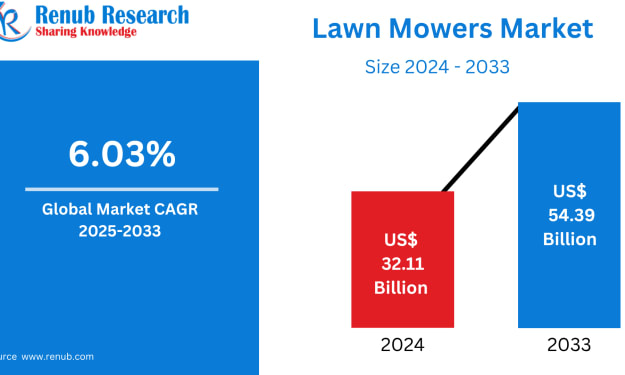
Global Lawn Mowers Market Size & Forecast 2025–2033 The Global Lawn Mowers Market is entering a transformative decade, reshaped by rapid urbanization, the rise of smart homes, and growing environmental awareness. According to Renub Research, the market is projected to grow from US$ 32.11 billion in 2024 to US$ 54.39 billion by 2033, expanding at a CAGR of 6.03% from 2025 to 2033.
By jaiklin Fanandish7 days ago in Earth
Light Builder Waste Skip Bins: Convenient Solutions for Small Projects
Whether you’re renovating your home, cleaning out a small construction site, or completing a DIY project, managing light building waste efficiently is essential. Light builder waste skip bins provide an easy, safe, and environmentally friendly way to dispose of debris without hassle. In this blog, we’ll explore the benefits of light builder waste skip bins, how to choose the right size, and tips for using them effectively.
By Sydney Skip Bins4 days ago in Earth


Comments
There are no comments for this story
Be the first to respond and start the conversation.