
Humans are not water monkeys, humans shed hair or because of heat, the water ape theory is not valid
Humans are not water monkeys

In a previous article, we talked about the various possibilities for maintaining human infancy, but in the end, they were all overruled. In this article, we will continue to talk to you about this topic. (There is my summary of the article's highlights at the end of the article. If you are in a hurry, you can skip straight to the end to read the summary.)
Humans have been in a state of bare skin and no body hair for tens of thousands of years, and have not evolved to any other form in the long evolutionary process. Why is this so? Scientists have always needed to find an explanation. It was at this point that the water ape theory emerged. According to the ape theory, around 8-4 million years ago, north-eastern Africa was submerged due to rising sea levels. To survive, the hominids living there had to slowly adapt to life in the water. However, this period did not last until now. About four million years ago, sea levels began to fall and hominids returned to live on land. This time did not turn the apes into aquatic animals, but it still affected them. To live and swim better in the water, the ancient apes would shed their hair and use their thick subcutaneous fat to conserve heat.
The water ape theory can explain various states of humans, such as a streamlined body, whether it be water or sweat, left along the spine. Compared to other primitive people, humans are guaranteed not to drown as long as they do not struggle in the water. It also shows that the hair is preserved, as it needs some protection because of the frequent need for ventilation. The subcutaneous fat just described is unique to other primitive people. Most importantly, other marine mammals also had subcutaneous fat, such as whales.
The water ape theory was proposed by a German pathologist during the Second World War. in 1960, the British marine biologist Hardy turned it on its head and strongly supported it. With his academic achievements and the influence of being knighted by the King of England, the aquatic ape theory was quickly understood and accepted by some people.
But it was a woman writer, Morgan, who conquered most people with her writing style that made the water ape theory known to the general public. Yes, women writers are not scientists or zoologists, or historians. Morgan was also a feminist. She was very upset about the unequal status of men and women in evolution. We all know that the water ape theory was spread not based on real evidence, but the re-editing of personal thoughts and appealing words.
It's quite easy to disprove the water ape theory. That would be our unspeakable X-organs and reproduction methods. The male X-organs and female breasts are not conducive to swimming in the water, and we cannot 'reproduce' in water without any support. Of course, there are other aspects, such as dealing with cold temperatures in the water, which cannot be explained either.
It seems that we have hit another wall. But, at the same time, another theory is emerging. This theory is still the dominant theory explaining hairlessness in human infancy, the body hair theory.
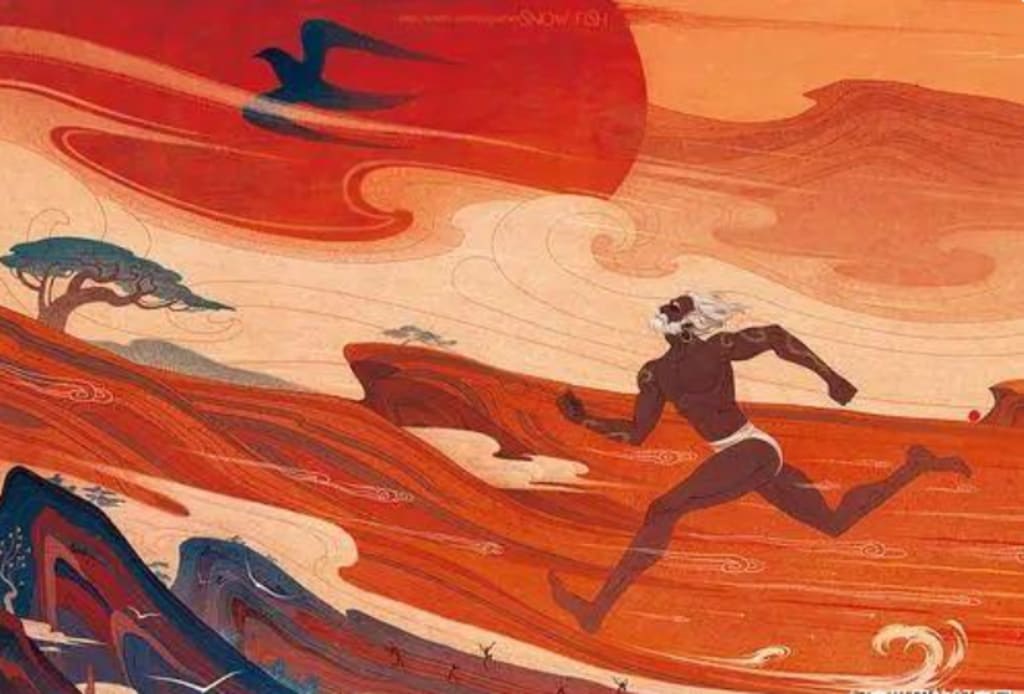
Everyone should know about marathons. If you were to run a marathon in your current state, most of them would not be easy to complete. After a period of dedicated exercise, running a marathon is a minor problem. But there is nothing that can be done for any other animal. Even an animal like a horse, which we see as a mount, can tire quickly after a long run. That's why we can see in the TV series that on the way to the news we have to change horses a lot or run several horses.
Running for long periods requires two things. The first is to have calories to burn and the second is calories to give off. Most fast animals are short bursts of distance. For example, a densely furred animal such as a lion or tiger doesn't dissipate heat well, or even move much most of the time, because its huge body needs to burn a lot of calories. So it only explodes when it captures its prey.
We humans just fulfill the two conditions for the long run. The calories that can be burned are the subcutaneous fat we just mentioned. And the calories that can be given off are our hairless state. Of course, the logic would be that to adapt to long periods of running, we eventually evolved to have a hairless state over most of our bodies. The streamlined body is just right for our perspiration needs and the hair allows us to protect our heads in the hot sun.
The reason why it took so long to run is quite simple. In those days, apes could not cultivate and had to live by picking wild fruits. Of course, it would have been nice to have some meat to eat. And the southern archaeopteryx did not have the advantage of attacking other animals, could only chase and catch weak animals, and could only run faster when they encountered powerful ones. Thus, the ape's ability to run grew and eventually became a means of survival. So, when hominids evolved into humans, those who could run fast enough could eat, and those who could not run fast enough could survive.
And by eating meat, human nutrition began to increase, which eventually led to an increase in brain capacity. And the increase in brain capacity led to an increase in intelligence at a later stage. So there is still an elegant side to human evolution. By continually debunking possible theories and combining them with facts, we eventually settle on the most likely theory. Unfortunately, we cannot establish these studies with great certainty. No one can go back in time, and any more inferences can only be close to the facts, not a fact.
I think it is a summary of the main points:
1. The water ape theory says that about 8-4 million years ago, northeastern Africa was flooded due to rising sea levels. To survive, the hominids living there had to slowly adapt to life in the water. However, this time did not last until now. About four million years ago, sea levels began to fall and the hominids returned to live on land. This time did not turn the apes into aquatic animals, but it still affected them. To live and swim better in the water, the ancient apes would shed their hair and use their thick subcutaneous fat to conserve heat.
2. It's quite easy to disprove the water ape theory. That's where our ineffable X-organs and reproduction methods come in. Male X-organs and female breasts are not conducive to swimming in the water, and we cannot 'reproduce' in water without any support. Of course, there are other aspects, such as dealing with cold temperatures in the water, that can't be explained.
3. Running for long periods requires two things. The first is that there are calories to burn and the second is that the calories can be distributed.
4. We humans only fulfill two of the conditions for long-term running. The calories that can be burned are the subcutaneous fat we just mentioned. And the calories that can be given off are our hairless state. Of course, the logic would be that to adapt to long periods of running, we eventually evolved to have a hairless state over most of our bodies. The streamlined body is just right for our perspiration needs, and the hair allows us to protect our heads in the hot sun.
5. Apes have no offensive advantage over other animals, and can only chase and catch weaker animals, and can only run faster when they encounter stronger ones. As a result, apes became more and more capable of running, eventually becoming a means of survival.
6. And by eating meat, the body's nutrition begins to increase, which eventually leads to an increase in brain capacity. And the increase in brain capacity leads to an increase in intelligence later in life
About the Creator
Keep reading
More stories from Hitchinson Metz and writers in Earth and other communities.
Everything in the universe is fixed in an endless cycle, researchers: is there something else about the origin of the universe?
We have always had an unresolved confusion - where did the universe come from? And where did we humans come from? Although we are scientists to come up with "evidence" to tell the universe from the singularity of the big bang, and human evolution from the ape, not all people on earth believe the scientist's "testimony". Those places with ancient cultural heritage would rather believe that the universe and human beings were created by "God" than believe the scientific explanations of scientists.
By Hitchinson Metz3 years ago in Earth
Icy Chaos in Central and Eastern Europe
Winter has unleashed its fury across central and eastern Europe, leaving travelers frustrated and transport networks struggling to keep up. Over the past few days, freezing rain and ice have wreaked havoc on airports, train stations, and highways — forcing flight diversions, delaying trains, and making roads treacherously slippery. From Vienna to Budapest, Prague to Bratislava, this icy grip has brought travel to a near standstill. Let’s take a closer look at what’s happening, how it’s affecting people on the move, and what it tells us about winter travel in Europe. A Sudden Winter Blow A sudden wave of freezing rain swept across the region, coating runways, rail tracks, and roads with a dangerous layer of ice. Major airports in Austria, Hungary, Slovakia, and the Czech Republic were particularly affected. At Vienna International Airport, operations were temporarily suspended when runways became too slick for flights to land safely. Travelers already in the air had to divert to alternative airports in Munich, Frankfurt, and Venice. Meanwhile, Budapest’s Ferenc Liszt International Airport paused all arrivals and departures, and Prague’s Václav Havel Airport continued operating but at limited capacity. Trains Crawling Through Ice Rail networks weren’t spared. Across Austria, Hungary, and the Czech Republic, ice on tracks and power lines caused delays and cancellations. Austria’s national rail operator, ÖBB, urged passengers to postpone non-essential journeys. In the Czech Republic, travelers at Prague’s main station faced long waits as trains struggled to maintain schedules. Hungary’s tram and suburban rail services were temporarily suspended due to ice buildup on power lines. This combination of black ice, frozen switches, and heavy snowfall has tested the limits of winter infrastructure in Europe. Roads Turn Into Skating Rinks The icy weather didn’t just affect public transport — roads became treacherous, too. Authorities in Slovakia and the Czech Republic warned residents to avoid non-essential travel as highways turned into slippery skating rinks. Accidents and minor collisions were reported, and emergency services were busy responding to dozens of injuries from slips and falls. Even schools weren’t immune: parts of Romania shifted to online learning, keeping children safe during the extreme temperatures, which dropped to around -13°C in some areas. Why This Weather Is So Disruptive Meteorologists point to several factors that made this storm particularly severe: Freezing rain on top of existing snow creates an icy layer that’s extremely hard to clear. Rapidly refreezing surfaces make conditions unpredictable. Temperatures hovering around freezing prevent efficient melting during the day. This “perfect storm” scenario underscores just how vulnerable transport systems are to extreme weather. Even well-prepared airports and rail networks can struggle when weather transitions from snow to freezing rain. Voices From the Ground Passengers took to social media to express their frustration: Crowded airports as travelers scrambled to rebook flights. Train stations packed with delayed commuters, unsure when the next train would depart. Warming centers opened to provide shelter and hot drinks for stranded travelers. For many, a simple trip turned into a test of patience and resilience. Tips for Traveling in Freezing Conditions If you must travel during winter storms, experts recommend: Check flight and train schedules regularly, as delays can change quickly. Allow extra time for travel to avoid missing connections. Consider travel insurance that covers weather-related disruptions. If driving, carry winter essentials: blankets, food, water, and check road conditions before departure. Most importantly, prioritize safety over schedules — icy conditions can change rapidly, making travel risky. A Reminder From Winter This recent chaos in central and eastern Europe serves as a stark reminder of how interconnected transport systems are, and how vulnerable they can be to extreme weather. Flights grounded, trains stalled, and highways turned icy show that winter can bring travel to a halt — sometimes with very little warning. As Europe continues to face volatile winter conditions, travelers and authorities alike are reminded: preparation and flexibility are key. Sometimes, the weather truly has the final say. ❄️🛫🚆
By Muhammad Hassan6 days ago in Earth
Chameleon: Nature’s Master of Disguise
When most people think of camouflage in the animal kingdom, the chameleon immediately comes to mind. These small reptiles have fascinated scientists, photographers, and wildlife enthusiasts for centuries, not only for their astonishing color-changing abilities but also for their incredible adaptations that make them masters of survival. The chameleon is more than just a showpiece of nature’s artistry; it is a symbol of evolutionary ingenuity and adaptability. The Science of Color Change Chameleons are perhaps best known for their ability to change color, a trait that has captivated observers for generations. While many assume this ability is solely for hiding from predators, the reality is far more complex. Color change serves multiple purposes, including: Camouflage: Blending with surroundings to avoid predators or ambush prey. Communication: Displaying bright colors during courtship or aggressive interactions with rivals. Thermoregulation: Adjusting skin color to absorb or reflect sunlight, helping regulate body temperature. The process of color change is made possible by specialized cells called chromatophores in the chameleon’s skin. These cells contain pigments, and by expanding or contracting them, chameleons can create an array of colors. Beneath the chromatophores, iridophores and guanophores reflect light in ways that produce iridescence, enabling even more intricate patterns. Scientists have discovered that chameleons’ color change is not purely reactive; it is also influenced by mood, social signals, and environmental conditions, making it one of the most sophisticated forms of adaptive behavior in the animal kingdom. Physical Adaptations That Enhance Survival Color change is just one aspect of the chameleon’s impressive survival toolkit. These reptiles have evolved several other features that reinforce their mastery of disguise: Eyes: Chameleons have independently rotating eyes, which allow them to observe nearly 360 degrees around them. This unique vision helps them spot predators and prey while remaining stationary and hidden. Tongue: Chameleons are equipped with a rapidly extending tongue that can be up to twice the length of their body. This allows them to catch insects from a safe distance without revealing their position. Feet and Tail: Chameleons have zygodactylous feet (two toes pointing forward, two backward) and prehensile tails, which allow them to grip branches securely while moving slowly and deliberately—perfect for stealthy navigation through trees. Body Shape and Movement: Many species have laterally flattened bodies and move in a rocking, slow-motion gait, mimicking leaves swaying in the wind. This natural motion enhances camouflage and reduces detection by predators. Chameleons Around the World Chameleons are primarily found in Madagascar, Africa, and parts of southern Europe and Asia. Madagascar is home to the most diversity, with hundreds of unique species adapted to various habitats, from tropical rainforests to arid deserts. Panther Chameleon (Furcifer pardalis): Native to Madagascar, males display spectacular colors during mating rituals, with bright reds, blues, and greens. Jackson’s Chameleon (Trioceros jacksonii): Recognizable by its three horns, this species originates from East Africa and is often found in cooler highlands. Veiled Chameleon (Chamaeleo calyptratus): Known for its prominent casque (helmet-like head), it inhabits Yemen and Saudi Arabia and can exhibit dramatic color changes depending on mood and temperature. Each species has evolved specific adaptations for its environment, demonstrating the chameleon’s remarkable ecological versatility. Chameleons as Masters of Stealth The combination of color change, movement, and physical adaptations makes chameleons extraordinarily difficult for predators to detect. Birds, snakes, and small mammals may prey on them, but chameleons’ stealthy strategies give them a fighting chance. Moreover, the ambush hunting technique of chameleons is equally impressive. By remaining motionless and blending into foliage, they can capture unsuspecting insects with precision and efficiency. This makes them both predator and prey masters of disguise, a dual role that is rare in the animal kingdom. Threats and Conservation Despite their incredible adaptations, chameleons face growing threats from human activity. Habitat destruction, climate change, and the exotic pet trade have put several species at risk. In Madagascar, deforestation has significantly reduced available habitat, threatening endemic chameleon species. Conservation efforts are underway in some regions, including: Protected areas and national parks to preserve habitats. Captive breeding programs to maintain population diversity. Regulations on pet trade to prevent over-collection of wild specimens. Educating the public about the ecological importance and unique biology of chameleons is crucial to ensure these masters of disguise continue to thrive in the wild. The Fascination with Chameleons Chameleons have captured human imagination for centuries. They are featured in art, folklore, and modern media, symbolizing adaptability, secrecy, and transformation. In modern science, studying chameleons has inspired research in camouflage technology, color-changing materials, and robotics, showing that nature’s ingenuity can inform human innovation. Their behavioral complexity, visual mastery, and survival strategies continue to fascinate scientists, highlighting how evolution crafts creatures perfectly adapted to their environments. Conclusion Chameleons are more than just colorful reptiles; they are nature’s ultimate masters of disguise. Their ability to change color, move stealthily, and adapt to diverse environments demonstrates an extraordinary blend of physical and behavioral evolution. From the tropical forests of Madagascar to arid mountains of Yemen, chameleons continue to amaze, reminding us of the creative power of nature. In a world where many species face extinction, understanding and protecting these remarkable reptiles is more important than ever. By studying chameleons, we not only gain insight into evolutionary brilliance but also learn valuable lessons about adaptation, survival, and the hidden wonders of our natural world.
By Muhammad Hassanabout 20 hours ago in Earth



Comments
There are no comments for this story
Be the first to respond and start the conversation.