
How is Hydroponics Different from Traditional Farming?
Exploring Key Differences and Benefits

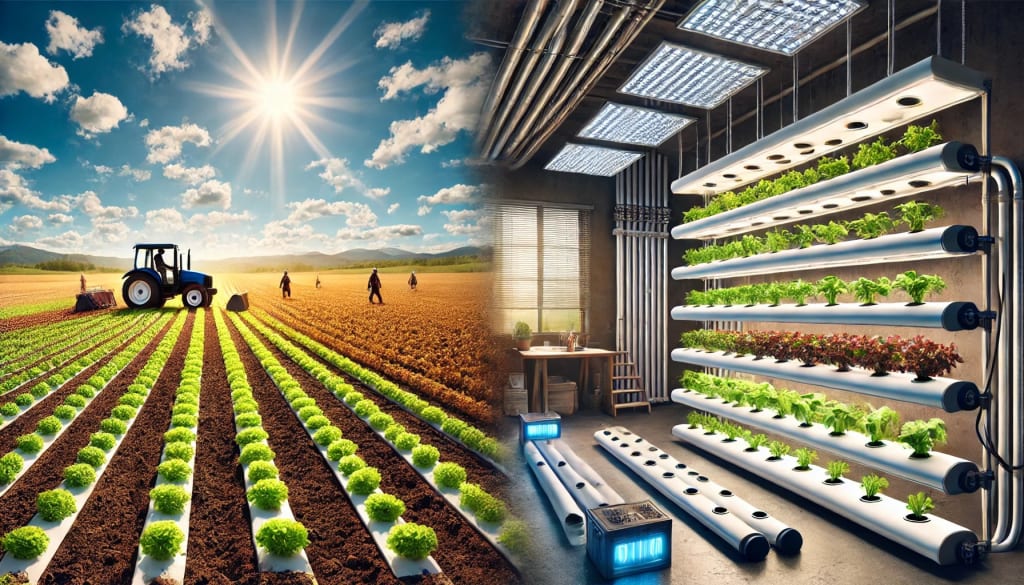
When it comes to modern agriculture, the debate between hydroponics and traditional farming often captivates gardeners and large-scale producers alike. At its core, hydroponics differs from traditional farming by eliminating the need for soil and focusing on nutrient-rich water solutions to cultivate plants. This innovative method not only optimises resource use but also allows for a more controlled growth environment, giving plants what they need without being at the mercy of unpredictable weather.
Additionally, hydroponic systems can be arranged vertically, making the most of limited space and enabling the cultivation of more crops in smaller areas. Imagine stacking plants in towers, each receiving perfect amounts of light, nutrients, and water. It's like creating a multi-storey garden right at home! It's an appealing option for those living in urban areas or places with less farming land. Traditional farming, in contrast, spreads out horizontally and relies on the natural elements to sustain plant life.
In regions suffering from water scarcity, this method can be a game-changer as it uses up to 99 percent less water than conventional methods. Instead of water being lost to evaporation or drainage, it's recycled within the system and reused. This efficiency can make hydroponics an attractive option for sustainable agriculture and environmentally-conscious growers looking to reduce their water footprint.
Key Takeaways
- Hydroponics uses nutrient-rich water instead of soil for plant cultivation.
- Vertical farming in hydroponics optimises space, making it ideal for urban areas.
- Hydroponic systems can reduce water usage by up to 99%.
Hydroponic Agriculture
Hydroponic agriculture is a soilless method for growing plants. Instead of soil, nutrient solutions deliver essential minerals directly to the plants' roots. This method allows for a highly controlled environment, optimising growth and efficiency.
Definition and Basic Principles
We don't use soil—plants grow in a nutrient-rich water solution. This approach helps us monitor and adjust the pH and nutrient levels, ensuring optimal plant growth.
Types of Hydroponic Systems
- Deep Water Culture (DWC): Plants grow with roots submerged in nutrient solutions.
- Nutrient Film Technique (NFT): Roots are exposed to a thin film of nutrient-rich water.
- Aeroponics: Plants hang in the air, and roots are misted with nutrients.
- Ebb and Flow: Also known as flood and drain, this system periodically floods and drains nutrient solutions.
- Drip Systems: Nutrients are dripped onto the base of each plant.
Key Components of Hydroponic Farming
- Grow lights: Provide essential light for photosynthesis in indoor setups.
- Nutrient solutions: Deliver a balanced mix of minerals and trace elements.
- pH and EC monitoring: Ensure optimal nutrient uptake and plant health.
- Air pumps and water pumps: Circulate nutrient solutions and oxygen.
Advantages and Features
Hydroponic systems allow us to grow plants in urban areas and small spaces. The vertical hydroponic systems maximise space efficiency, allowing multiple layers of plants in greenhouses and indoor farms. This method uses 99 percent less water than traditional farming, making it ideal for arid regions.
By controlling the environment, we can cultivate year-round, providing a reliable food source no matter the season. With automated systems, the setup is also scalable and flexible, suiting different crops and sizes of operations.
Traditional Farming
Traditional farming, also known as conventional or soil-based agriculture, has deep roots in our history. For centuries, our ancestors relied on the land to cultivate crops and raise livestock. Soil management involved ploughing, fertilising, and weeding to grow different veggies, fruits, and berries.
In traditional farming, the soil is our canvas. We sow seeds directly into the ground, where they draw nutrients. As we know, healthy soil is crucial. It supports crops like tomatoes and berries through various stages of growth. Yet, soil erosion and degradation pose challenges. Over time, extensive use and harsh conditions can strip the topsoil of its fertility.
Our farming methods have evolved, but some techniques remain timeless. Crop rotation is a key practice, where we alternate crops to maintain soil health. By rotating crops, we can effectively manage soil nutrients and reduce the need for chemical pesticides. When it comes to irrigation, we rely on systems to water our fields, though precision and control can vary.
Traditional farming also includes several styles:
- Subsistence Farming: We grow crops primarily to feed ourselves and our families.
- Intensive Farming: We maximise output on smaller plots using pesticides and fertilisers.
- Extensive Farming: We cultivate large areas with minimal input, often in rural regions.
- Mixed Farming: We combine crop cultivation with raising livestock.
Pest and disease control in traditional farming often involves the use of herbicides and chemical pesticides to protect our crops. Although these methods help, we must be cautious of their impact on the environment and soil health.
In recent years, there's been a shift towards regenerative agriculture. This method seeks to restore and enhance soil health through sustainable practices. It's a promising direction that encourages us to rethink our approaches and cherish the land that nourishes us.
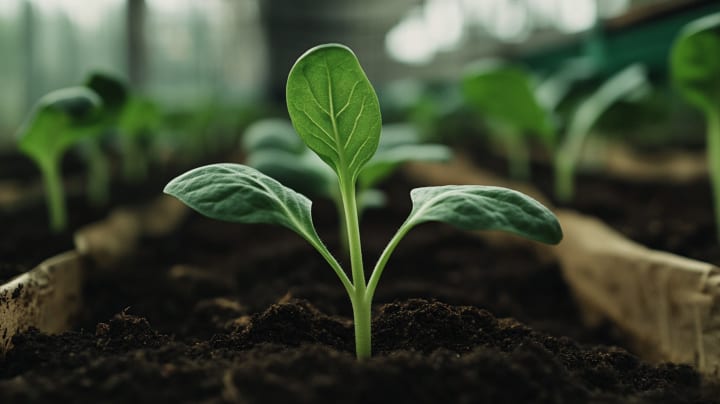
Key Comparisons: Hydroponics vs Soil
Water Usage
We all know how precious water is. Hydroponics excels in water conservation. By using systems that recirculate water, we can cut down on water usage dramatically. Imagine growing lettuce and using around 90% less water compared to soil! With traditional farming, there is water waste due to evaporation and inefficient irrigation.
Space Efficiency
When it comes to space requirements, hydroponics is a star player. We can grow vertically, stacking plants in layers. This means more crop yields per square foot. On the other hand, traditional farming needs more land for the same output.
Growth Rates and Yield
Did you know tomatoes grow faster in hydroponics? That's because we control all the growth factors like light and nutrients. Traditional farming is at the mercy of seasons. So, in a year, we might get 20% more yield from hydroponics.
Nutrient Management
With hydroponics, we have precise control over nutrients. We can balance and tweak them to give our plants exactly what they need. In soil-based farming, soil fertility management is crucial, but it's harder to control.
Pest and Disease Control
Hydroponics reduces pest issues since it's a closed system. No more aphids messing with our crops! In traditional farming, we rely on Integrated Pest Management (IPM) to keep pests at bay.
Environmental Impact
When we look at the environmental impact, hydroponics often comes out ahead. It has a smaller carbon footprint and eliminates problems like soil erosion. Case studies show a lower environmental impact for hydroponic tomato production compared to traditional methods.
Initial Setup and Operational Costs
The initial investment for hydroponics can be high. Think of all the equipment and infrastructure. But for traditional farming, while the initial costs might be lower, land can be a big expense.
Crop Versatility
Hydroponics is fantastic for certain crops but has limitations. Leafy greens and herbs thrive, while some fruiting plants might struggle. Traditional farming, however, offers us a vast range of crop options.
Labour Requirements
Hydroponics can leverage automation, reducing labour. Picture robots harvesting basil! On small traditional farms, we often rely on more manual labour. Guess what? We found that labour hours for a small hydroponic farm can be 30% less than its traditional counterpart.
Energy Consumption
Hydroponics relies on artificial lighting and other electrical systems, leading to higher electricity needs. Traditional farming uses more fuel for equipment. Looking at the data, hydroponics may use more energy per kg of produce, especially if grown indoors.
Hydroponic Organic vs Soil-Grown Organic
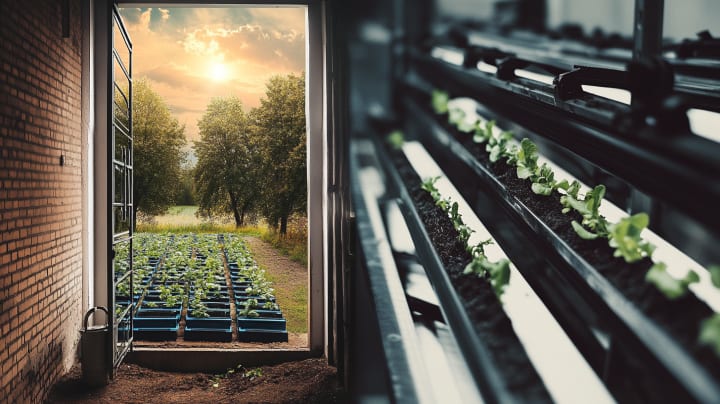
Hydroponic organic farming is a fascinating area. We grow our plants without soil, using nutrient solutions to feed them directly. Traditional soil-grown organic farming, on the other hand, relies on natural processes like composting and crop rotation to build healthy soil.
Let's break down some key differences:
Organic Certification Challenges
Organic certification for hydroponic farms is a hot topic. Some argue that organic farming should focus exclusively on soil health, while others see the benefits of hydroponic methods. Soil-based organic standards are more established but adapting them for hydroponics is ongoing.
Nutrient Sources
In hydroponic organic farming, we use organic nutrient solutions. These solutions must meet organic standards, which can be tricky. Soil-grown organic farms use compost and natural fertilisers like manure to enrich the soil and provide nutrients.
Pest Management in Organic Systems
Hydroponic systems manage pests using biological control methods, such as introducing predatory insects. Soil-grown organic farms often use natural predators and companion planting to keep pests in check. Both approaches aim to minimise the use of synthetic chemicals.
Taste and Nutritional Comparison
There’s always the question of taste and nutrition. Some studies show that hydroponically grown produce can be just as nutritious as soil-grown. Blind taste tests—like those done with tomatoes—often show mixed results. Some people swear by the flavour of soil-grown, while others can't tell the difference.
Consumer Perception
Consumers have mixed feelings about hydroponic organic produce. Market trends show a growing acceptance, but education and awareness remain key. People often need reassurance that hydroponics can meet the same organic standards as traditional farming.
Conclusion
We've taken a look at the differences between hydroponics and traditional farming, and wow, there's a lot to consider!
Recap of Key Differences:
- Space efficiency: Hydroponics often use vertical farming systems, allowing more crops in smaller areas.
- Water usage: Hydroponics consumes 99% less water by recycling nutrients directly to plant roots.
- Growth control: Hydroponic farms can control light, temperature, pH, and nutrients, optimising plant growth.
- Environmental impact: Traditional farming is often at the mercy of weather, whereas hydroponics offer a controlled environment.
The Future of Farming:
Who says we have to choose one method over the other? There’s potential in integrating both systems.
For example, using hydroponic methods in urban areas can maximise space and resources, while traditional farming continues in rural areas where there is ample land. Think of it as playing to each method's strengths!
Considerations for Choosing Between Hydroponic and Traditional Farming:
Do you have limited space? Hydroponics might be the way to go.
Experience extreme climate conditions? Hydroponics can help mitigate these issues. However, if you have access to large plots of land and rich soil, traditional methods might still serve you well.
Each farm has unique needs, and it's all about finding the right fit.
As we look towards the future, blending both methods might just be the key to sustainable and efficient farming. It's an exciting time to be involved in agriculture…
For more information on innovative indoor gardening and hydroponic solutions, visit Hyjo.co.uk. Whether you’re a beginner or an experienced grower, we offer a wide range of products and expert advice to help you achieve thriving results year-round. Discover how Hyjo can support your gardening journey today!
About the Creator
Hyjo Indoor Garden
Hyjo.co.uk UK’s leading indoor gardening and hydroponics specialist, offering a comprehensive range of products and expert advice to help growers succeed year-round. Hyjo empowers gardeners of all levels to cultivate thriving indoor plants.
Keep reading
More stories from writers in Earth and other communities.
I've Just Realized
The President doesn't understand music. There. It felt very good to write that; it's some thing I just realized today. Oh , yes; he plays it. He TRUMPets it in rallies and meetings, pumps it across the airwaves when he gathers up our minutes waiting for his late arrival.
By Judey Kalchik 5 days ago in Beat



Comments
There are no comments for this story
Be the first to respond and start the conversation.