
Flood in Adamawa State.
The recurring floods in Adamawa State can instill fear among residents, knowing that their lives and properties are at risk during the rainy season.
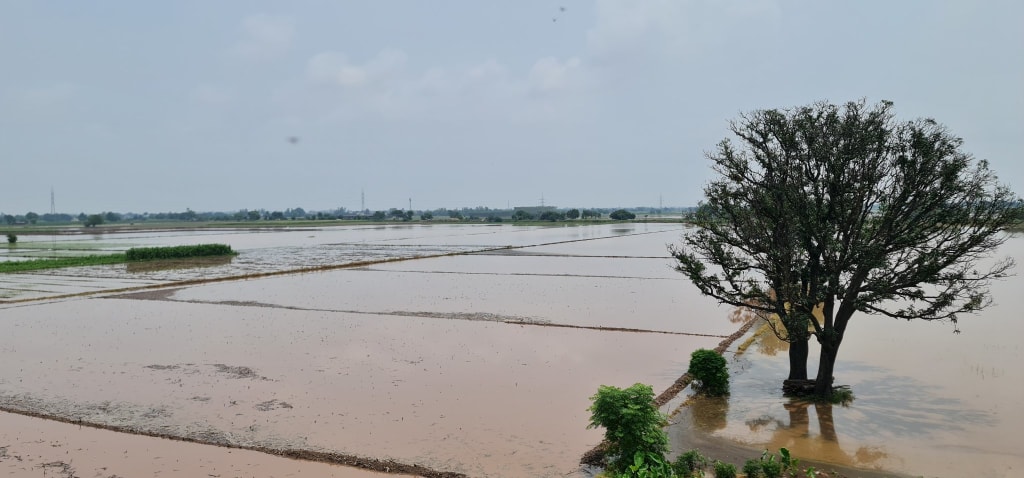
Amidst the picturesque landscapes of Adamawa State, a cloud of fear loomed over the hearts of its residents. Year after year, the rainy season arrived, bringing with it torrents of water that cascaded down from the heavens, flooding the land. These recurring floods had become a dreadful presence, a relentless force that instilled fear and anxiety in the souls of the people.
In a small village nestled near the banks of a gentle river, lived a young woman named Amina. She had grown up witnessing the devastating power of the floods. The memories of swollen rivers bursting their banks, homes washed away, and lives forever altered were etched into her mind. The anticipation of the rainy season gripped her heart with an iron fist, and a sense of helplessness plagued her every thought.
As the clouds gathered above, dark and menacing, Amina would often find herself peering anxiously out of her window, watching the raindrops fall. Each drop felt like a ticking time bomb, carrying with it the potential to unleash chaos upon her beloved village. The sound of rain became a haunting melody, a constant reminder of the impending danger that awaited them.
Amina's family had already experienced the wrath of the floods. Their humble abode, which had stood for generations, had been reduced to rubble during a particularly fierce deluge. The memories of that tragic day haunted her dreams, causing her to wake up in a cold sweat, her heart pounding against her chest. The fear of losing her loved ones and their precious memories became a burden too heavy to bear.
One stormy evening, as the rain relentlessly battered the rooftops, Amina sought solace in her grandmother's arms. The old woman, wise and weathered, held her tightly, understanding the anguish that gripped her tender soul. With a voice filled with compassion, she began to tell a tale—a story that had been passed down through generations.
"Long ago," her grandmother began, "our ancestors faced the same trials and tribulations. The floods were a constant threat, a force that tested their resilience and determination. But they discovered that the true strength of our people lies not in fear, but in unity and hope."
She continued, weaving a tapestry of bravery and resilience, of communities coming together to overcome the greatest of challenges. The story breathed life into Amina's weary spirit, igniting a flicker of hope within her heart. She realized that fear, though paralyzing, could also be the catalyst for change.
With newfound courage, Amina rallied her neighbors and friends. Together, they formed a group determined to take proactive measures against the floods. They reached out to the local government, raised awareness about flood preparedness, and organized workshops on building sturdy homes resistant to the deluge.
As the years passed, the community's efforts bore fruit. The floods still came, for nature's fury cannot be tamed, but their impact grew less severe with each passing season. Amina's village became a symbol of resilience, a testament to the human spirit's ability to conquer fear and overcome adversity.
Now, when the rains descend upon Adamawa State, Amina stands tall, her heart no longer burdened by paralyzing fear. She knows that the floods may threaten, but they will never extinguish the flame of hope that burns within her. The anticipation of loss and damage still lingers, but it no longer defines her existence.
In the face of nature's ferocity, the people of Adamawa State have learned a powerful lesson—to embrace their fears and transform them into catalysts for change. And though the rainy season may still bring trepidation, it is met with a resilience that knows no bounds—a resilience that reminds them that, together, they can weather any storm. Title: Addressing Floods in Adamawa State: Mitigation Strategies for Community Resilience
State has been plagued by recurring floods, causing significant distress and fear among its residents. The threat of potential loss of lives and during the rainy season can be emotionally taxing for individuals and communities. This article aims to explore effective solutions to mitigate floods, enhance community e, and Warning Systems:
Implementing reliable early warning systems is crucial to minimize the impact of floods and provide timely information to residents. This can be achieved through the installation of flood monitoring sensors, weather forecasting technology, and community-based alert systems. By receiving early warnings, residents can take appropriate actions, such as evacuating to safer locations, securing their properties, and safeguarding their belongings.
2. Infrastructure Development:
Investing in infrastructure development is essential to mitigate the risk of floods. This includes constructing proper drainage systems, embankments, and flood barriers. Dredging and widening rivers can improve their capacity to handle increased water flow. Building elevated roads and bridges can provide safe passage during flood events. Additionally, constructing housing and buildings on higher ground or implementing flood-resistant designs can minimize damage to properties.
3. Land Use Planning:
Implementing effective land use planning strategies can significantly reduce the impact of floods. This involves zoning areas prone to flooding for non-residential purposes or designing them in a way that minimizes risks. Preserving wetlands, forests, and other natural features that act as buffers against floods can also be prioritized. Strict enforcement of building codes and regulations can ensure that new constructions are resilient to floo and minimize vulnerabilommunity Awareness and Education:
Enhancing community awareness and education about flood risks and preparedness is crucial in reducing fear and distress. Conducting workshops, seminars, and public campaigns can educate residents about the causes and consequences of floods, as well as the necessary steps to take before, during, and after a flood event. This includes educating individuals on evacuation routes, emergency contact information, and basic survival skills. Community engagement can also foster a sense of responsibility and cooperation among residents to collectively address flood-related challenges.
5. Strengthening Emergency Response and Relief Efforts:
Developing robust emergency response and relief mechanisms is essential to mitigate the fear associated with floods. This involves training and equipping local emergency response teams, establishing emergency shelters, and stockpiling necessary supplies such as food, water, medical aid, and essential equipment. Coordinating with regional and national disaster management agencies can enhance the efficiency and effectiveness of response efforts.
6. Climate Change Adaptation:
Recognizing the influence of climate change on extreme weather events, including floods, is crucial. Integrating climate change adaptation strategies into development plans can enhance the resilience of communities in Adamawa State. This can involve promoting sustainable agriculture practices, encouraging afforestation and reforestation, and implementing water conservation measures. Investing in renewable energy sources can also contribute to reducing greenhouse gas emissions and mitigating the long-term impacts of climate change.
Conclusion:
Addressing the recurring floods in Adamawa State requires a comprehensive approach that encompasses early warning systems, infrastructure development, land use planning, community awareness, emergency response, and climate change adaptation. By implementing these solutions, residents can be better prepared, fear can be alleviated, and the overall resilience of the community can be enhanced. Collaboration between government authorities, local communities, and relevant stakeholders is paramount in effectively implementing these strategies and safeguarding the lives and properties of Adamawa State residents duringtherainy
About the Creator
Keep reading
More stories from ThankGod Julius and writers in Earth and other communities.
Loss and Grief
Emo Topics for Climate User Emotional topics for a story for climate and environment Loss and Grief: Explore the emotional journey of a character who has experienced the loss of a beloved natural environment or ecosystem due to climate change. Dive into their emotions of grief, sadness, and longing for what once was.
By ThankGod Julius 3 years ago in Earth
Olandria Carthen Shines as a Walking Work of Art at Paris Fashion Week
A Star Emerges in the Fashion Capital Olandria Carthen has made a striking impression at Paris Fashion Week, turning heads with every step on the runway. Known for her bold, artistic aesthetic, Carthen is being celebrated as a modern muse, seamlessly merging fashion with performance art.
By Aarif Lashari7 days ago in Earth


Comments
There are no comments for this story
Be the first to respond and start the conversation.