
Final Investment Decision Taken for Romania’s Landmark SMR Project
A Major Step Toward Clean Energy Security and Europe’s First Small Modular Reactor Deployment
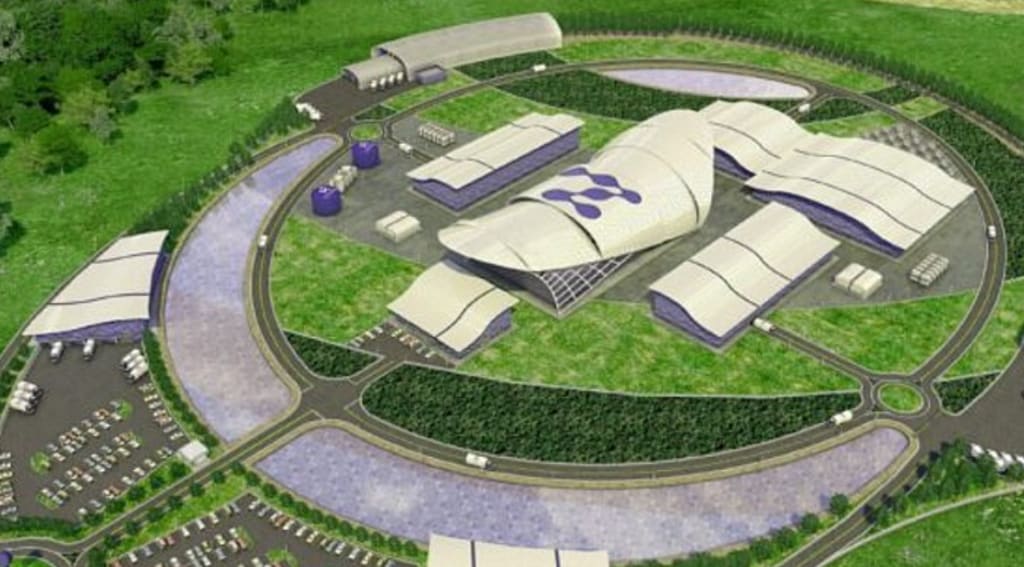
Romania has officially taken a historic step in its clean energy transition by approving the Final Investment Decision (FID) for its Small Modular Reactor (SMR) project. The move signals not only a major commitment to nuclear innovation but also positions Romania as a potential European leader in next-generation nuclear technology.
The project, developed in partnership with NuScale Power and supported by the Romanian state-owned energy company Nuclearelectrica, is expected to become one of the first operational SMR facilities in Europe. The plant will be located in Doicești, transforming a former coal power site into a clean energy hub.
What Is a Small Modular Reactor?
Small Modular Reactors are advanced nuclear reactors designed to be:
Smaller in size than traditional nuclear plants
Built using modular construction techniques
Safer through passive safety systems
More flexible for grid integration
Unlike large-scale nuclear reactors, SMRs can be manufactured in factories and assembled on-site. This reduces construction timelines and potentially lowers costs. Their modular design also allows energy providers to scale capacity based on demand.
Romania’s project will deploy NuScale’s VOYGR SMR technology, which uses pressurized water reactor design with enhanced safety systems. The technology is designed to automatically shut down safely without external power or human intervention during emergencies.
Why Romania Is Moving Forward
Romania has long relied on nuclear energy as part of its electricity mix. Its existing reactors at Cernavodă already contribute significantly to national power generation. However, as coal plants phase out under European climate goals, Romania faces the challenge of replacing fossil fuel capacity with reliable, low-carbon alternatives.
The Final Investment Decision marks confidence in SMR technology as a viable solution. Several factors influenced this decision:
Energy security concerns across Europe
The need to reduce carbon emissions
The modernization of aging energy infrastructure
Growing electricity demand
In the wake of regional energy instability, diversifying energy sources has become a strategic priority. SMRs offer a consistent power supply without the intermittency issues associated with wind or solar energy.
Strategic and Geopolitical Significance
Romania’s SMR project carries geopolitical implications beyond its borders. The country is positioning itself as a regional hub for advanced nuclear technology within the European Union.
Energy independence has become a central policy objective for many European nations. The shift away from Russian gas supplies accelerated investment in domestic and diversified energy production. Nuclear power, once politically controversial, is regaining traction as a stable and low-carbon option.
The Romanian government has emphasized that the SMR project aligns with European Union decarbonization targets and long-term climate commitments.
Economic Impact and Job Creation
Beyond energy production, the SMR project is expected to stimulate economic growth. Construction, engineering, and operational phases will create thousands of jobs, both directly and indirectly.
Local infrastructure upgrades are anticipated, including grid modernization and transportation improvements around the Doicești site. Additionally, the project could attract foreign investment and position Romania as a training and manufacturing center for future SMR deployments across Europe.
Supporters argue that early adoption provides Romania with a competitive advantage in exporting expertise and technology partnerships.
Safety and Regulatory Oversight
Safety remains a primary concern in nuclear development. Romanian authorities will work closely with international nuclear regulators and safety bodies to ensure compliance with global standards.
SMRs are designed with passive safety features, meaning they rely on natural physical processes — such as gravity and convection — rather than active mechanical systems to maintain cooling during emergencies. This design aims to reduce the likelihood of catastrophic failure.
Regulatory review processes will continue throughout construction and commissioning phases to maintain strict oversight.
Environmental Considerations
Nuclear energy generates electricity without direct carbon emissions during operation. For Romania, integrating SMRs supports its commitment to climate neutrality while maintaining reliable baseload power.
However, nuclear energy also raises environmental questions, including waste management and long-term storage. Romanian authorities have indicated plans to follow established European protocols for spent fuel handling and disposal.
Proponents argue that compared to fossil fuels, nuclear power provides substantial emissions reductions and contributes to cleaner air quality.
Financial Commitment and Investment Structure
The Final Investment Decision confirms that funding structures, cost projections, and contractual agreements are sufficiently secured to proceed. The project involves collaboration between Romanian state entities, U.S. technology partners, and international financial institutions.
SMRs are often promoted as more cost-effective than traditional nuclear plants, but initial deployment still requires significant capital investment. Long-term profitability will depend on electricity pricing, operating efficiency, and regional energy demand.
Financial analysts will closely monitor cost management during construction, as nuclear projects historically face budget overruns. Successful execution in Romania could influence investor confidence in future SMR ventures worldwide.
Challenges Ahead
While optimism surrounds the project, challenges remain:
Construction timeline management
Public perception of nuclear safety
Regulatory approvals and inspections
Integration into the national power grid
Community engagement will play an important role in maintaining public trust. Transparent communication about safety measures and environmental protections will be essential.
A Turning Point for Europe’s Energy Transition
Romania’s decision represents more than a domestic infrastructure project. It signals a broader shift in Europe’s approach to nuclear energy as part of climate and energy security strategies.
If completed successfully, the Doicești SMR plant could become a model for other European nations exploring similar technologies. Countries seeking stable, low-carbon electricity may look to Romania’s experience as a blueprint.
Conclusion: A Bold Step Into the Future
The Final Investment Decision for Romania’s SMR project marks a defining moment in the country’s energy evolution. By embracing advanced nuclear technology, Romania is betting on innovation, energy security, and environmental responsibility.
The coming years will test whether SMRs can deliver on promises of safety, efficiency, and economic viability. But for now, Romania stands at the forefront of a new chapter in European clean energy development.
As global demand for reliable, low-carbon electricity grows, Romania’s pioneering move may well shape the future of nuclear energy across the continent.
About the Creator
Police Identify 18-Year-Old as Suspect in Tumbler Ridge Shooting
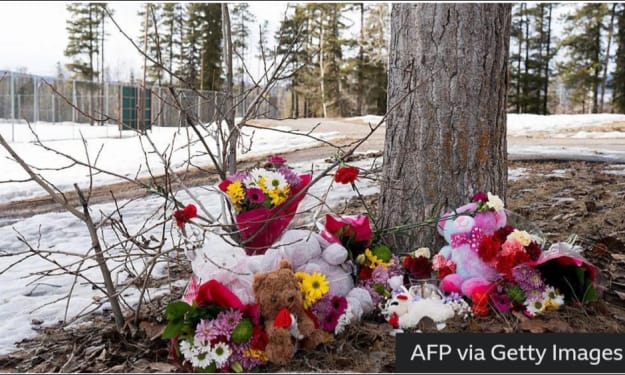
On February 10, 2026, one of the deadliest mass shootings in recent Canadian history unfolded in the remote community of Tumbler Ridge, British Columbia, leaving the nation reeling. Police have officially identified the suspect as an 18-year-old local resident, Jesse Van Rootselaar, following a violent rampage that resulted in multiple deaths and scores of injuries.
By Sadaqat Ali2 days ago in Earth
Analyse this!
Wanna know how to improve your writing? There is a simple, quick, tried and tested method. Tried and tested by who? By me, as it happens, and I can guarantee that it will work for you. I know what I am talking about. Not always, of course, but certainly in this case.
By Raymond G. Taylor6 days ago in Writers

Comments
There are no comments for this story
Be the first to respond and start the conversation.