
Electrifying the Roads: The Revolution of Electric Vehicles in the Automotive Industry
Accelerating Towards a Greener Future on Wheels
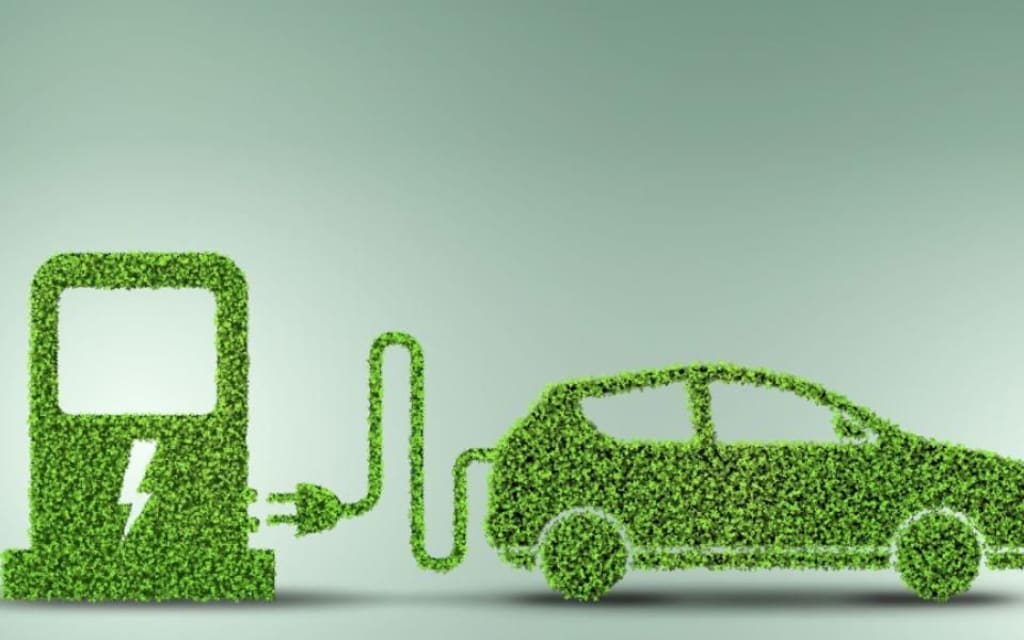
The automotive landscape is undergoing a profound transformation as electric vehicles (EVs) revolutionize the way we drive and think about transportation. Beyond the roar of engines and the scent of gasoline lies a new era propelled by clean energy. In this article, we delve into the electrifying journey of electric vehicles and their impact on the automotive industry. From technological advancements to environmental benefits, let's explore how EVs are reshaping the roads we travel.
The Technological Leap:
The surge of electric vehicles represents a technological leap that has redefined automotive engineering. Battery technology has evolved rapidly, with lithium-ion batteries becoming smaller, lighter, and more efficient. The integration of regenerative braking systems, which convert kinetic energy into stored electricity, has extended the driving range of EVs while enhancing energy efficiency.
The emergence of solid-state batteries, promising higher energy density and faster charging times, is on the horizon, signaling the potential for even more substantial advancements. These technological strides not only enhance EV performance but also transform the driving experience itself.
The Charging Revolution:
Charging infrastructure has emerged as a crucial facet of the EV revolution. As governments and companies invest in expanding charging networks, range anxiety — the fear of running out of battery power — is gradually becoming a thing of the past. From home charging stations to fast-charging stations along highways, EV owners now have convenient options that align with their lifestyles.
One noteworthy example is Tesla's Supercharger network, offering high-speed charging stations across the globe. These stations can replenish a significant portion of a car's battery capacity in just a matter of minutes, making long-distance travel in an EV more feasible than ever before.
Environmental Advantages:
The environmental benefits of electric vehicles are undeniable. With zero tailpipe emissions, EVs contribute significantly to reducing air pollution and greenhouse gas emissions. As the world grapples with climate change, the transition to electric vehicles is a pivotal step toward a more sustainable future.
Beyond reducing carbon footprints, EVs also contribute to improved air quality in urban areas. Noise pollution is another concern that EVs address, as their quiet operation creates a less disruptive urban environment.
Consumer Shift:
The consumer shift toward electric vehicles is a testament to changing preferences and awareness. As more consumers become environmentally conscious and seek to lower their ecological impact, the demand for EVs continues to rise. Automakers are responding by introducing an array of electric models to cater to diverse preferences and budgets.
Luxury brands like Audi, BMW, and Mercedes-Benz are entering the electric market with high-performance electric offerings, showcasing that electric vehicles can deliver both sustainability and driving pleasure. Additionally, affordable options like the Nissan Leaf and the Chevrolet Bolt are making electric mobility accessible to a broader range of consumers.
Government Incentives and Regulations:
Government policies and incentives play a pivotal role in accelerating the adoption of electric vehicles. Many countries offer tax credits, rebates, and subsidies to encourage consumers to make the switch to electric. These measures not only make EVs more financially attractive but also contribute to the expansion of charging infrastructure.
In some regions, stringent emissions regulations are driving automakers to prioritize electric vehicle development. For instance, countries like Norway and the Netherlands have set ambitious targets to phase out internal combustion engine vehicles entirely within a specific time frame.
Challenges and Opportunities:
While the EV revolution holds immense promise, it's not without challenges. Charging infrastructure needs to keep pace with the growing number of electric vehicles on the road. Battery production and recycling also pose environmental concerns that need to be addressed.
Yet, these challenges also open the door to innovation. Advancements in energy storage, charging technology, and sustainable materials are avenues that automakers and researchers are exploring to ensure the long-term viability of electric vehicles.
The emergence of electric vehicles is transforming the automotive industry from the inside out. Technological advancements, charging infrastructure developments, and the shift in consumer preferences are collectively driving the EV revolution. As the world embraces cleaner and more sustainable transportation options, electric vehicles are paving the way for a greener, quieter, and more efficient future on the roads. The journey is electrifying, and the destination holds the promise of a cleaner and brighter tomorrow.
About the Creator
Keep reading
More stories from Faisal Issah and writers in Earth and other communities.
Unveiling the Tactical Evolution: A Journey through Modern Football's Defensive Strategies
The development of defensive methods has subtly impacted the landscape of modern football in the dynamic world where offensive skill frequently steals the show. Beyond the jubilation of goals and flashy dribbles, there is a fascinating world of tactical nuance that has changed how clubs approach defending. This article explores the fascinating development of defensive methods in modern football, demonstrating the incredible flexibility of teams to ever-evolving offensive difficulties.
By Faisal Issah2 years ago in History
Malted Wheat Flour Market Size and Forecast 2025
Malted Wheat Flour Market Overview Malted wheat flour is produced by germinating wheat grains, drying them, and grinding them into flour. This natural malting process activates enzymes—particularly amylase—that convert starch into fermentable sugars during baking. The result is improved dough fermentation, enhanced texture, increased loaf volume, and a richer, more consistent flavor profile in baked goods.
By Aaina Oberoi3 days ago in Earth
Neutraceutical Packaging Market Size and Forecast 2025–2033
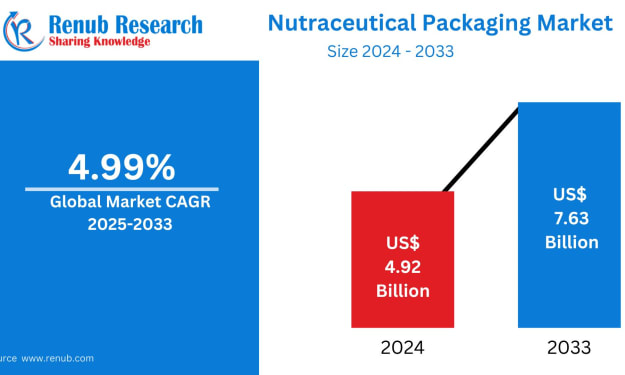
Neutraceutical Packaging Market at a Glance The Neutraceutical Packaging Market is projected to expand from US$ 4.92 billion in 2024 to US$ 7.63 billion by 2033, growing at a CAGR of 4.99% from 2025 to 2033. This steady growth reflects the accelerating global demand for dietary supplements, functional foods, herbal products, and wellness beverages. Rising health awareness, aging populations, sustainability expectations, the rapid growth of e-commerce, and evolving regulatory frameworks are reshaping how nutraceutical products are packaged, protected, and presented.
By jaiklin Fanandish4 days ago in Earth



Comments
There are no comments for this story
Be the first to respond and start the conversation.