
CLIMATE CHANGE.
Exploring the Causes and the Effects of Climate Change.


Climate change refers to the long-term alteration of global weather patterns and temperatures, caused by an increase in greenhouse gas concentrations in the atmosphere. These gases, including carbon dioxide, methane, and others, trap heat from the sun and cause a warming effect on the planet. As the climate warms, it can cause a range of impacts, such as melting ice caps, rising sea levels, more frequent and severe weather events, and changes in the distribution of plant and animal species. Climate change is primarily caused by human activities, including burning fossil fuels for energy, deforestation, and agricultural practices.
Climate change is a complex and multifaceted issue that has significant implications for human societies, as well as for the natural world. It poses a number of challenges, including the need to reduce greenhouse gas emissions, adapt to changes in the climate that are already underway, and develop sustainable solutions to ensure a livable planet for future generations.
One of the most significant impacts of climate change is the increase in global temperatures. Over the last century, the Earth's temperature has risen by about 1°C, and it is projected to continue rising in the coming decades. This warming trend is causing a range of effects, including more frequent and severe heatwaves, droughts, and wildfires, as well as changes in precipitation patterns and the availability of water resources.
Another major impact of climate change is the melting of glaciers and ice caps, which is contributing to rising sea levels. Sea levels have already risen by around 20 centimeters (8 inches) since the late 19th century, and they are expected to continue rising by as much as several meters over the next century. This is putting coastal communities at risk of flooding, and threatening important ecosystems such as coral reefs.
Climate change is also causing shifts in the distribution of plant and animal species, as well as changes in the timing of seasonal events such as flowering and migration. This can have significant implications for ecosystems, as species may not be able to adapt to these changes quickly enough, and may struggle to survive in their changing environments.
Addressing climate change is a critical challenge facing humanity in the 21st century. It requires collective action at the global, national, and local levels, as well as individual efforts to reduce our carbon footprint and live sustainably.
Climate change is one of the most pressing global issues of our time. It is a complex and multifaceted problem that is caused primarily by human activities, and it has significant implications for the environment, human societies, wildlife, and the survival of life on Earth.
Causes of Climate Change
The primary cause of climate change is the increase in greenhouse gas concentrations in the atmosphere. Greenhouse gases, such as carbon dioxide, methane, and nitrous oxide, trap heat from the sun and cause a warming effect on the planet. The main human activities that contribute to greenhouse gas emissions include burning fossil fuels for energy, deforestation, and agricultural practices. As these activities continue, they increase the concentration of greenhouse gases in the atmosphere, leading to a warming of the planet and changes in global weather patterns.
Effects of Climate Change on the Environment
The effects of climate change on the environment are wide-ranging and severe. One of the most significant impacts is the increase in global temperatures. This has led to melting glaciers and ice caps, causing sea levels to rise and resulting in flooding in coastal areas. The warming trend has also led to more frequent and severe heatwaves, droughts, and wildfires, as well as changes in precipitation patterns and the availability of water resources.
Climate change is also causing changes in the distribution of plant and animal species, as well as changes in the timing of seasonal events such as flowering and migration. This can have significant implications for ecosystems, as species may not be able to adapt to these changes quickly enough, and may struggle to survive in their changing environments.
Effects of Climate Change on Humanity
Climate change has significant implications for human societies, particularly in terms of food security, water availability, and public health. Rising temperatures and changes in precipitation patterns are causing disruptions in agricultural production, leading to food shortages and higher prices for food. Climate change is also affecting water resources, with some regions experiencing water scarcity and others experiencing flooding.
The effects of climate change on public health are also significant. Rising temperatures can lead to more frequent and severe heatwaves, which can cause heat stroke and other heat-related illnesses. Climate change can also lead to the spread of infectious diseases, as warming temperatures and changes in precipitation patterns create conditions that are favorable for the transmission of diseases such as malaria and dengue fever.
Effects of Climate Change on Wildlife
Wildlife is also affected by climate change, as changes in the environment and weather patterns affect the availability of food and habitats. Species may be forced to migrate to new areas, which can disrupt ecosystems and cause conflicts with human populations. In some cases, species may be unable to adapt to the changes brought about by climate change, leading to declines in population and even extinction.
Global Survival of Life in General
Climate change poses a significant threat to the global survival of life in general. Rising temperatures and changes in precipitation patterns are causing disruptions in agricultural production, leading to food shortages and higher prices for food. The melting of glaciers and ice caps is causing sea levels to rise, threatening coastal communities and ecosystems. The effects of climate change on wildlife are also significant, as species may be unable to adapt to the changing environment, leading to declines in population and even extinction.
Actions to Address Climate Change
Addressing climate change requires collective action at the global, national, and local levels. There are a number of actions that can be taken to address climate change, including:
1. Reducing greenhouse gas emissions: The most important action that can be taken to address climate change is to reduce greenhouse gas emissions. This can be done by transitioning to renewable energy sources such as solar and wind power, increasing energy efficiency, and reducing the use of fossil fuels.
2. Protecting forests and other ecosystems: Forests and other ecosystems play an important role in removing carbon dioxide from the atmosphere. Protecting these ecosystems
can help to reduce greenhouse gas emissions and mitigate the impacts of climate change. This can be done through programs such as REDD+ (Reducing Emissions from Deforestation and Forest Degradation) which provides financial incentives for countries to protect their forests.
3. Promoting sustainable agriculture: Sustainable agriculture practices, such as agroforestry, conservation agriculture, and organic farming can help to reduce greenhouse gas emissions, increase carbon sequestration in soils, and enhance food security. These practices can also help to build resilience to climate change impacts, such as droughts and floods.
4. Supporting adaptation measures: Climate change impacts are already being felt in many parts of the world, and adaptation measures are needed to help communities and ecosystems cope with these impacts. This can include measures such as building sea walls, improving water management, and developing early warning systems for extreme weather events.
5. Education and awareness raising: Education and awareness raising are important tools for addressing climate change. Raising awareness about the impacts of climate change and the actions that can be taken to mitigate and adapt to these impacts can help to build support for climate action.
6. Collaboration and cooperation: Addressing climate change requires collaboration and cooperation at all levels. This can include partnerships between governments, the private sector, civil society, and local communities to develop and implement effective climate action plans.
Conclusion
In conclusion, climate change is a significant global issue that has far-reaching impacts on the environment, human societies, wildlife, and the survival of life on Earth. The primary cause of climate change is the increase in greenhouse gas concentrations in the atmosphere, which is primarily caused by human activities such as burning fossil fuels for energy, deforestation, and agricultural practices. Addressing climate change requires collective action at the global, national, and local levels, and a range of actions can be taken to reduce greenhouse gas emissions, protect ecosystems, promote sustainable agriculture, support adaptation measures, raise awareness, and foster collaboration and cooperation. It is critical that we take action now to address climate change and ensure a livable planet for future generations.
Governments around the world are taking various steps to curb the menace of climate change. Some of these steps include:
1. Implementing carbon pricing mechanisms: Carbon pricing mechanisms, such as carbon taxes or emissions trading schemes, are designed to put a price on greenhouse gas emissions, incentivizing individuals and companies to reduce their emissions. Many countries, including China, the European Union, and Canada, have implemented some form of carbon pricing mechanism.
2. Investing in renewable energy: Governments are investing in renewable energy sources such as wind, solar, hydro, and geothermal to reduce reliance on fossil fuels and reduce greenhouse gas emissions. Many countries have set targets for increasing the use of renewable energy sources, and some have implemented policies to encourage their adoption.
3. Developing energy efficiency standards: Governments are setting energy efficiency standards for buildings, appliances, and vehicles, requiring them to meet specific energy efficiency targets. This helps to reduce energy consumption and greenhouse gas emissions.
4. Promoting sustainable transport: Governments are promoting sustainable transport options, such as public transport, cycling, and walking, to reduce reliance on fossil fuel-powered vehicles. Some governments are also investing in electric vehicle infrastructure and providing incentives for electric vehicle adoption.
5. Protecting forests and promoting afforestation: Governments are protecting forests and promoting afforestation to reduce deforestation and increase carbon sequestration. Many countries have implemented programs such as REDD+ to provide financial incentives for protecting forests.
6. Strengthening climate adaptation measures: Governments are implementing measures to help communities and ecosystems adapt to the impacts of climate change, such as building sea walls, improving water management, and developing early warning systems for extreme weather events.
7. Collaborating internationally: Governments are collaborating internationally to address climate change, such as through the United Nations Framework Convention on Climate Change (UNFCCC) and the Paris Agreement. These agreements provide a framework for countries to work together to reduce greenhouse gas emissions and address the impacts of climate change.
It is important to note that the effectiveness of these measures depends on their implementation and enforcement. Governments must take ambitious and concrete action to address climate change to ensure a sustainable future for all.
Here are some quotes from authorities on climate change:
1. "Climate change is the greatest threat to our planet." - Sir David Attenborough, naturalist and broadcaster.
2. "The scientific evidence is clear: global climate change caused by human activities is occurring now, and it is a growing threat to society." - American Association for the Advancement of Science.
3. "Climate change is no longer some far-off problem; it is happening here, it is happening now." - Barack Obama, former US President.
4. "Climate change is a global problem with grave implications: environmental, social, economic, political and for the distribution of goods. It represents one of the principal challenges facing humanity in our day." - Pope Francis.
5. "The time for debate has ended. We need action on climate change now, before it's too late." - António Guterres, United Nations Secretary-General.
6. "Climate change is not a distant threat, but a clear and present danger." - Christiana Figueres, former Executive Secretary of the United Nations Framework Convention on Climate Change.
7. "Climate change is not just an environmental issue, but a human rights issue that affects every aspect of our lives." - Mary Robinson, former President of Ireland and UN High Commissioner for Human Rights.
These quotes highlight the urgency and seriousness of the issue of climate change, and the need for immediate action to address it.
Explore the available literature in respect of this subject by clicking here.
About the Creator
Wilfred Kiarie
Former Health and Fitness Influencer/ Author/ Article writer.
Keep reading
More stories from Wilfred Kiarie and writers in Earth and other communities.
Review of the “The Martian Chronicles” by Ray Bradbury.
"The Martian Chronicles" is a classic science fiction novel written by Ray Bradbury, and first published in 1950. The book tells the story of humans attempting to colonize Mars in the early 21st century and the conflicts that arise between the Martian natives and the Earthlings.
By Wilfred Kiarie3 years ago in Education
Old Red Cedar
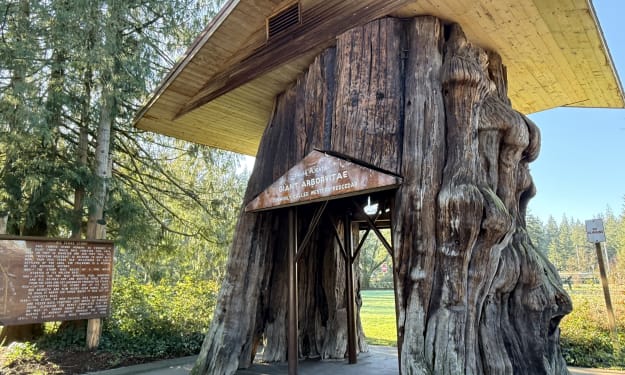
Western red cedar, over 1000 years old, you grew for 200 years and towered over others, silently observing sights in the forest that are no more, your secrets buried within your spirit. The bark covering your tree trunk, said to be about 23 feet around, was hollow when men discovered you. Inside the hollow trunk, a fire somehow began; you cannot tell us when, how, or why, and there is no record of it. The fire caused your death. Slowly, you died, from the inside out. Such a sad loss for an old soul of the forest, with centuries of knowledge in its cells. Houses, watercraft, shingles, bowls, bows and arrows, and paper that men used to write what they knew of your history could have been made from your body, branches, and bark. Truly, fire was a better death for you than a logger’s saw.
By Andrea Corwin 5 days ago in Earth


Comments
There are no comments for this story
Be the first to respond and start the conversation.