
Climate Change and Environmental Conservation
Preserving Our Planet: The Battle Against Climate Change and Environmental Conservation
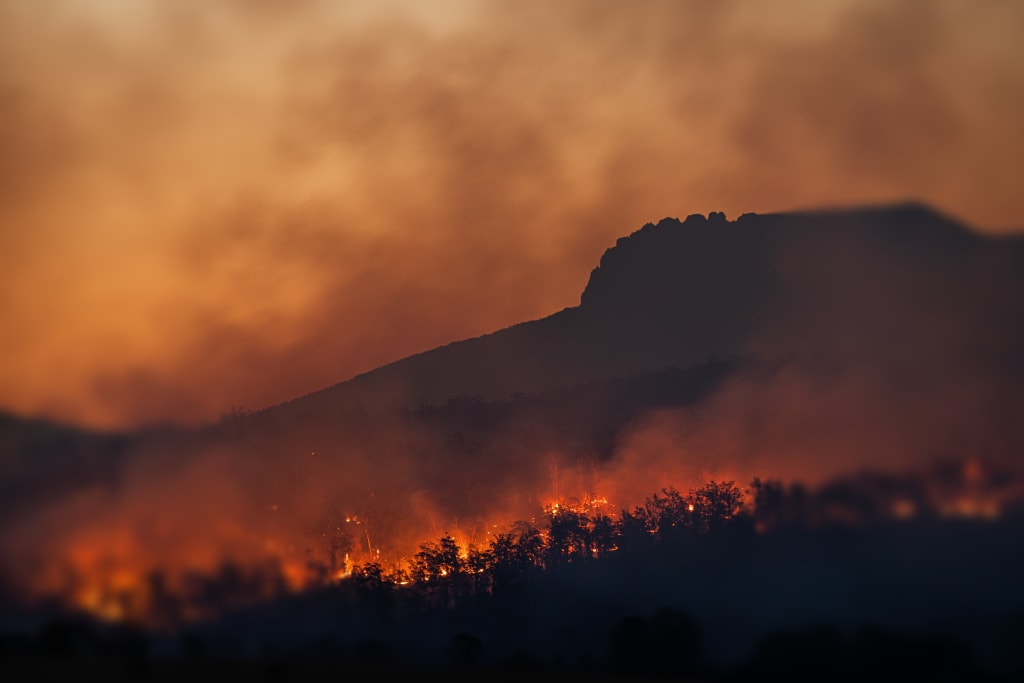
hange refers to long-term shifts in temperature patterns and weather conditions on a global scale, primarily caused by human activities. The burning of fossil fuels such as coal, oil, and natural gas releases greenhouse gases (GHGs) into the atmosphere, trapping heat and leading to a rise in global temperatures. This phenomenon, known as global warming, is a key aspect of climate change. The consequences of climate change are far-reaching and pose significant challenges to our environment, ecosystems, and human societies.
One of the most evident impacts of climate change is the increase in extreme weather events. Heatwaves, droughts, hurricanes, and heavy rainfall are becoming more frequent and intense, leading to loss of life, property damage, and displacement of communities. Rising sea levels, a result of melting glaciers and thermal expansion of ocean water, endanger coastal regions, causing erosion and flooding. This threatens coastal communities, biodiversity-rich ecosystems, and infrastructure, exacerbating the vulnerability of low-lying countries and small island nations.
The effects of climate change are not limited to weather patterns. Shifts in climate disrupt ecosystems, affecting plant and animal species, migration patterns, and food webs. Rising temperatures and altered precipitation patterns can lead to habitat loss, reduced biodiversity, and increased risk of species extinction. Coral reefs, for example, are highly sensitive to temperature changes and are experiencing widespread bleaching events, posing a severe threat to marine biodiversity.
Environmental conservation plays a vital role in mitigating and adapting to climate change. Conservation efforts focus on preserving natural resources, protecting ecosystems, and promoting sustainable practices. Forests, for instance, act as carbon sinks, absorbing CO2 from the atmosphere. Deforestation, primarily driven by agricultural expansion and timber extraction, contributes significantly to greenhouse gas emissions. Protecting and restoring forests through initiatives like afforestation and reforestation are crucial steps in mitigating climate change.
Furthermore, transitioning to renewable energy sources is key to reducing GHG emissions. Renewable energy, such as solar, wind, hydro, and geothermal power, offers cleaner alternatives to fossil fuels. Increased investment in renewable energy infrastructure, along with policy incentives and public awareness, can accelerate the shift towards a low-carbon economy. The development of energy-efficient technologies and practices also plays a vital role in reducing emissions and conserving resources.
Mitigation efforts alone, however, may not be sufficient to address the challenges of climate change. Adaptation strategies are essential for managing the impacts already underway and those that cannot be avoided. This includes building resilient infrastructure, implementing early warning systems, and developing sustainable agriculture practices. Additionally, fostering international cooperation and collaboration is crucial for tackling climate change effectively. The Paris Agreement, an international climate accord signed in 2015, aims to limit global warming to well below 2 degrees Celsius above pre-industrial levels and to pursue efforts to limit the temperature increase to 1.5 degrees Celsius.
Individual actions are also significant in combatting climate change. Simple lifestyle changes such as reducing energy consumption, using public transportation, adopting sustainable diets, and minimizing waste can collectively make a substantial impact. Education and awareness programs are essential in promoting environmentally conscious behaviors and empowering individuals to take action.
In conclusion, climate change poses a profound threat to our planet and requires urgent action. By understanding the causes and consequences of climate change and embracing environmental conservation practices, we can mitigate its impacts, protect ecosystems, and build a sustainable future. Through international cooperation, policy reforms, technological advancements, and individual efforts, we can strive towards a greener and more resilient planet, ensuring a healthier and more prosperous future for generations to come. It can also be addressed by acknowledging its reality, embracing sustainable practices, and implementing effective mitigation and adaptation strategies, we can protect our planet and secure a better future for generations to come.
About the Creator
Keep reading
More stories from Rony Mahinay and writers in Earth and other communities.
The Evolution of Marriage: Embracing Change and Redefining Love
Marriage, an age-old institution, has continuously transformed throughout history. As society progresses, our perspectives on love, relationships, and gender roles are evolving. Today, we stand at a pivotal moment where the traditional notions of marriage are being challenged, leading to a broader and more inclusive understanding of what it means to commit to another person. In this viral article, we will explore the fascinating journey of marriage, highlighting its changing dynamics and celebrating the power of love in reshaping the institution.
By Rony Mahinay3 years ago in Marriage
Pictured: British Mother Stabbed to Death in Spain
The tragic death of a British mother who was stabbed to death in Spain has sent shockwaves through both the local community where the incident occurred and her hometown in the United Kingdom. Spanish authorities have confirmed that the woman died after sustaining fatal stab wounds, and an active investigation is underway to determine the circumstances surrounding her death.
By Aarif Lashari7 days ago in Earth




Comments
There are no comments for this story
Be the first to respond and start the conversation.