

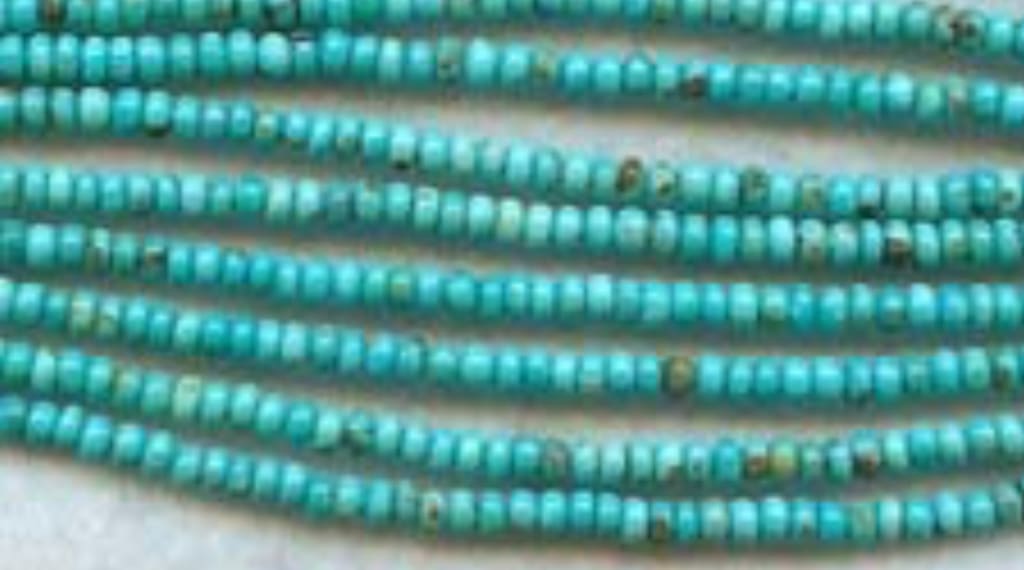
Chinese Turquoise has become the most widely used Turquoise in the world. There is evidence of turquoise use in China dating at least as far back as 1700BC. Although some Turquoise was mined in China in ancient times, more commonly it was acquired in trade with Mongols, Persians, and Turks.
Today China has mines that produce a great deal of turquoise. Northwest of Shanghai is the Ma'ashan turquoise mine, and the Hubei Province produces turquoise in colors reminiscent of the now closed mines in Nevada.
Turquoise from mines in China accounts for about 80% of the stone on the U.S. market today, due to the scarcity of American turquoise. This percentage is an arbitrary number that cannot be confirmed, and appears to just be quoted and requoted in different articles.
Chinese Turquoise is simular to American Turquoise in that the mines produce Turquoise in almost every color and matrix variation.
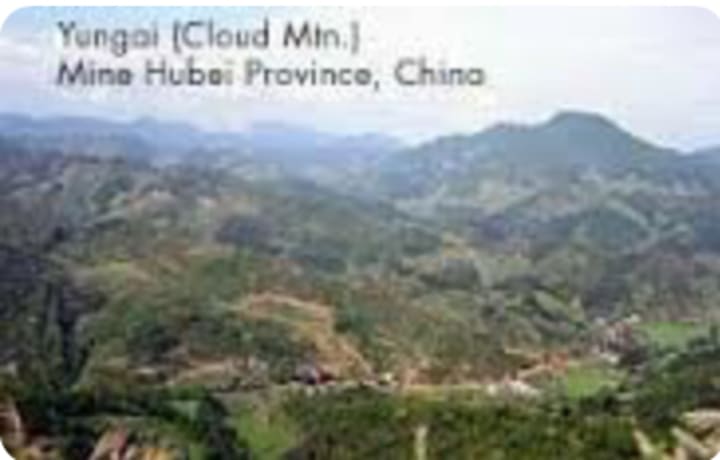
Turquoise was never as popular in China as Jade until recently. But here in the United States some of the finest Turquoise ever sold has come from China. Chinese Turquoise ranges in color from all shades of green, to light blue, to a beautiful dark blue. Much of the material has a dark brown or black matrix and may also have a beautiful spider webbing. Infact, China seemed to produce the highest amount of spiderweb turquoise thus far. Some of the high-grade Chinese turquoise resembles and is thought to be equal to many of the better known or classic American Southwestern mines. Recently Turquoise in China has been produced at the Maanshan mine northwest of Shanghai and mines in the Hubei province. Two of the finest mines in the Hubei province are the Yungai, which means, "a mountain covered with cloud" and the Zhuxi "a mountain where growing plenty of bamboo". The Yungai, or Cloud Mountain has produced natural Turquoise that is equal to a number of the finer Nevada mines that are now closed.
Yungai or Cloud Mountain is now closed.
There is an irony to the abundance of Chinese Turquoise in America as most all of the China Turquoise sold is stabilized with plastic or treated in some way thus making the availability of natural Chinese Turquoise rare in today's market.
Soon, even stabilized Chinese Turquoise will become scarce in America. This is for a few reasons, China has closed off most of it's mines to the miners and owners of the rights to the turquoise. The second reason that it will become hard to get Chinese Turquoise is the fact that the Chinese themselves have taken a major liking to Turquoise in the last few years. The Chinese market is buying up all the Turquoise it can get its hands on. In 2013 and 2014 the Chinese have begun to experience a major Turquoise Jewelry fashion trend, much like the trend of the 1960's and 70's in the USA, only there is a much larger population in China. In two years, the Chinese have depleted almost all the Sleeping Beauty Turquoise that was left once the mine closed in 2012. It hard to say what is happening in China with the Chinese Turquoise, but you can probably guess it is the same scenario. Chinese Turquoise will become 10-20 times more valuable, and has already started to bring 5 times what it was bringing in the US in 2012 in 2014 in China. (courtesy of Durango silver)
According to Jake Woolley,(Fire Mountain Gems), the Chinese government has closed quite a few major mines and will be strictly supervising the production of several others. This mining moratorium has placed a halt on production in the Chinese provinces for a minimum of 3 years and quite possibly longer.
There are several reasons why:
Environmental Impact
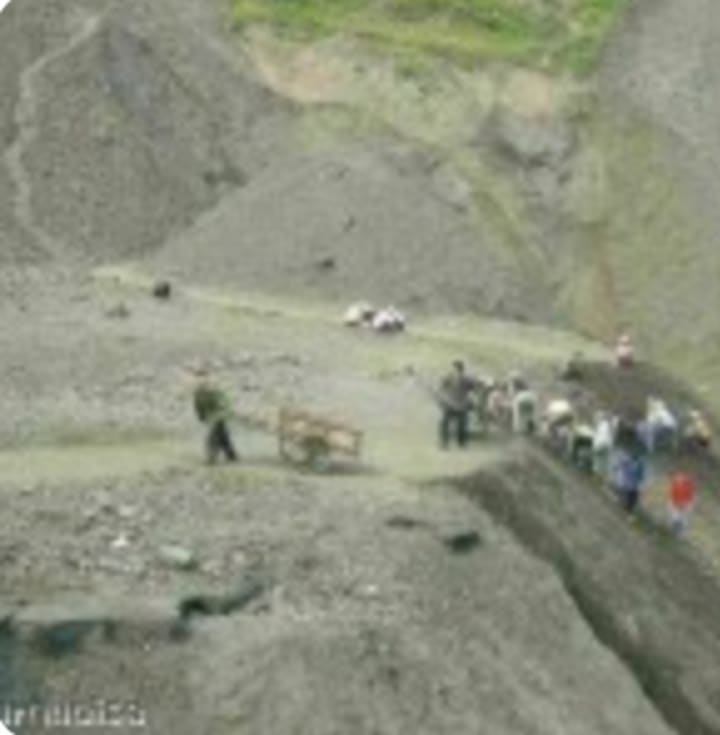
Improper mining methods have caused major destruction to the nearby natural resources of the Chinese mines. Over the past several years, strip-mining has resulted in vegetation deterioration, ecological contamination, soil erosion and ultimately turning many hillsides into wastelands. The Chinese government is very displeased with the low benefit-cost ratio of their turquoise output, especially when it has had such a dominant impact on the environment. Without the proper equipment, techniques and management of the mines, the overall mining operations could only result in further damage of the surrounding ecosystem.
Taxes and Permits
Many of the Chinese turquoise deposits are on public land. Unfortunately, local developers have been mining the gemstone without permission as well as not paying taxes on their excavations. Provincial and government officials stepped in to stop the free-for-all mining on public land.
Risk Factor
Similar to the environmental issues, when mining methods are not properly organized or managed, accidental injury or death is bound to happen. The Chinese government needed to ensure that mining operations were safer, in an effort to avoid any major worker catastrophes. Government officials are taking control to resolve any new situations that involve serious mining accidents which reflects very poorly on the country and geological operations.
Now is the time to buy.
When the mining of precious gemstones is discontinued and quantities become limited, it's always likely that prices will go up. This concept isn't new; prices of turquoise have fluctuated before. Let's take a step back a few decades to when turquoise reached very high prices in the 1960s and 1970s. The higher prices caused many mines to open giving way to large amounts of turquoise pouring throughout the market. The mining industry was doing well, but as the demand for turquoise began to fall, large surpluses of rough turquoise remained unsold and stockpiled. Many of the miners preferred to hold onto their collections of turquoise rather than selling it in an undervalued market.
As time passed, the inheritors of these stockpiles began selling again once interest and suitable value returned to the market. Today, most of these former successful mines are no longer producing abundant quantities of high-quality turquoise and the hoards of turquoise have since been sold and depleted. With the dwindling of previously accumulated turquoise and the closing of current mines, turquoise pricing will most likely go up.
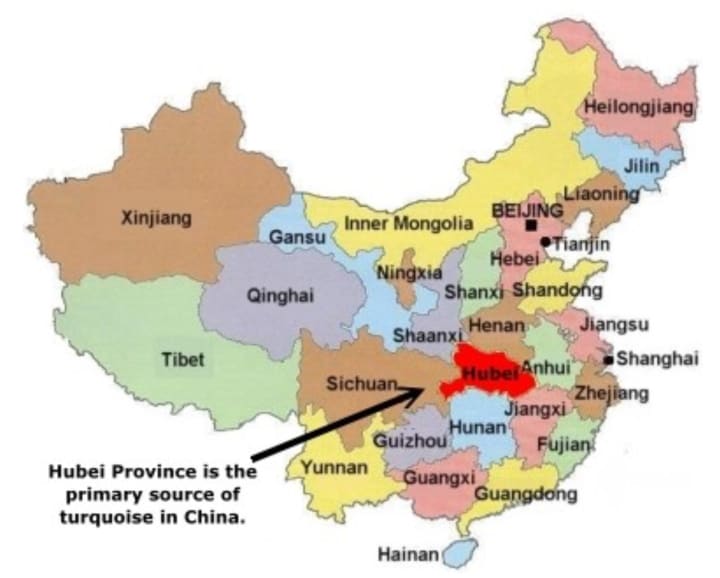
Some turquoise comes from the Shanghai region, where the Ma'ashan turquoise mine is located, but most is produced in the Hubei Province, shown in the map above. Turquoise from the Hubei region sometimes obtains the brilliant blues long favored by turquoise enthusiasts. Some of the mines in this area include the Huangcheng Mine, the Jinliantong Mine, and the Labashan Mine, all in Zhushan of the Shiyan Prefecture.
Turquoise is found in or near copper deposits as it depends on the presence of copper ions for its formation. Turquoise is a hydrous hydrate of copper, aluminum, and phosphorus. The latter element is combined with oxygen and called the phosphate radical. Radicals act as single chemical units, though they may be made up of two or more elements.
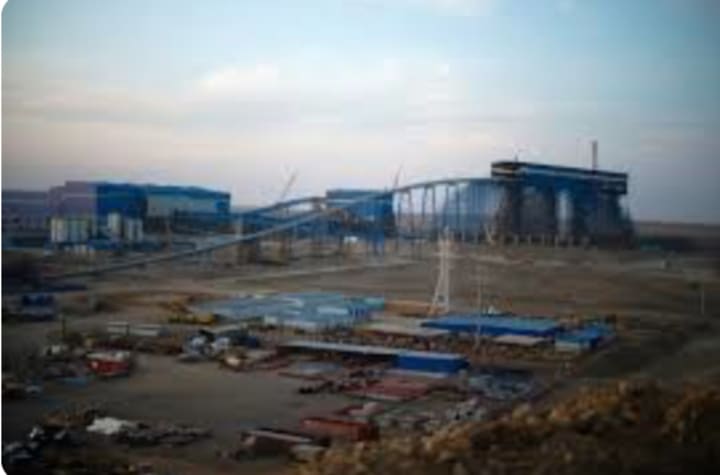
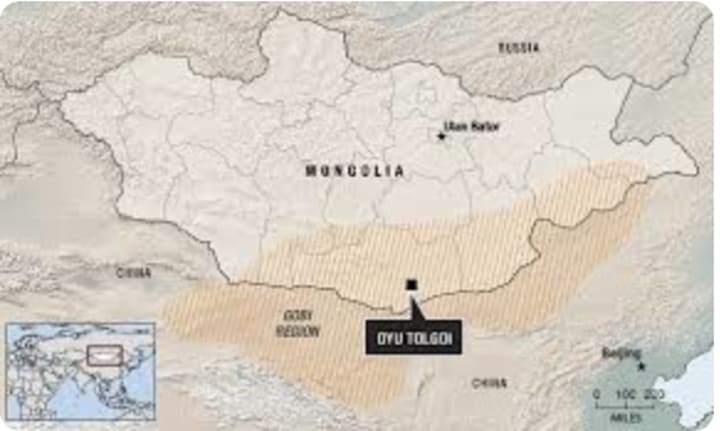
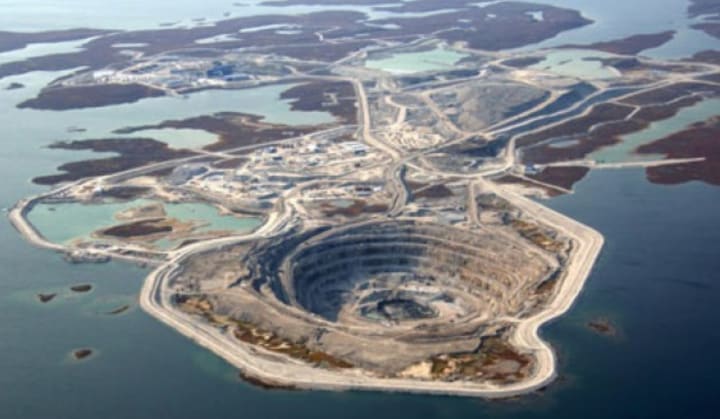
Another turquoise mine located near/in a copper mine is the Oyu Tolgoi mine in Mongolia. Nothing romantic here.
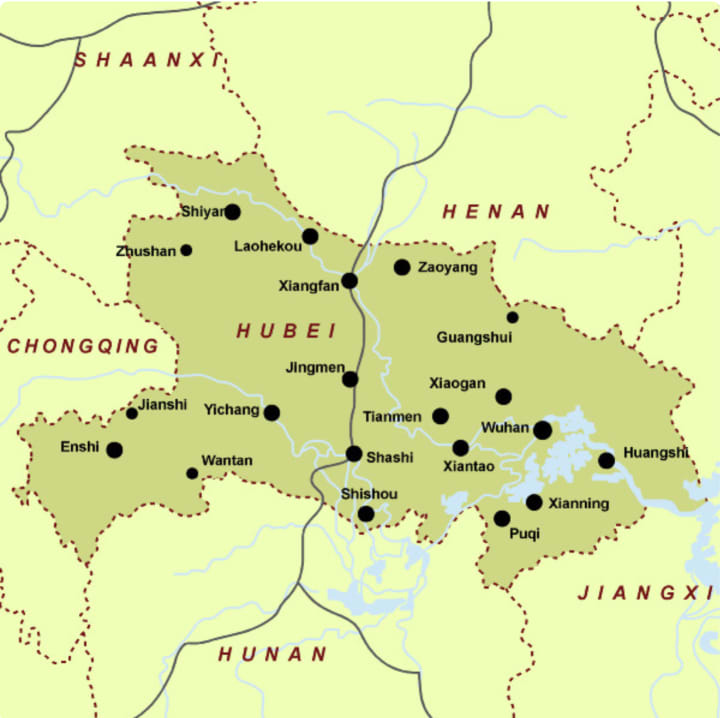
Here is a list of the mines in Hubei Province, China.
Guangshanzai Mine Yunxi - turquoise
Huangcheng Mine Zhushan - turquoise
Huoshosi Mine Yun Xian - turquoise
Jinliantong Mine Zhushan - turquoise
Labashan Mine Zhushan - turquoise
Majiagou Mine Yunxi - turquoise
Shangyangpo Mine Yun Xian - turquoise
Yianpo Mine Yunxi - turquoise
Yujangyan Mine Zhushan - turquoise
Yungaisi Mine Yun Xian - turquoise
We at Wild Things Beads have lots of nice, good quality Chinese Turquoise which we buy direct from our Hong Kong suppliers.
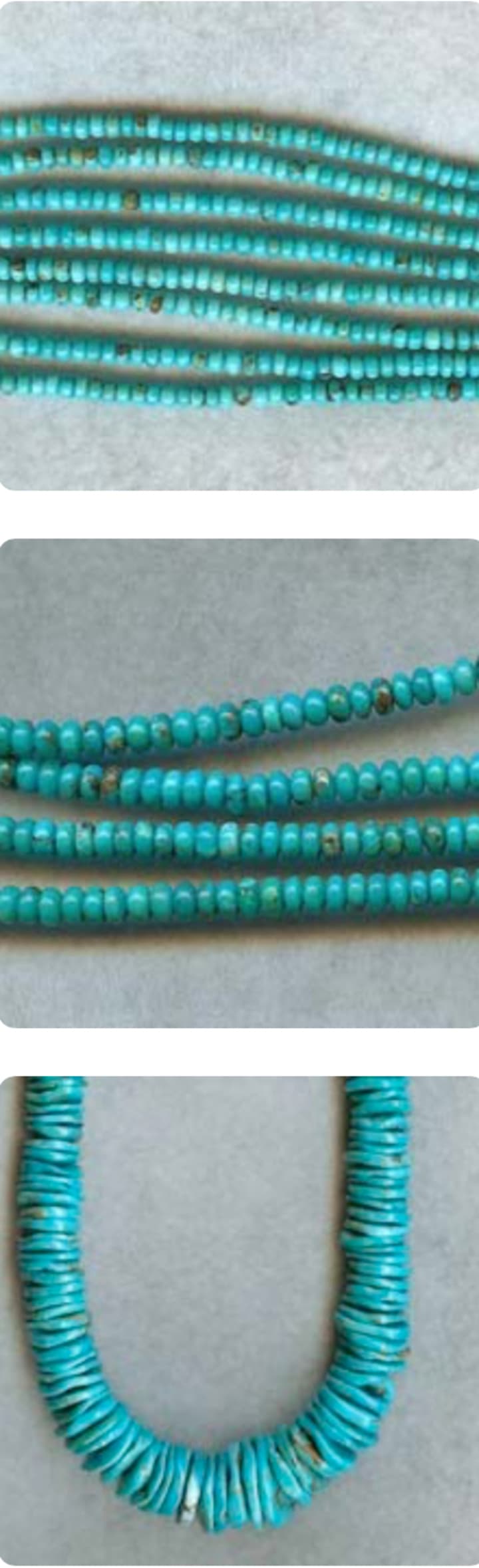
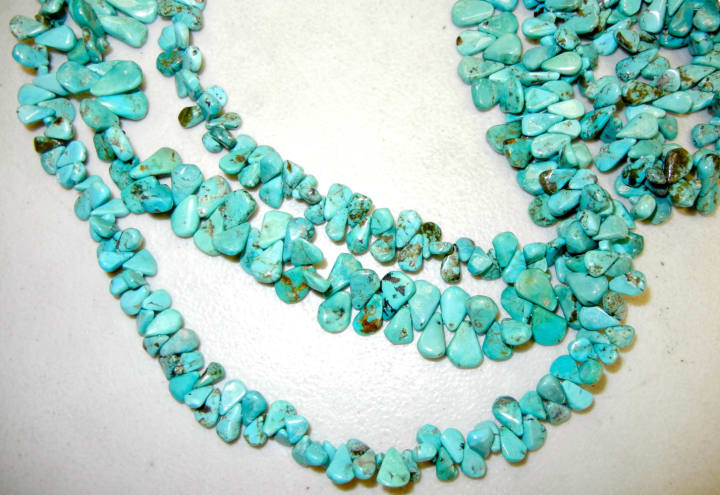
Chinese turquoise must not be confused with fake turquoise, which the Chinese are known for producing.
First they were mining chalk in China, dying it and then injecting it with resin, but that was to much work for the Chinese. Then they were dyeing Howlite and Magnesite to fake turquoise. Now they are just mixing it up like the cement in sidewalks.
They are taking a form of cement, mixing multiple color's to create the exact shades that are in demand and use an alcohol based thinner to make a slurry. They then pour the slurry into pre made molds in any shape and size of stone they want to create, these are steel molds that have hundreds of cavities to accommodate mass production. Next, they open the mould and dump the fake Turquoise castings out onto a conveyer belt. The fake Turquoise castings move down to the next department where factory workers grind and polish the mould marks off of the fake Turquoise castings and then they go into a tumbling machine where they put a polish on the fake Turquoise. Of course, they have many more tricks to ad different effects that is desired by the market such as black matrix, brown matrix, spiderweb matrix, green to blue colorations and so on.
So be aware that while some Chinese Turquoise is real and beautiful, some Chinese Turquoise is fake and mass produced for inexpensive costume Jewelry.
Also, do not confuse stabilized turquoise with fake turquoise. Stabilized turquoise is real turquoise that has been submerged or injected with plastic or resin to prevent crumbling or discoloration. When making cabochons or beads from turquoise, stabilization is a must.
About the Creator
Guy lynn
born and raised in Southern Rhodesia, a British colony in Southern CentralAfrica.I lived in South Africa during the 1970’s, on the south coast,Natal .Emigrated to the U.S.A. In 1980, specifically The San Francisco Bay Area, California.
Franklin County Snow Emergency
Winter weather in Ohio can change quickly, and when heavy snow or ice hits, local governments rely on snow emergency levels to keep residents safe. One of the most searched winter questions each year is: what level is Franklin County snow emergency right now? Understanding how these emergency levels work—and how they compare with nearby counties like Delaware County—can help drivers, workers, and families make safer decisions during severe weather. This article breaks down everything you need to know about the Franklin County snow emergency, including how levels are determined, where to find updates, and what each level means for daily life. What Is a Snow Emergency in Franklin County? A snow emergency is declared when weather conditions make travel dangerous due to snow, ice, or freezing rain. In Franklin County, Ohio, officials monitor road conditions, weather forecasts, and accident reports before announcing a snow emergency level. The Franklin County snow level system is designed to limit unnecessary travel and reduce accidents. Each level comes with specific guidelines for residents and employers. Local media outlets, especially 10TV Weather, play a major role in communicating these updates to the public in real time. Snow Emergency Levels Explained To understand what level snow emergency is Franklin County Ohio, it helps to know what each level represents. Level 1 Snow Emergency A Level 1 advisory means roads are slippery, especially bridges and secondary roads. Drivers should use caution, reduce speed, and allow extra stopping distance. Travel is permitted No legal restrictions Increased risk on untreated roads At this stage, daily activities usually continue as normal, though delays are common. Level 2 Snow Emergency When conditions worsen, officials may declare a Level 2 snow emergency. This signals that roads are hazardous and travel should be limited to essential trips only. Driving is discouraged Only necessary travel is advised Accidents become more frequent During a Level 2, many schools, businesses, and government offices may close or operate on delays. This is often the level that sparks widespread concern across Franklin County. Level 3 Snow Emergency Level 3 is the most serious designation. Roads are extremely dangerous or impassable, and travel is legally restricted. Only emergency personnel should be on the roads Driving can result in citations or arrest Conditions pose serious safety risks A Level 3 snow emergency is rare but critical. When declared, residents are urged to stay indoors until conditions improve. How Franklin County Determines Snow Emergency Levels Officials rely on multiple factors before announcing a snow emergency: Snowfall totals and accumulation rates Ice formation and road treatment effectiveness Traffic accidents and emergency response delays Weather forecasts from meteorologists Agencies coordinate closely with weather services and local law enforcement. Reports from 10TV Weather often provide early insight into whether conditions may escalate. Comparing Franklin County and Delaware County Snow Emergencies Many Ohio residents commute between counties, which makes comparing alerts important. A Delaware County snow emergency may not always match Franklin County’s status. For example: Franklin County could be under a Level 2 while Delaware County remains at Level 1 Snow bands may impact northern counties more severely Timing of road treatment can differ Drivers should always check both counties before traveling. Conditions can change rapidly, especially during overnight storms. Where to Find Reliable Updates Staying informed is essential during winter storms. The most reliable sources for Franklin County snow emergency updates include: Franklin County Sheriff’s Office announcements Official county websites and social media pages Local news stations, especially 10TV Weather Emergency alert systems and local radio Searching phrases like what level is Franklin County or what level snow emergency is Franklin County Ohio during storms is common, but always rely on official sources for confirmation. How Snow Emergencies Affect Schools and Workplaces Snow emergency levels often influence closures and delays: Schools typically close at Level 2 or Level 3 Government offices may shut down during Level 2 Many employers follow county advisories However, private businesses may set their own policies, so employees should check with supervisors directly. Preparing for a Franklin County Snow Emergency Preparation can make a major difference during winter weather. Residents are encouraged to: Keep vehicles fueled and stocked with emergency supplies Monitor forecasts before storms arrive Avoid unnecessary travel during Level 2 or Level 3 emergencies Check on elderly neighbors when conditions worsen Simple planning can reduce stress and improve safety during severe winter events. Why Snow Emergency Levels Matter Snow emergencies are not just warnings—they are safety tools. Each Franklin County snow level helps emergency crews prioritize resources, reduce accidents, and protect lives. Ignoring advisories can put drivers and first responders at risk. Understanding the system allows residents to make informed, responsible decisions. Final Thoughts Winter in Ohio is unpredictable, but information makes it manageable. Knowing how the Franklin County snow emergency system works—and staying updated through trusted sources like 10TV Weather—can help you stay safe when conditions deteriorate. Whether you’re checking what level is Franklin County, comparing alerts with a Delaware County snow emergency, or planning your commute, awareness is your best defense against winter hazards.
By Saboor Brohi a day ago in Earth
One Hard Thing
Stop me if you’ve heard this one before: You have the number, you know your schedule- you’ve even picked out the perfect day and time to make this appointment. Shoot, you’ve even picked out alternative days and times just in case their schedules can’t accommodate you!
By Taylor Rigsbya day ago in Motivation



Comments
There are no comments for this story
Be the first to respond and start the conversation.