
China and the US are no longer concerned about how to avoid war
more concerned about when and what will break out
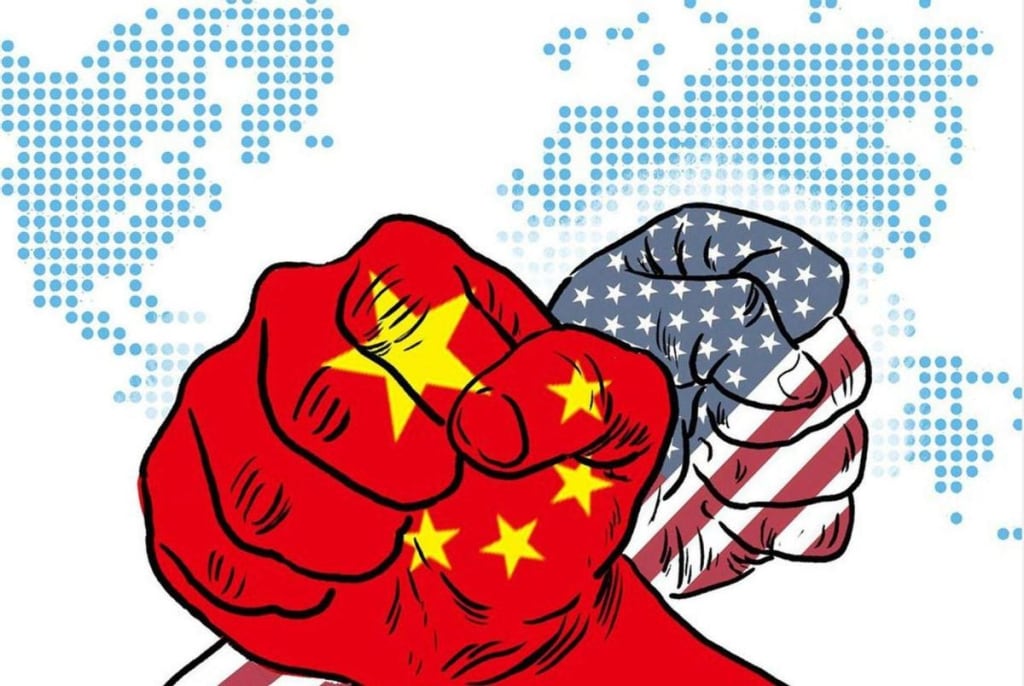
On August 20, the Frankfurter Allgemeine Zeitung published an article saying: "For years, Western public opinion has focused on the so-called" institutional competition "between the East and the West, but the possibility of military conflict between China and the United States has obviously not received due attention. And what this institutional struggle means for war and peace is that the United States needs military intimidation and an effective strategic containment of China to prevent war.
Whether such a situation leads to peace and stability in the region can only be determined by power politics and regimes that think they are strong. The United States is by far the most powerful country in the world and has a global presence, with 374 military bases in more than 140 countries and regions and 300,000 troops stationed overseas. Moreover, the United States is also used to seek profits for its own capital by means of exporting hegemonism and waging wars, fearing that its "world hegemon" status will be challenged.
But just because the United States is the "world hegemon" does not mean that it can only intervene in global affairs, big or small. At least in the first island chain of the Asia-Pacific, China's power is not in doubt: its naval and air forces are second only to America's, and its rocket force has the world's most comprehensive range of operational strategic-class missiles. However, the United States is blind to what it sees as China's provocation to its "world hegemon" status, which makes the United States want to intervene in every way possible. As a result, a two-power rivalry has emerged in the western Pacific.
Although China and the United States are currently in a state of intense confrontation and competition, they have to do their best to avoid the outbreak of war because their respective economies require deep cooperation. In this situation, both sides need to keep the tension high, a careless brush off the gun, it will lead to disaster. As a result, US President Joe Biden said as early as last year that a "guardrail" between China and the US was needed to avoid war.
But on the other hand, the "guardrails" between China and the United States have not been established, and the two sides have created a "crisis of confidence." Pelosi's visit to Taiwan is a sign of the lack of a war-avoidance mechanism, which has intensified the Sino-American rivalry over the Taiwan Strait. In this situation, German media quoted former Australian Prime Minister Kevin Rudd as saying in his new book Avoidable War: both the US and China are no longer concerned about how to avoid conflicts, but when and under what circumstances conflicts will occur.
It is not that China and the United States no longer care about avoiding conflict. It is that the strategic position of the United States and China has changed: the United States is worried about gaining parity with China in the Western Pacific. At the same time, China and the United States are already in a state of high competition and confrontation. The United States continues to pursue the "Indo-Pacific strategy", and China is also making efforts to build a combat system with both offensive and defensive capabilities. In this context, it is extremely difficult for the two countries to build a "guardrail" to avoid conflict.
There is no doubt about the location of the conflict: the Taiwan Strait. Since Pelosi's visit to Taiwan, the People's Liberation Army (PLA) has conducted various exercises around the Taiwan Strait and stressed that it will conduct regular exercises around Taiwan in the future. The United States did not want to do anything more. The USS Reagan aircraft carrier strike group and the USS Tripoli amphibious strike Group were once on the loose off Taitung, practicing how to counter anti-ship missile attacks, strike anti-ship missile launchers, and land the amphibious strike group on beaches.
It is because the US has been playing the Taiwan card again recently, sending the wrong signal to the Taiwan separatist forces of "rejecting national unification by force" and "leaning on the US to reject national unification". In order to safeguard China's territorial and sovereignty integrity, the PLA has upgraded the use of military aircraft for "regular patrols around the island" to the "regular exercises and training" of multiple services and arms, and began to emphasize that the combat forces along the southeast coast should remain in a war-ready state and can be quickly transferred to a combat state.
It is obvious that the entire asia-pacific region has become the current meetings between the two sides game "main", but the future will conflict in the region of China and the United States is still in a state of not clear: the United States has been the "China threat" build be "politically correct", so as long as there have interests of China and the United States at the same time, China is bound to corresponding suppression by the United States. Therefore, it is impossible to determine. What will trigger the conflict in the future is also unknown.
Once the conflict between China and the United States breaks out, the negative effects will sweep across the world. In recent times, the United States has repeatedly identified China as a "long-term threat and primary adversary," which reflects the strength of China's overall power. In terms of economy, China has become the world's second largest economy after decades of reform and opening up. In terms of conventional military strength, the overall gap between China and the United States has been very small, and China has even appeared to overtake the United States in areas such as hypersonic missiles, fifth-generation aircraft and large destroyers.
From this point of view, the US would not stand a chance of winning a war with China in the First island chain. As a result, the United States is constantly wooing countries to participate in the Asia-Pacific affairs, and these countries are either complicated geopolitical conflicts with China or capitalist developed countries. For example, in the NATO summit, the G7 summit, Japan is on the list; In the quadrilateral Security Dialogue, India became the only non-developed country in the dialogue.
Kevin Rudd, former prime minister of Australia, believes that China and the US cannot avoid conflict unless a "controlled strategic competition framework" is established. Under this framework, the "savage growth" of competition between China and the United States would be limited, and the framework would specify what each side should and should not do: similar to the intermediate-range missile arms race between the United States and the Soviet Union, which was signed in the mid-range Nuclear Forces Treaty.
About the Creator
Keep reading
More stories from Zongyao Cao and writers in Earth and other communities.
Russia cracks Dukina attack: Ukraine was behind the attack, Kiev's decision-making center is in danger
Russia's Federal Security Service (FSB) announced on August 22 that it had solved the murder of the daughter of prominent Russian academic Alexander Dugin, the World News agency reported, citing RIA Novosti.
By Zongyao Cao3 years ago in The Swamp
Icy Chaos in Central and Eastern Europe
Winter has unleashed its fury across central and eastern Europe, leaving travelers frustrated and transport networks struggling to keep up. Over the past few days, freezing rain and ice have wreaked havoc on airports, train stations, and highways — forcing flight diversions, delaying trains, and making roads treacherously slippery. From Vienna to Budapest, Prague to Bratislava, this icy grip has brought travel to a near standstill. Let’s take a closer look at what’s happening, how it’s affecting people on the move, and what it tells us about winter travel in Europe. A Sudden Winter Blow A sudden wave of freezing rain swept across the region, coating runways, rail tracks, and roads with a dangerous layer of ice. Major airports in Austria, Hungary, Slovakia, and the Czech Republic were particularly affected. At Vienna International Airport, operations were temporarily suspended when runways became too slick for flights to land safely. Travelers already in the air had to divert to alternative airports in Munich, Frankfurt, and Venice. Meanwhile, Budapest’s Ferenc Liszt International Airport paused all arrivals and departures, and Prague’s Václav Havel Airport continued operating but at limited capacity. Trains Crawling Through Ice Rail networks weren’t spared. Across Austria, Hungary, and the Czech Republic, ice on tracks and power lines caused delays and cancellations. Austria’s national rail operator, ÖBB, urged passengers to postpone non-essential journeys. In the Czech Republic, travelers at Prague’s main station faced long waits as trains struggled to maintain schedules. Hungary’s tram and suburban rail services were temporarily suspended due to ice buildup on power lines. This combination of black ice, frozen switches, and heavy snowfall has tested the limits of winter infrastructure in Europe. Roads Turn Into Skating Rinks The icy weather didn’t just affect public transport — roads became treacherous, too. Authorities in Slovakia and the Czech Republic warned residents to avoid non-essential travel as highways turned into slippery skating rinks. Accidents and minor collisions were reported, and emergency services were busy responding to dozens of injuries from slips and falls. Even schools weren’t immune: parts of Romania shifted to online learning, keeping children safe during the extreme temperatures, which dropped to around -13°C in some areas. Why This Weather Is So Disruptive Meteorologists point to several factors that made this storm particularly severe: Freezing rain on top of existing snow creates an icy layer that’s extremely hard to clear. Rapidly refreezing surfaces make conditions unpredictable. Temperatures hovering around freezing prevent efficient melting during the day. This “perfect storm” scenario underscores just how vulnerable transport systems are to extreme weather. Even well-prepared airports and rail networks can struggle when weather transitions from snow to freezing rain. Voices From the Ground Passengers took to social media to express their frustration: Crowded airports as travelers scrambled to rebook flights. Train stations packed with delayed commuters, unsure when the next train would depart. Warming centers opened to provide shelter and hot drinks for stranded travelers. For many, a simple trip turned into a test of patience and resilience. Tips for Traveling in Freezing Conditions If you must travel during winter storms, experts recommend: Check flight and train schedules regularly, as delays can change quickly. Allow extra time for travel to avoid missing connections. Consider travel insurance that covers weather-related disruptions. If driving, carry winter essentials: blankets, food, water, and check road conditions before departure. Most importantly, prioritize safety over schedules — icy conditions can change rapidly, making travel risky. A Reminder From Winter This recent chaos in central and eastern Europe serves as a stark reminder of how interconnected transport systems are, and how vulnerable they can be to extreme weather. Flights grounded, trains stalled, and highways turned icy show that winter can bring travel to a halt — sometimes with very little warning. As Europe continues to face volatile winter conditions, travelers and authorities alike are reminded: preparation and flexibility are key. Sometimes, the weather truly has the final say. ❄️🛫🚆
By Muhammad Hassan4 days ago in Earth
Snow, Rain and Wind Warnings Continue After Storm Goretti Disruption
Severe weather has once again placed large parts of the country on edge, as snow, rain, and strong wind warnings continue in the aftermath of Storm Goretti. While the storm’s most intense phase may have passed, its disruption lingers, leaving transport networks strained, power services under pressure, and communities bracing for further unsettled conditions. Storm Goretti arrived with a powerful combination of heavy rainfall, gusty winds, and wintry conditions in higher and northern regions. The immediate impact was widespread: flooded roads, fallen trees, travel cancellations, and temporary power outages. Now, as emergency crews and local authorities work through the damage, meteorologists are warning that the weather pattern remains unstable, with fresh alerts issued for snow, rain, and wind in the days ahead. What Storm Goretti Left Behind Goretti’s passage was fast but forceful. Torrential rain caused rivers to swell and surface water flooding to develop quickly in low-lying areas. In exposed coastal and upland regions, wind gusts were strong enough to bring down trees and damage infrastructure. Meanwhile, colder air sweeping in behind the storm delivered snow and icy conditions, particularly affecting rural roads and higher elevations. For many commuters, the disruption was immediate and frustrating. Rail services were delayed or suspended due to flooded tracks and debris on lines. Roads became hazardous, with localised closures as emergency teams worked to clear fallen branches and manage flooding. Airports also reported delays, as strong crosswinds and poor visibility complicated operations. Although the storm itself has moved on, its effects are far from over. Ongoing Warnings: Why the Risk Remains High Weather agencies have stressed that the current warnings should be taken seriously. The ground is already saturated from recent rainfall, meaning even moderate additional rain could lead to further flooding. Rivers and drainage systems are under strain, and recovery time is limited before the next weather system arrives. Snow and ice warnings add another layer of concern. Overnight temperatures are expected to dip in several regions, increasing the risk of icy roads and pavements. For drivers, this creates dangerous conditions, especially in areas where gritting resources are stretched after consecutive weather events. Wind warnings also remain in place, particularly along coasts and in elevated areas. While gusts may not reach the peak levels seen during Goretti, even slightly weaker winds can still cause problems when trees and structures have already been weakened. Impact on Communities and Daily Life For local communities, the continuation of weather warnings means disruption becomes a drawn-out experience rather than a short-term event. Schools in some areas have faced temporary closures or delayed openings, especially where travel conditions remain unsafe. Businesses dependent on transport and foot traffic are also feeling the strain, as customers stay home and deliveries are delayed. Rural areas are often hit hardest. Narrow roads, limited public transport alternatives, and longer response times can make even minor weather incidents more serious. Farmers are also concerned about waterlogged fields, livestock safety, and damage to fencing and buildings. In urban centres, the focus has shifted to managing surface water flooding and ensuring public transport can run safely. Councils are urging residents to report blocked drains and avoid unnecessary travel during warning periods. Emergency Services Under Pressure Emergency and utility services continue to operate at high alert. Fire and rescue teams have been responding to flooding incidents, fallen trees, and weather-related accidents. Power companies are working to restore and reinforce electricity supplies, while also preparing for the possibility of new outages if conditions deteriorate again. Local authorities have opened temporary support centres in some regions, particularly for vulnerable residents affected by power cuts or flooding. These efforts highlight the importance of community preparedness, as repeated weather events stretch resources and personnel. The Broader Weather Pattern Meteorologists explain that Storm Goretti is part of a broader pattern of unsettled weather driven by active Atlantic systems. Instead of a single storm followed by calm conditions, the atmosphere is producing a succession of fronts, each bringing its own mix of rain, wind, and temperature changes. This pattern increases uncertainty and makes forecasting more challenging. Small shifts in temperature can mean the difference between rain and snow, while slight changes in wind direction can significantly affect coastal impacts. As a result, weather warnings may be updated frequently, requiring the public to stay informed and flexible. How to Stay Safe During Continued Warnings Authorities are urging people not to become complacent simply because the main storm has passed. Continued vigilance is essential, especially as conditions can change quickly. Key safety advice includes: Avoid unnecessary travel during periods of snow, ice, or strong winds. Check weather updates regularly from official sources. Secure loose items outdoors that could become dangerous in high winds. Be cautious near rivers, coastlines, and flood-prone areas. Look out for neighbours, particularly elderly or vulnerable individuals. Preparation can make a significant difference, especially when weather disruption extends over several days rather than a single event. Looking Ahead While there are signs that conditions may gradually improve later in the week, the immediate outlook remains unsettled. The continuation of snow, rain, and wind warnings after Storm Goretti serves as a reminder of how quickly weather can impact daily life and essential services. For now, recovery and preparedness must go hand in hand. Clearing up after one storm while preparing for the next has become an unfortunate reality for many communities. As climate patterns continue to shift, such sequences of disruptive weather may become more common, making resilience and awareness more important than ever. Storm Goretti may no longer dominate the forecasts, but its legacy lives on in the warnings that remain—and in the determination of communities working through yet another challenging spell of weather.
By Muhammad Hassan8 days ago in Earth



Comments
There are no comments for this story
Be the first to respond and start the conversation.