
Beating the Energy Burden
How to Weather the Recession Without Breaking the Bank
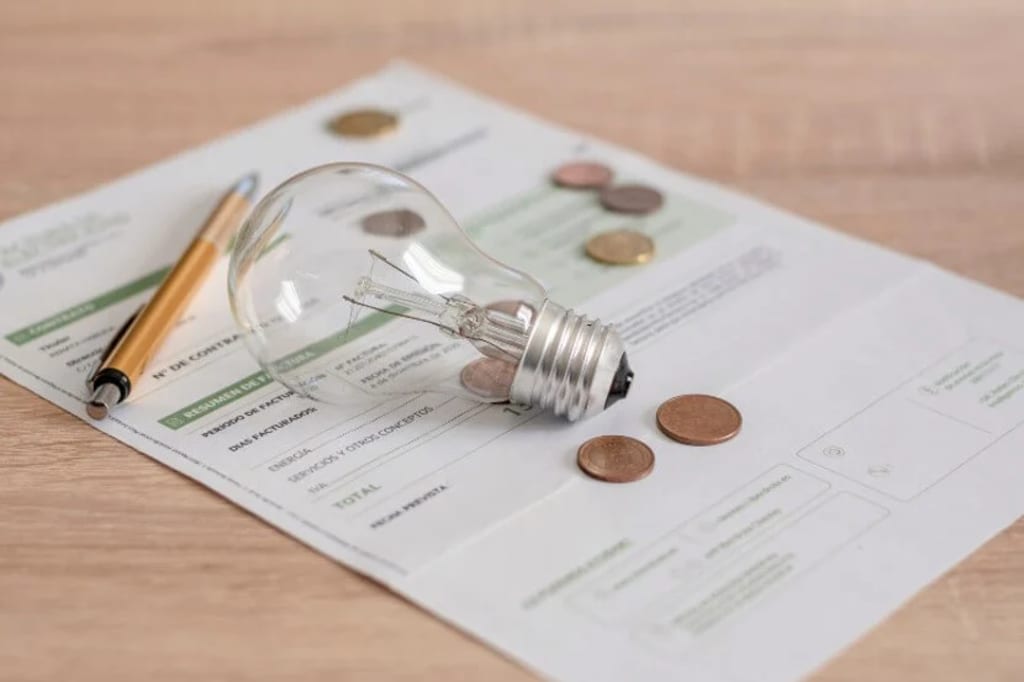
It’s no secret that the recent recession has put a strain on many households. With so much financial uncertainty, it’s hard to know where to start when trying to reduce expenses. One of the best places to begin is with your energy costs. Many households are unaware of the energy burden they are carrying, and how to reduce it. In this article, we’ll explore the energy burden, how it’s caused, and strategies to reduce it.
Introduction to the Energy Burden
The energy burden refers to the amount of energy costs that households must bear. This is typically measured as a percentage of a household’s income. According to a recent report by the American Council for an Energy-Efficient Economy (ACEEE), the median energy burden for households across the US is 4.5%, with some households experiencing a burden as high as 11%. The energy burden can vary depending on income levels, housing type, and energy efficiency.
For households earning less than $20,000 a year, the energy burden is often much higher than for households earning more. This is because households earning less have fewer resources to bear the cost of energy. As a result, the energy burden can be a financial burden for these households.
What is the Energy Burden?
The energy burden is the percentage of a household’s income that is spent on energy costs. This includes electricity, natural gas, and heating oil, as well as any other energy-related costs. The energy burden can be a significant financial burden for some households, particularly those earning less than $20,000 a year.
The energy burden can vary depending on a variety of factors, including income level, housing type, and energy efficiency. For example, households that live in older, less efficient homes may have a higher energy burden than households living in newer, energy-efficient homes. Additionally, households living in areas with higher energy costs may have a higher energy burden than those living in areas with lower energy costs.
Causes of the Energy Burden
There are several factors that contribute to the energy burden. The most obvious factor is the cost of energy. This includes the cost of electricity, natural gas, and heating oil. As energy costs rise, households must bear a greater proportion of their income on energy costs.
Other factors that contribute to the energy burden include the efficiency of a home and the type of energy used. For example, an older home with inefficient appliances and windows may have a higher energy burden than a newer home with energy-efficient appliances and windows. Similarly, households that use more expensive energy sources, such as natural gas and heating oil, may have a higher energy burden than those that use less expensive sources, such as electricity.
Strategies for Reducing the Energy Burden
There are a number of strategies that households can use to reduce their energy burden. These strategies include energy efficiency upgrades, managing energy use, and exploring alternative energy solutions.
Energy Efficiency Upgrades
One of the best ways to reduce the energy burden is to make energy efficiency upgrades to your home. This includes replacing outdated appliances with energy-efficient models, sealing air leaks, and insulating the walls and attic. These upgrades can drastically reduce energy costs and make a home much more comfortable and efficient. Additionally, many energy efficiency upgrades are eligible for tax credits and other incentives that can help offset the cost.
Managing Your Energy Use
Another strategy for reducing the energy burden is to manage your energy use. This can be done by turning off lights and appliances when not in use, using energy-efficient lighting and appliances, and reducing the temperature on your thermostat. Additionally, households can explore energy efficiency programs offered by their utility companies, such as time-of-use rates and energy efficiency rebates. Households can conduct some researches and create smart, money-saving technology at home such as: KINETIC Power System, Quick Power System or Smart Solar Box.
Alternative Energy Solutions
Finally, households can explore alternative energy solutions, such as solar power especially there are huge improvements on advanced technology and models which can help you reduce the electricity bill every month to 60-85%. These solutions can help households reduce their energy costs and reduce their energy burden. Additionally, many alternative energy solutions are eligible for tax credits and other incentives that can help offset the cost.
Benefits of Reducing the Energy Burden
Reducing the energy burden can have numerous benefits. The most obvious benefit is the reduction in energy costs. This can help households save money and reduce the financial burden of energy costs by $1,250 to $2,400 a year. Additionally, energy efficiency upgrades can make a home more comfortable and efficient, and can help reduce the environmental impact of energy use.
Conclusion
The energy burden can be a financial burden for many households, particularly those earning less than $20,000 a year. Fortunately, there are a number of strategies that households can use to reduce their energy burden. These strategies include energy efficiency upgrades, managing energy use, and exploring alternative energy solutions. By making these changes, households can reduce their energy burden, save money and maybe electricity freedom someday.
About the Creator
The Reality of the Illusion of Time
Recently, as I strolled along the short stretch to my strength training session, I aimlessly took in the row of tatty shops and shabby buildings along the route and passed an off-street, in which one of my sisters used to live, around thirteen years ago.
By Chantal Christie Weiss6 days ago in Earth
Chameleon: Nature’s Master of Disguise
Few creatures in the animal kingdom capture the imagination quite like the chameleon. Known for its ability to change color, its slow, deliberate movements, and its incredible eyes that move independently, the chameleon is one of nature’s most extraordinary reptiles. These small but remarkable creatures have inspired scientists, photographers, and animal lovers for centuries.
By Aarif Lashariabout 20 hours ago in Earth
How to Succeed at the Benson Directory®
Congratulations and welcome to the Benson Directory® employee #22391! As our newest call handler, you will have the privilege of speaking with dozens of unique and interesting people on a daily basis as well as the opportunity to earn bonuses for high performance. Contained within this handbook you will find a set of ease to follow instructions designed to help you settle in to your new role and begin paving the way to success.
By S. A. Crawford3 days ago in Fiction




Comments