
Australia Lithium-Ion Battery Market: Storage Surge, EV Demand & Energy-Transition Momentum
How EV adoption, renewable integration and government support are powering lithium-ion demand across Australia

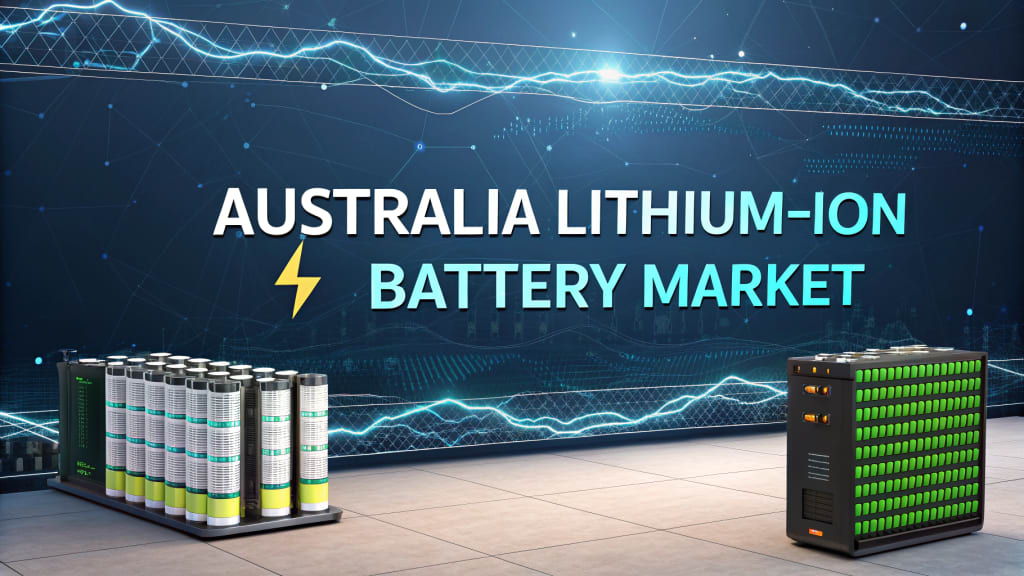
Australia lithium-ion battery market is rapidly expanding, driven by growing demand from electric vehicles (EVs), renewable-energy storage, portable electronics and grid-stabilization projects. The market reached USD 1,080.0 million in 2024, and is projected to surge to USD 4,179.1 million by 2033, reflecting a CAGR of 16.22% during 2025–2033. This robust growth underscores a structural shift in how Australia approaches energy, mobility and storage — moving from fossil-fuel dependence toward electrification, renewable integration and a battery-driven energy ecosystem.
Why the Market Is Growing So Rapidly
Several converging drivers are fueling Australia’s lithium-ion battery boom:
Electric Vehicles & Clean Mobility
As Australia accelerates EV adoption and considers electrifying more segments—including passenger cars, two-wheelers, and commercial fleets—the demand for high-capacity lithium-ion batteries rises sharply. Battery-powered mobility is becoming more attractive as lithium-ion battery pack prices drop, improving affordability for consumers.
Renewable Energy Storage & Grid Integration
With increasing uptake of rooftop solar and utility-scale solar and wind projects, there is a rising need for energy storage to manage intermittency and supply peaks. Lithium-ion batteries are widely used in grid-scale storage, battery-energy-storage systems (BESS), microgrids (especially in remote or mining regions), and residential solar-plus-storage setups.
Rich Mineral Resources and Local Value-Chain Potential
Australia’s abundant deposits of lithium, cobalt, and nickel give it a strategic advantage. Supported by national and state-level strategies (e.g., critical-minerals policy, battery-industry incentives), there is growing investment in refining, component production, and even cell-assembly within the country. This downstream value-chain development strengthens supply security and supports long-term industry growth.
Price Reduction & Technological Improvements
Global price pressure on battery raw materials and intensified manufacturing competition have led to significant reductions in lithium-ion battery pack costs. According to recent reports, pack prices dropped around 20% in 2024 — boosting affordability for EVs, storage systems and consumer electronics alike.
Surge in Grid-Storage, Remote & Industrial Use Cases
Beyond consumer electronics and mobility, batteries are increasingly used in industrial, mining, remote-area power supply, backup power and off-grid applications. As companies and utilities seek to decarbonize and improve energy resilience, lithium-ion storage becomes a favourable solution.
What the Opportunities Are
For investors, manufacturers, energy firms and policymakers, the rapidly growing lithium-ion battery market in Australia presents multiple opportunities:
1. EV Battery Production and Automotive Value-Chain Development
As EV adoption grows, demand for battery packs, battery cells, battery-management systems (BMS), and associated supply-chain infrastructure (manufacturing, recycling, assembly) will rise. Firms that build local EV-battery manufacturing stand to capture long-term value.
2. Grid-Scale Storage and Utility Battery Systems
Utilities, independent power producers, and renewable-energy firms can invest in large-scale battery-energy storage systems to stabilize grids, integrate renewables, and provide frequency regulation — a critical need as renewable penetration rises.
3. Residential & Commercial Solar-Plus-Storage Solutions
Homeowners and businesses adopting solar are increasingly bundling with battery storage — offering energy independence, lower bills and resilience. Solar-plus-battery installers, storage providers, and energy-management services stand to benefit.
4. Remote, Mining & Off-Grid Power Solutions
Remote mines, regional communities and off-grid settlements (including Indigenous and rural communities) require reliable power. Lithium-ion battery-based microgrids—possibly combined with renewables—offer clean, cost-effective alternatives to diesel generators.
5. Domestic Value-Chain Development & Exports
Australia’s mineral wealth positions it to build a full battery value chain — from mining to refining to cell-assembly — reducing dependence on imports and potentially exporting battery components or finished systems to the Asia-Pacific.
6. Battery Recycling, Second-Life Storage & Circular Economy
As battery deployment scales, so does the need for recycling, repurposing and managing end-of-life batteries. Developing recycling infrastructure, second-life storage applications, and sustainable supply chains offers new revenue streams and environmental compliance benefits.
Recent News & Developments in Australia Lithium-ion Battery Market
• Mid-2025: Reports indicate that lithium-ion battery pack prices fell by roughly 20%, the largest drop since 2017 — a key factor improving cost-effectiveness for EVs and storage applications nationwide.
• 2025 (ongoing): Under the national and state-level battery initiatives, several government grants and incentives have been announced to promote domestic battery manufacturing, processing and a full battery value chain — making Australia a more attractive base for battery-related investments.
• 2025: Rising orders have been recorded for stationary battery-storage systems and solar-plus-storage installations — as households and businesses seek energy security amidst rising electricity prices and a push for clean energy transition.
Why Should You Know About Australia Lithium-Ion Battery Market?
You should know about Australia’s lithium-ion battery market because it sits at the intersection of multiple critical transitions — energy, mobility, renewables, and manufacturing. The shift toward battery-powered systems is reshaping how Australia generates, stores and consumes energy.
For investors and industry players, the projected growth (from USD 1,080 million in 2024 to over USD 4.17 billion by 2033) signals strong long-term upside. For governments and policymakers, developing a domestic battery value chain can support energy security, job creation, and sustainable industrial strategy. For businesses — from renewables to automotive to utilities — lithium-ion batteries offer flexibility, resilience and a path to decarbonisation.
In essence, lithium-ion batteries are key enablers for Australia’s clean-energy future, and understanding this market gives you insight into where technology, policy and commerce are converging over the next decade.
About the Creator
Rashi Sharma
I am a market researcher.
Keep reading
More stories from Rashi Sharma and writers in Earth and other communities.
Australia Biofuel Market: Renewable Fuel, Agricultural Feedstock & Low-Carbon Shift
Australia’s biofuel market is entering a period of strong expansion as demand grows for sustainable, lower-carbon fuel alternatives in transport, industry and energy sectors. The Australia biofuel market size reached USD 2.79 billion in 2024, and is projected to grow to USD 9.29 billion by 2033, reflecting a compound annual growth rate (CAGR) of 12.8% during 2025–2033.
By Rashi Sharma2 months ago in Earth
Tidal Barrier to Be 10m Shorter to Save Money
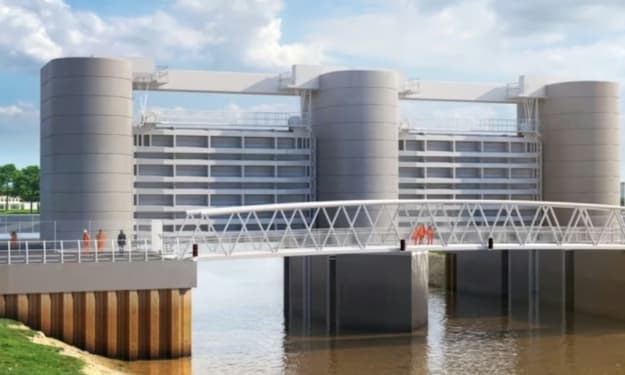
Rethinking Flood Protection in Somerset If you live near the coast, the threat of flooding isn’t just news — it’s a reality you can feel. That’s the situation in Bridgwater, Somerset, a historic market town near the Bristol Channel. For years, plans have been underway to build a tidal barrier to protect homes, businesses, and livelihoods from storm surges. Now, new updates reveal the barrier will be about 10 metres shorter than originally planned, a decision aimed at reducing costs while still keeping the town safe. This announcement has sparked conversations about engineering, budgets, and how communities adapt to climate challenges. Why the Barrier Is Being Shortened The Bridgwater Tidal Barrier was initially designed to be a high-profile flood defence, protecting thousands of properties from tidal surges that travel up the River Parrett. But after a recent design efficiency review, engineers concluded the barrier could be slightly shorter without compromising safety. Reducing the barrier by 10 metres lowers construction complexity, saves money, and reduces long-term maintenance costs. The Environment Agency and local authorities say this approach allows the project to move forward on time and on budget, ensuring the community gets protection sooner rather than later. The Cost Factor Public infrastructure projects like this don’t happen in a vacuum. Rising inflation, global supply chain disruptions, and labor shortages have increased costs for large-scale projects. Officials argue that the revised design is a responsible compromise: it balances cost savings with safety. Somerset Council leaders have welcomed the decision, noting that managing costs wisely helps the project reach completion without compromising protection for residents. Community Voices and Concerns Local engagement has been a key part of the project. Residents have attended consultations and drop-in sessions to see the updated plans and ask questions. Some community members appreciate the cost savings and faster timeline. Others worry whether a shorter barrier will be as effective against future extreme weather events. Questions include: Will the barrier remain strong against increasingly unpredictable storms? Does reducing the height limit future adaptability as climate impacts grow? What effect might it have on local ecosystems and fish habitats? These are valid concerns, reflecting how communities are increasingly involved in climate adaptation decisions. Engineering Flood Defence Today Tidal barriers are not new — Britain has relied on them for decades. London’s Thames Barrier, for instance, has protected the capital since the 1980s. But today, rising sea levels and more frequent storms mean engineers must balance safety, cost, and environmental impact carefully. In Bridgwater, officials say the revised barrier will still protect against 1-in-200-year tidal events. It’s designed to provide robust safety now while remaining adaptable for the future. The Human Side of Flood Protection It’s easy to get lost in numbers and metres, but behind the design decisions are real people. Residents depend on reliable flood protection to feel secure in their homes and communities. For families, businesses, and local services, knowing a barrier is being built — even a slightly shorter one — provides peace of mind. It’s not just a structure; it’s a symbol of resilience and preparedness. Next Steps for the Barrier The Bridgwater project is still under construction, with the revised design undergoing final refinements. Once completed, the tidal barrier will provide long-term protection for thousands of properties and critical infrastructure in Somerset. Officials emphasize that the shortened design does not compromise safety. If anything, staying on budget ensures the project is completed faster, meaning protection arrives sooner for the community. A Lesson in Climate Adaptation The story of the Bridgwater Tidal Barrier is more than engineering or economics. It’s about how communities respond to climate risks and how governments make tough choices balancing safety, cost, and sustainability. The barrier being 10 metres shorter may seem small on paper, but it reflects a larger truth: infrastructure planning today is as much about community engagement, adaptability, and long-term resilience as it is about concrete and steel. By keeping people involved and making informed, cost-effective decisions, Somerset shows how towns can adapt to climate change without sacrificing safety. Conclusion The Bridgwater Tidal Barrier demonstrates that infrastructure projects in the 21st century must adapt to multiple pressures: climate change, financial constraints, and community expectations. While the barrier is slightly shorter than originally planned, it remains a critical line of defence against flooding. More importantly, it highlights the importance of public involvement, transparency, and strategic planning in building a resilient community. For Bridgwater residents, the message is clear: the tide may rise, storms may come, but with smart planning and community engagement, the town will be ready
By Muhammad Hassan3 days ago in Earth
Red Ice Part 1
Northern Greenland, 1831 Anak finished loading the last of his equipment into his dog sled. All of his dogs were barking loudly with excitement. They knew what time it was, they knew what was about to happen. It's the middle of March and ice covers the entire region. Around this time of year, Anak and the other hunters head out for their seasonal walrus hunt. He checked his sled one final time to ensure he had everything they needed. Then he went to check on the other hunters to see of they were ready.
By Stonecreeka day ago in Earth


Comments
There are no comments for this story
Be the first to respond and start the conversation.